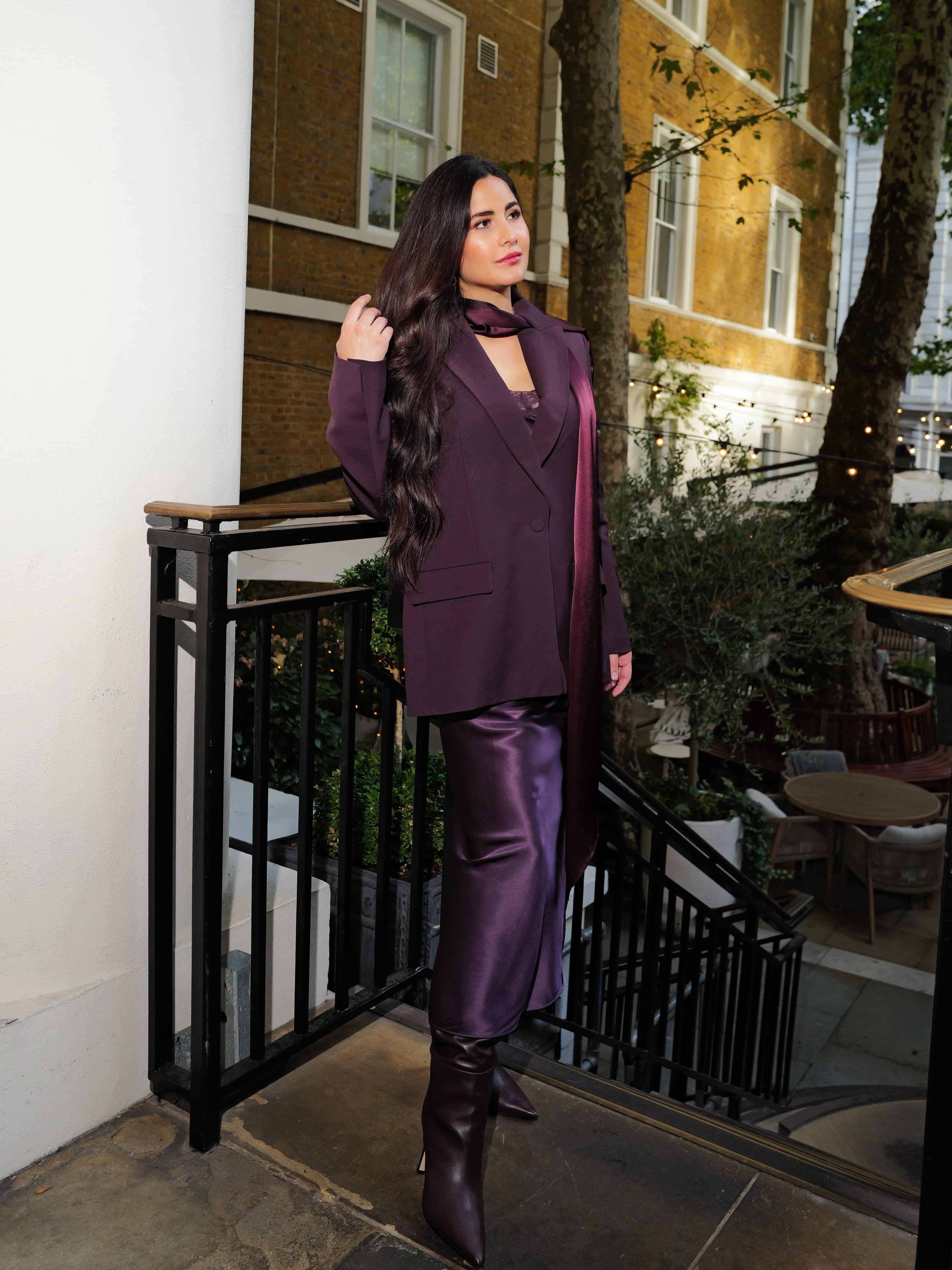
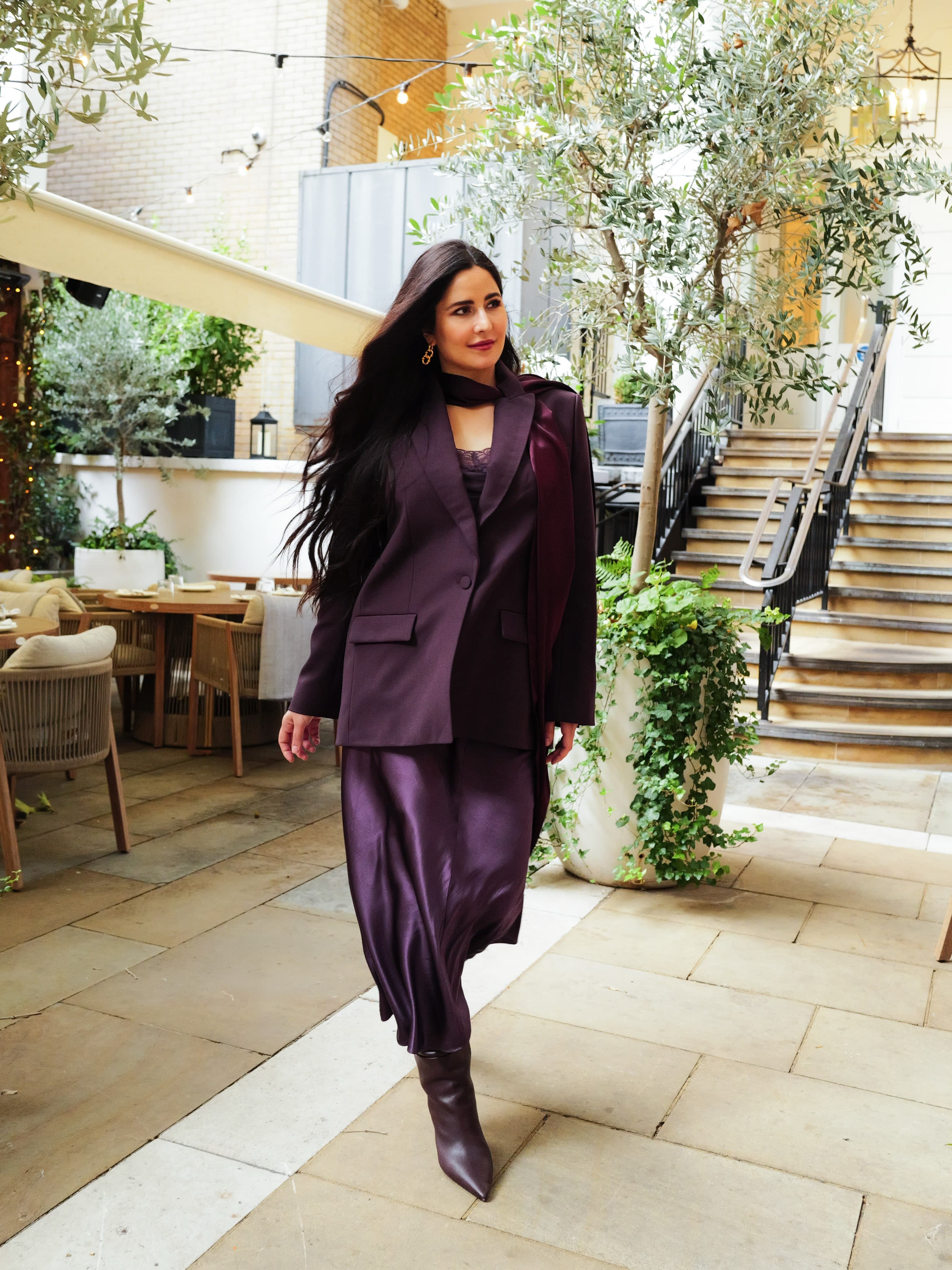
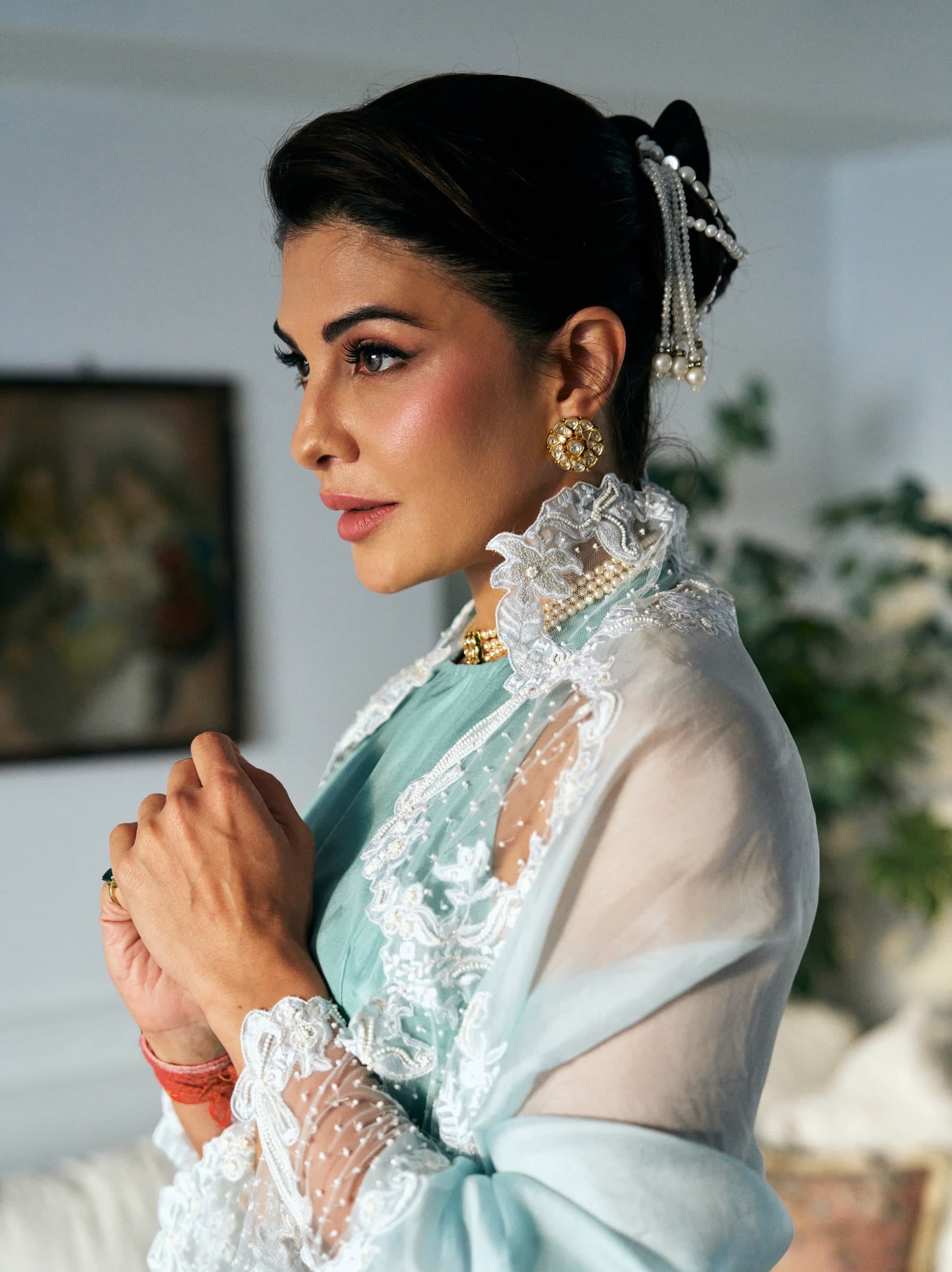
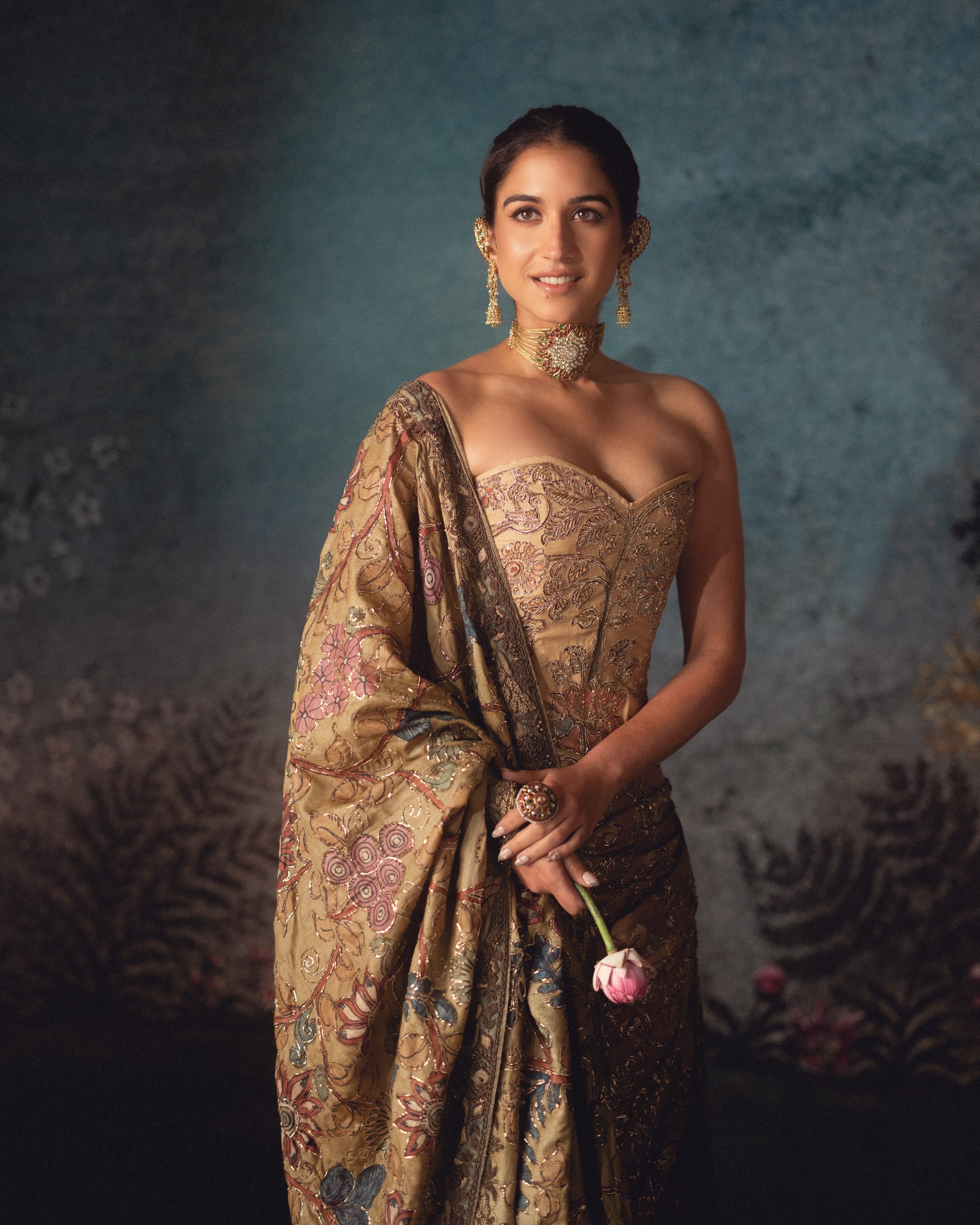
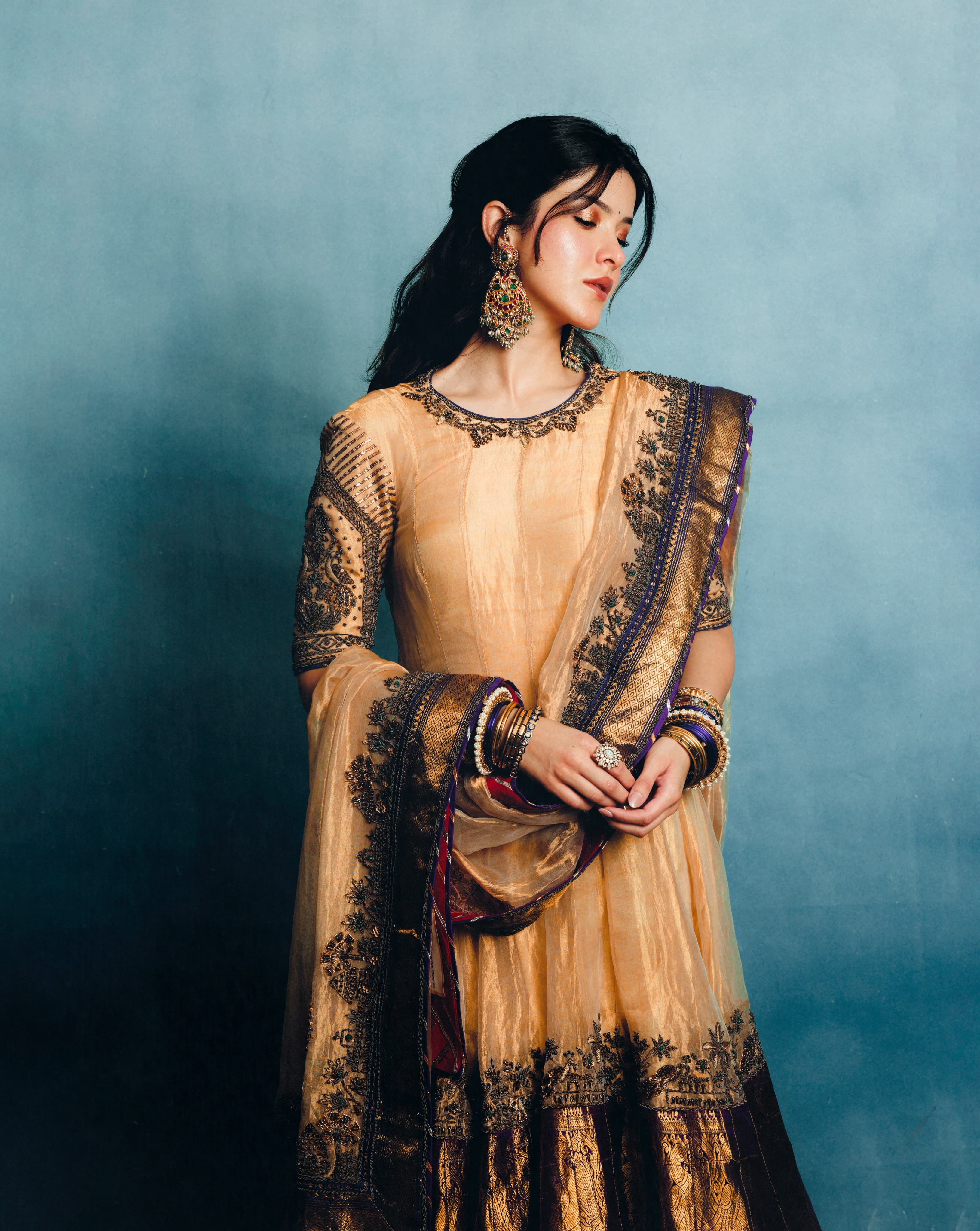
Indian bridal makeup can tilt theatrical in seconds, but the “A Royal Reverie” story from bridal artist and stylist Shradha Luthra keeps its focus on what photographs well when the clock is running and the room is full: skin that looks lived in, jewellery that frames rather than fights, and fabric arranged with intent. The primary keyword here, Indian bridal makeup, is often reduced to a single look, but this shoot proves how elastic the category is when makeup, drape, and couture are built as one image.
Indian bridal makeup as an image, not a checklist

On paper, the credits read like a tight unit. Makeup and styling are by @shradhaluthra, with hair and drape handled in house. Photography comes via @annoushkasharma. The bride is dressed in pieces from @rimpleandharpreet, paired with jewellery credits to @therahjewels and @rimple_narulah.
That clarity of roles matters because Indian bridal makeup is never just pigment. It is the relationship between highlight and flash, liner and lash, mouth and veil edge. In these frames, the styling does what strong editorial styling should do: it makes you notice structure. The glance is guided by jewellery placement, then pulled back to the fabric’s fall, then returned to the face.
Why “old world charm” is really about proportion
“Old World Charm” and “Timeless” can be vague, but the phrasing makes sense when you look at the choices implied by the credit stack. Rimple and Harpreet Narula’s bridal language is heavily tied to craft and ceremonial richness, and it asks the rest of the look to hold its ground. That is where Shradha Luthra’s approach lands: complexion that stays readable next to ornate surfaces, and a lip and eye balance that does not compete with metalwork.
Think of this as bridal beauty engineered for proximity. In close shots, the face carries the story. In wider frames, the drape and jewellery do. That is the real difference between Indian bridal makeup looks built for a phone screen alone and those built for an album you will open ten years later.
Hair and drape: the invisible craft that makes everything else believable
If makeup is the first thing people name, drape is the first thing that can undo it. A veil that slips, a pleat that collapses, a border that twists into the wrong angle, all of it changes how the face reads. Crediting “Hair & Drape | In House Team” is a small line with big implications: the shoot treats fabric handling as a specialty, not an afterthought.

A useful takeaway for real brides
If you are building a bridal team, ask who is responsible for drape once the photos begin and the outfit has already been worn for an hour. The best Indian bridal makeup can lose impact if the dupatta line is not maintained, because the frame around the face is part of the makeup story.
The modern “royal” mood, without costume
What makes “A Royal Reverie” work is that it is specific about authorship. You can trace the image back through its makers: the photographer’s eye, the designer’s textile weight, the jewellery’s density, the artist’s styling logic. There is no need to manufacture drama when the materials already carry it.
And that is the final point. For brides saving references, this editorial is less about copying a single liner shape and more about building a system: outfit, jewellery, hair, drape, and Indian bridal makeup designed to be read together, not separately.
Photo Credits
Cover image and additional images courtesy of Shradha Luthra 🧿 | Bridal Make Up Artist. Photography by Annoushka Sharma. Styling and makeup by Shradha Luthra. Outfits credited to Rimple and Harpreet Narula. Jewellery credited to The Rah Jewels and Rimple Narula. Images courtesy of their respective owners.