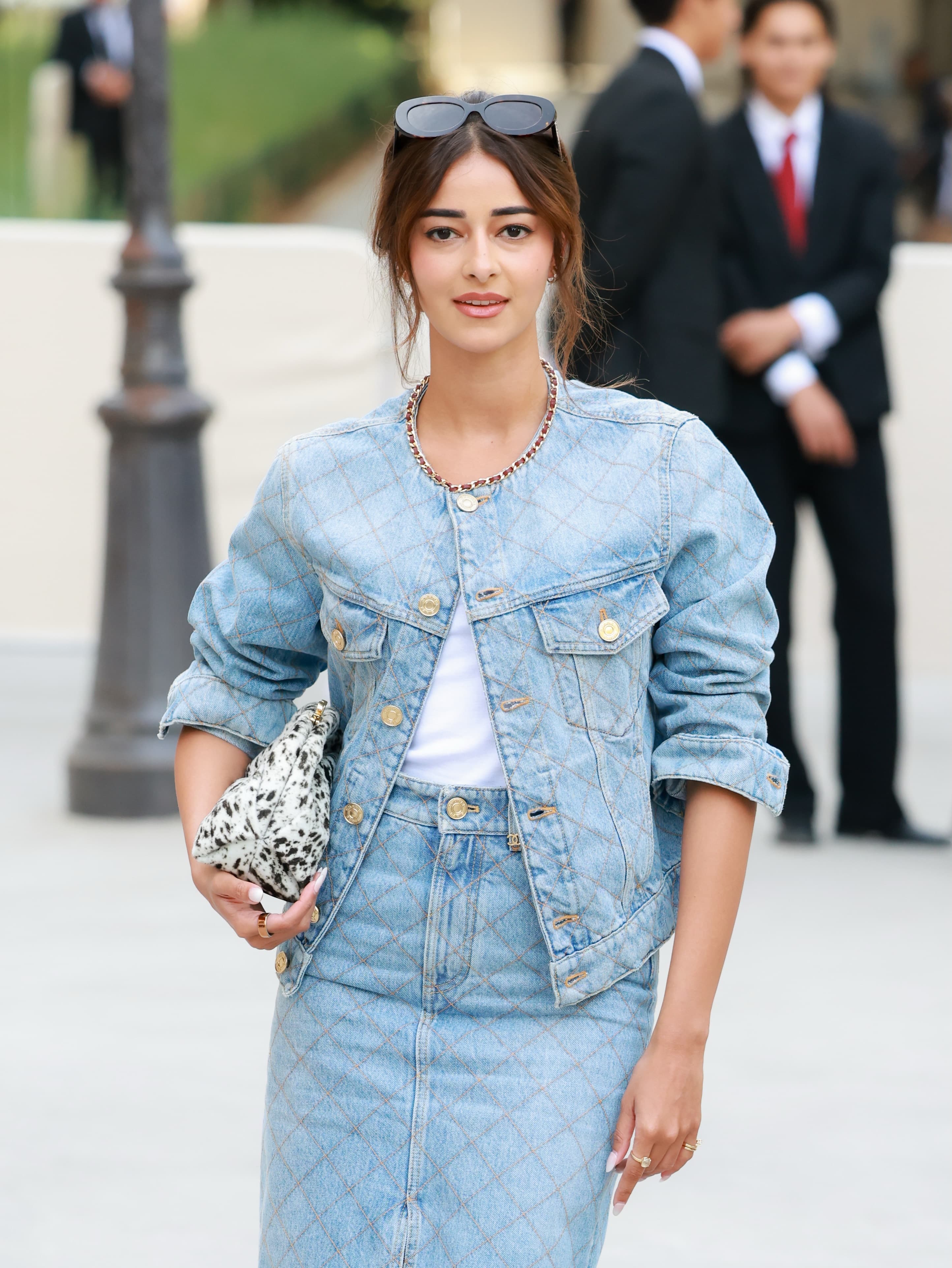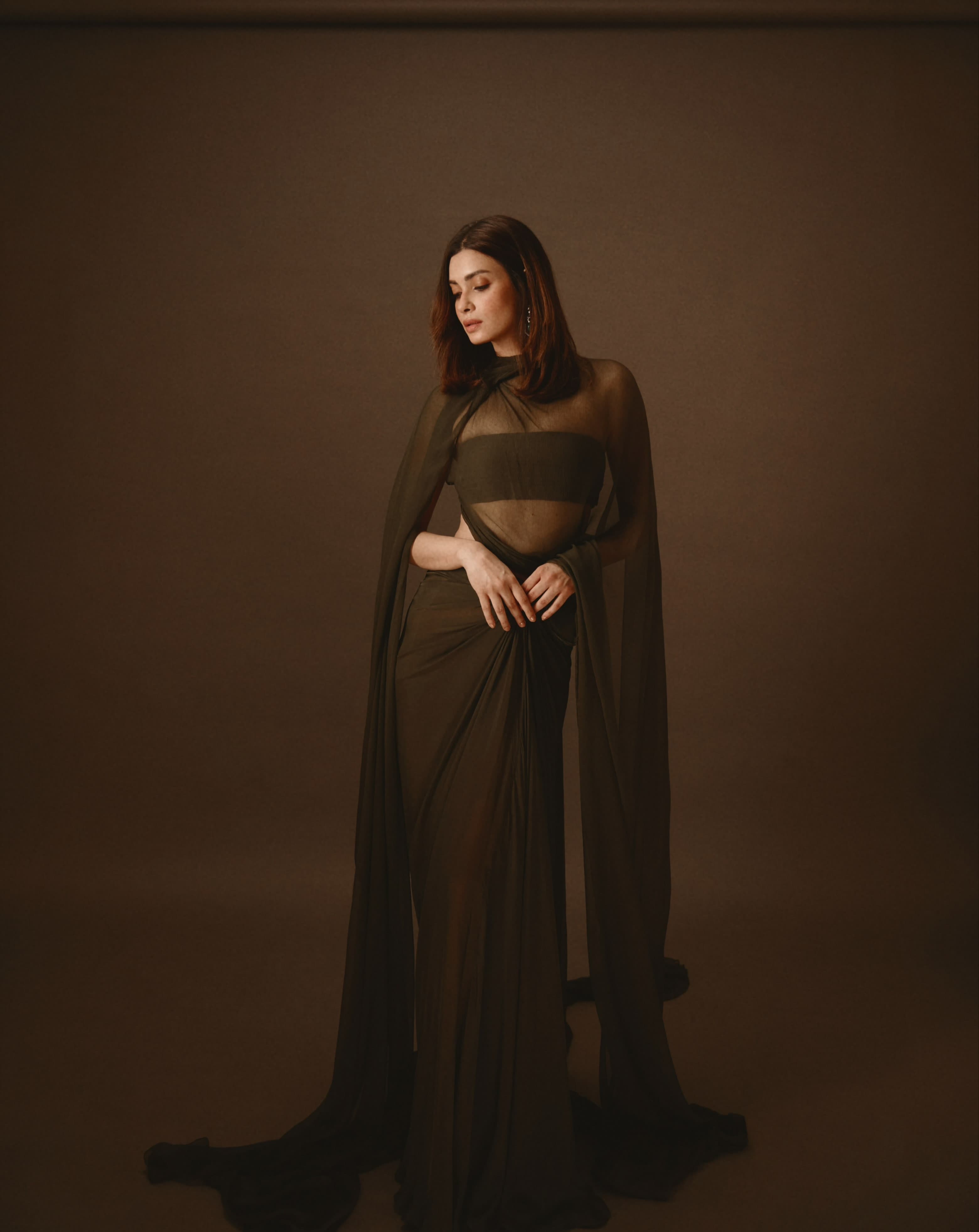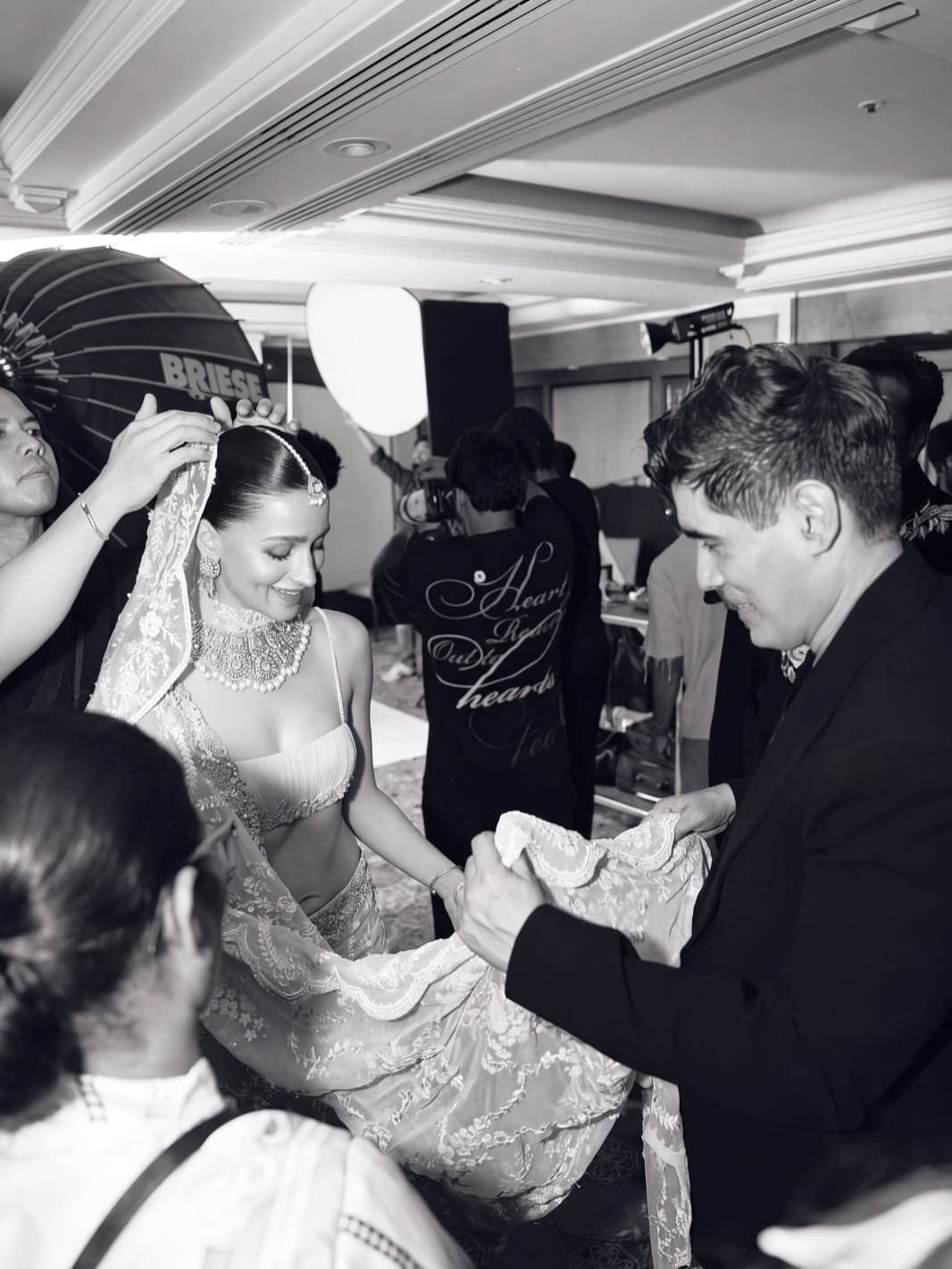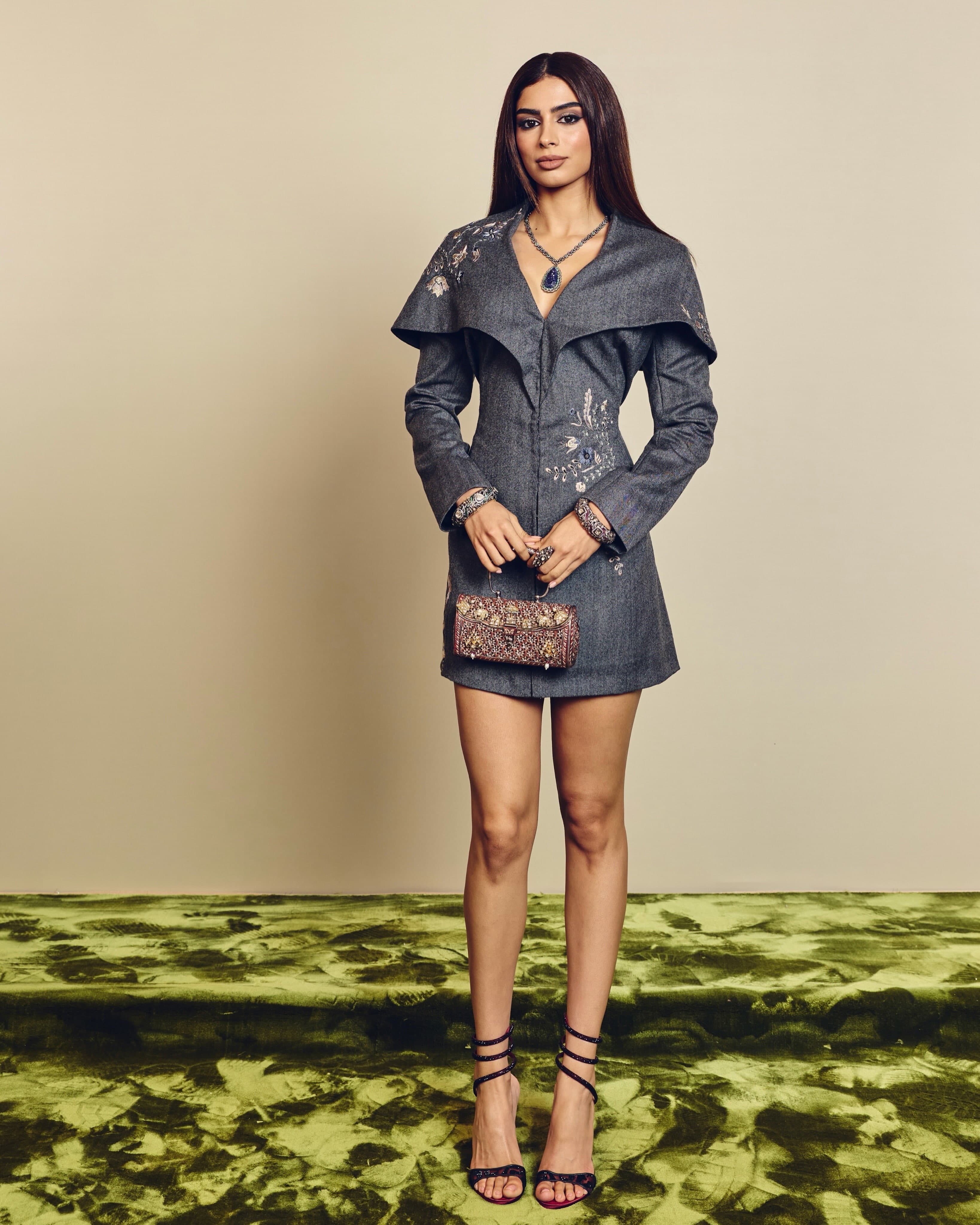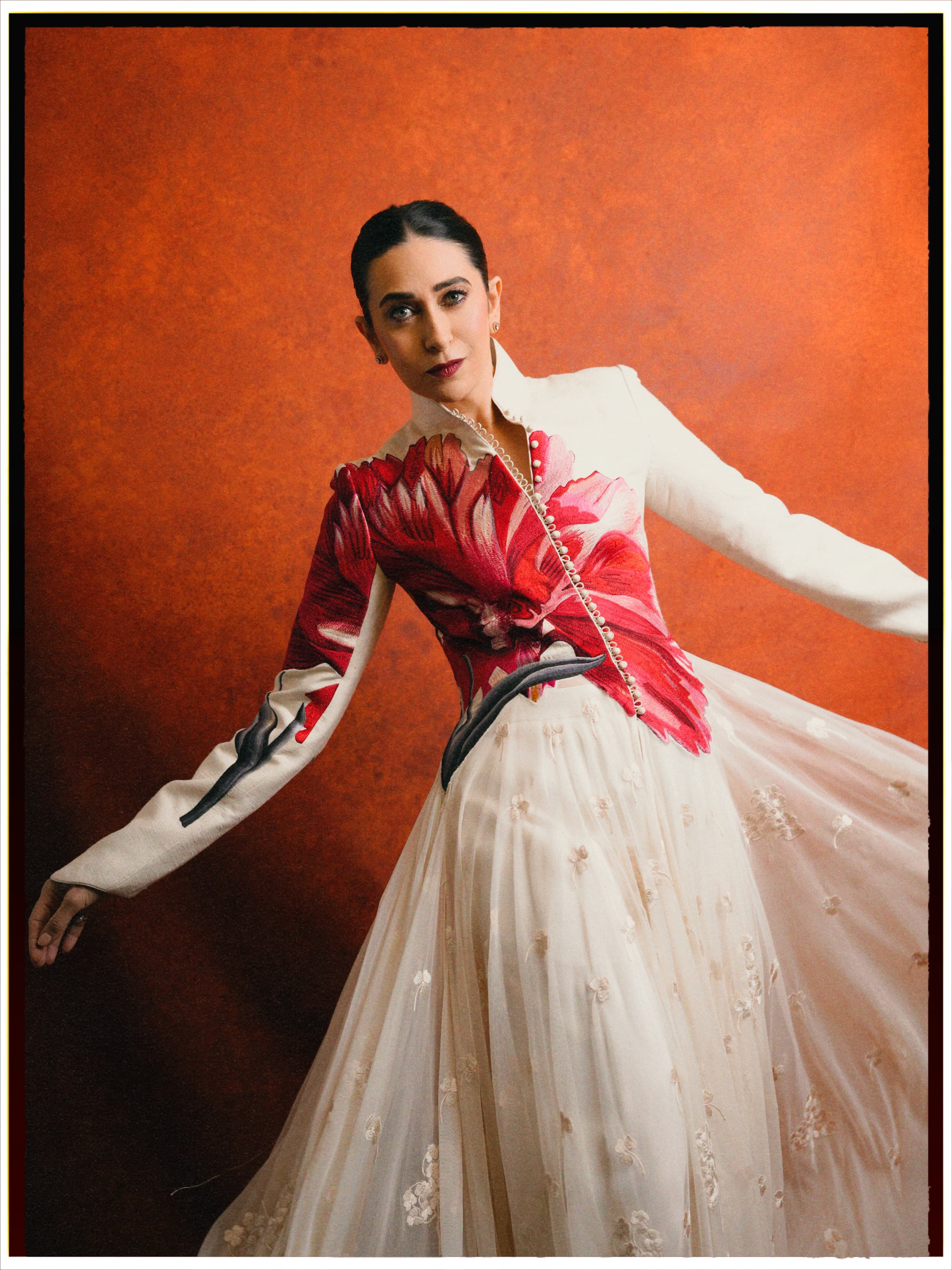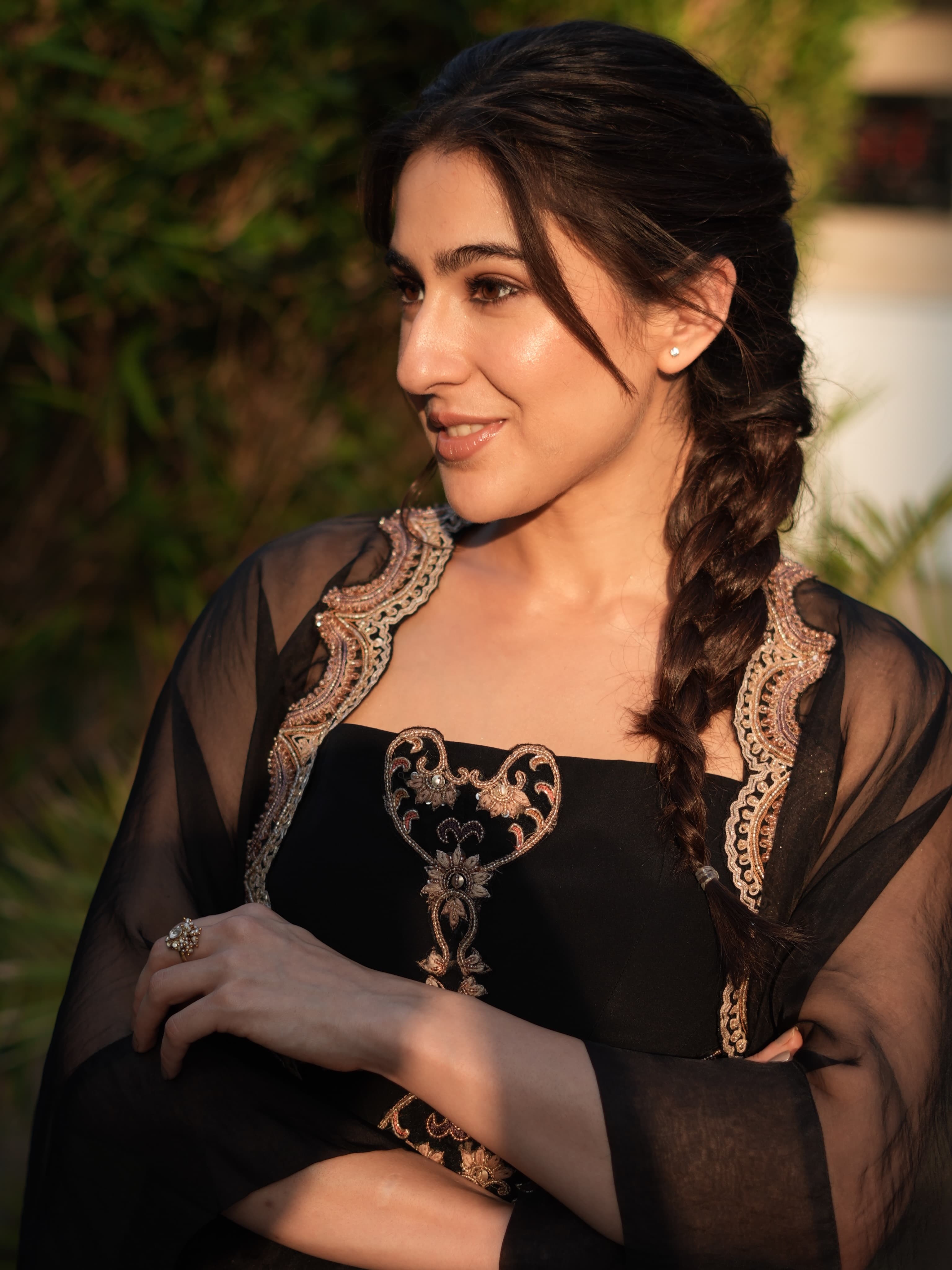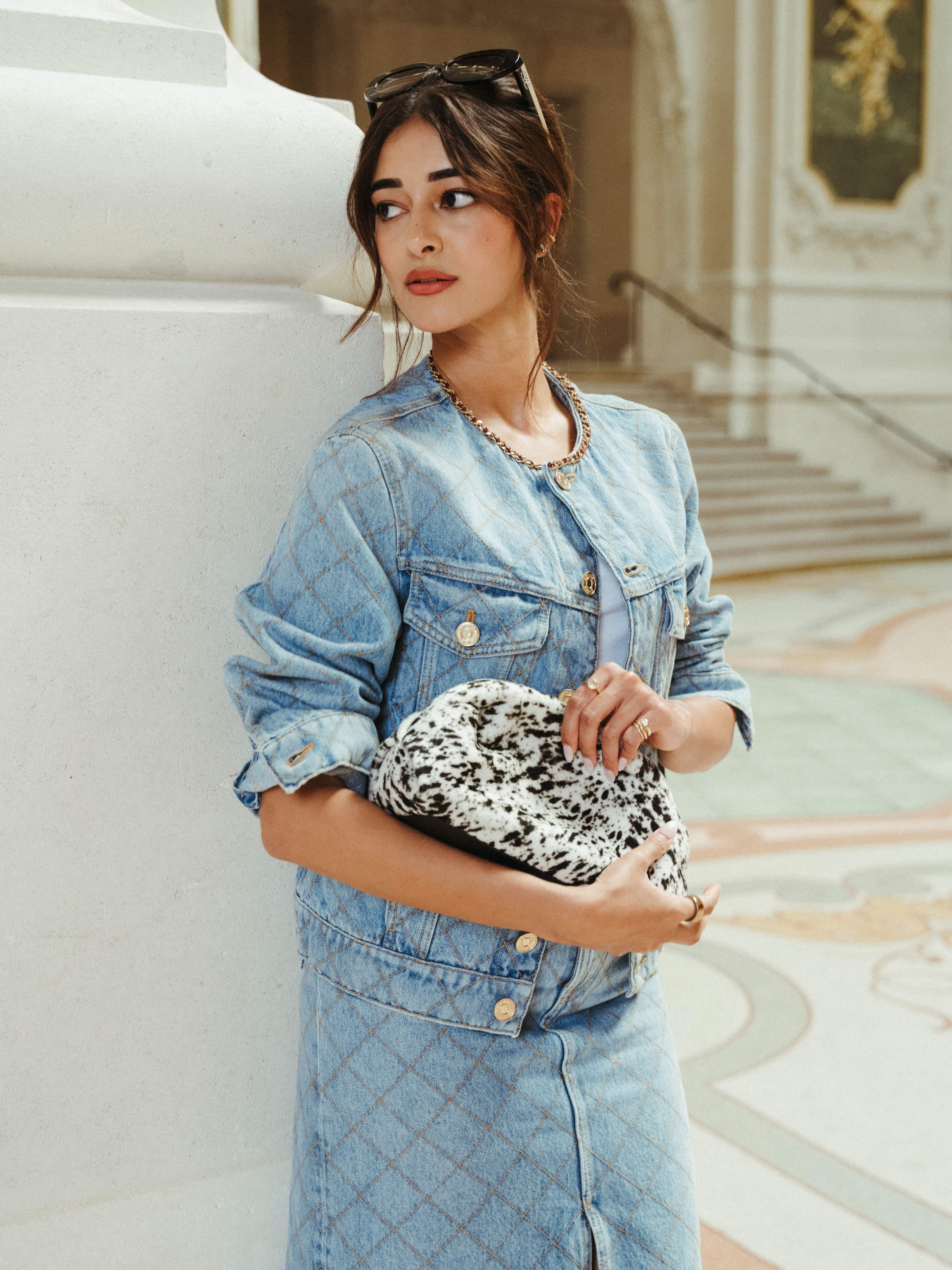
There is a particular spell that happens when Chanel fashion moves from runway lore to an actual body, caught mid gesture, mid laugh, mid lighting change. The caption that floated these images into the feed is breathless, hearts and sprites included, and it name checks two magnets: Chanel and Matthieu Blazy. One is a house with a century of codes. The other, a designer whose name currently carries its own electricity in fashion circles, even when he is only tagged, not explained.
Chanel fashion, photographed like a wish
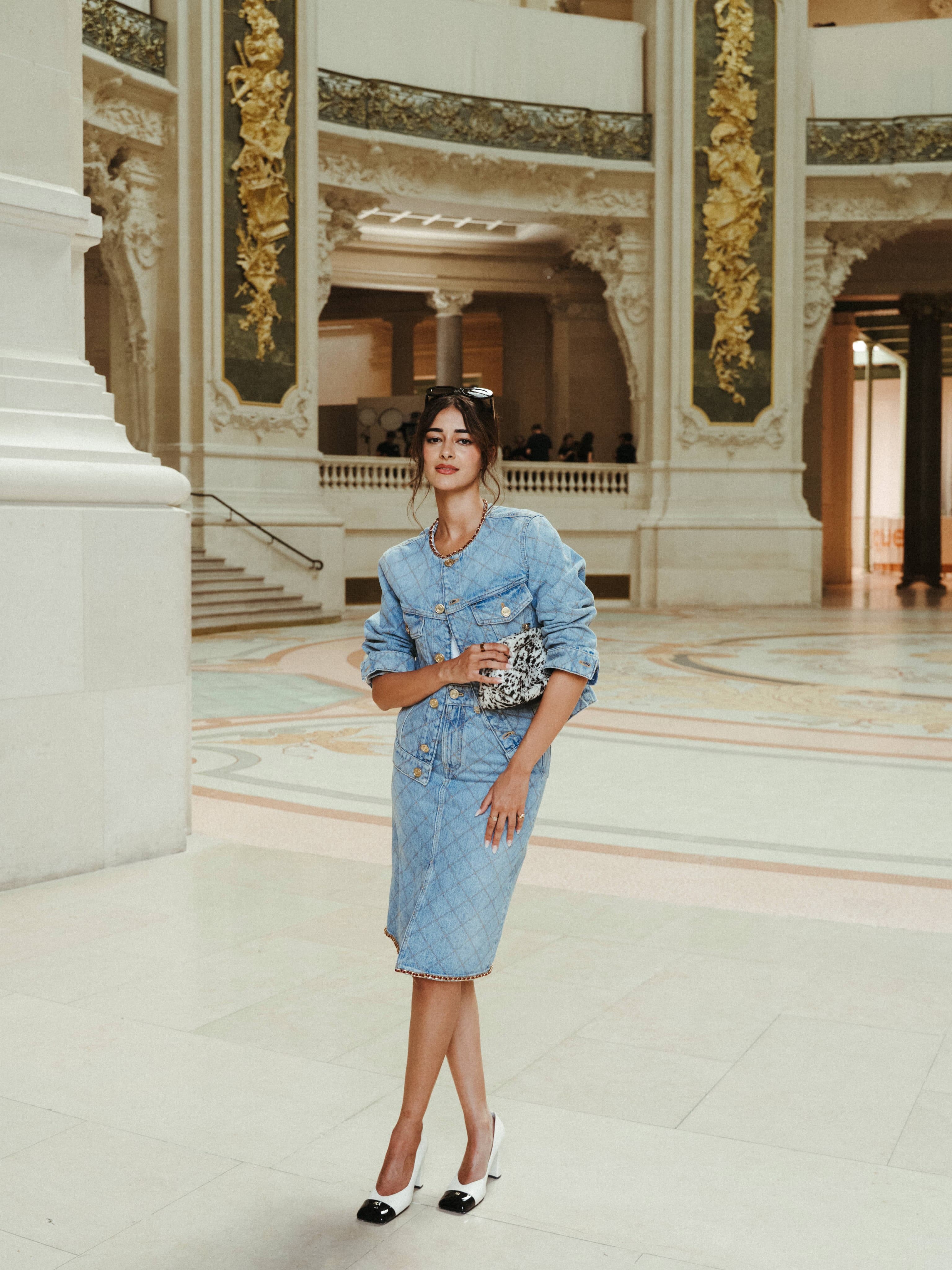
What makes these frames work is not the idea of fantasy, it is the evidence of styling: fabric that holds its line, embellishment that catches and throws back light, and that unmistakable Chanel habit of making a look feel engineered at the seams even when the mood is romantic. The “fairy tale” language in the post lands because the clothes are doing something specific on camera, with texture and shine doing most of the talking.
Why the Matthieu Blazy tag matters
The most intriguing clue here is the inclusion of Matthieu Blazy. Blazy is the Belgian designer best known, to the wider public, for his tenure as creative director at Bottega Veneta, where he built collections around trompe l’oeil craft and exacting leatherwork. When his name appears alongside Chanel in a social caption, the tag functions like a pin dropped on a map: it suggests proximity, influence, conversation, or simply the way fashion now narrates itself through networks as much as through press releases.
What we can verify from the source material is limited to the tag, not the nature of any collaboration. Chanel has not announced Blazy as part of an official project in connection with these images. So the most responsible read is also the most interesting: the post captures a moment in which fashion’s current “casting” is happening in public, through cultural adjacency, not formal credits.
“Ananya 🌙” and the new front row: captions as casting
The name “Ananya” in the caption feels like a signature, possibly the subject, possibly the poster, possibly both. Without a confirmed surname or an official event context, it is better to treat it as what it is on the page: a personal stamp. In 2026, that matters. Luxury imagery circulates less like a press packet and more like a chain of personal endorsements, where a single tag can do the work a full paragraph used to do.
In that sense, the point is not whether this is tied to a specific show or a product drop. The point is how Chanel fashion is being framed, again and again, as something that can hold fantasy without dissolving into costume. These pictures, and the caption that accompanies them, are an example of how the house’s codes survive the platform: they compress well.
Where to verify the house codes for yourself
If you want the cleanest, source of record view of what Chanel is presenting, start with the brand’s own site, which is where collections, campaigns, and category storytelling are archived and updated: Chanel.com.
For the designer tag that sparked the most curiosity, Blazy’s official Instagram is the most direct public reference point attached to the name used in the caption: @matthieu_blazy.
Seen together, the images and the caption suggest a micro trend worth watching: fashion fairytale language returning, not as a marketing slogan, but as a user written reaction when the clothes give the camera something tangible to hold on to. And Chanel, for all its scale, still knows how to do that.
Photo Credits
Cover image and additional images: images courtesy of their respective owners.