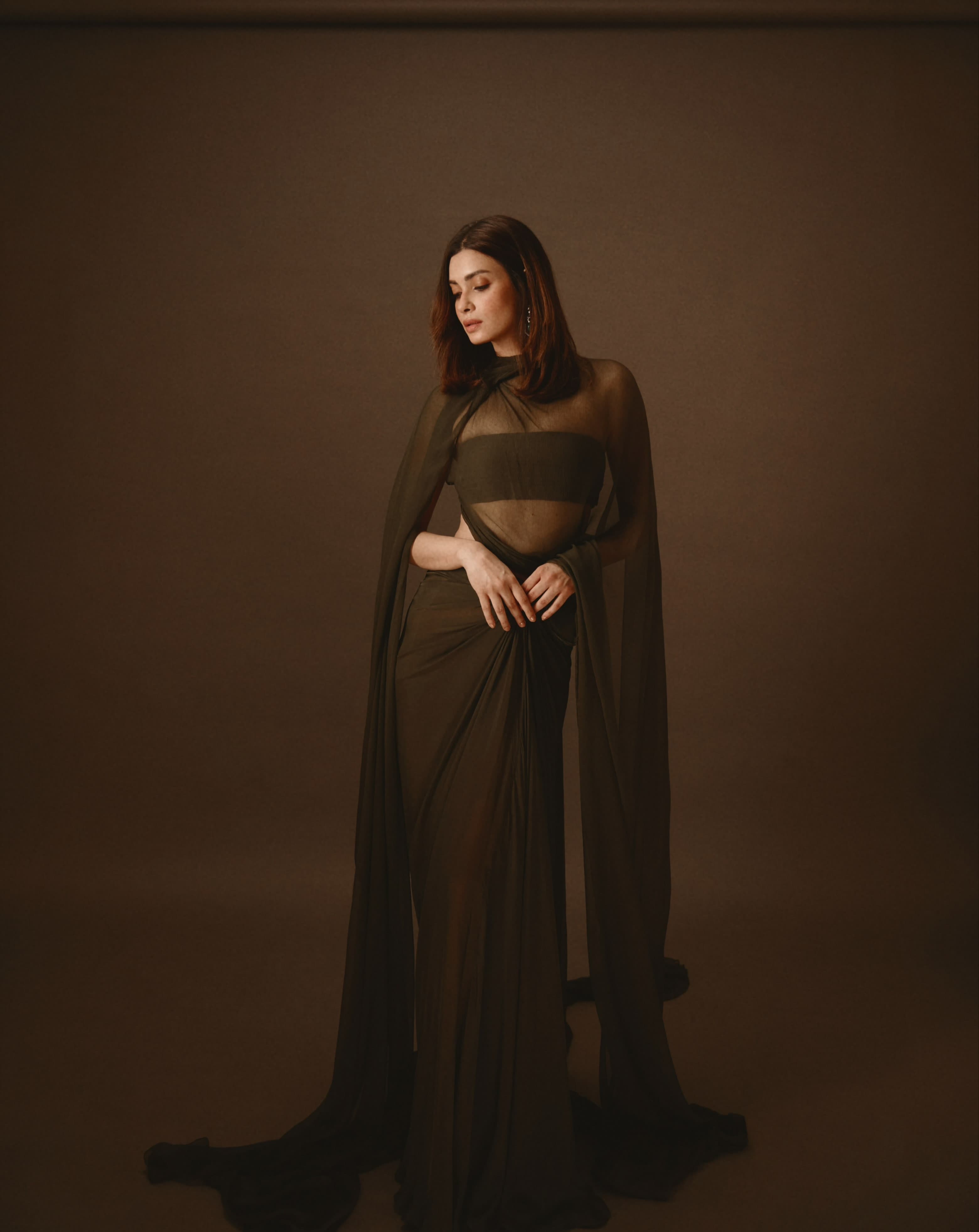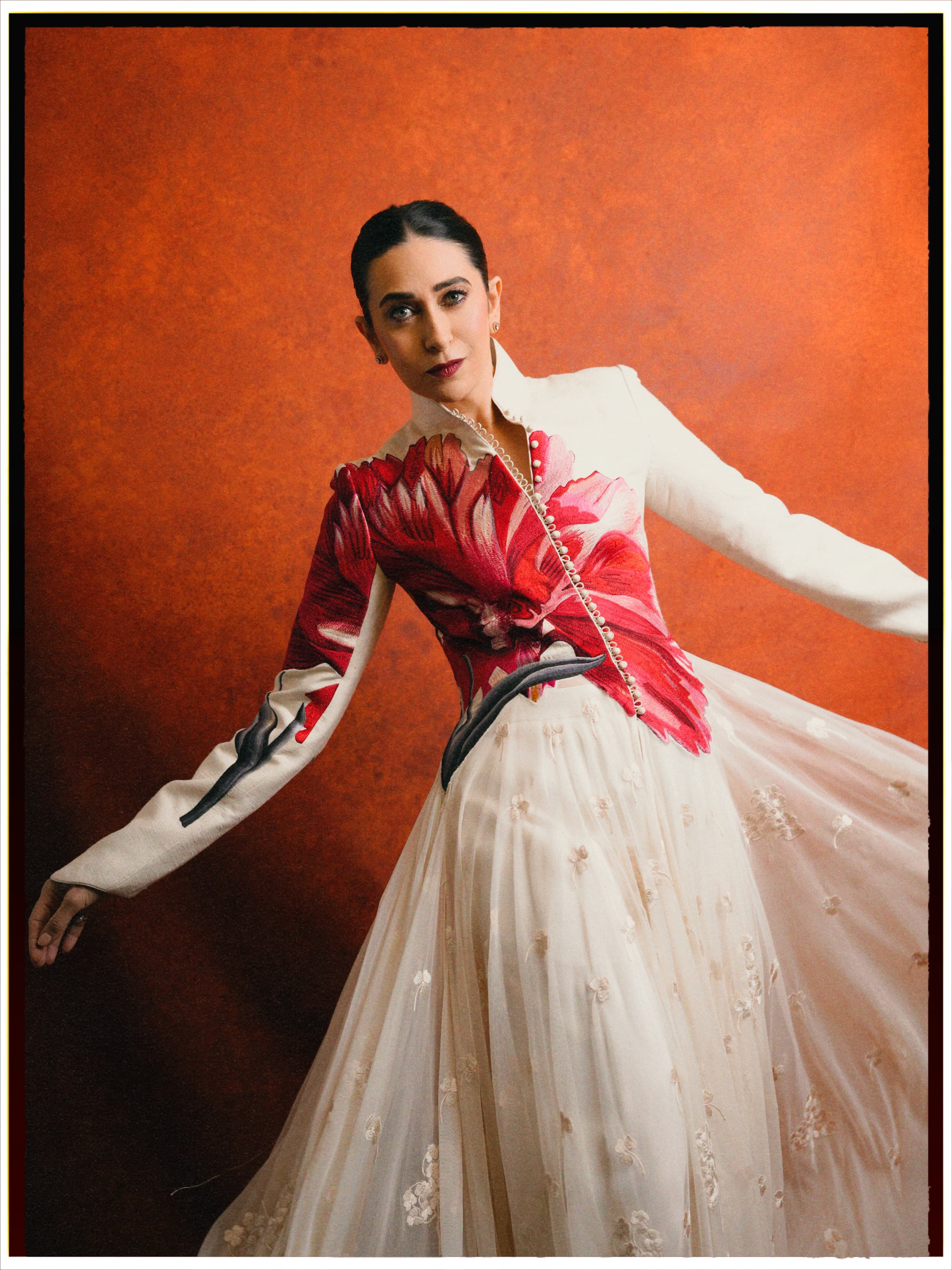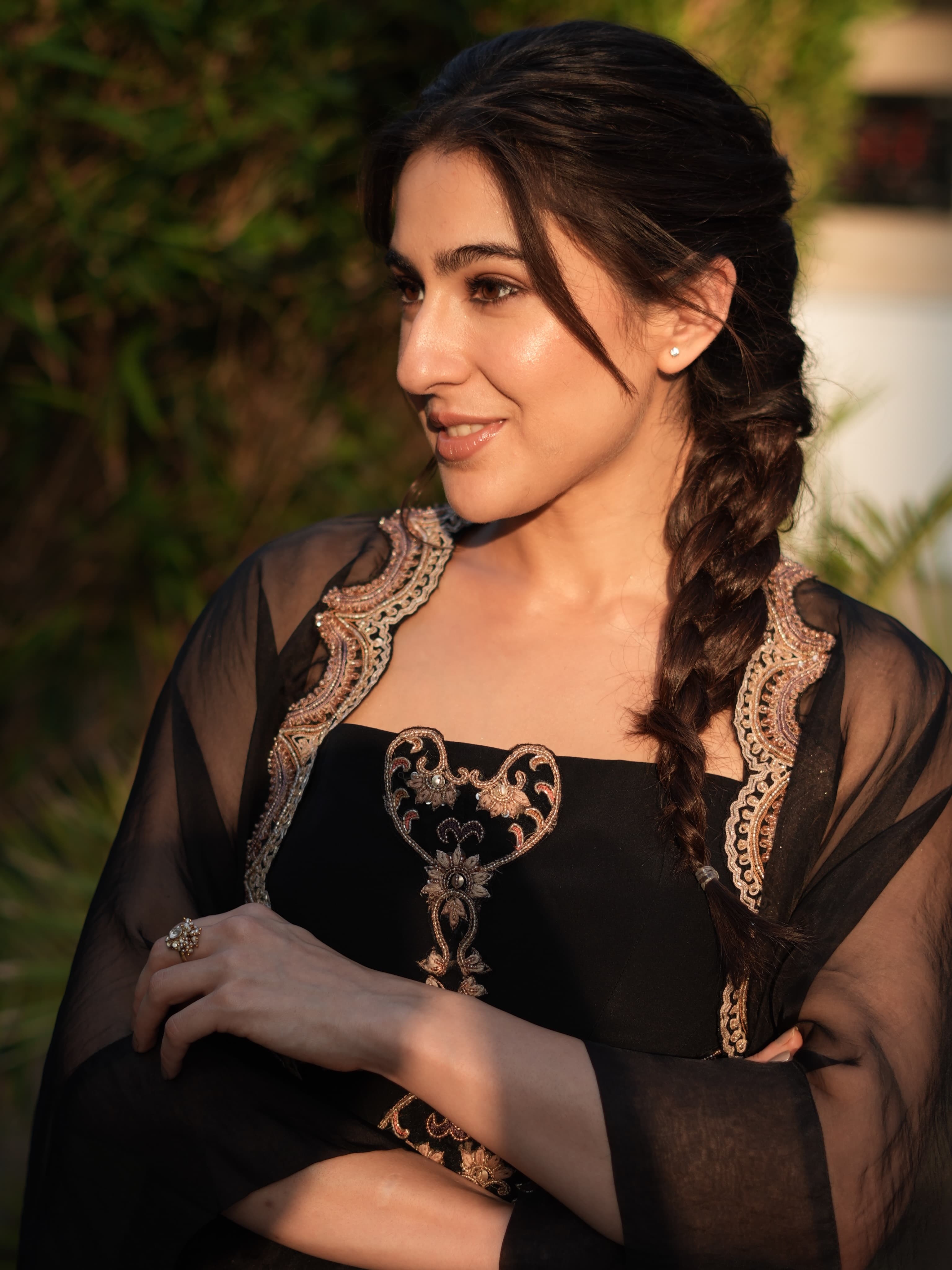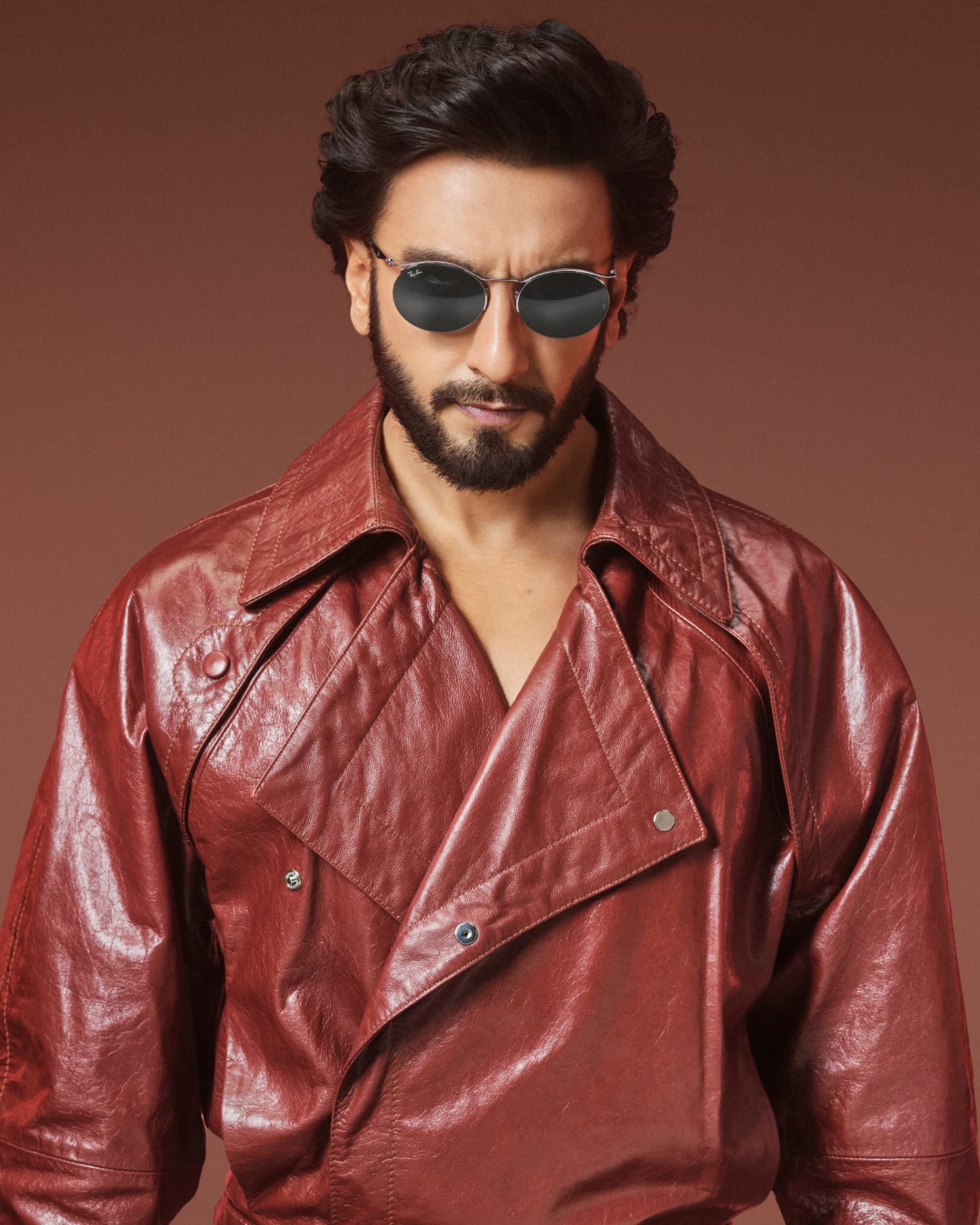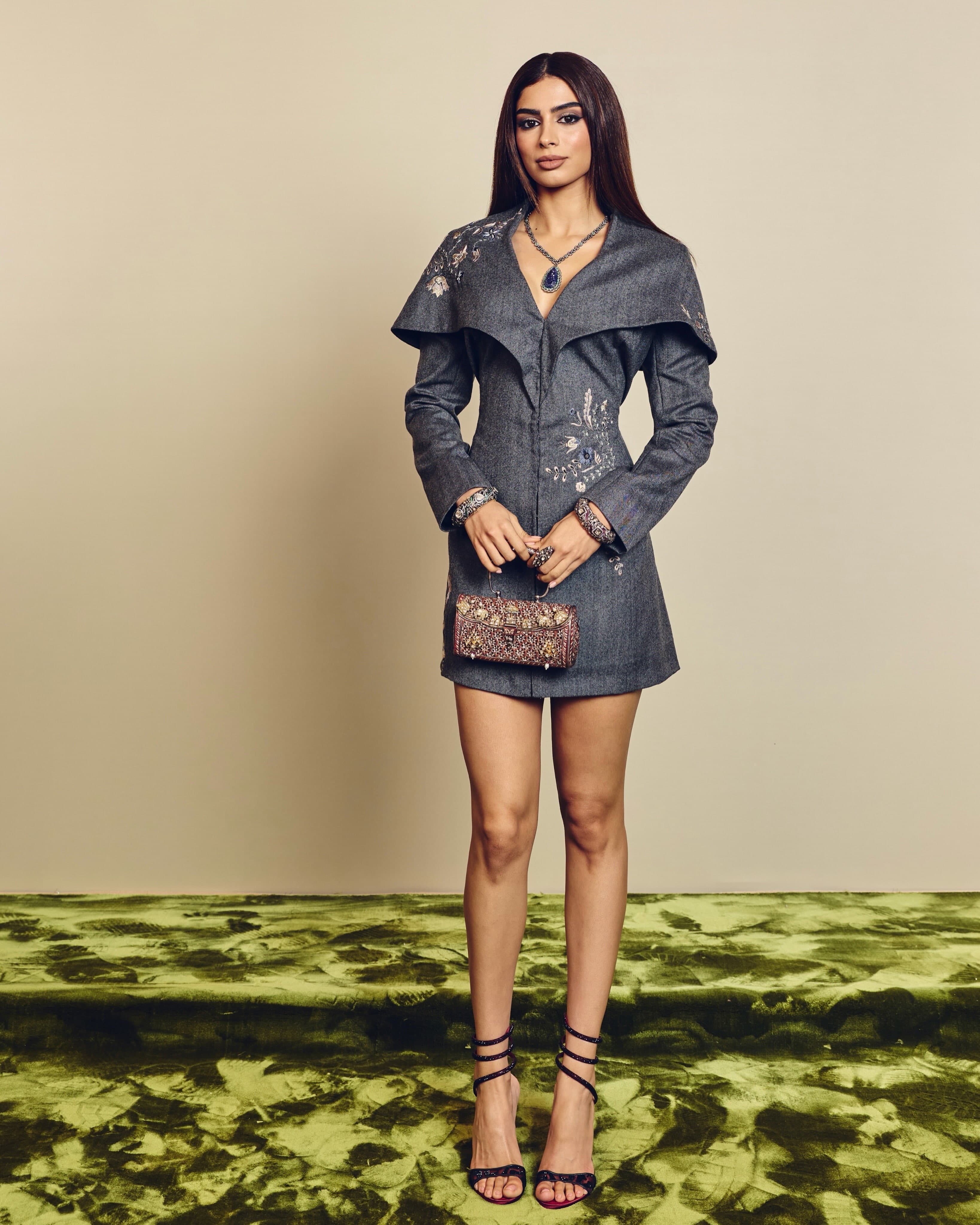
There is a particular thrill when Khushi Kapoor in Amrapali Jewels collides with a heel that looks engineered for the red carpet and a little trouble. In a recent styled moment credited to stylist Shubh Kumar, Kapoor leans into that tension, ornamented by Amrapali Jewels and finished with footwear from Rene Caovilla. The caption calls it “royalty with a side of cool”, but the more interesting story is how Indian heritage jewellery and an Italian party shoe negotiate attention without cancelling each other out.
Khushi Kapoor in Amrapali Jewels: when heirloom codes meet a new camera language
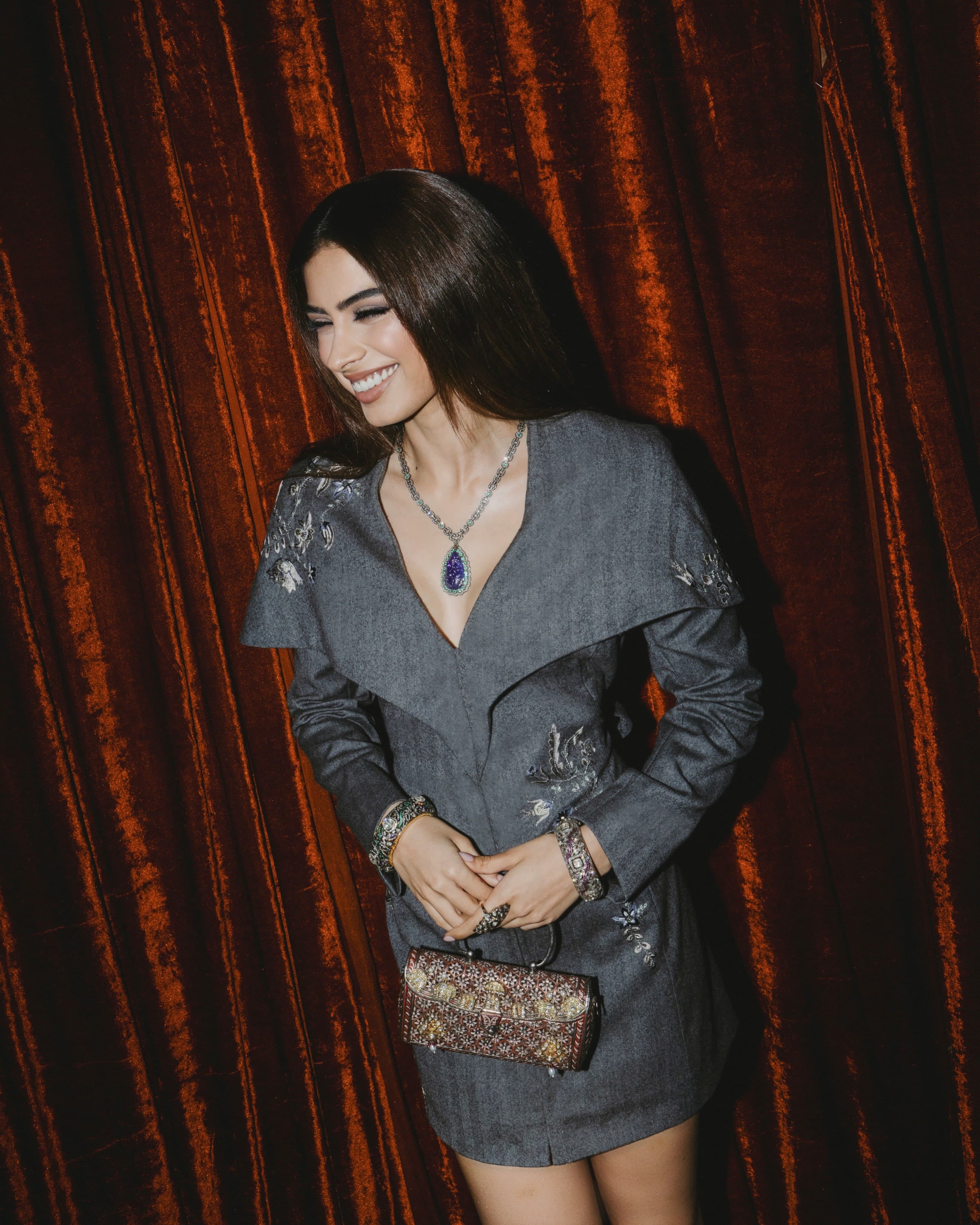
Amrapali is not a brand that trades in vague references. The house was founded in Jaipur in 1978 by Rajiv Arora and Rajesh Ajmera, and it has built its reputation on a deep relationship with Indian jewellery tradition, from museum grade historic inspiration to modern high jewellery statements. That history matters here because Kapoor’s look is not “dressed up” as much as it is actively composed around the jewellery’s presence.
What makes Khushi Kapoor in Amrapali jewelry compelling in this set is the clear intention to let the pieces read crisply on camera, with styling that keeps the frame focused. Whether you see it on a phone screen or a larger editorial crop, the effect hinges on proportion and placement, not noise.
For brand context, Amrapali’s own history is publicly documented, including its Jaipur roots and founding date, on the company’s official site: Amrapali Jewels, About Us.
The Rene Caovilla factor: an Italian signature that changes the temperature
There is a reason fashion people reach for Rene Caovilla when they want a shoe to do more than complete an outfit. The label, founded in 1934, has become synonymous with evening footwear that treats embellishment as architecture. Set against Indian jewellery, that DNA creates a useful friction: the shoe does not “match” the jewellery, it argues with it, and the look benefits from the conversation.
If you zoom out, this pairing also hints at a wider truth about contemporary celebrity dressing in India. The point is no longer to signal a single reference, it is to stack legible codes, heritage craft, European evening, modern beauty, and let the styling act as the editor.
Rene Caovilla’s founding year and brand positioning are stated on the house’s official About page: Rene Caovilla, About.
The team behind the frame
These images are also a reminder that a “look” is rarely one decision. The caption credits key collaborators: makeupbyrevaa, gourabganguli, kevaloza, and malvikapanjabi, with styling by Shubh Kumar. In an era when jewellery and shoes can dominate a scroll, it is the back end craft, makeup balance, hair polish, and the exact choice of what not to add, that keeps the final picture from tipping into costume.
Why this pairing works right now
On paper, “royalty” styling can flatten quickly into predictable choices. What saves Khushi Kapoor in Amrapali Jewels here is that the jewellery is treated as the main character and the shoe as the plot twist. The result is modern celebrity dressing that understands the current appetite for pieces with lineage, worn with enough nerve to avoid museum formality.
If you have been watching the way Indian stars are mixing heritage brands with aggressively glamorous European accessories, this is a neat, persuasive case study, and a useful reference point for anyone planning a wedding season wardrobe that wants to hold attention in photographs, not only in person.
Elsewhere on BEST, you might also like our edit of celebrity style and the way we track luxury accessories when they move from label name to actual point of view.
Photo Credits
Cover image courtesy of S H U B H l K U M A R. Additional images courtesy of their respective owners.