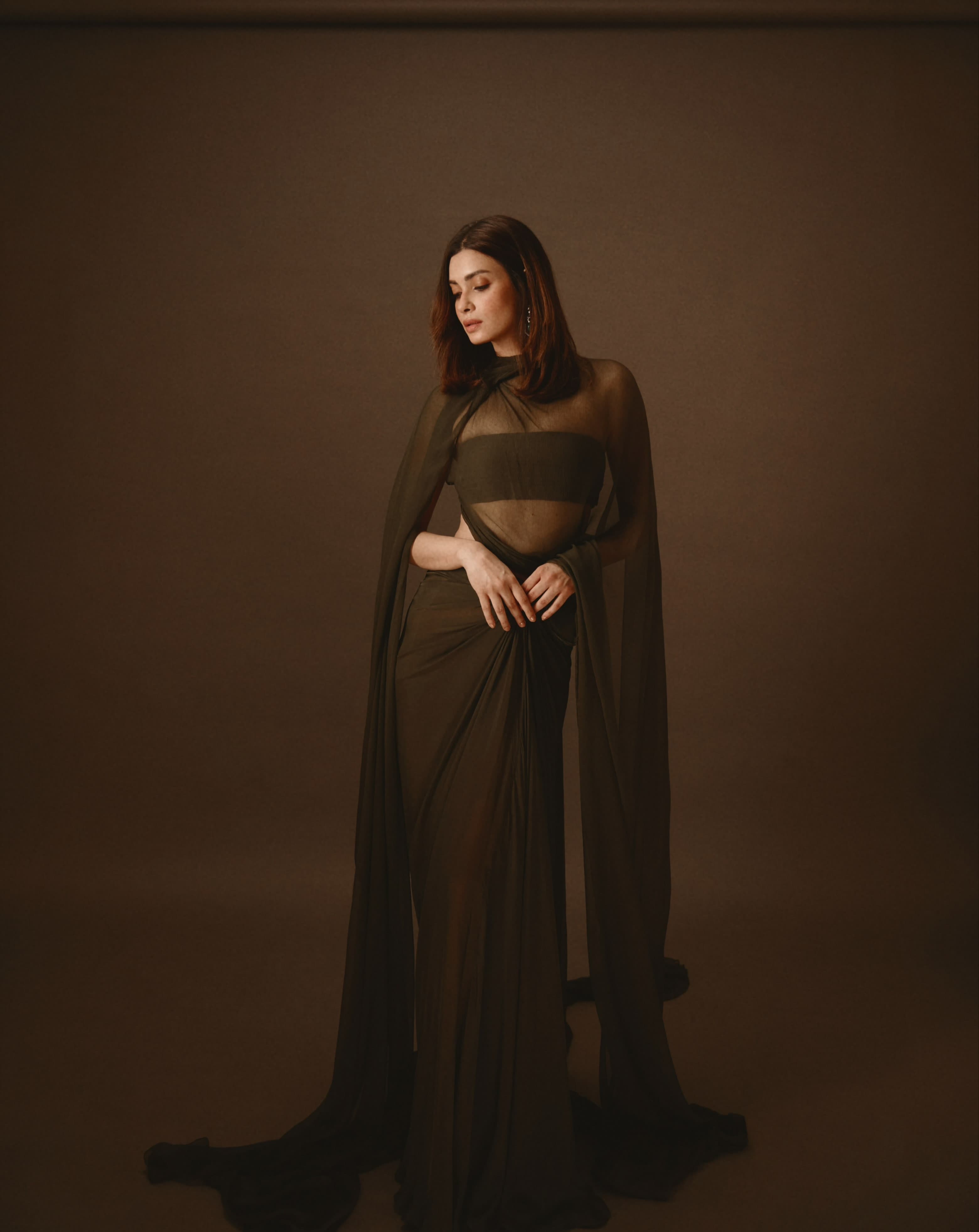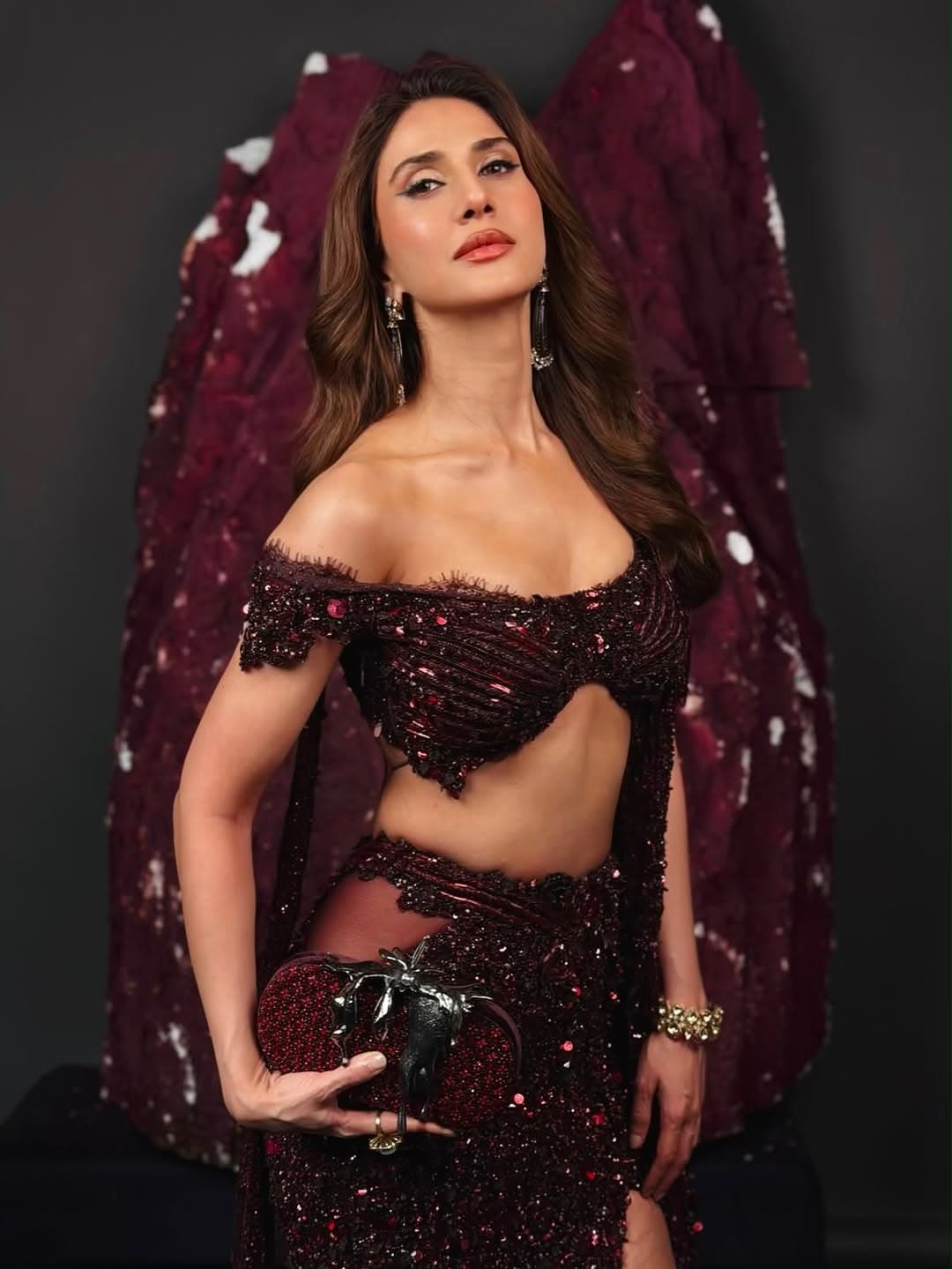
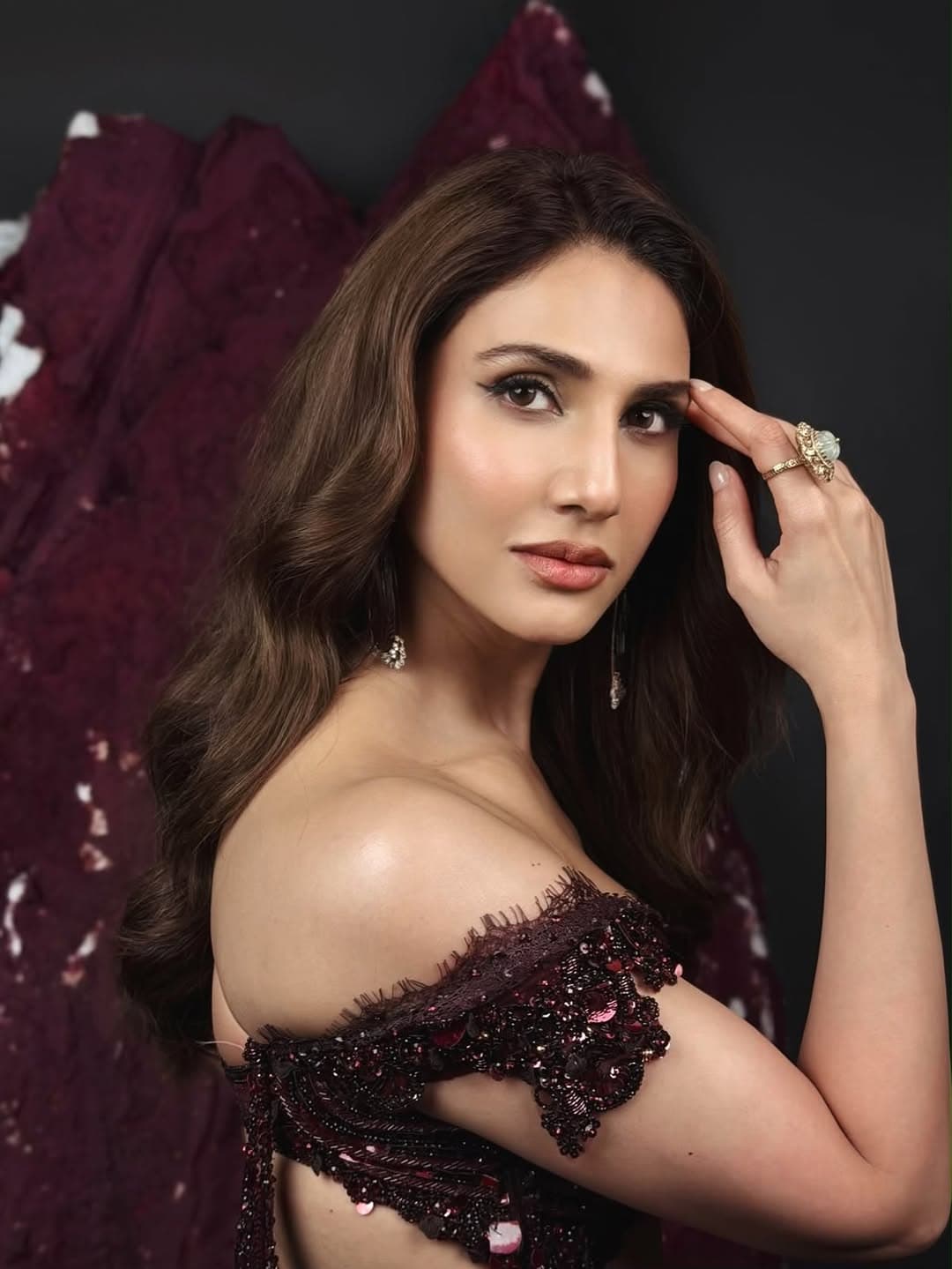
A saree can be an heirloom, a uniform, a provocation. At Hyundai India Couture Week, it became something else again: a sculpted drape worn like an idea in motion. Actor Vaani Kapoor stepped out in the Kairavi Draped Saree by Dolly J Studio, from the label’s BRĀHM Couture 2026 offering, with jewellery by Rihaan Jewels and a matching Dolly J Studio clutch. The look is rooted in a specific flower, the Brahma Kamal, and in the wider question Indian couture keeps asking right now, how far can you push tradition before it becomes a new classic.
BRĀHM Couture 2026 at Hyundai India Couture Week
The show credit matters here, because it places the collection within a formal calendar. India Couture Week is staged by the Fashion Design Council of India as an FDCI initiative, and this 2026 presentation was announced in association with Nexxus New York. In other words, BRĀHM arrives on a runway designed to legitimize craft as spectacle, and to funnel it into red carpet and bridal wardrobes with international polish.
For Dolly J Studio, that context is a useful frame. The brand has built its reputation on couture that photographs with clarity, drapes that maintain line, a surface rich with handwork that still reads from the back row. On the I.C.W. runway, that legibility becomes the point.
FDCI lists India Couture Week as part of its official programming, and the council’s involvement is what turns an individual designer moment into a season marker.
The Kairavi Draped Saree, explained through its silhouette
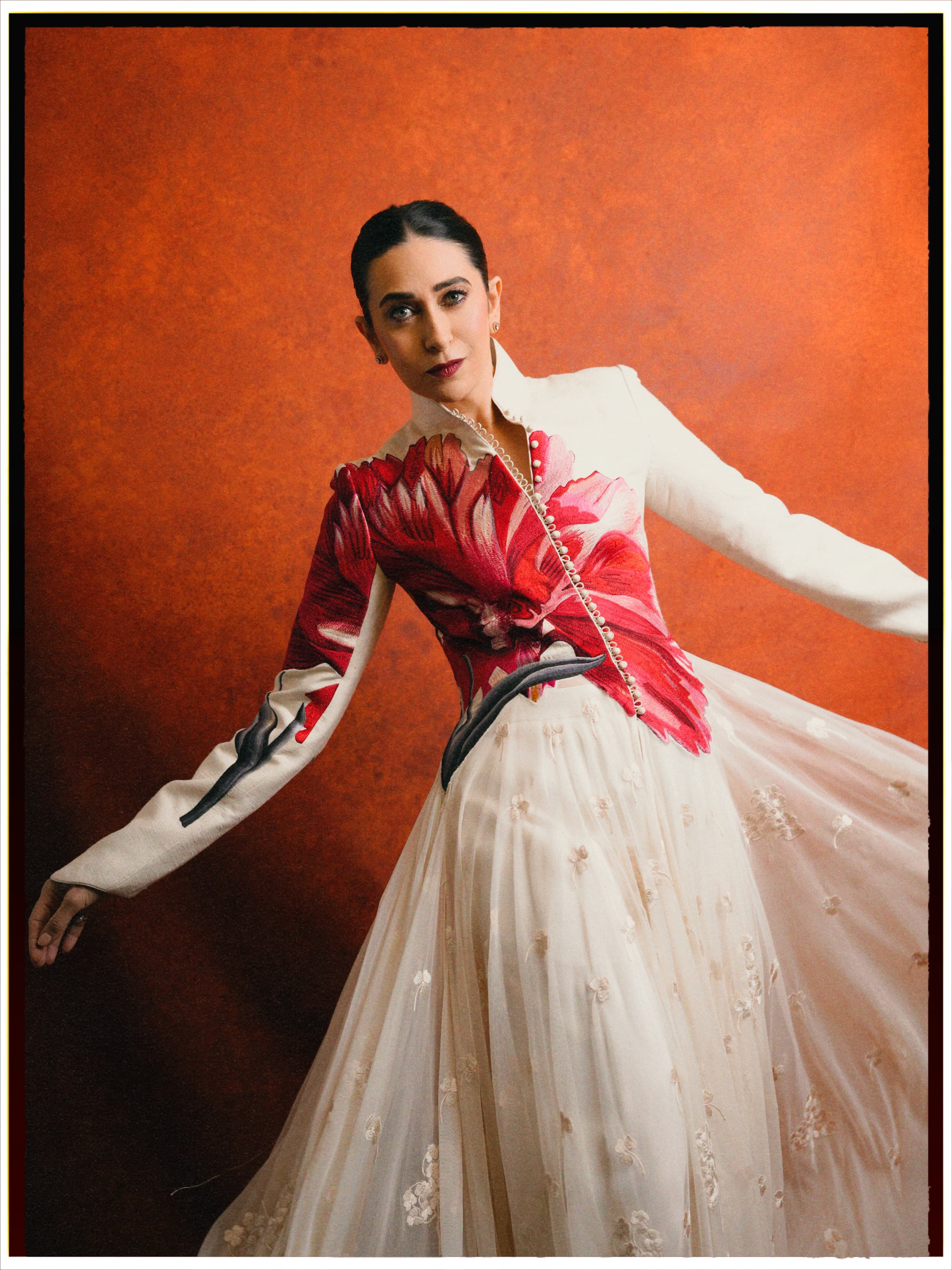
The Kairavi Draped Saree is the kind of garment that tells you what it is doing from the first glance. The drape is controlled, designed to hold a sculptural outline rather than dissolve into softness. With Vaani Kapoor wearing it, the effect is editorial rather than ceremonial: a saree that behaves like couture tailoring, where the “fall” is engineered, not left to chance.
That engineering is where the caption’s most telling language sits, “modern drape” and “intricate handwork” are not marketing filler in this context. They are a technical promise. In a week full of embroidery you can drown in, the distinction is how the handwork supports shape rather than merely decorating it.
Brahma Kamal as a design cue
BRĀHM is described as being inspired by the Brahma Kamal, a flower often invoked in Indian cultural storytelling as a symbol of transformation. Whether you take that reference mythically or botanically, it gives the collection a clean narrative spine: becoming rather than arriving. In fashion terms, that becomes a useful permission slip to reimagine tradition through construction. Not loosening it, not parodying it, but recutting it.
Styling that stays within the same vocabulary
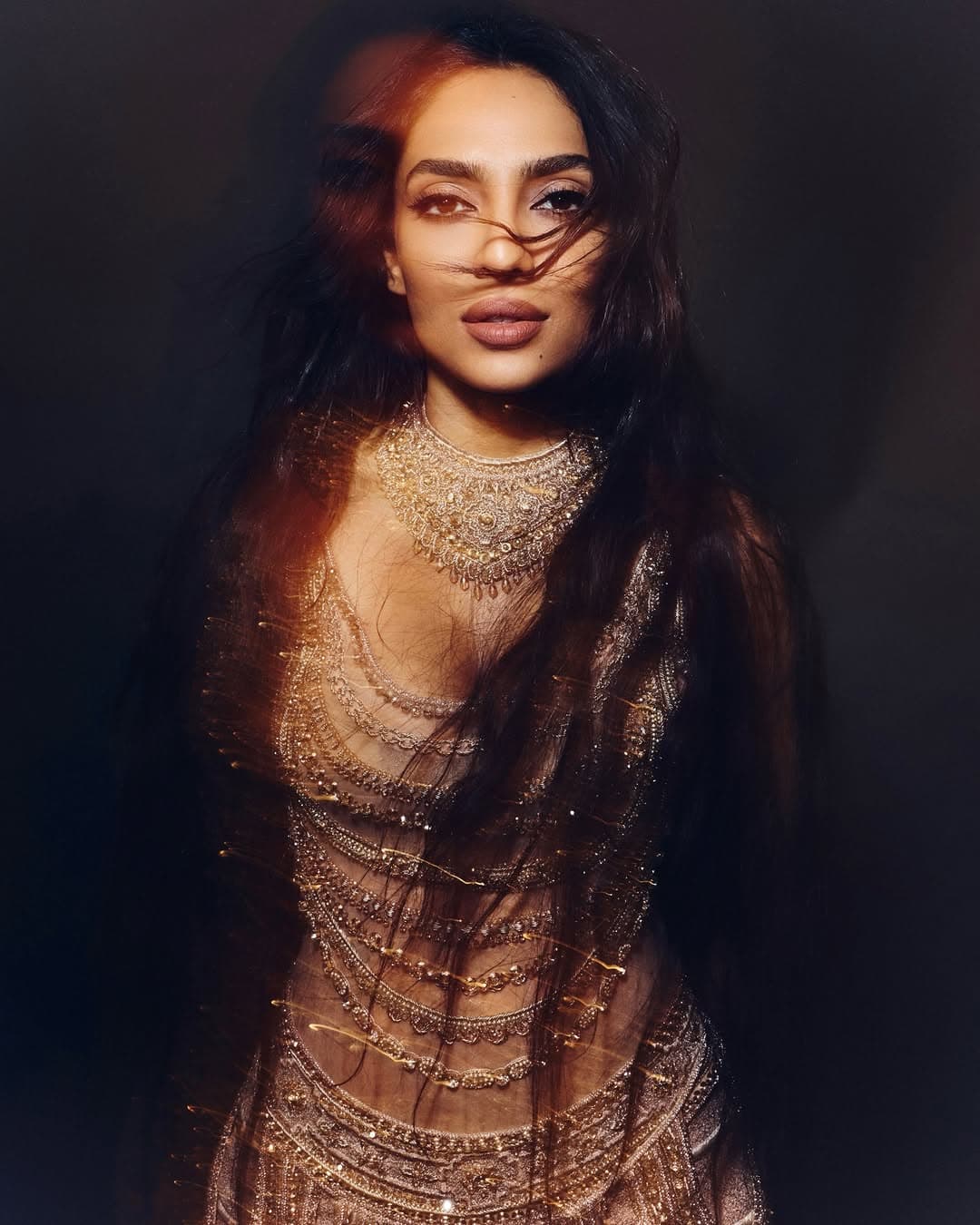
The supporting credits are tightly edited. Rihaan Jewels brings the finishing light at the neck and wrist, while the Dolly J Studio clutch keeps the look inside one design universe. It is a reminder that couture dressing is rarely a single hero piece. It is a set of decisions, each one either reinforcing or interrupting the silhouette’s logic.
For readers tracking how Indian couture is shifting, this is a useful case study. The BRĀHM Couture 2026 look is not trying to win with novelty. It is trying to win with line, with drape that holds, with handwork that earns its place by shaping the garment’s architecture.
Hyundai India Couture Week remains the stage where these bets get tested in public, and where a designer’s private atelier language is translated into a moment that can travel beyond the runway.
Dolly J Studio shared the BRĀHM Couture 2026 context around the look through its social channels, reinforcing the collection and piece name used here.
Photo Credits
Images courtesy of their respective owners.