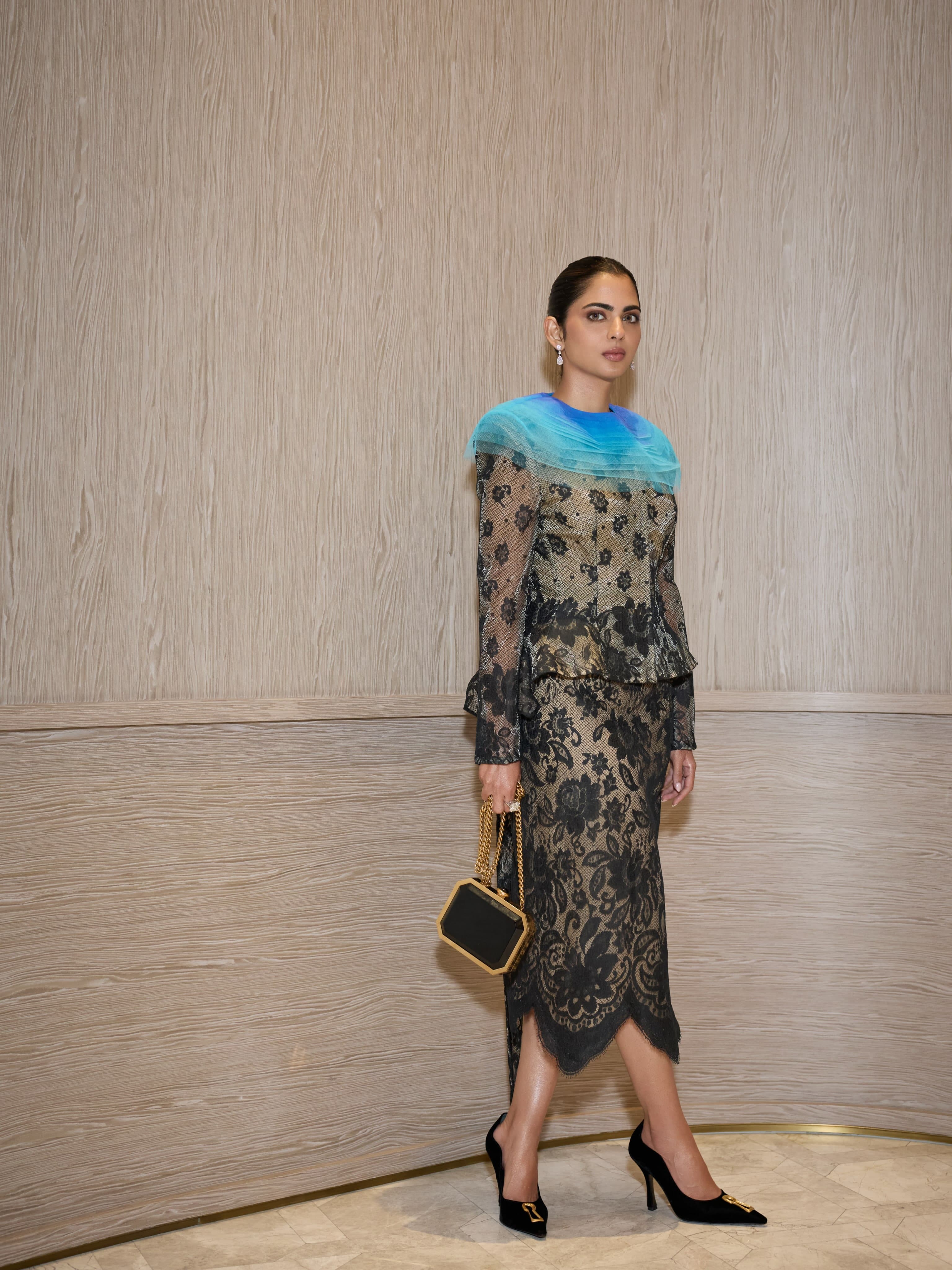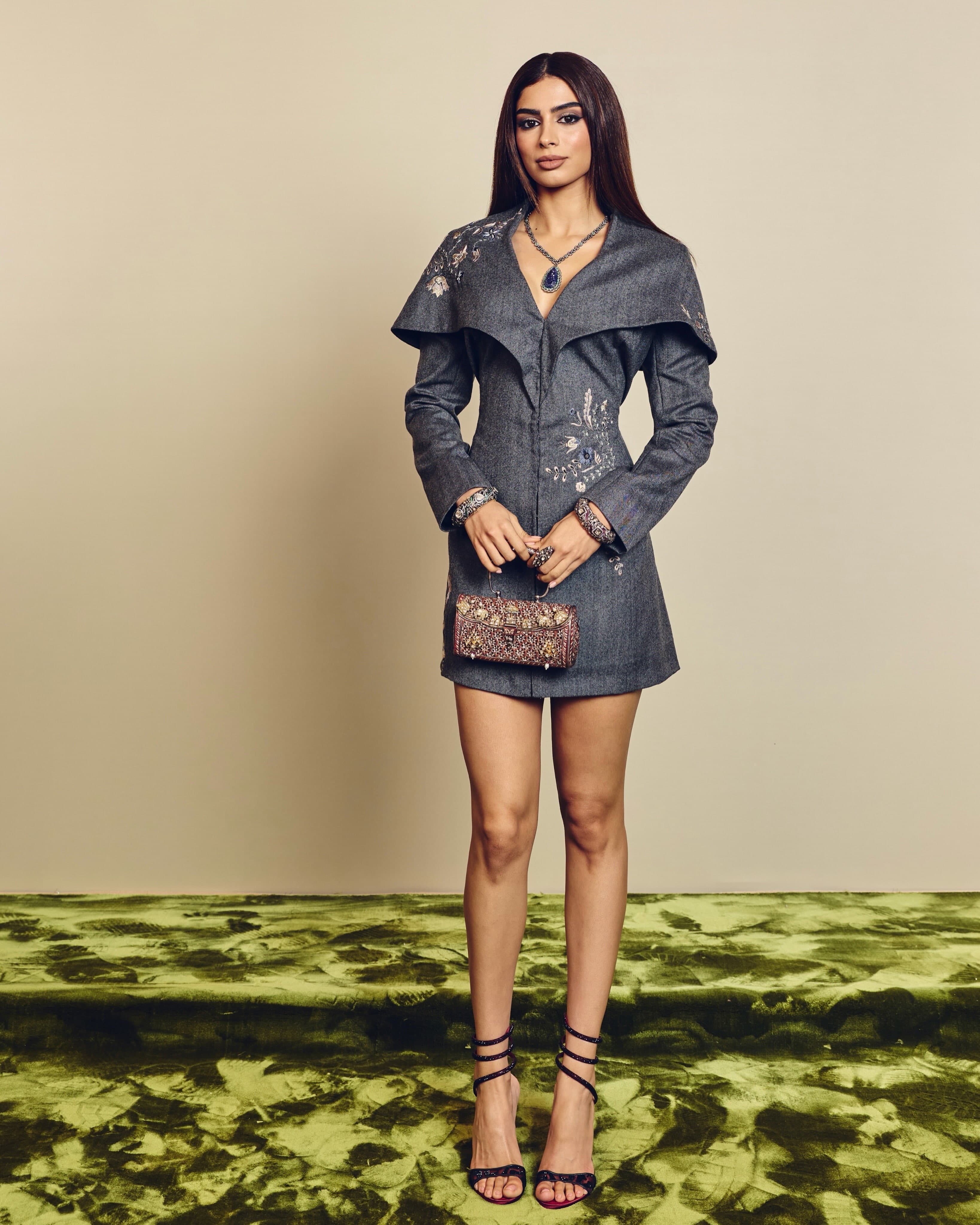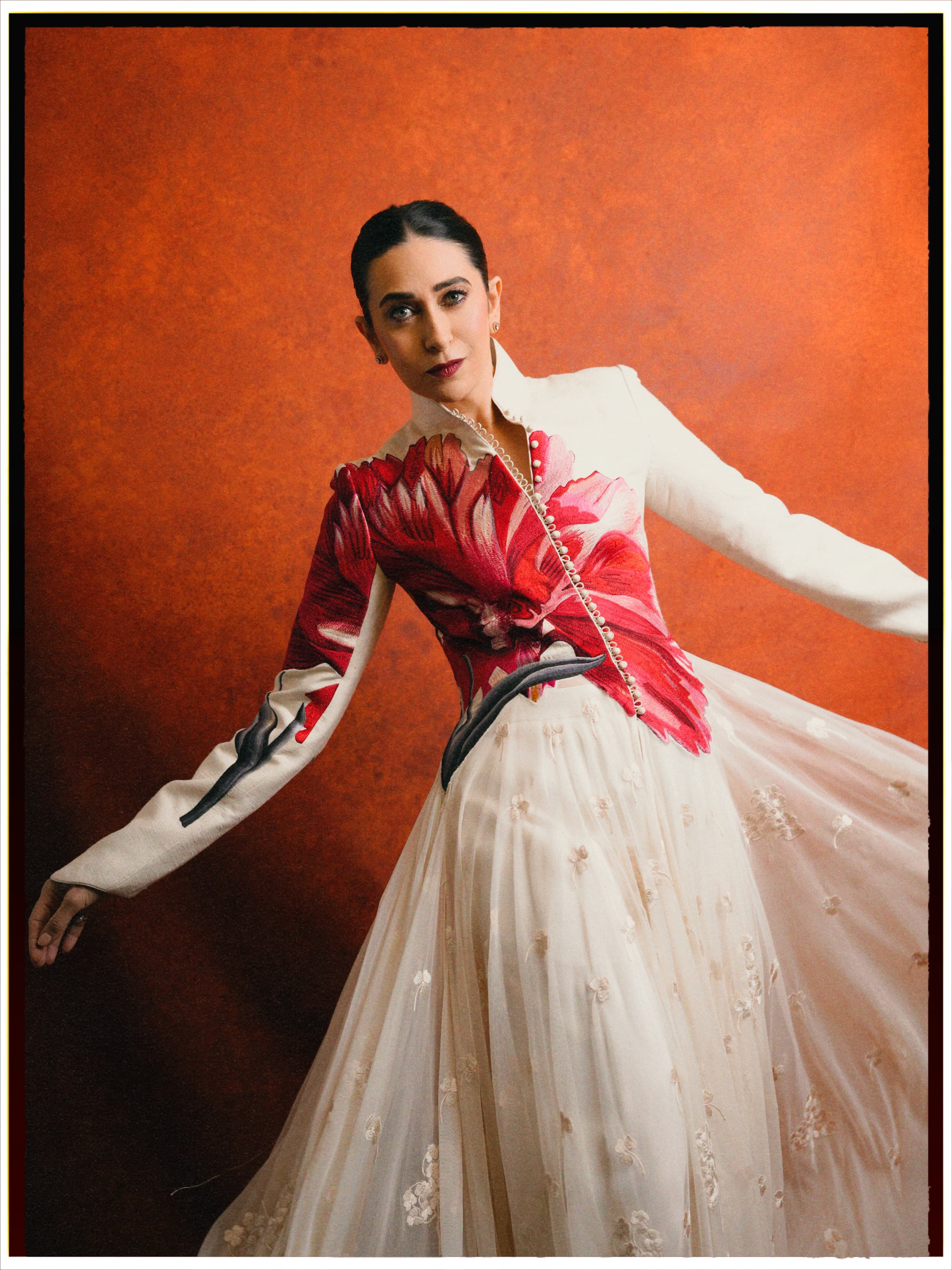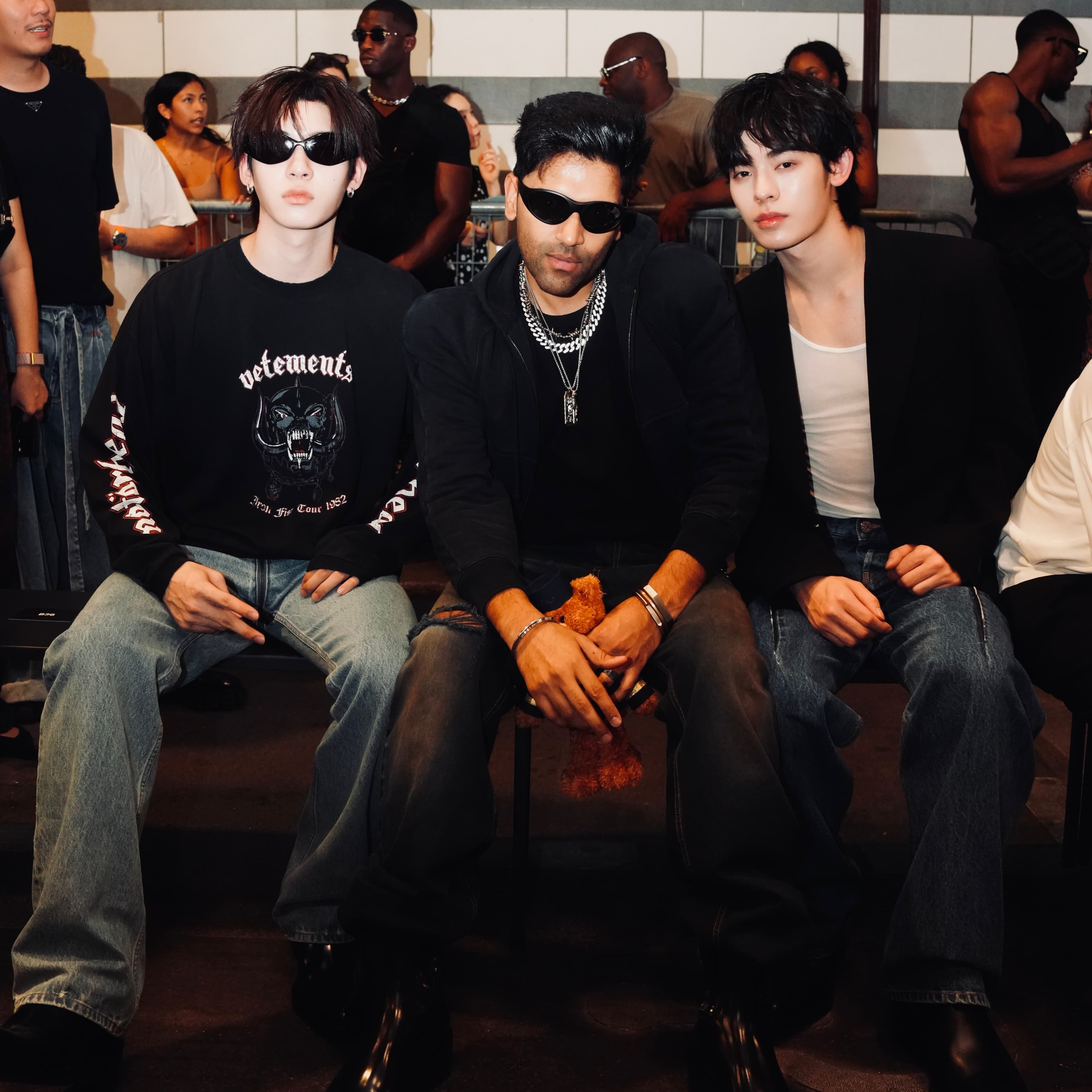
Paris has a way of turning celebrity into a moving target, one minute a hotel lobby, the next a curb outside a show where the cameras arrive before the cars do. In a recent Instagram-style caption, Punjabi pop star Guru Randhawa summed up his trip with a simple thank you to the city and a pointed tag: Paris Fashion Week. The words are spare, but the setting is anything but. For artists who tour globally, Paris Fashion Week has become a parallel stage, a place where a personal diary shot can land in the same feed scroll as front row fashion editors and maison ambassadors.
Paris Fashion Week as a new kind of red carpet
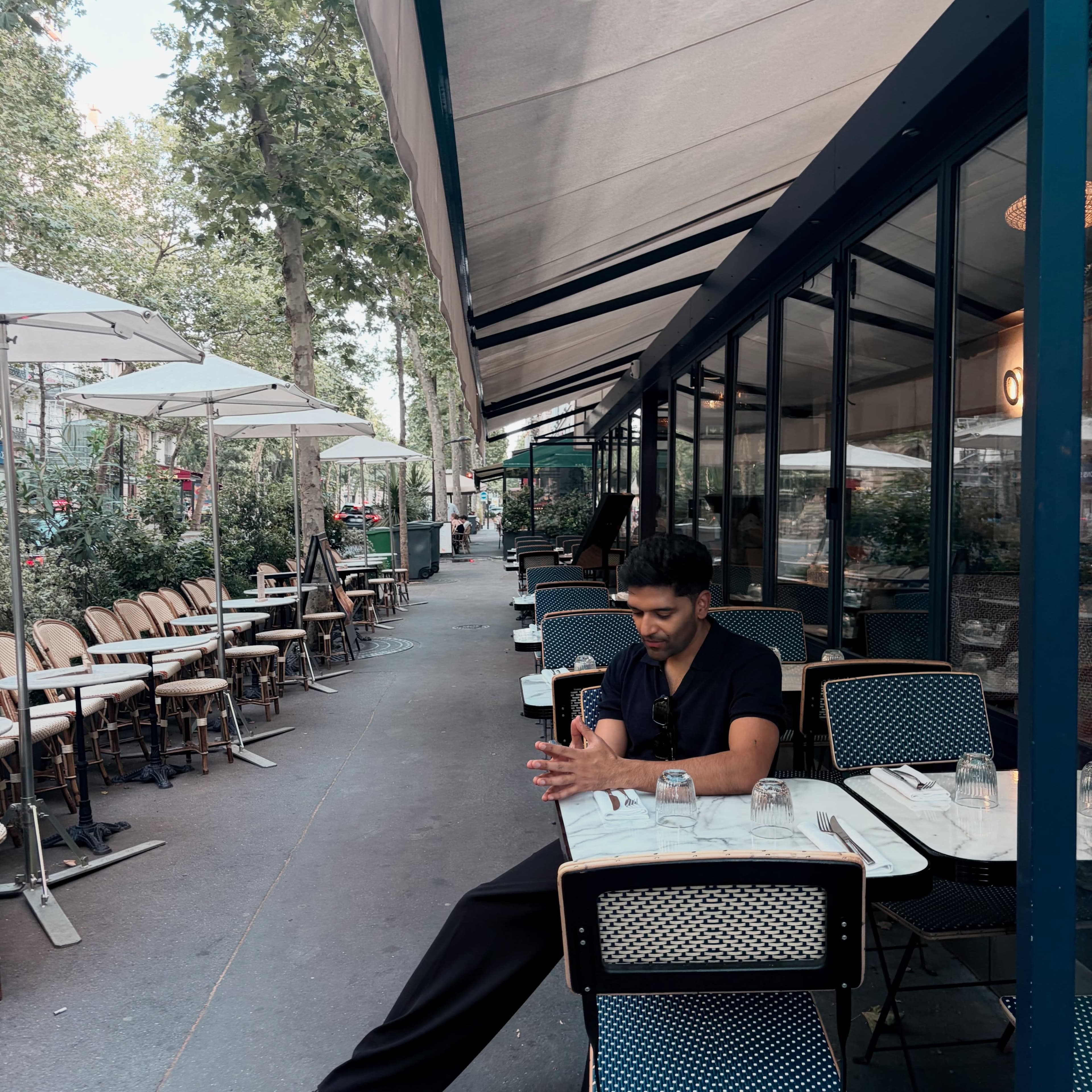
Part of what makes Paris Fashion Week so potent right now is its two-track reality. There is the official calendar, governed by the Fédération de la Haute Couture et de la Mode, and then there is the citywide theatre that happens around it: street style clusters, private dinners, showroom visits, and the inevitable sequence of mirror selfies that function as itinerary markers. Randhawa’s caption, “Paris, you’ve been kind,” sits squarely in that second track. It is a cultural tell. The artist is not announcing a runway collaboration or a campaign, he is claiming proximity to the moment, and his audience knows exactly what that implies.
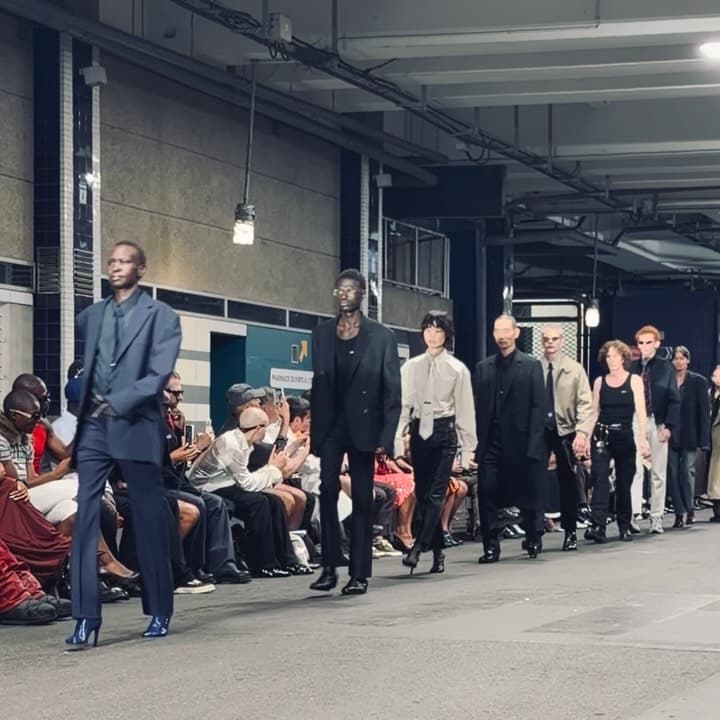
What’s checkable here is the framework. Paris Fashion Week is presented by the Fédération de la Haute Couture et de la Mode, which publishes the official calendars and governs the week’s institutional backbone. If you have ever wondered why Paris, more than any other fashion capital, produces a particular type of social media imagery, this is part of the answer: the week is both an industry schedule and a citywide spectacle that invites participation by design.
What Guru Randhawa signals by showing up in Paris
Randhawa is best known for Hindi and Punjabi chart fixtures, a sound built for big rooms and bigger hooks. Dropping “#ParisFashionWeek” into a lifestyle caption is less about announcing a wardrobe and more about placing himself inside an international circuit where music, fashion, and sponsorship sit close together at the same table. In 2024 and 2025, that circuit has only tightened, with artists routinely appearing at shows not as incidental guests but as talent with measurable reach across regions.
There is also a practical logic. Paris compresses access. A few days in the city can mean meeting stylists, brand teams, and photographers who would otherwise be scattered across time zones, plus the benefit of being photographed in an environment that already reads as “event.” For a star whose public image lives online as much as on stage, Paris Fashion Week offers an instant context frame, even when the caption refuses to overexplain.
A diary caption, a familiar Paris storyline
The caption’s tone is intentionally light, “Life lately..Paris, you’ve been kind,” and that matters. Fashion week travel posts can so easily tip into forced grandeur. Here, the restraint is in the edit, not the mood. A short line, a sparkle, two hashtags, and a name tag that doubles as a headline: Guru Randhawa. It’s a modern celebrity habit, letting the image set do the heavy lifting, while the text works as a pin on a map.
If you want to understand what fans read in these posts, look at the ingredients: Paris as location, fashion week as timestamp, and a performer whose brand is built on movement. Even without naming a specific show, hotel, or maison, the message is legible. It says: I’m in the stream, watching and being watched.
And perhaps that is the sharpest detail of all. In Paris during Paris Fashion Week, a single line can function as both gratitude and proof of attendance, a postcard written fast enough to keep pace with the city.
If you’re following the wider style narrative this season, you might also like our latest on celebrity style and the way culture now travels through fashion week front rows as much as through album drops.
Photo Credits
Cover image and additional images: Images courtesy of their respective owners.