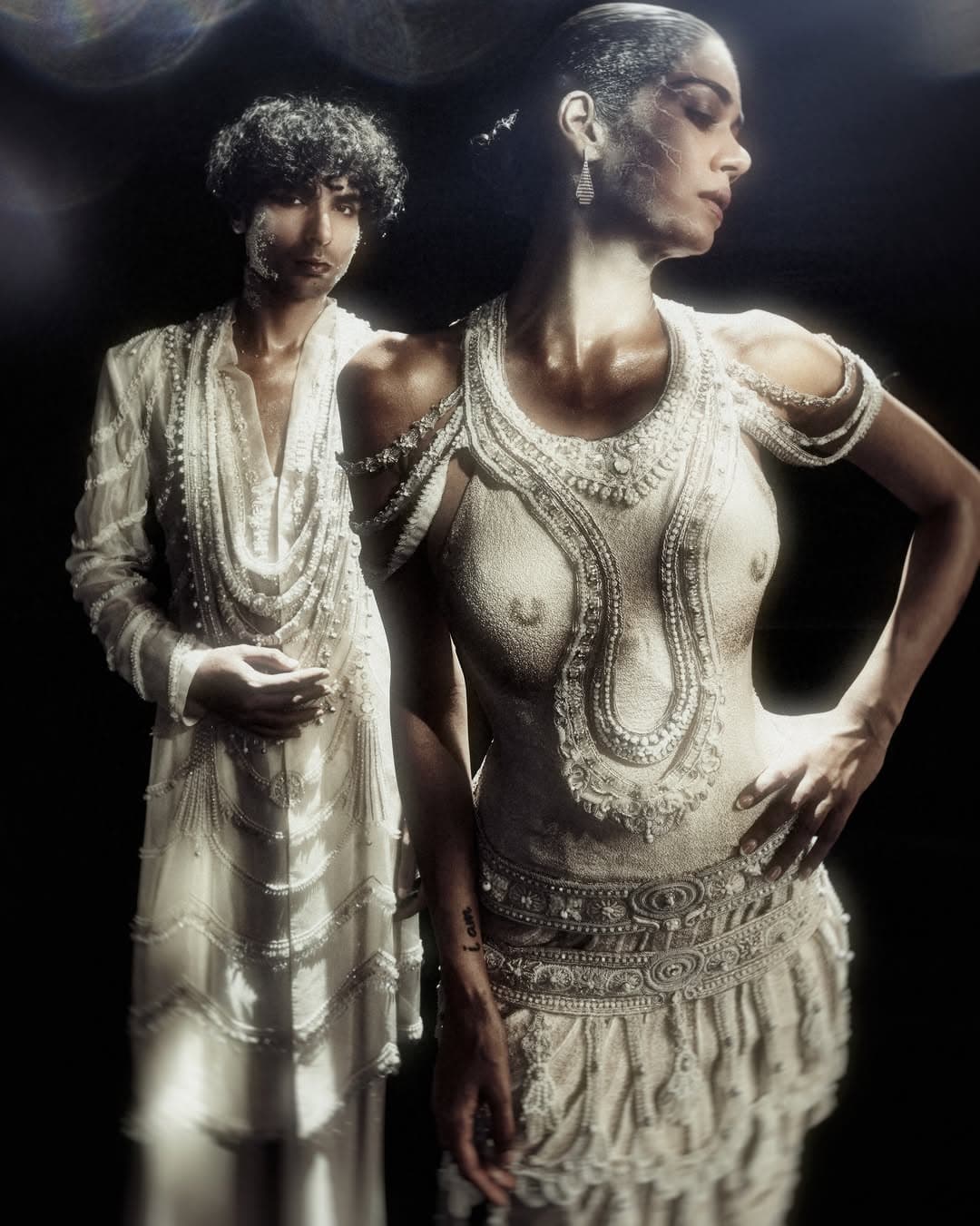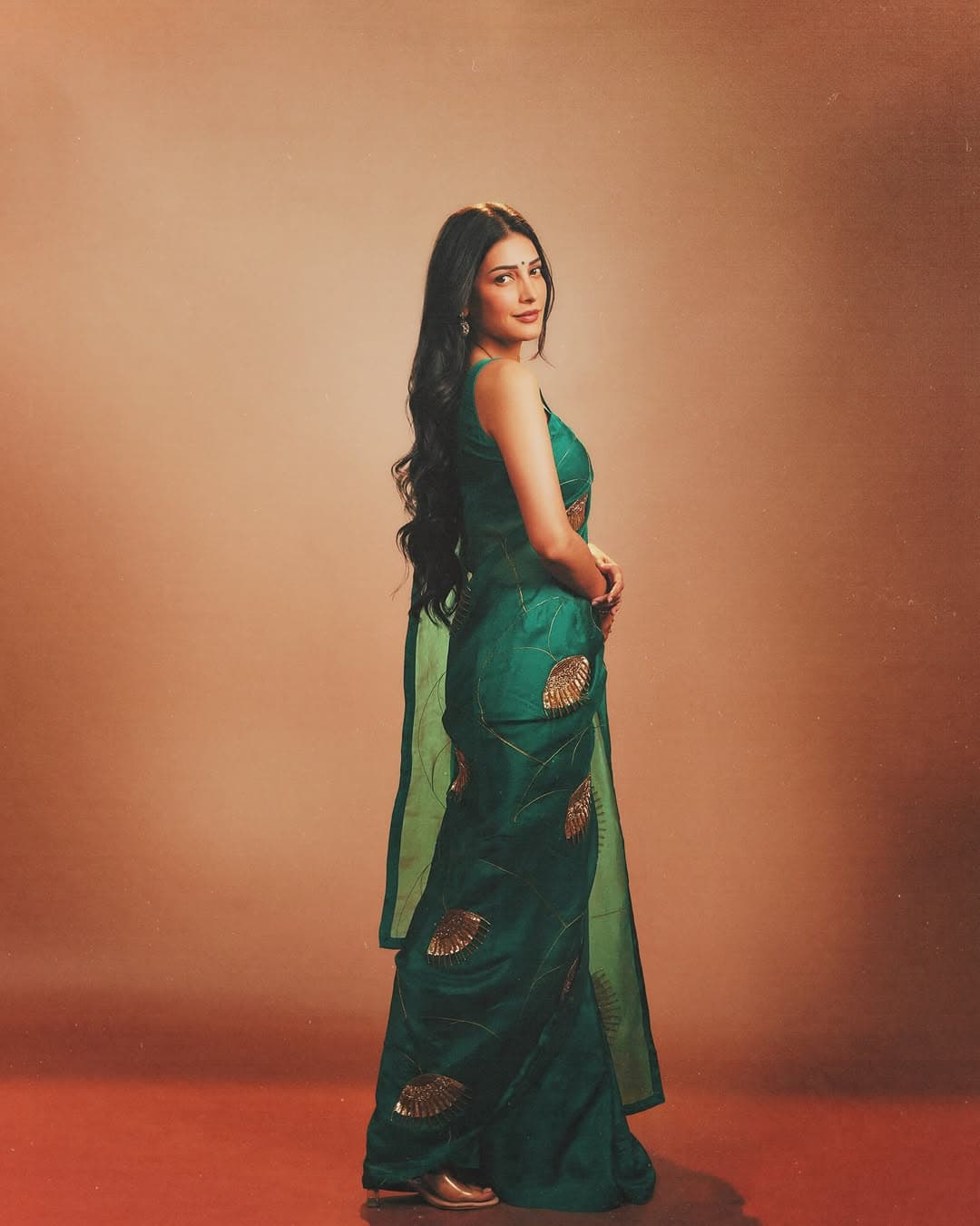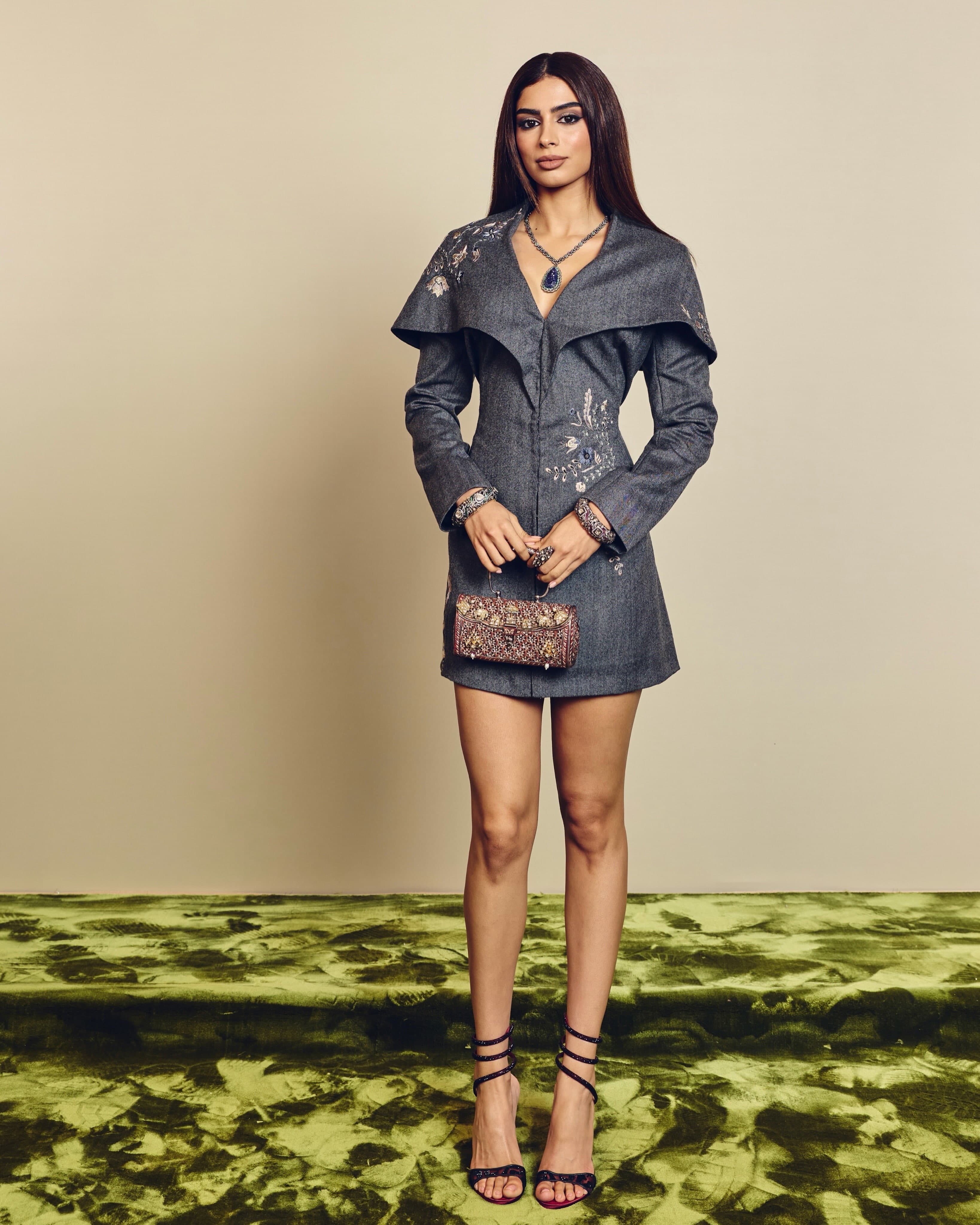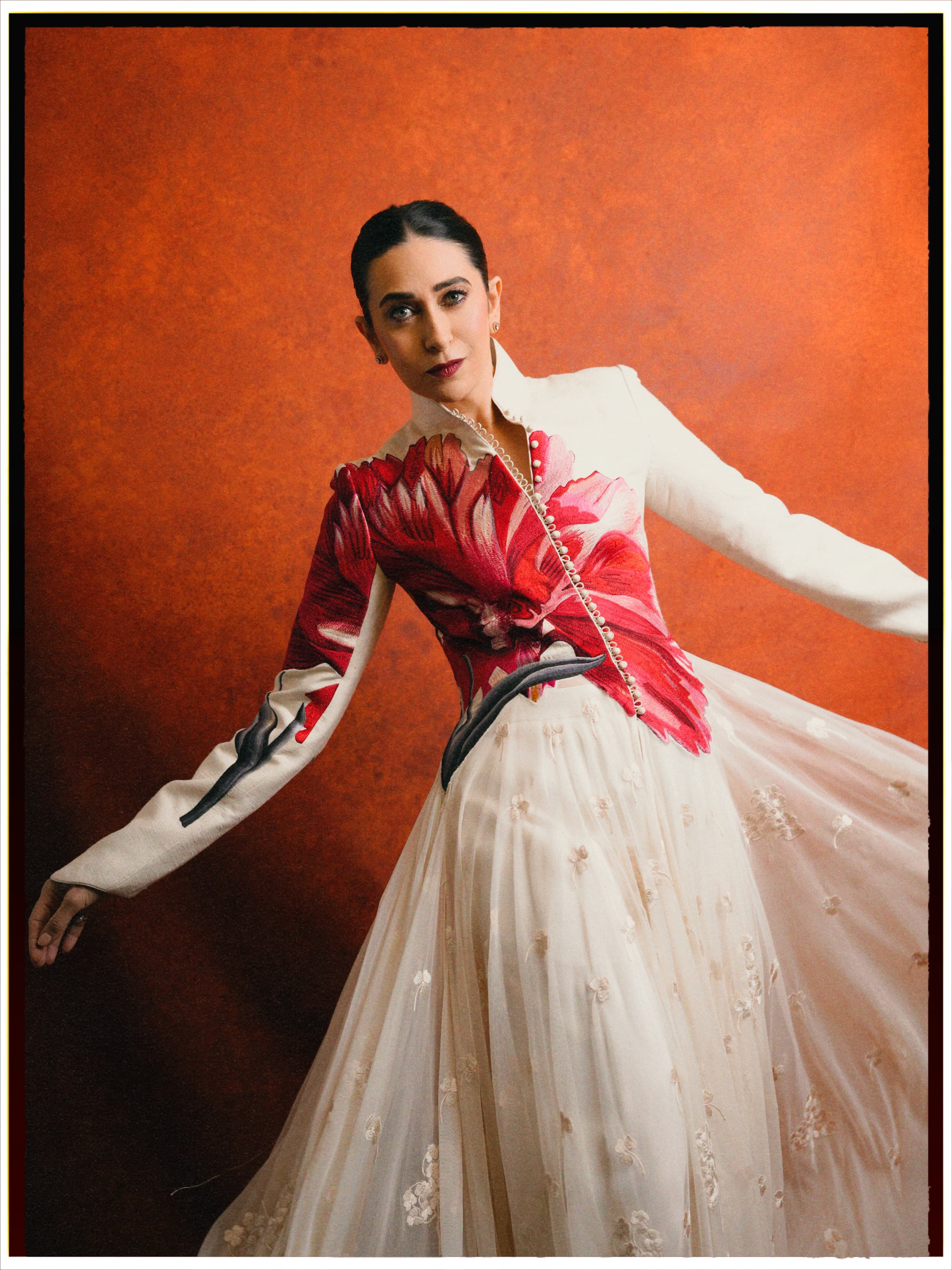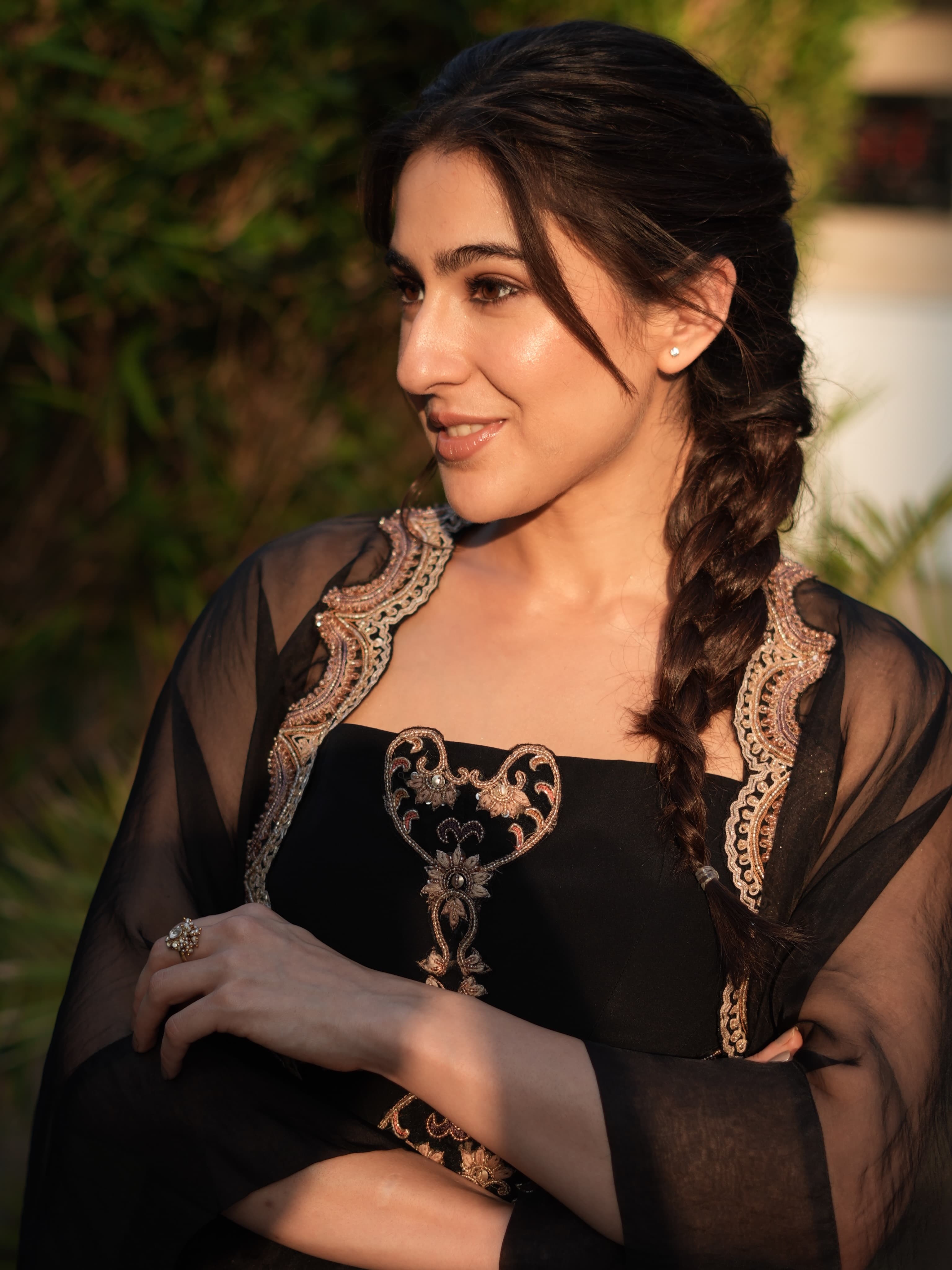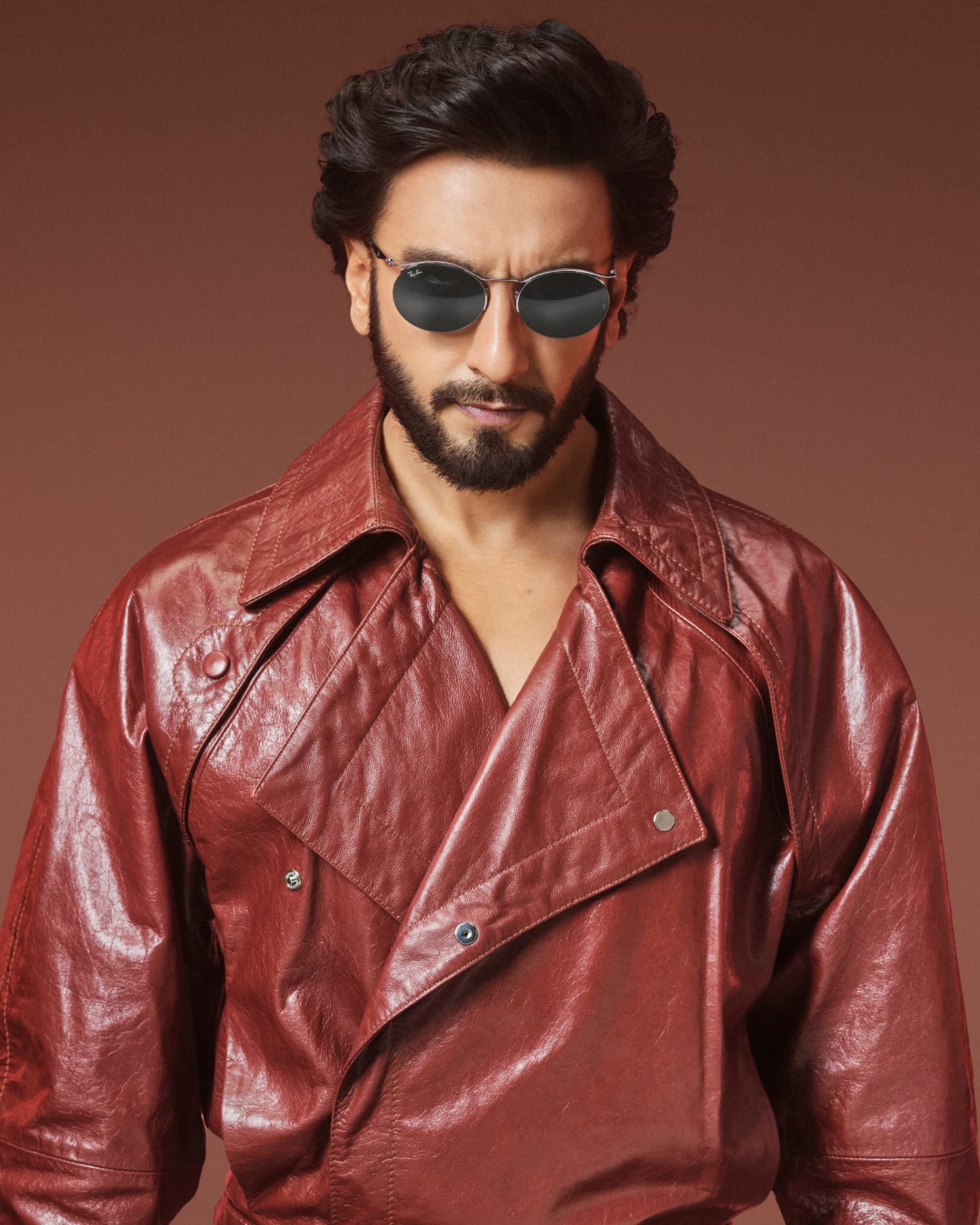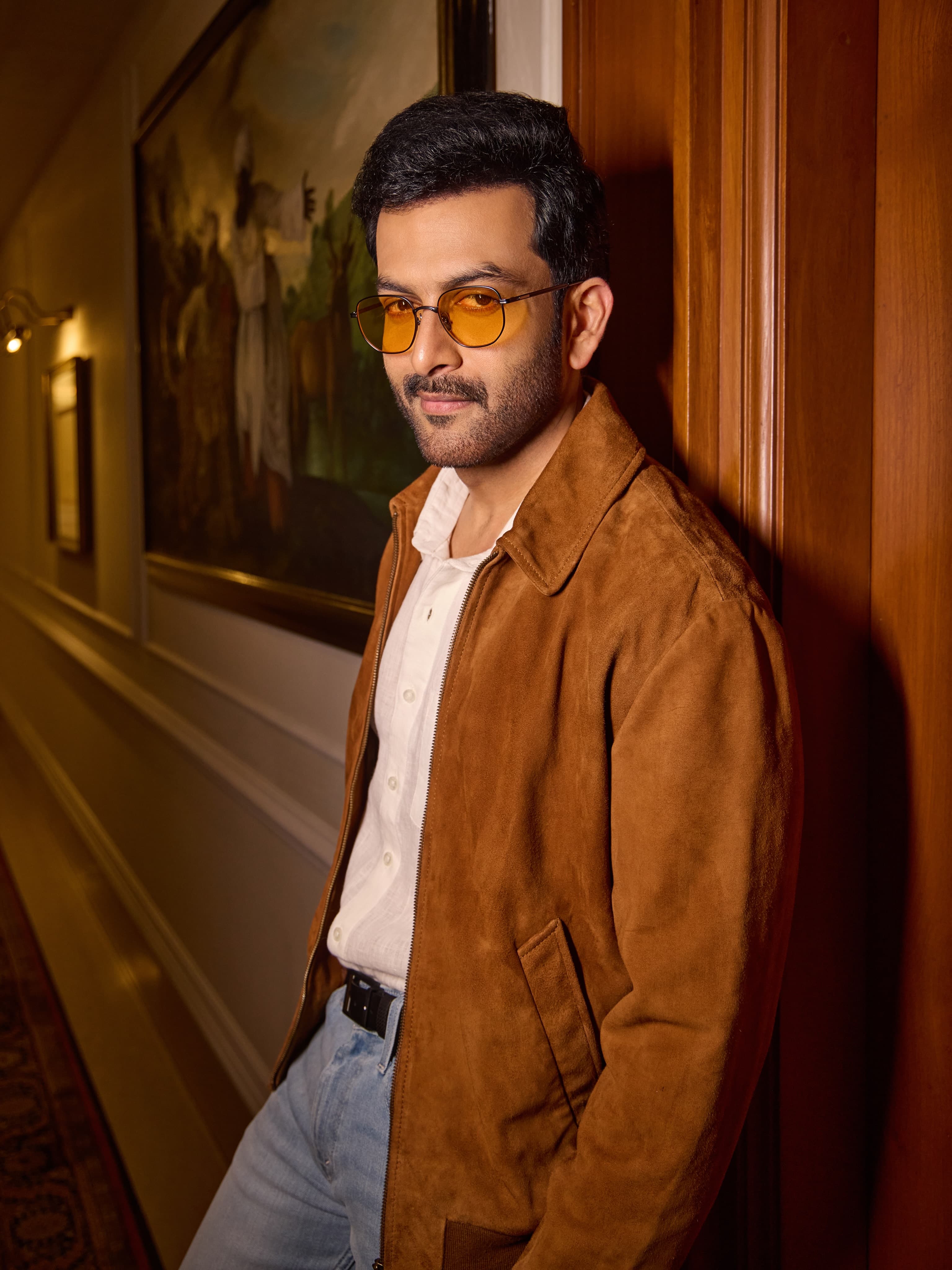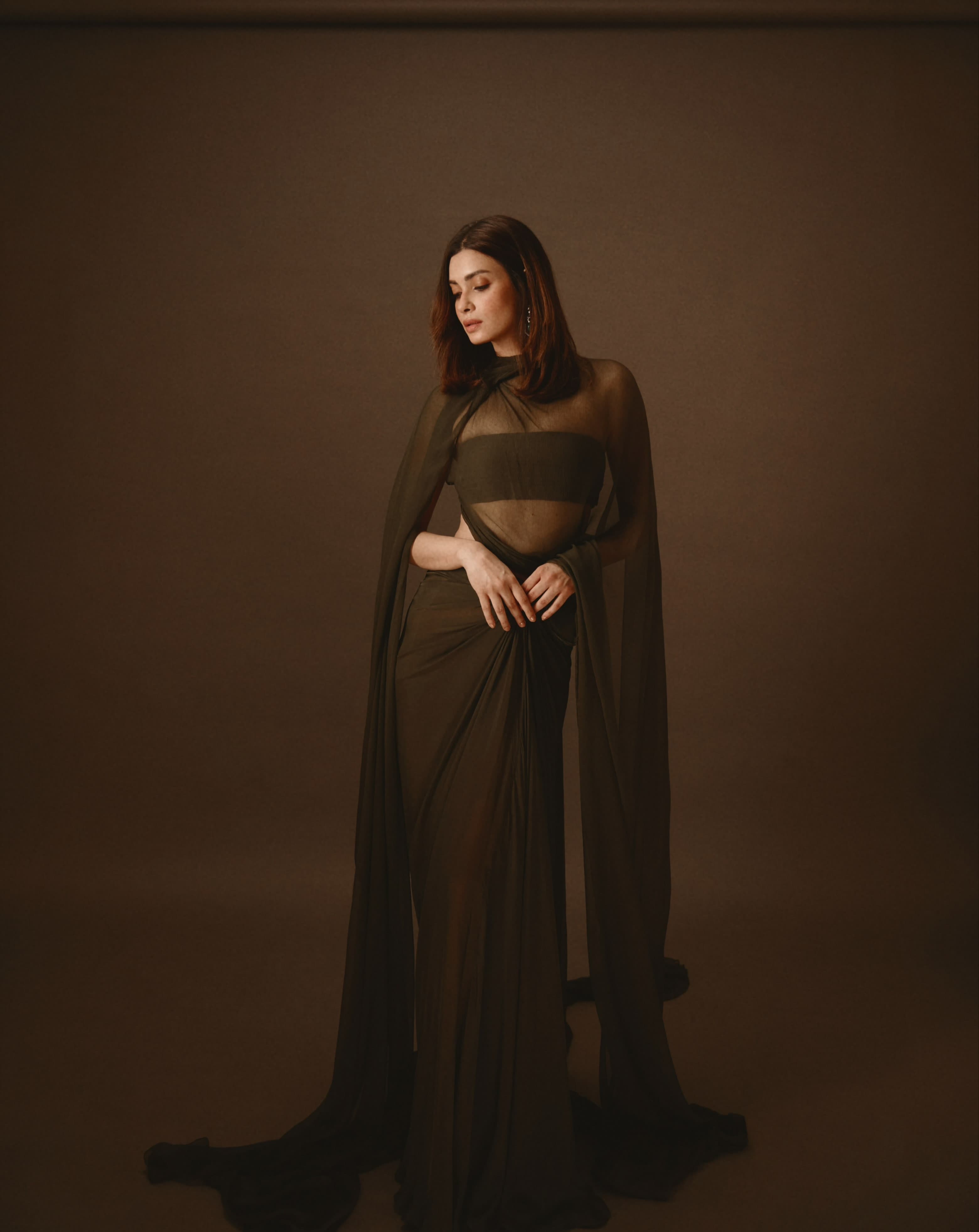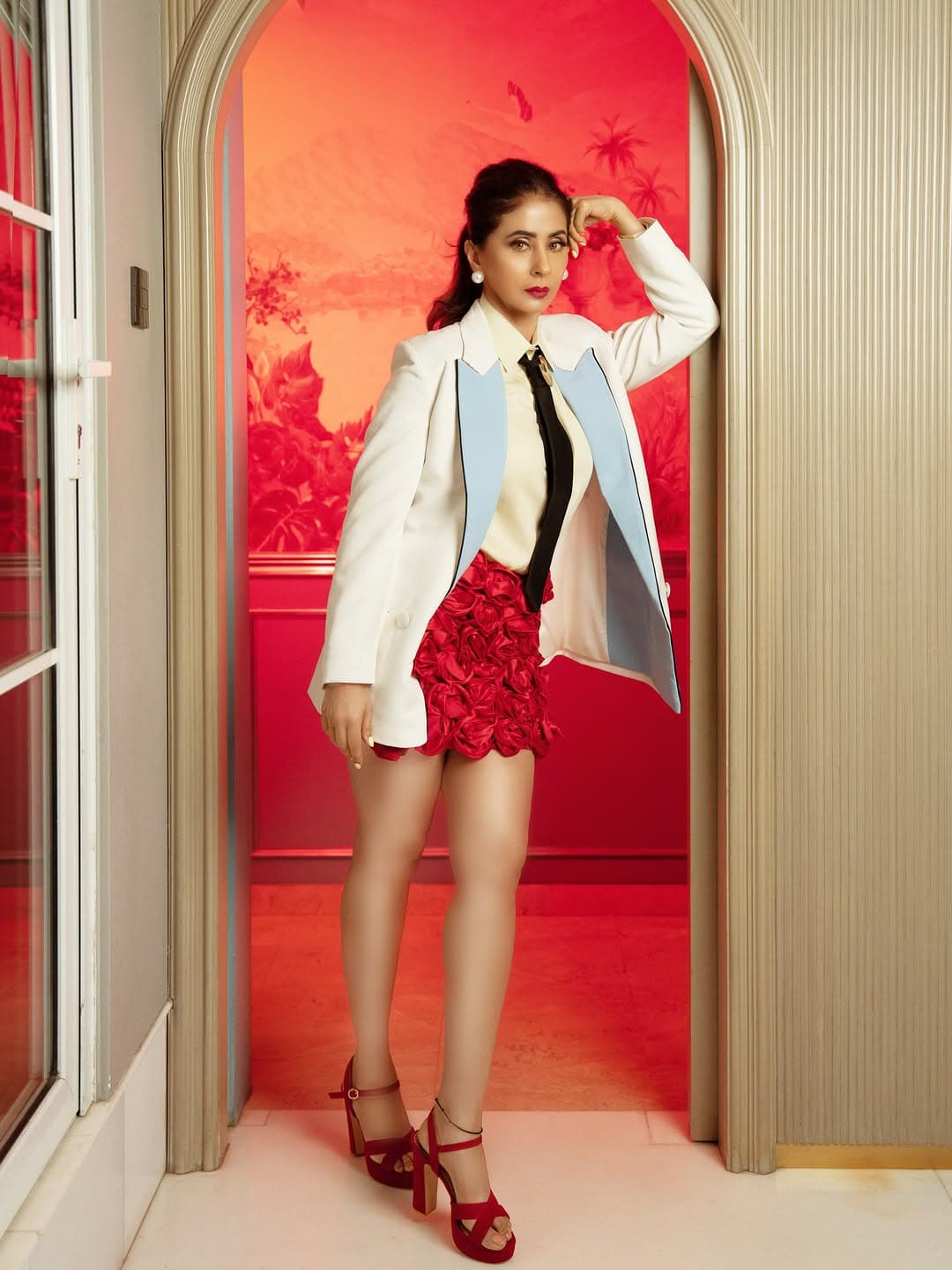
“High Frequency!!!!” is the caption, but the real story is in the credits. This Urmila Matondkar photoshoot is presented like a clean, high-volume signal: the subject up front, and the names of the people who shaped the picture placed where they belong, in the open.
Urmila Matondkar photoshoot credits, plainly said

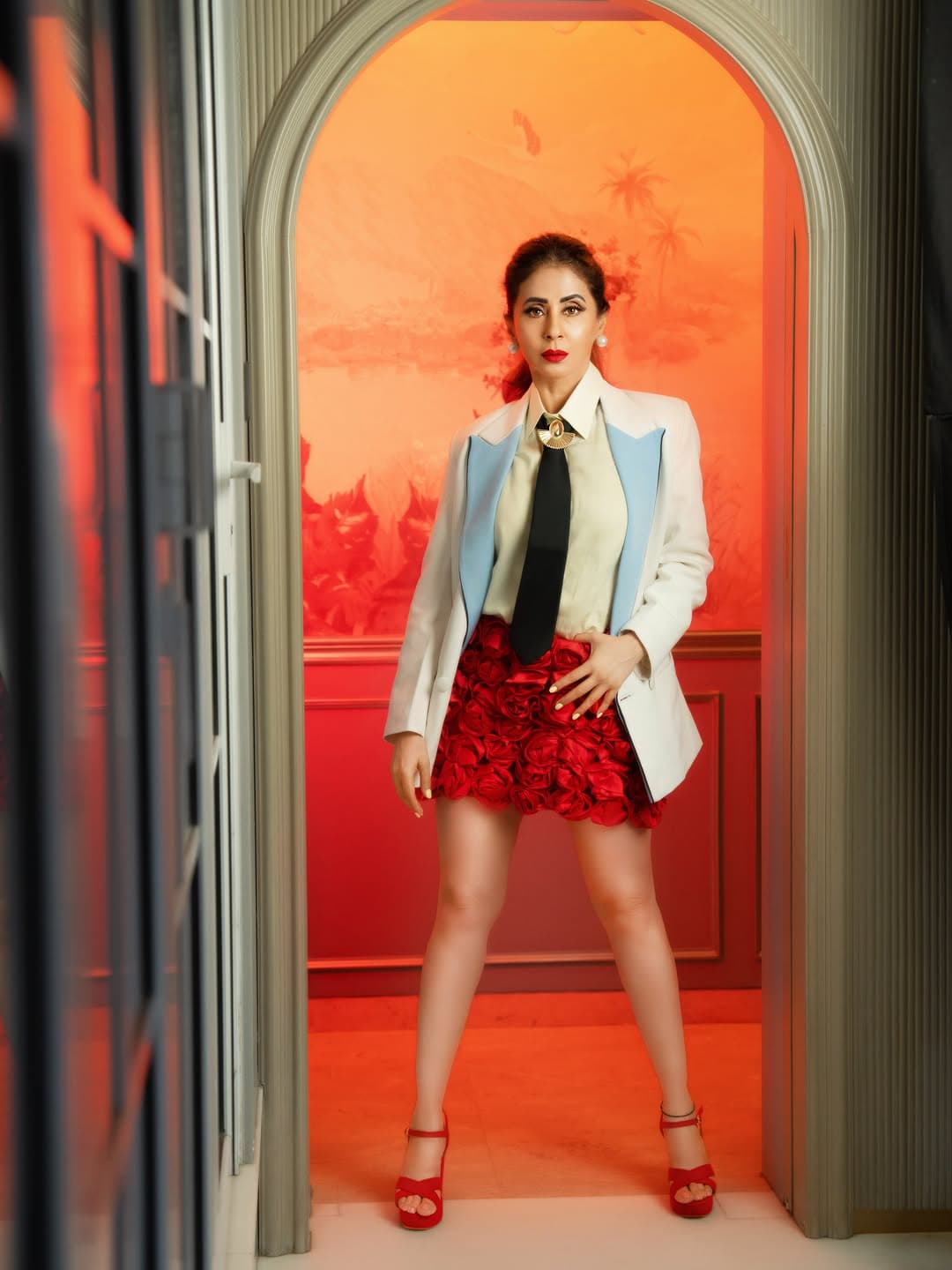
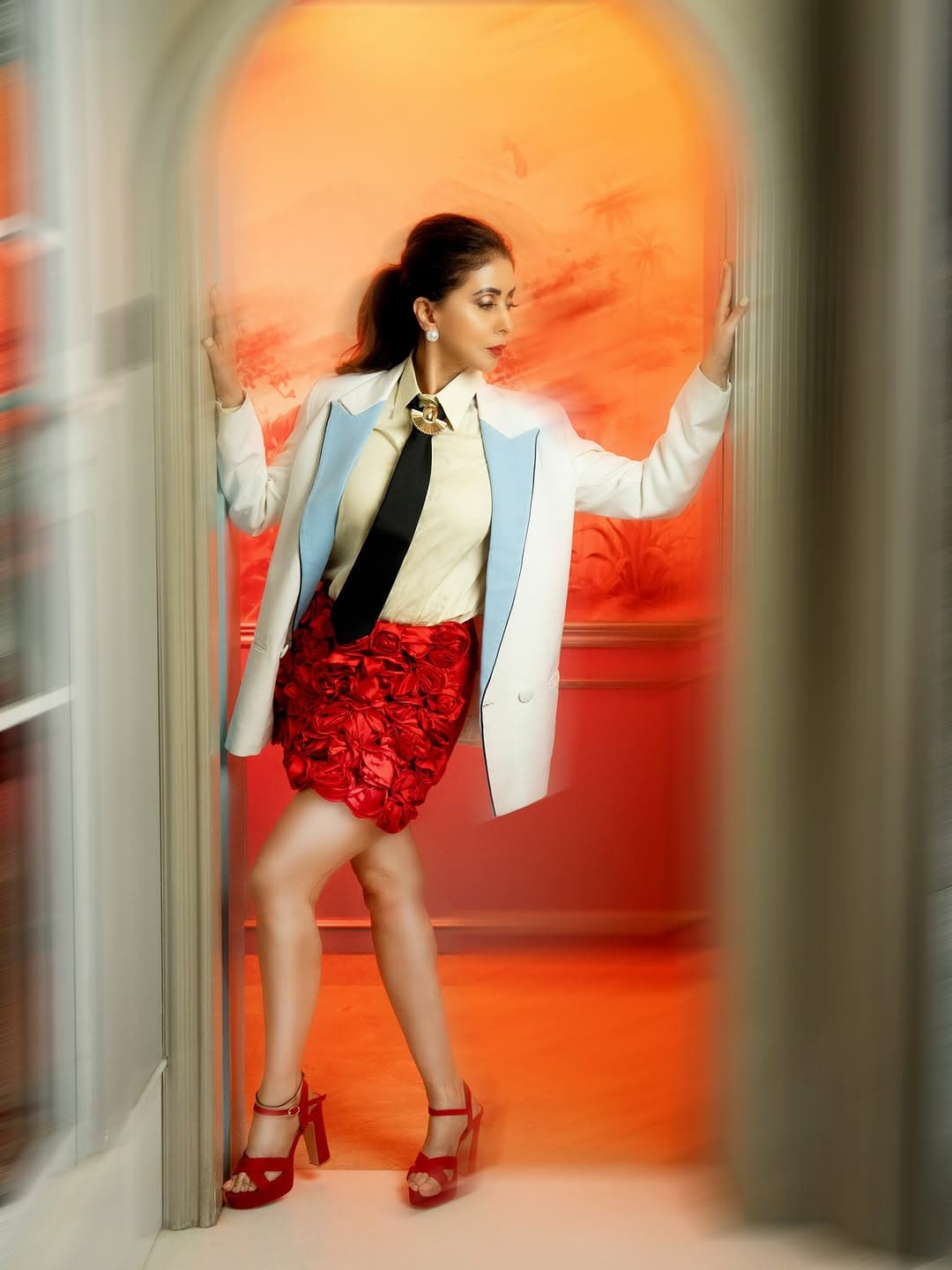
Fashion images are often talked about as if they arrive fully formed, as if mood simply happens. Here, the post does something better and more professional: it tags the makers. The picture credit goes to photographer @vjsolankii. Styling is credited to @kmundhe4442. Hair and makeup are credited to @vijaysharmahairandmakeup. And the face anchoring the frames is Urmila Matondkar, whose screen legacy means even a single still tends to land with a certain charge.
That transparency matters because it tells you how to read what you are seeing. This is not a random portrait that floated onto a feed. It is a constructed image, authored by a small team, with decisions made at every level, from silhouette to skin finish to the moment the shutter closes.
What “High Frequency” signals in a celebrity shoot
As a phrase, “High Frequency” is blunt. It implies speed, repetition, impact. In celebrity fashion photography, that often shows up as edits that feel designed for scrolling but built with editorial discipline: sharp timing, deliberate pose selection, and a look that can hold attention even when reduced to a thumbnail.
Across these four images, the emphasis is on clarity. The styling reads as considered, not improvised: the outfit is treated as a graphic element, and hair and makeup appear calibrated for camera rather than for real life lighting. What you sense is a shared intention between styling and lensing, the kind that makes an Urmila Matondkar photoshoot feel less like documentation and more like a statement of presence.
The collaborative math behind a single frame
When a post gives you credits, it also gives you a map. Photographer decisions set the geometry: distance, angle, cropping. Styling choices determine where your eye rests first. Hair and makeup decide how the face translates under contrast and highlight, and whether the final image leans cinematic, glossy, or editorially spare.
And because celebrity images come with a built in public memory, the choices land faster. With Matondkar, the audience brings decades of recognition to the frame before they even register the clothes. A Urmila Matondkar photoshoot succeeds when it acknowledges that history while still making you look twice at what is new in the image.
Why credit culture is becoming part of the aesthetic
Tagging the team is now its own form of taste. It signals that the image is not only about a famous face, but also about craft. In an era where AI filters, heavy presets, and anonymous “content” can flatten everything into the same smoothie of light and skin blur, naming a photographer, a stylist, and a hair and makeup artist is a quiet insistence on authorship.
If you want to follow the thread of this specific Urmila Matondkar photoshoot, start with the credited accounts: @vjsolankii for photography, @kmundhe4442 for styling, and @vijaysharmahairandmakeup for hair and makeup. Their grids are where context usually lives: the recurring silhouettes, the lighting habits, the beauty signatures.
Any image can shout. The interesting ones can also cite their sources.
Photo Credits
Cover image and additional images: Images courtesy of their respective owners. Caption credits list photographer @vjsolankii, stylist @kmundhe4442, and hair and makeup @vijaysharmahairandmakeup, featuring Urmila Matondkar.