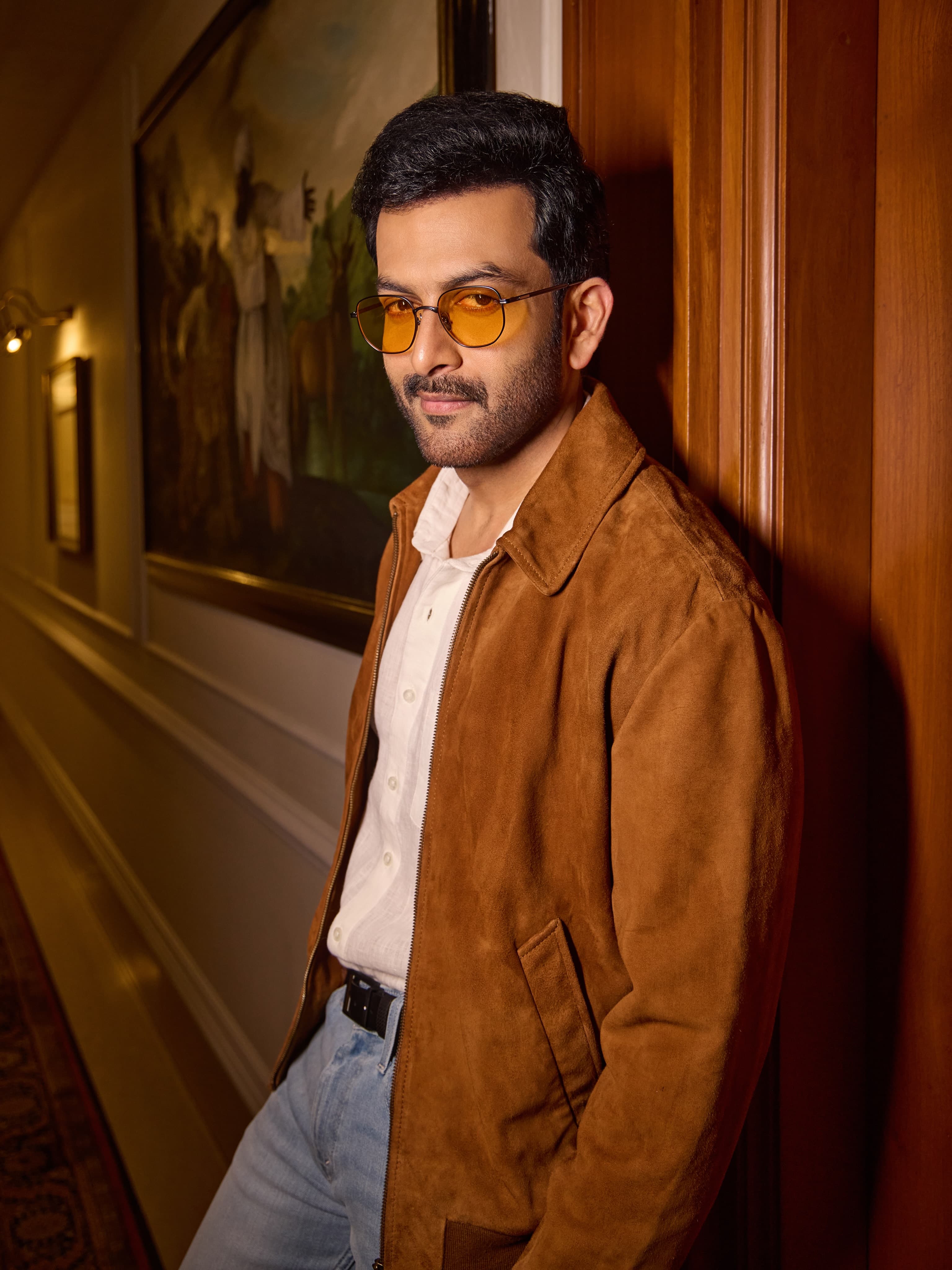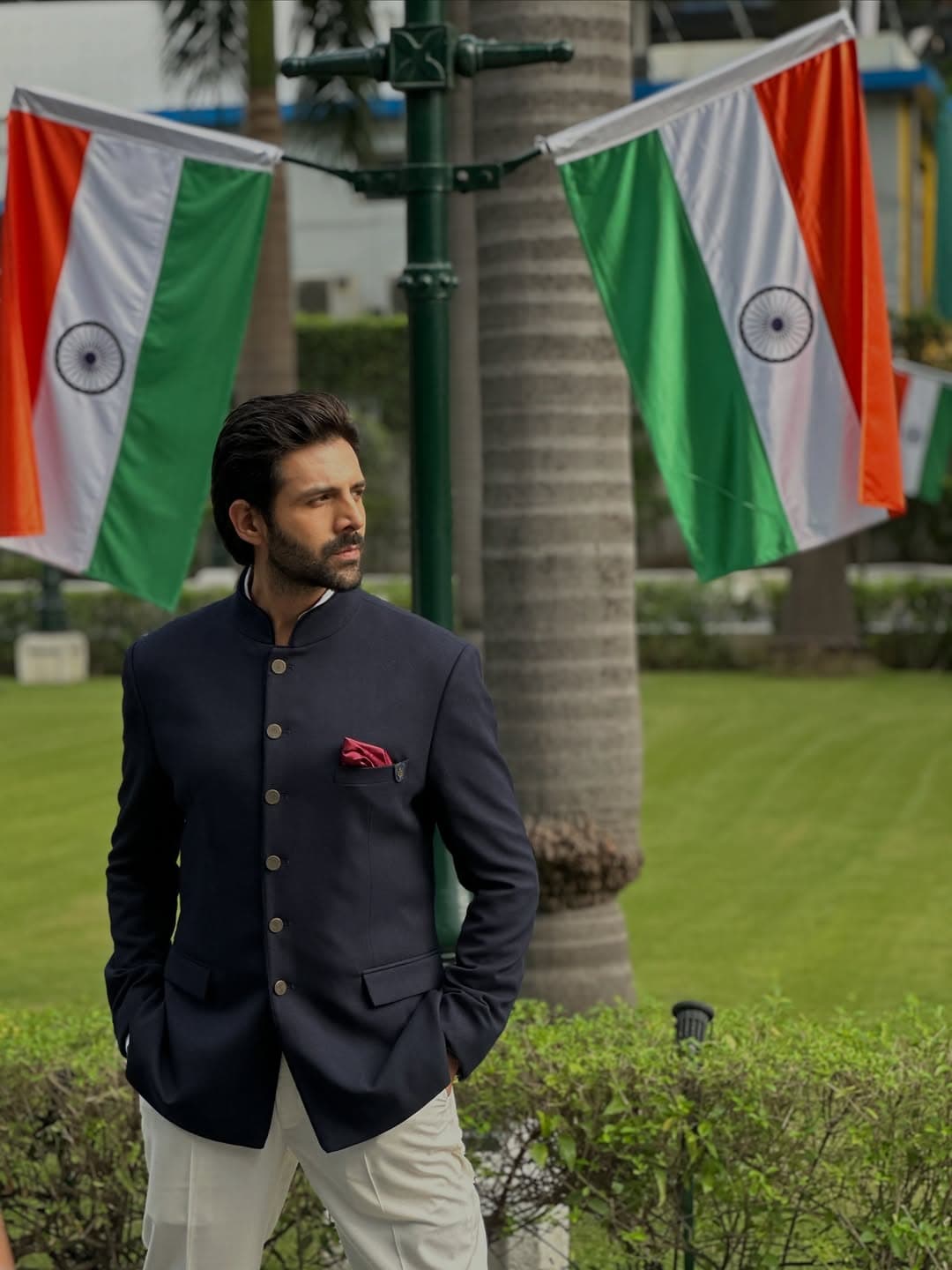
Every year, India’s Independence Day arrives with a familiar soundtrack of tricolour visuals, school assemblies, and freshly ironed kurtas. This year, Kartik Aaryan’s Independence Day message landed in the most contemporary place possible, a caption. “Happy Independence Day 🇮🇳 Proud to be an Indian 🙏🏻❤️” followed by his name. It was brief, public, and instantly legible, the sort of communication that moves faster than speeches ever can.
Kartik Aaryan Independence Day: why this format works now
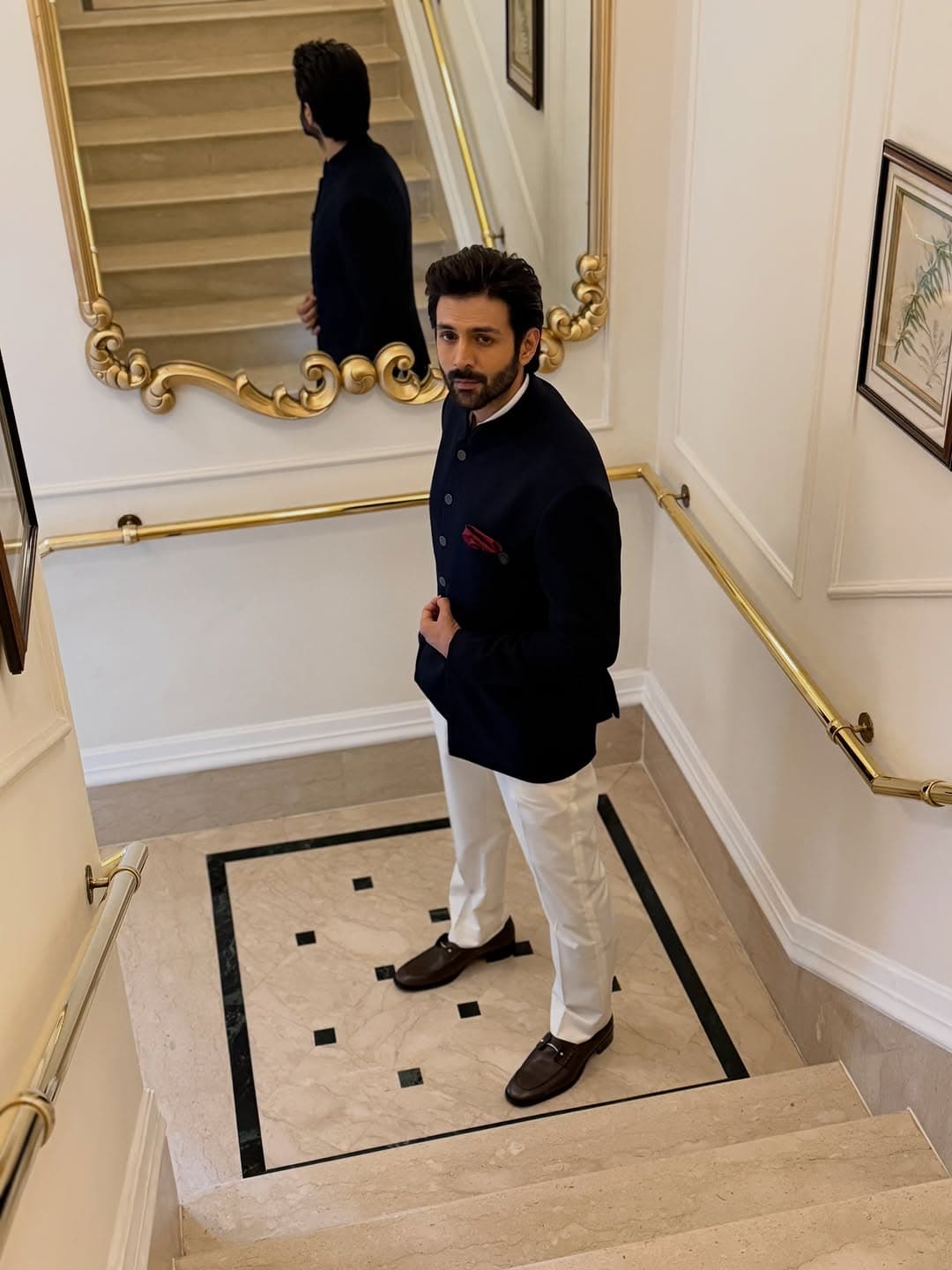
Call it the new ceremony. When a celebrity posts an Independence Day note, the mechanics are simple, but the effect is amplified by reach and repetition. Kartik Aaryan’s Independence Day post is not trying to out write the day. It is trying to join it, in the same way millions of people do, with an emoji, a flag, a gesture of gratitude, and a declaration of belonging.
There is also a particular clarity to choosing plain language instead of a long caption. Patriotic communication online tends to collapse under the weight of slogans. Here, the message stays personal, and that personal register is exactly what social platforms reward.
Independence Day in India: the date, the ritual, the stakes
Independence Day in India is observed on 15 August, marking the country’s independence in 1947. It is a day that is both civic and intimate, with flag hoisting ceremonies, televised coverage from New Delhi, and parallel celebrations across cities, housing societies, and family groups. In digital culture, it has become a collective posting day, one where public figures are expected to show up, even if only for a sentence.
That is the context in which Kartik Aaryan Independence Day content reads as more than a routine update. It is participation in a national moment, filtered through celebrity visibility.
For the official framework of the day and its history, the Government of India’s National Portal remains a clear reference point: india.gov.in.
Celebrity patriotism, and the fine line between sincerity and performance
It is easy to be cynical about celebrity patriotism, and sometimes cynicism is earned. But the most revealing thing about posts like Kartik Aaryan’s Independence Day message is how standard they have become, not as propaganda, but as expected etiquette. The audience is not only fans. It is also family members reposting, brand accounts replying, and colleagues liking from film sets and airport lounges.
In that ecosystem, a short statement can be the safest option. It avoids over writing, and it avoids the trap of trying to turn a national day into personal branding copy. It also leaves space for the audience to project their own emotions onto it, which is precisely why such captions travel.
For readers tracking Kartik Aaryan’s public updates directly, his verified presence is the primary source: instagram.com/kartikaaryan.
In the end, Kartik Aaryan Independence Day posting culture tells us less about one actor and more about how India now marks shared occasions. The flag appears, the heart follows, and the comment sections fill up with the same three words, typed in a hundred ways: proud, grateful, India.
Photo Credits
Images courtesy of their respective owners.