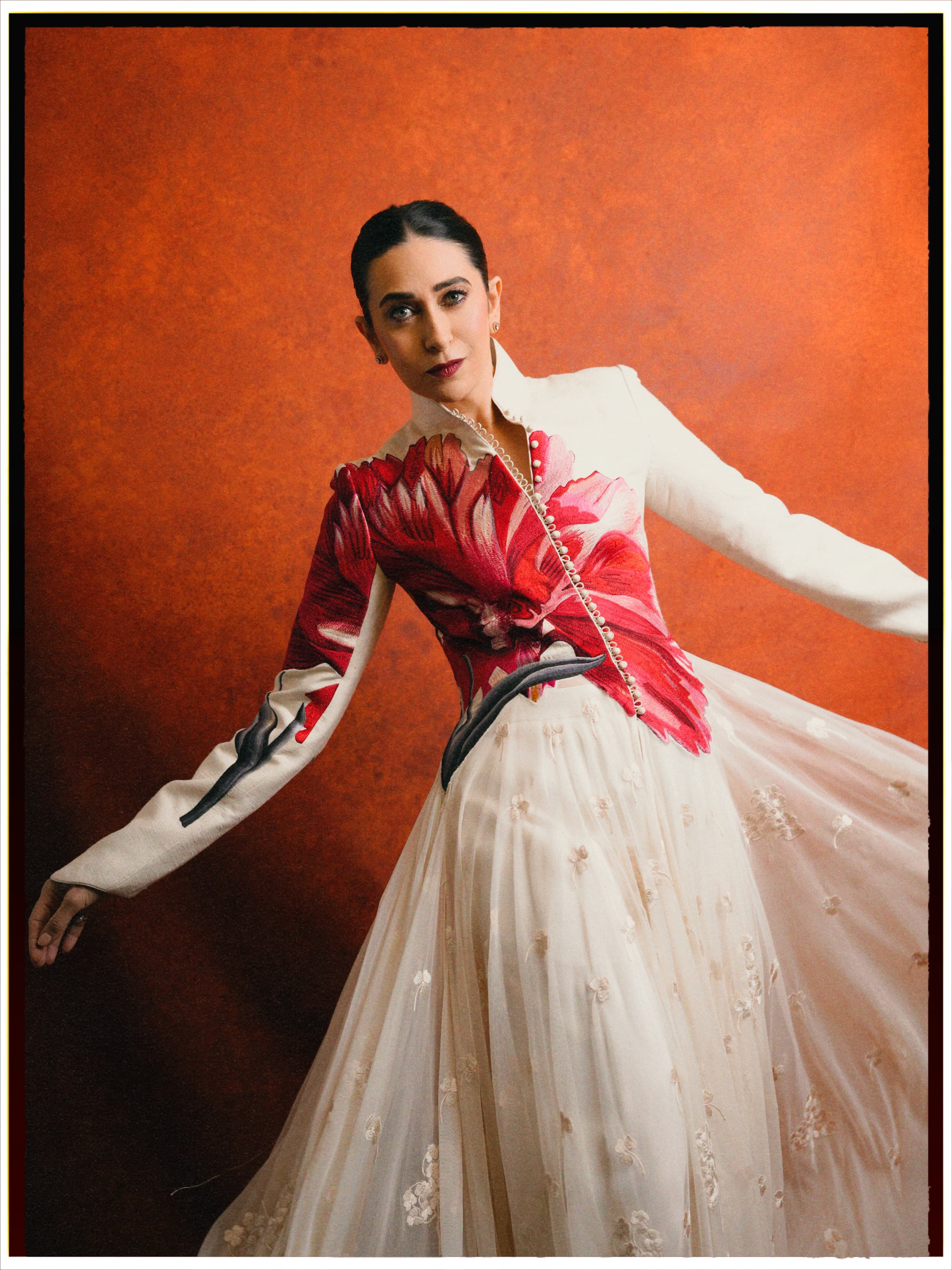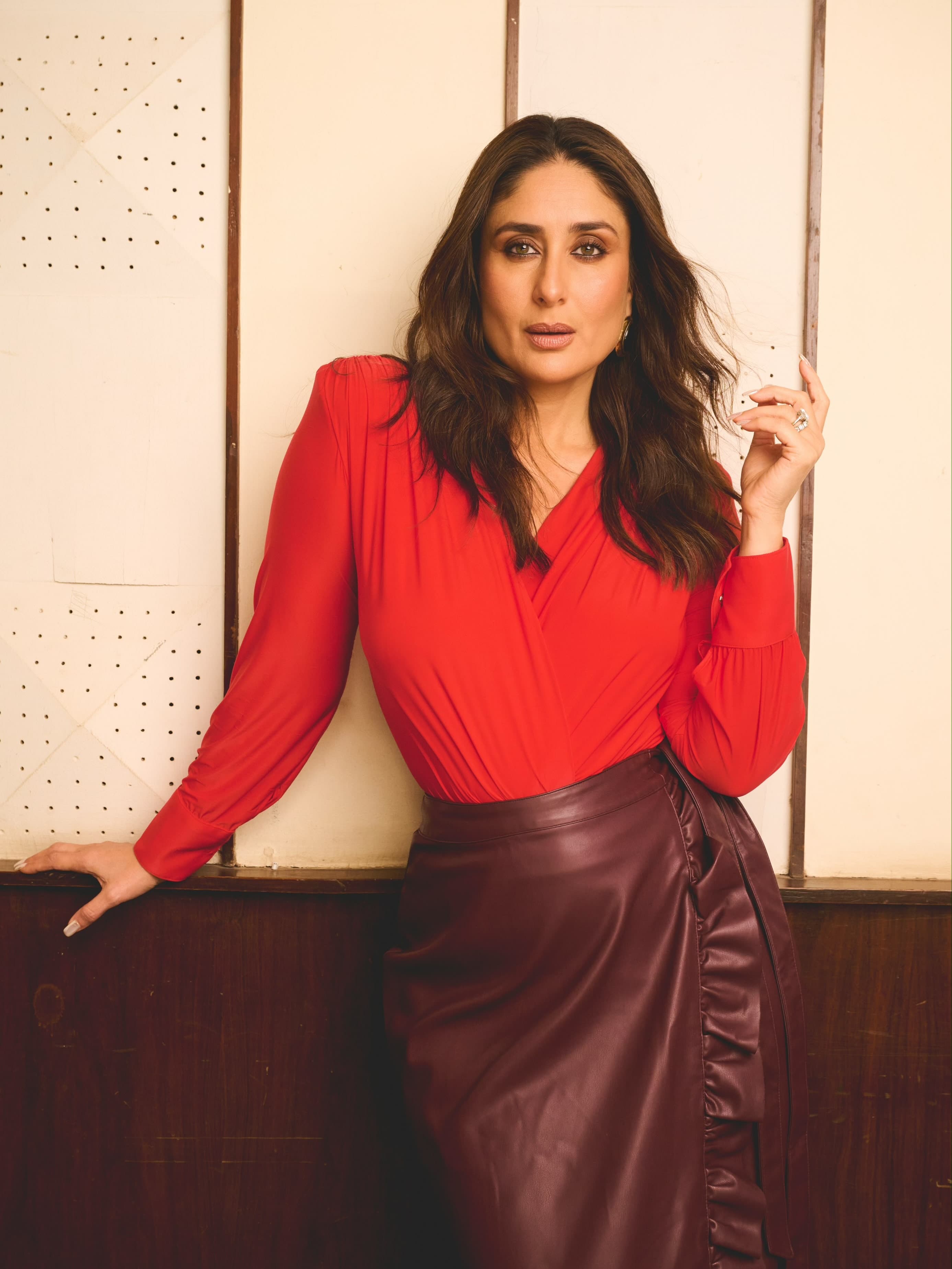
There is a particular confidence to saying “70% cocoa, plus a dash of spice” and leaving it at that. The combination has a built in logic, bitterness meeting heat, a flavor profile that does not need decoration. In the slipstream of that caption, Pooja Hegde becomes less a name attached to a post and more a cue for a larger mood in beauty and wellness right now, where taste is treated like a form of styling and dark chocolate is framed as an everyday choice with intention.
Pooja Hegde and the appeal of 70% cocoa

“70% cocoa” is not a throwaway number. In chocolate labeling, it refers to the overall cocoa content in the bar, typically a blend of cocoa solids and cocoa butter, which is why the experience shifts so noticeably as you move up the scale. At around 70%, many bars land in the zone where sweetness recedes and the chocolate’s own notes, roasted, fruity, sometimes almost espresso like, start to lead.
That is also why 70% cocoa dark chocolate keeps showing up in snack drawers and post shoot rituals. It has enough bitterness to feel grown up, and enough familiarity to still feel like a treat. If you want a clear, checkable baseline for what the percentage means in labeling terms, the FDA spells out how cocoa products are defined and named in the US marketplace, including what manufacturers are communicating when they use cocoa content language. That guidance sits in 21 CFR Part 163.
Why “a dash of spice” works, even when it is tiny
A dash of spice does something perfume understands better than pastry does. It turns a flat sweetness into something directional. Chili, black pepper, cinnamon, even cardamom, the point is not burn, it is lift. With dark chocolate, that lift lands fast because cocoa already sits close to roasted, earthy, faintly bitter territory. Spice draws a line under those notes.
The fastest way to make the idea concrete is to look at a brand that has built a signature around it. Lindt’s EXCELLENCE Chili bar is an easy reference because the concept is literal, dark chocolate punctured with chili. Even without turning this into a shopping list, it is a useful example of how mainstream the pairing has become, and how brands describe it as a deliberate flavor architecture rather than novelty. Lindt publishes its EXCELLENCE line under the brand site, including spice driven variants that mirror the caption’s cue.
The styling lesson hidden in a snack
What makes the Pooja Hegde caption land is that it reads like a personal rule rather than advice. In celebrity culture, that difference matters. A rule suggests repetition, a small private consistency that follows you between travel days, long shoots, late dinners, and early call times. The “70% cocoa” part is the anchor. The “dash of spice” is the signature, the flick of preference that makes it hers.
How to borrow the idea without copying the post
If the goal is to take something from Pooja Hegde here, it is not the exact chocolate bar or the exact spice, we simply do not have those specifics. The takeaway is the calibration: choose a dark chocolate you actually enjoy at the higher cocoa end, then introduce a single counter note. Keep it small. The point is contrast, not chaos.
In beauty terms, it is the same logic as a sheer lip with one sharp detail, a nail that is cleanly done and then finished with one unexpected tone. If you have been following how celebrity routines have become less about sweeping transformations and more about repeatable micro choices, you might also like our Beauty stories and the latest in Celebrity.
Photo Credits
Cover image and additional images courtesy of their respective owners.