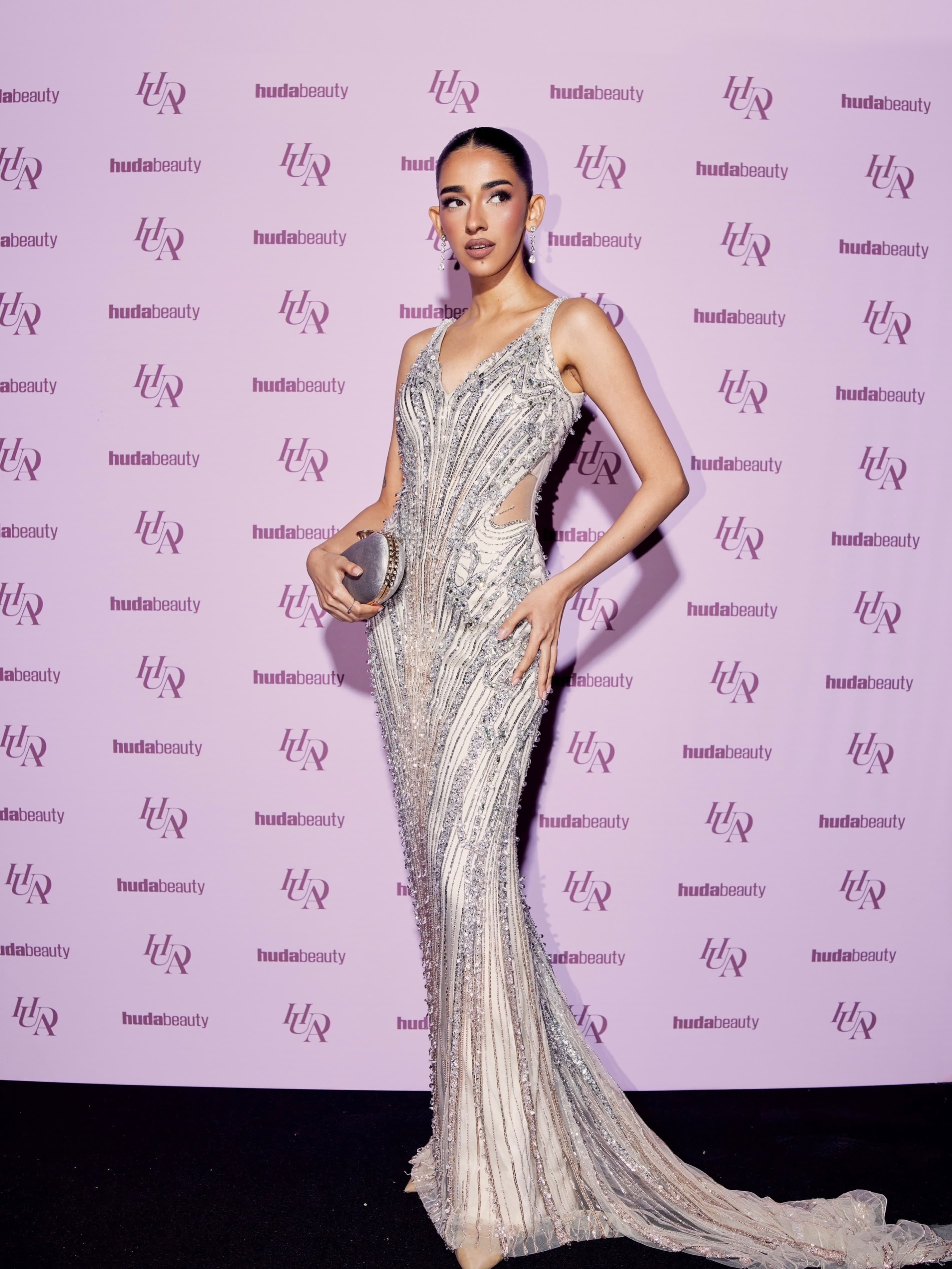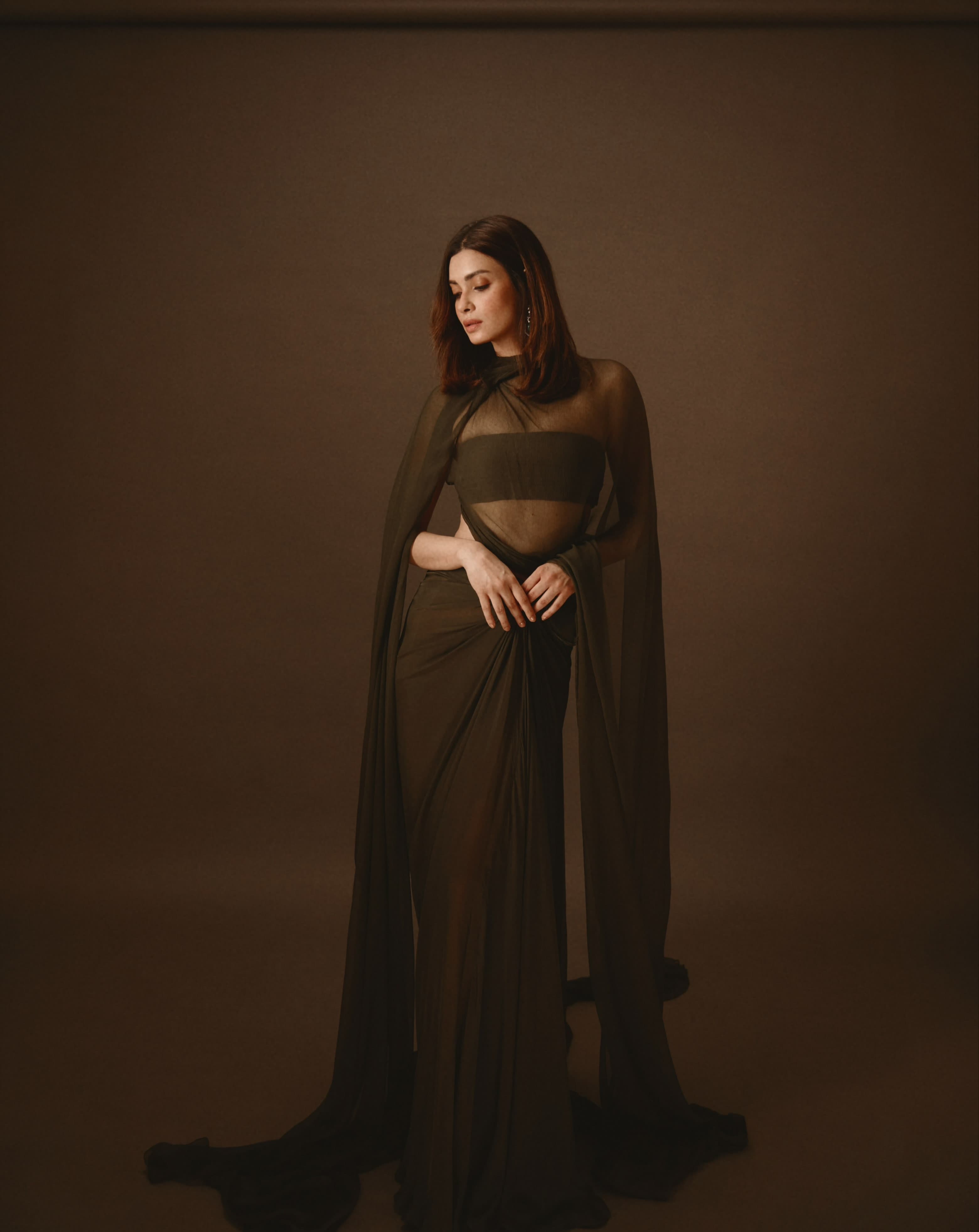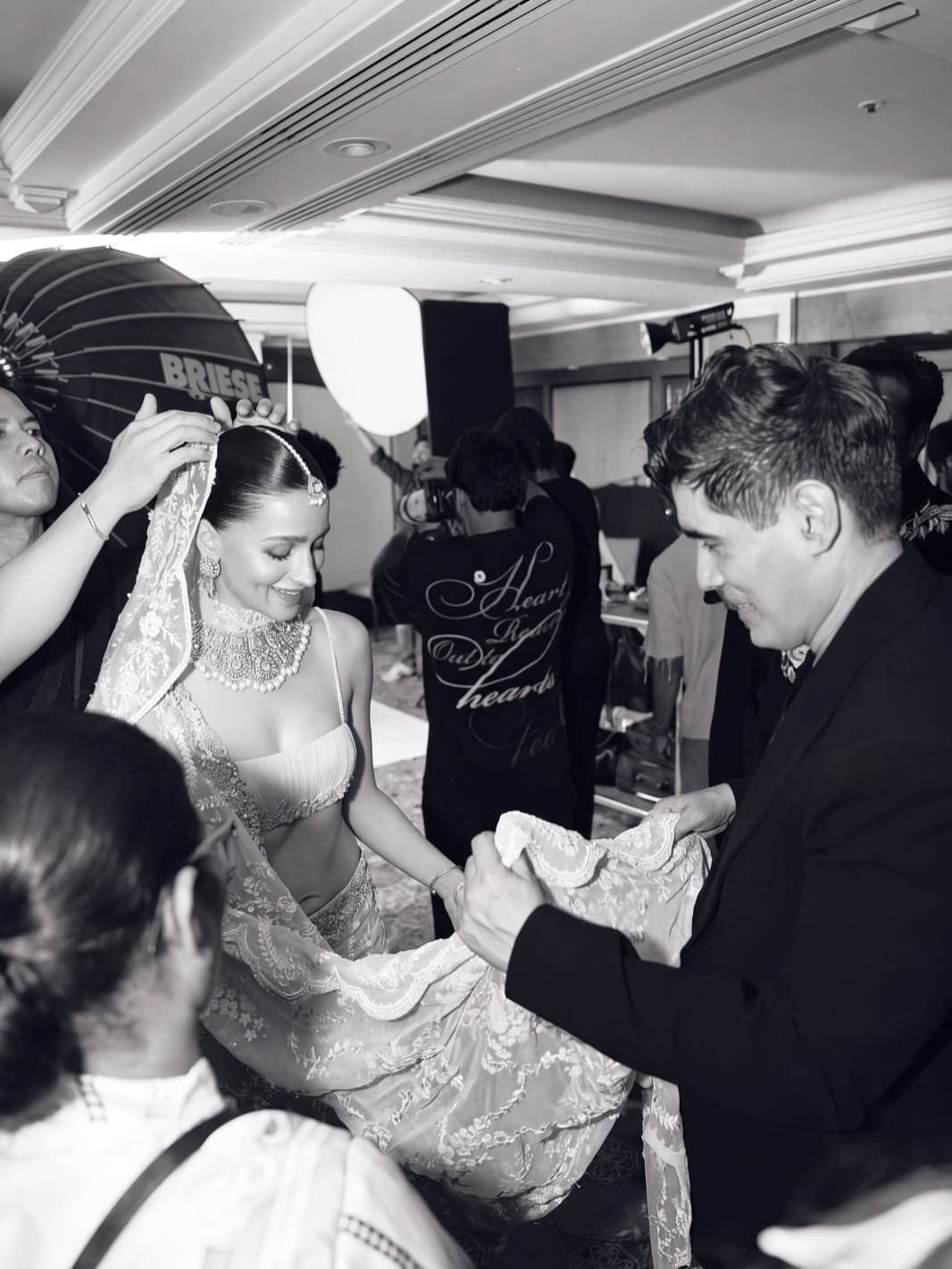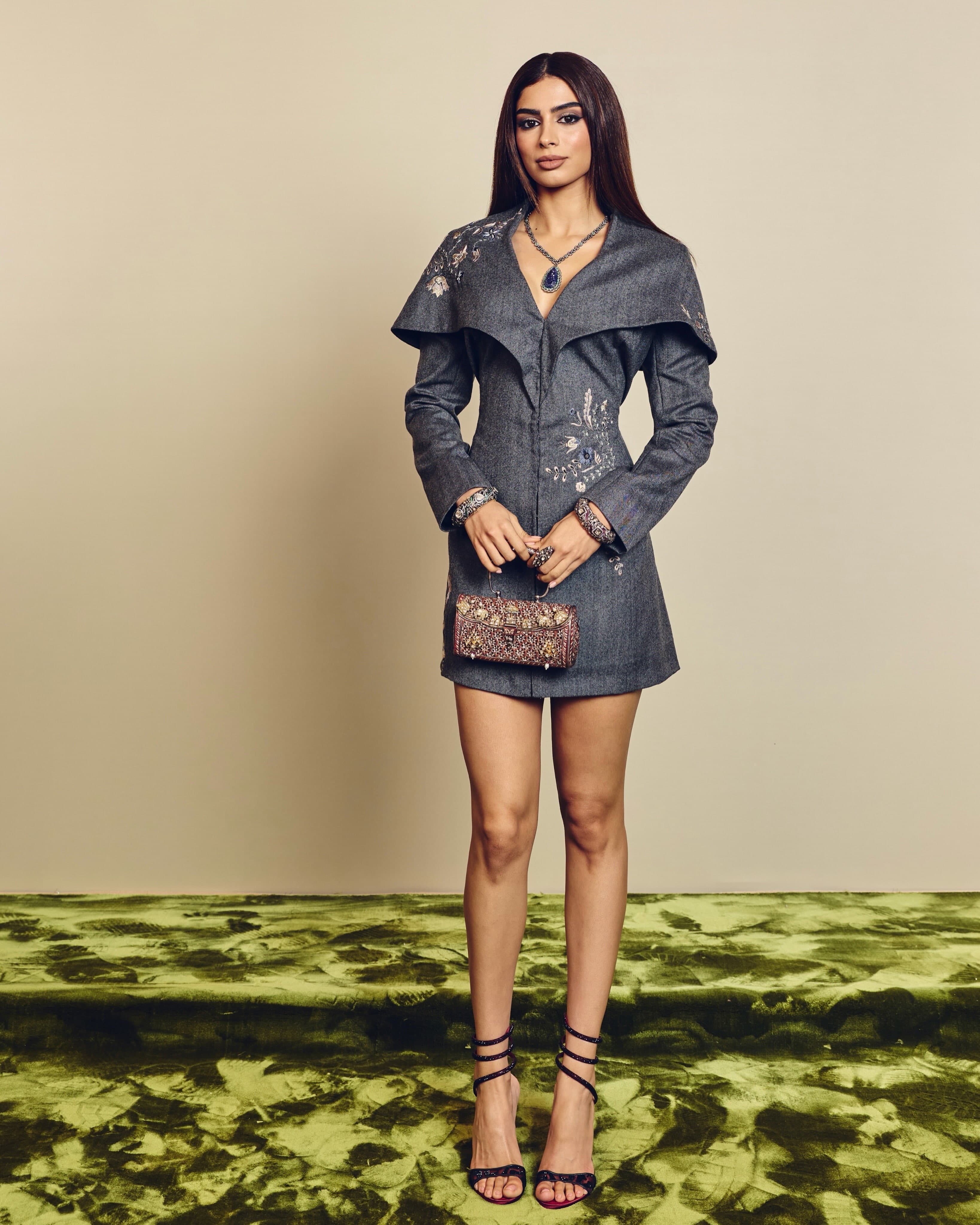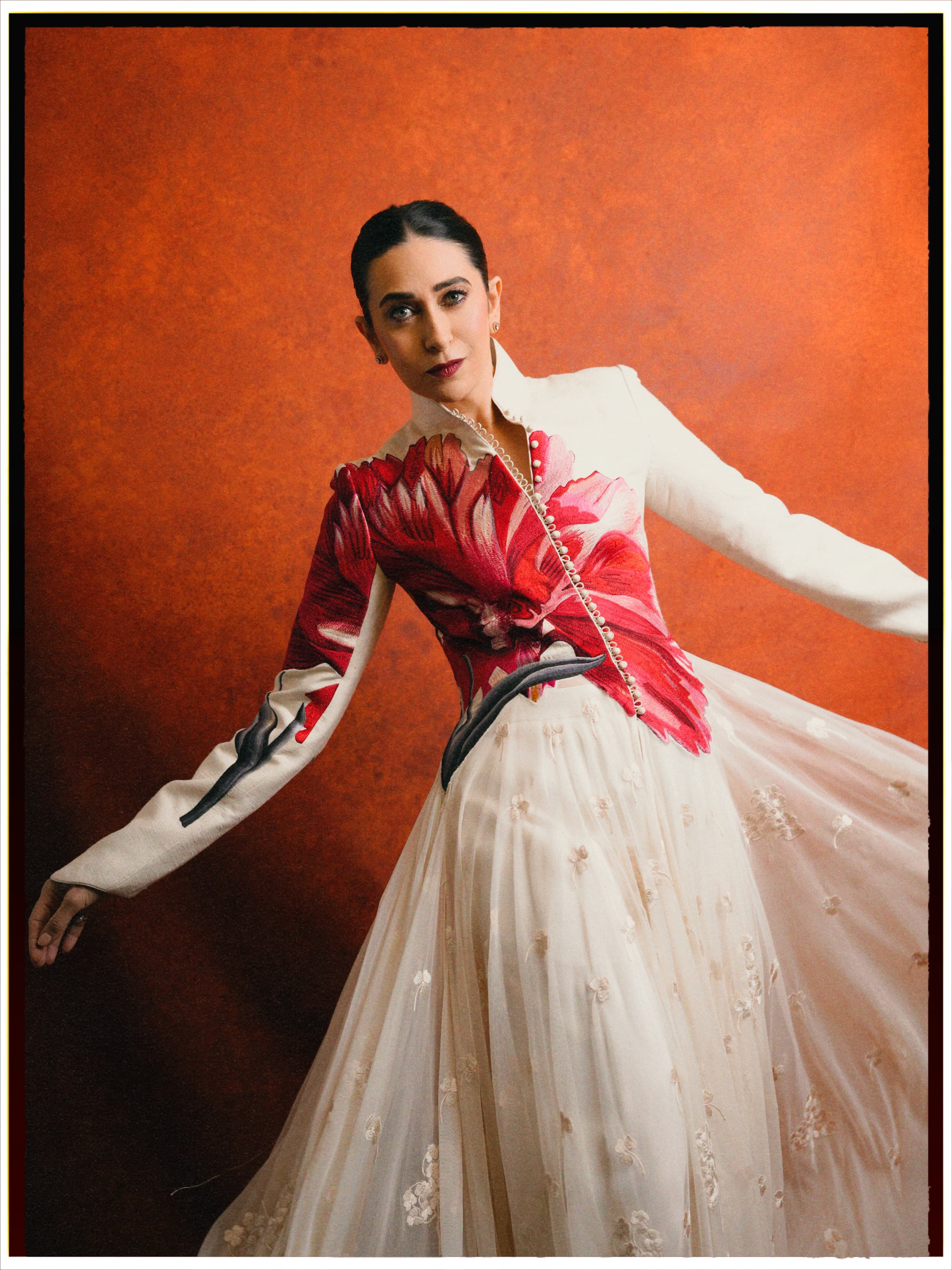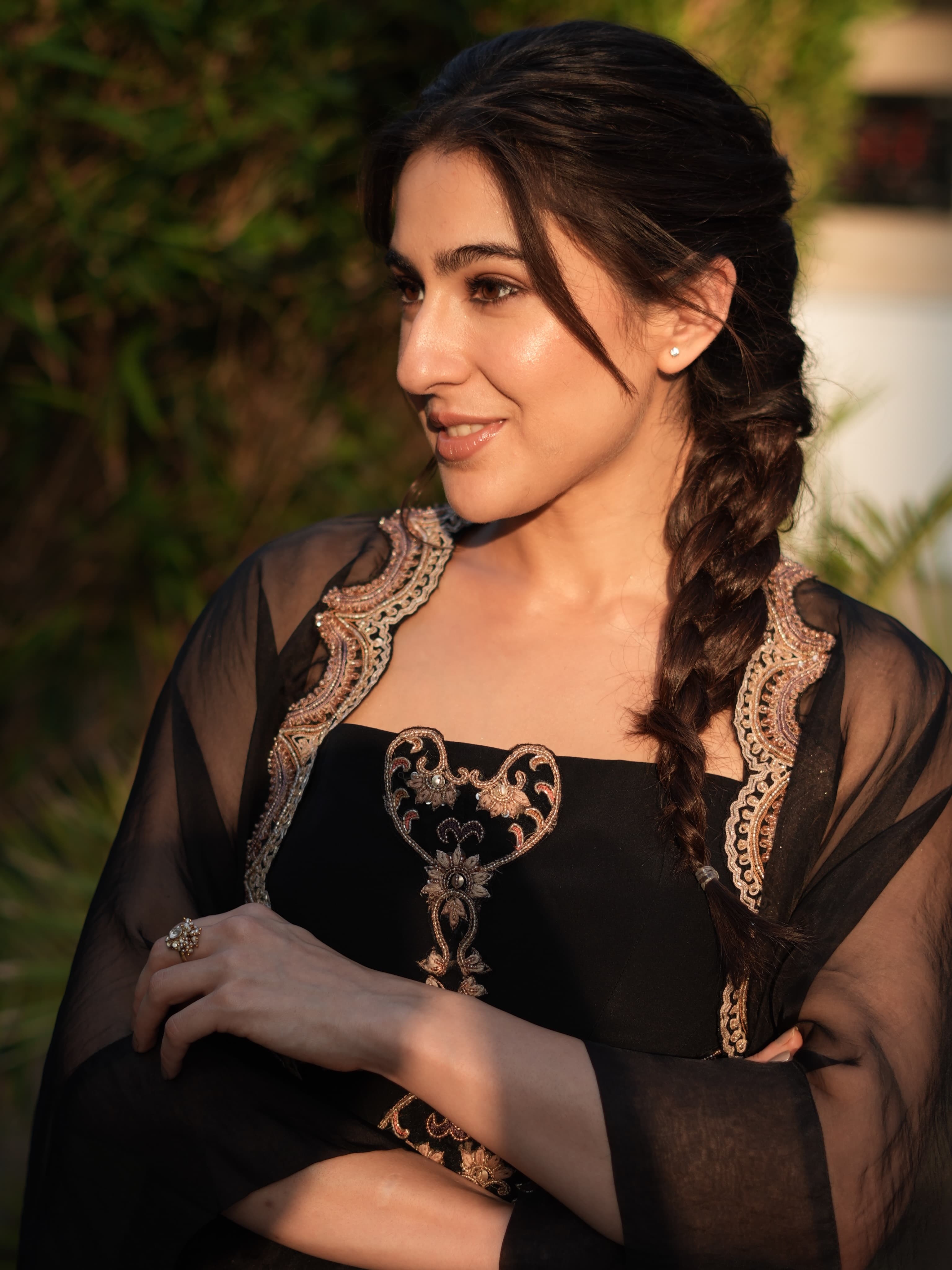
There is a certain electricity when a familiar face steps into an emerging label’s vocabulary and makes it feel inevitable. Samantha Prabhu in Femes from Limité does exactly that, then sharpens the moment by tying it to a designer whose work is built for close looking: New Delhi based fashion designer Krésha Bajaj, whose name travels with the capsule credit attached.
Samantha Prabhu in Femes from Limité, and why this credit line matters

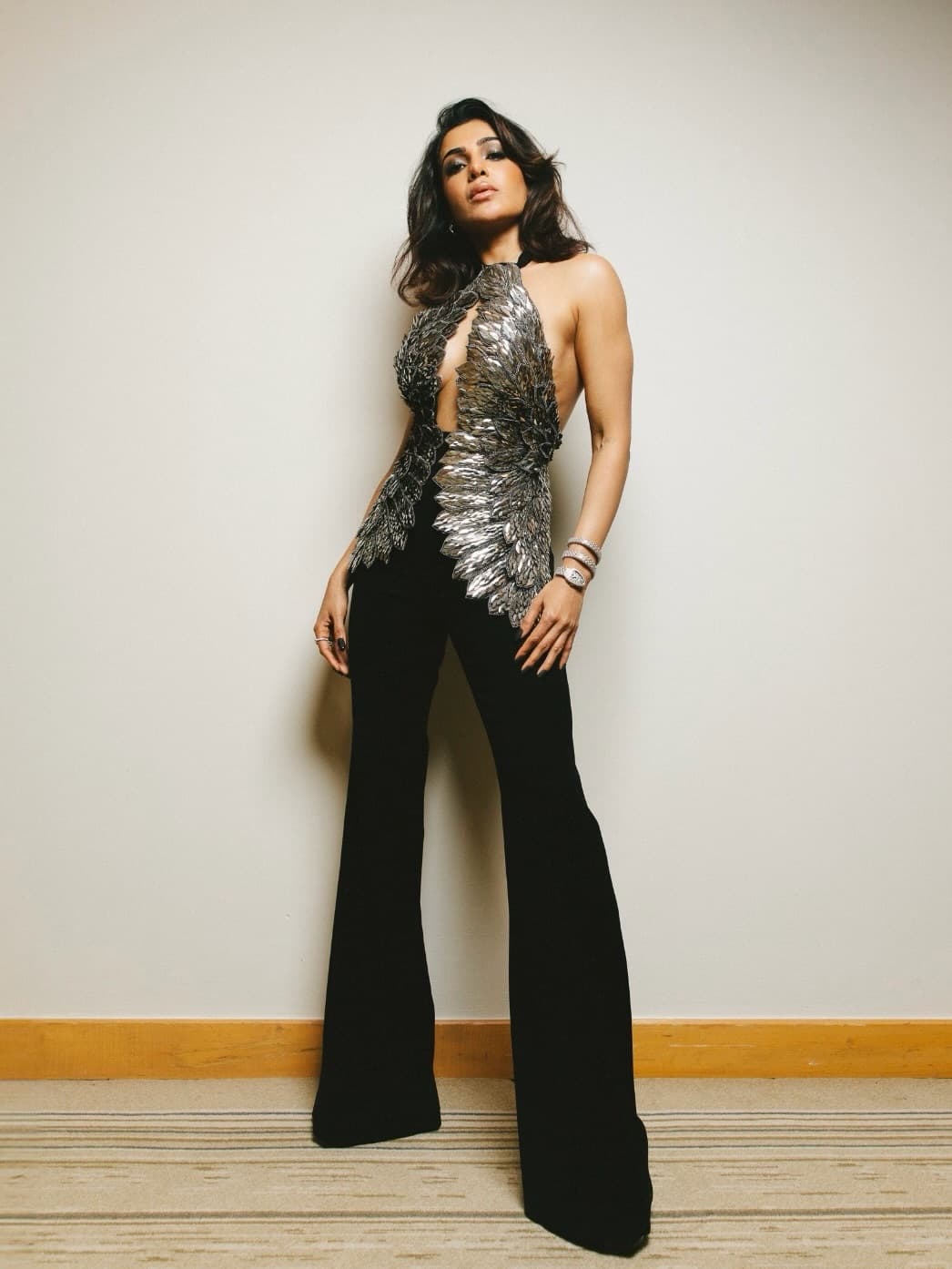


The caption trail is unusually specific: “Krésha Bajaj Samantha Prabhu Capsule.” That tells you this is not a one off stylist pull with a blurred provenance. It positions the look as part of a defined capsule from Bajaj, and when celebrity dressing is often reduced to a single tagged outfit, capsule language signals a tighter design intention, a limited set of pieces with a consistent idea.
Bajaj’s background supports that framing. Her label has long been associated with intricately worked occasionwear, and she has been publicly recognised for design in India. In 2019, Krésha Bajaj won the NEXA Emerging Designer of the Year award at the Lakmé Fashion Week Awards, a credential that still functions as a quick read on where a designer sits within the Indian fashion ecosystem. (Fashion Design Council of India)
What the images say, before the tags do
Across the set, the fashion story leans on clean lines, confident tailoring, and the kind of finishing that expects a camera to come close. Prabhu’s styling carries the look without trying to outrun it, hair and makeup kept in service of the garment rather than competing for attention. The result is a celebrity image that sells design, not just fame.
That matters for a label like Femes from Limité, which is effectively being introduced through the authority of a wearer people already trust for fashion instincts. When an actor with Prabhu’s visibility wears a new name, the garment becomes a first impression, and first impressions in fashion are rarely neutral.
The capsule effect: fewer pieces, louder identity
Capsules work when each element feels consistent, but not repetitive. Here, the continuity is in the silhouette language and finish, while the photographs vary the mood through pose and framing instead of changing the clothes into something they are not. It is the sort of brand building move that reads as planned, because it is.
Where Krésha Bajaj fits in, culturally and commercially
Celebrity dressing in India has become increasingly granular. Audiences now notice whether something is couture, bespoke, sourced from a homegrown studio, or drawn from a newer label trying to define its codes. Krésha Bajaj’s presence in the credit line gives the look a recognisable point of view, and it also places Femes from Limité in conversation with the larger universe of Indian design rather than treating it as a standalone tag.
If you have been tracking how Indian designers are building global visibility through celebrity placement and capsule drops, this moment sits neatly in that current. For a recent read on how image led fashion moments travel, see our Celebrity edit and Fashion features.
For now, the strongest takeaway is straightforward: Samantha Prabhu in Femes from Limité is not presented as an accidental outfit. It is presented as a designed statement with a named author, and in 2026 celebrity style, authorship is the detail that lasts longer than the post.
Photo Credits
Images courtesy of their respective owners.