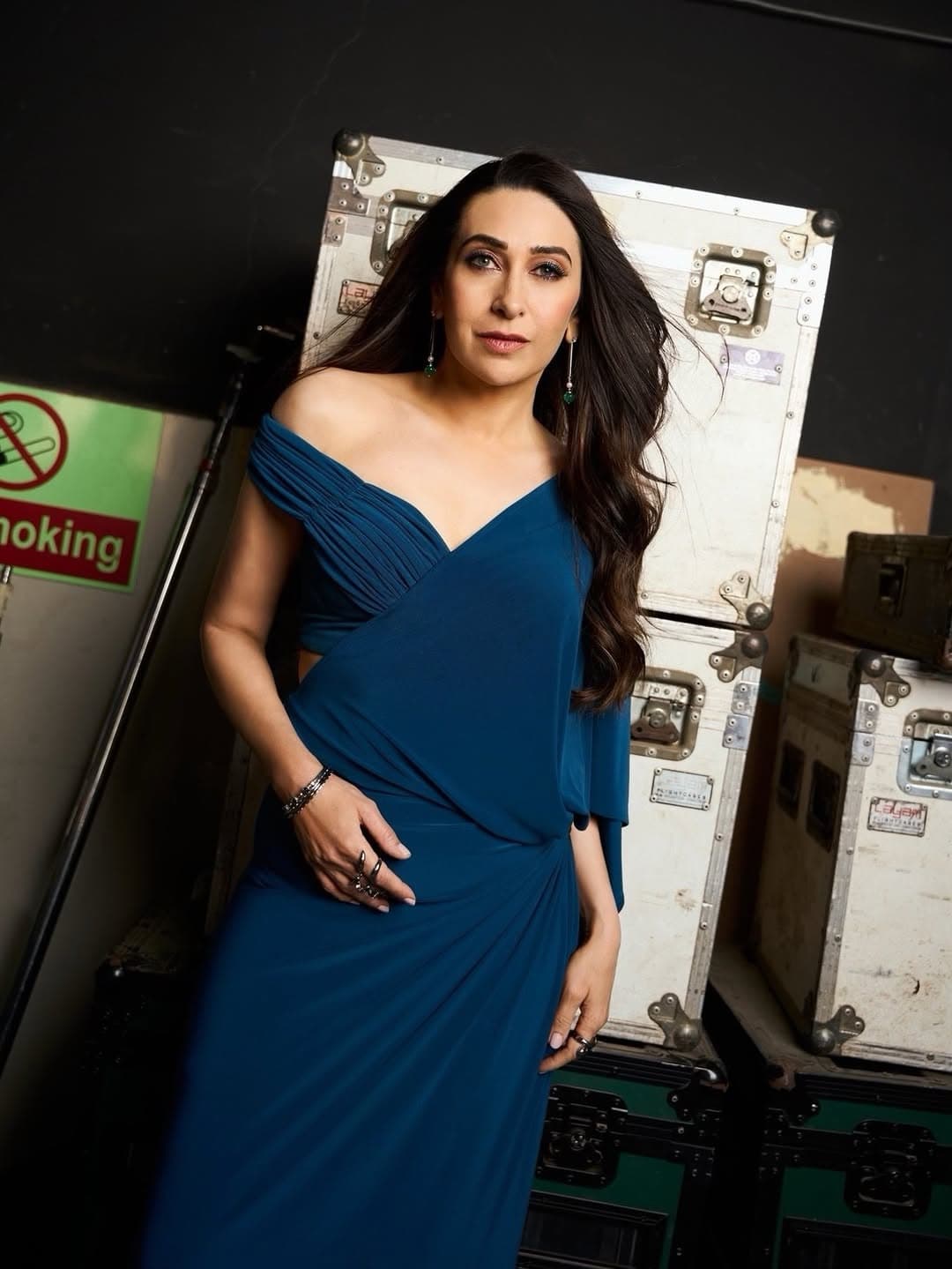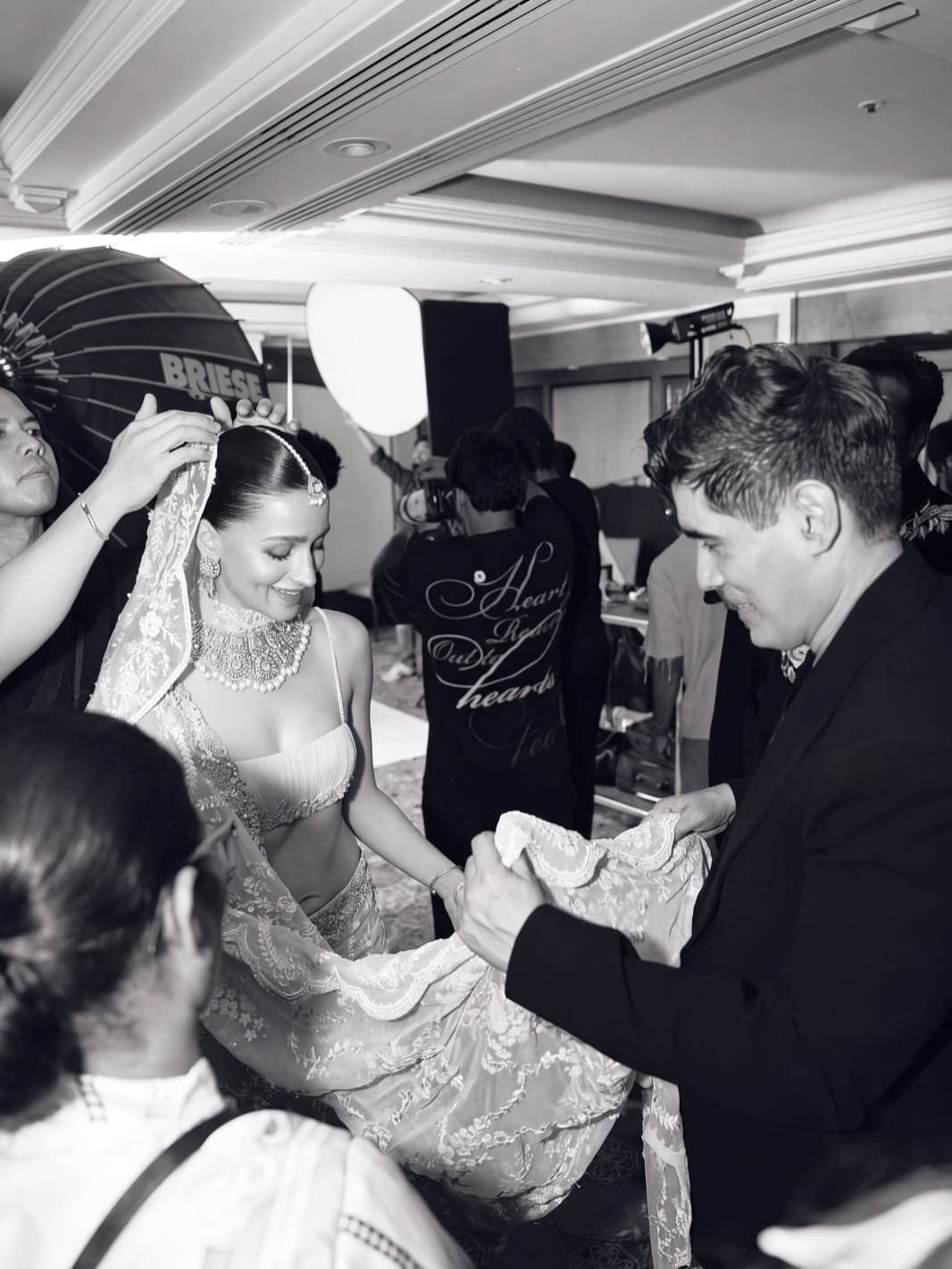
There is a particular kind of confidence in wearing a saree in London and refusing to treat it like costume. In a recent shoot, actor Nupur Sanon Ben makes the case for saree styling in London with a look credited to designer Namrata A Rajpal, a jewellery stack drawn from Anaqa Jewels, Minerali Store and Mozaati, and styling by Sukriti Grover, photographed by Dinesh Ahuja.
Saree styling in London, grounded in credits that matter
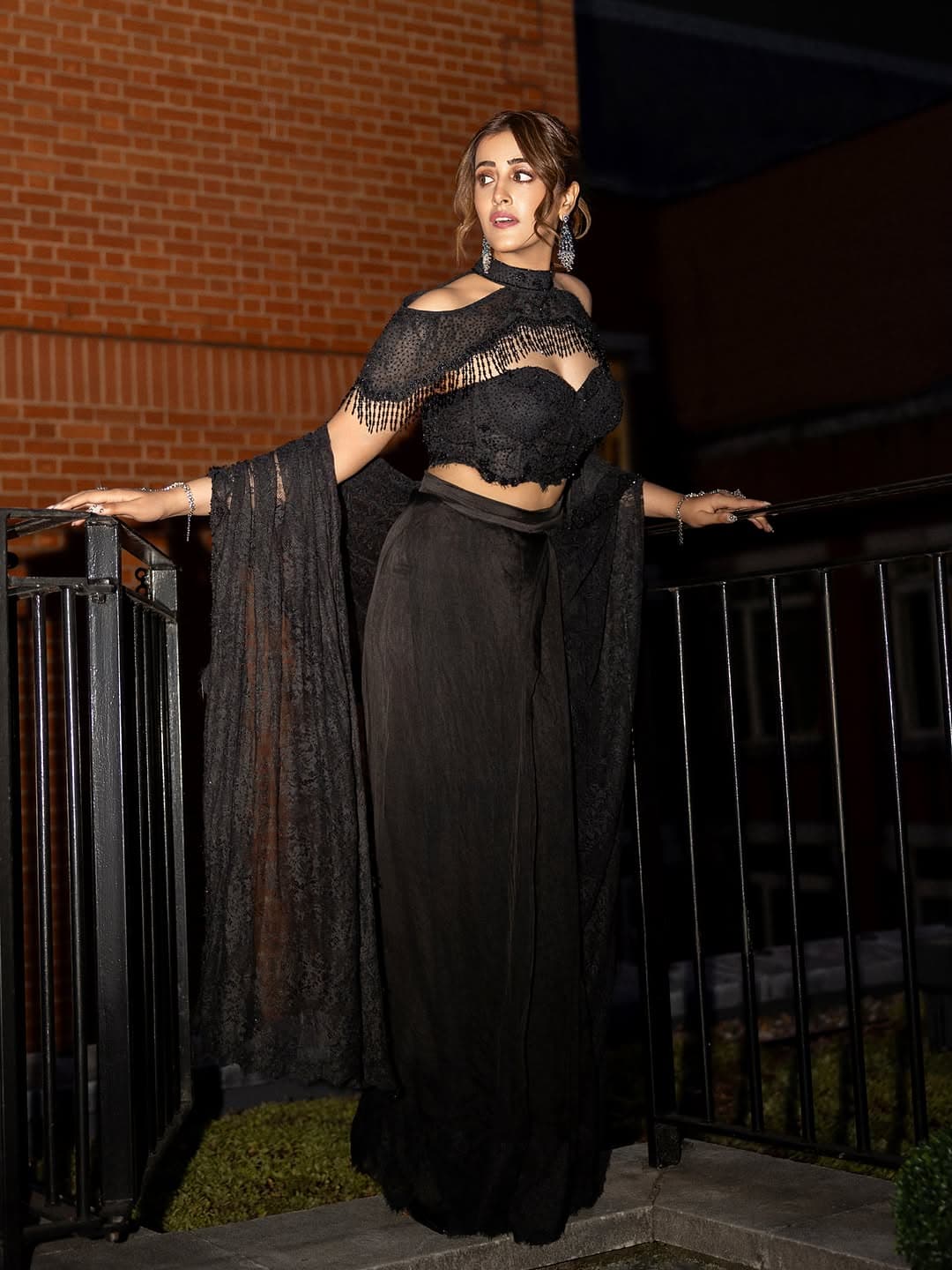
The caption gives us the useful specifics a fashion editor actually needs: who made the outfit, who styled it, who shot it. The outfit is tagged to @namrataarrajpal.official, while the jewellery credits span Anaqa Jewels, Minerali Store and Mozaati. Styling is credited to Sukriti Grover, with assistance by Vani Gupta, and the camera is credited to Dinesh Ahuja.
That roll call is more than etiquette. It tells you this is not a last minute “let us drape something” moment, it is a constructed fashion image: clothing, adornment, styling, and lens each doing a job. In other words, a modern answer to saree styling in London that does not ask for permission from the city’s palette.
What this look gets right about dressing Indian in a global city
London street style already knows how to hold contradictions, tailoring with trainers, heritage checks with club kid jewellery, a trench over a sequinned dress at 2 a.m. The saree slides into that logic naturally when it is treated as clothing, not a “special occasion.” Pairing it with a considered jewellery mix, as credited here, pushes the look away from bridal shorthand and toward personal styling.
There is also something pointed in the caption’s postscript, “That’s how you do a saree in london ;)”. It frames the image as instruction, not nostalgia. The saree is presented as a living garment that can handle a different skyline, different light, different pace, which is exactly why saree styling in London keeps resurfacing across diaspora wardrobes and fashion shoots alike.
Jewellery as the styling engine
When multiple jewellery sources are credited, it usually signals a deliberate stack: pieces chosen for contrast and pacing rather than a matched set. Anaqa Jewels, Minerali Store and Mozaati are each tagged, suggesting the final look was built in layers. That is often where a saree look becomes editorial, not by adding drama to the drape, but by letting the neck, ears, and wrists carry the conversation.
The new rule: stop calling it “ethnic,” start calling it an outfit
What makes this image land is its refusal to over explain itself. “Tu Ramta Jogi…” in the caption suggests mood and music, but the fashion information sits in the credits, clean and direct. That is the real takeaway for anyone thinking about saree styling in London: treat the saree with the same wardrobe logic you would give a coat dress or a slip skirt. You build it, you style it, you photograph it, and you let the city be background, not judge.
If this is where you want your closet to go next, consider how London’s best looks are assembled, one strong element at a time. Start with the drape and fabric behaviour, then decide what you want the jewellery to do: punctuate, lengthen, or add density.
Photo Credits
Cover image photographed by Dinesh Ahuja, featuring Nupur Sanon Ben in an outfit by Namrata A Rajpal with jewellery by Anaqa Jewels, Minerali Store and Mozaati, styled by Sukriti Grover. Additional images courtesy of their respective owners.