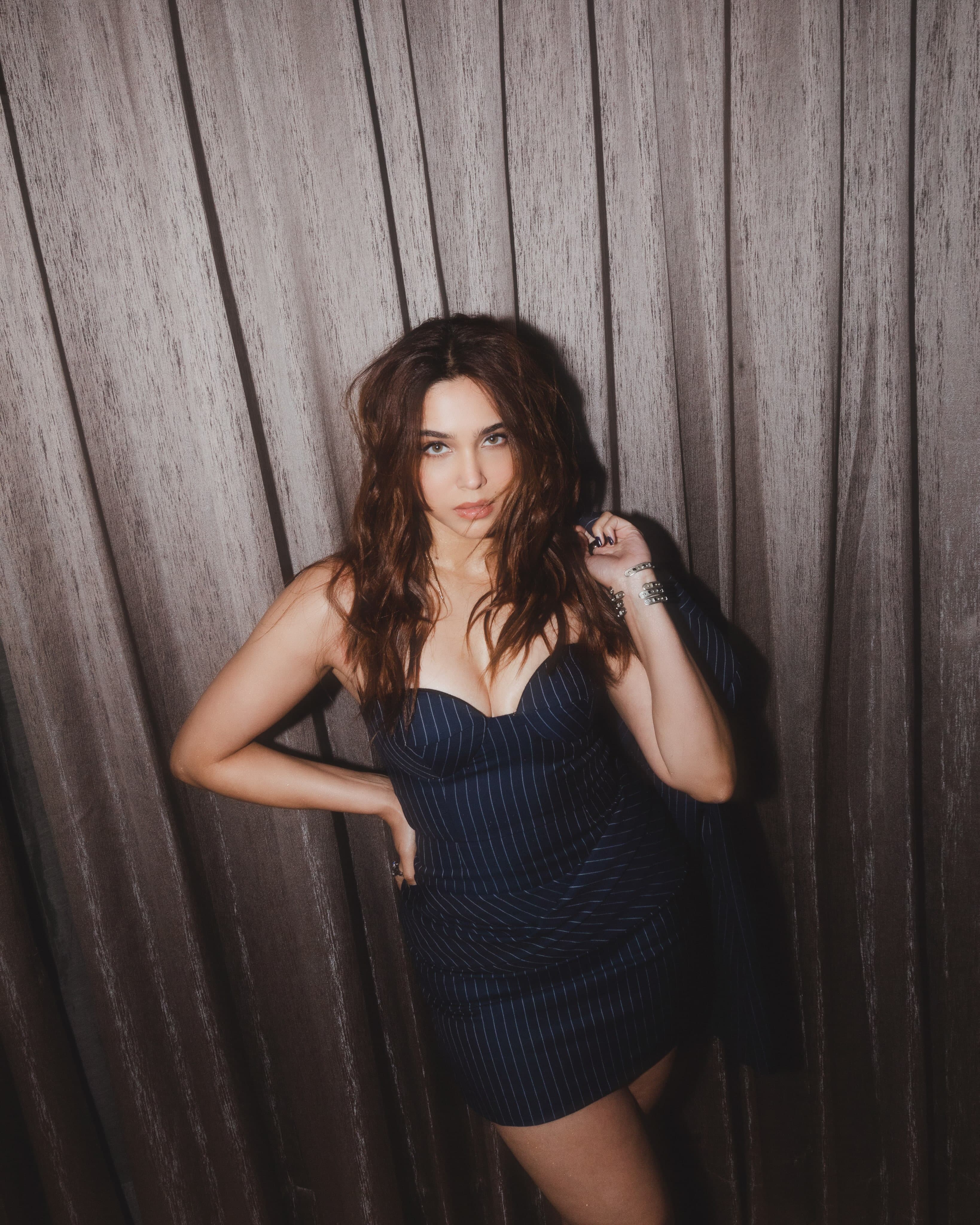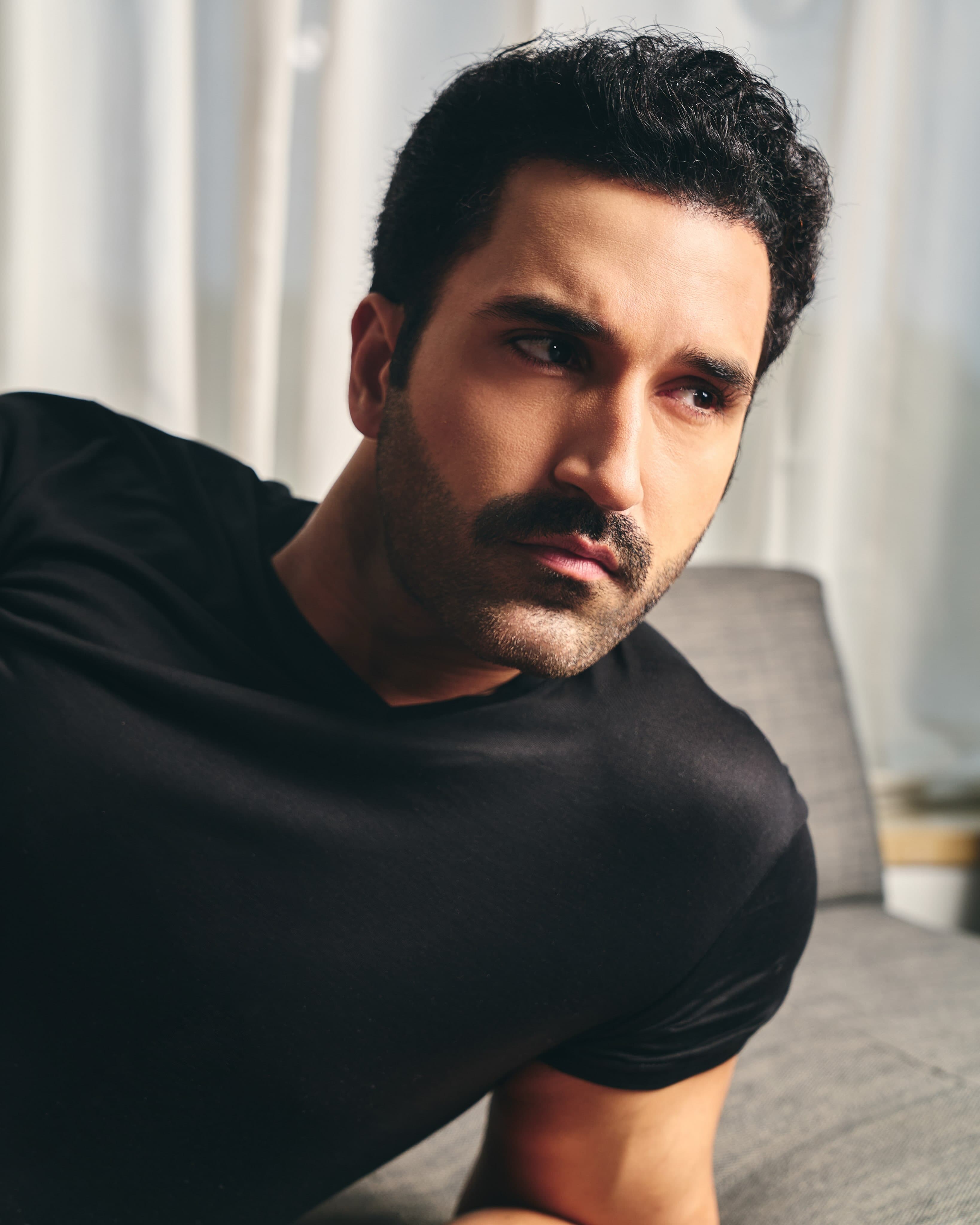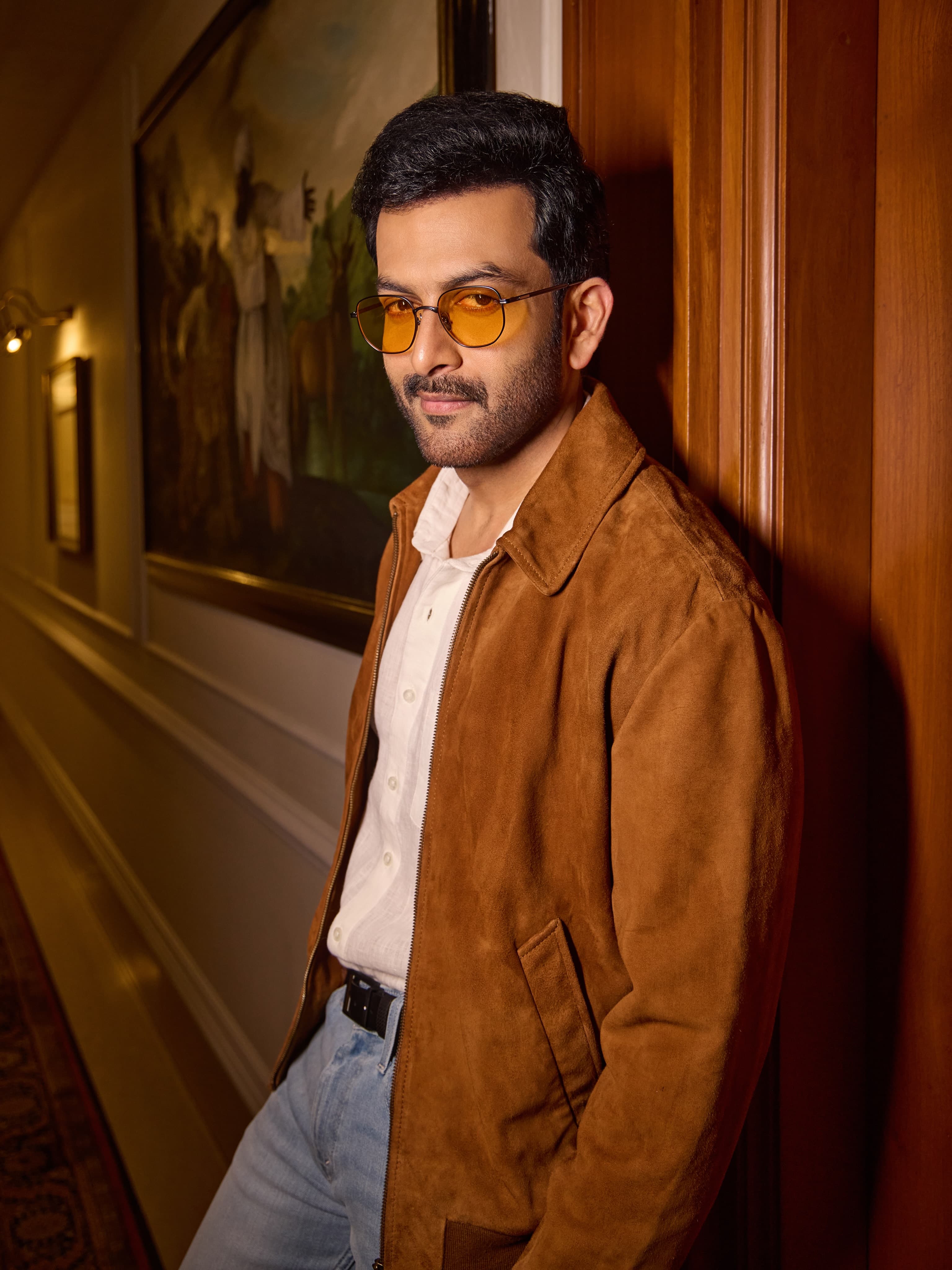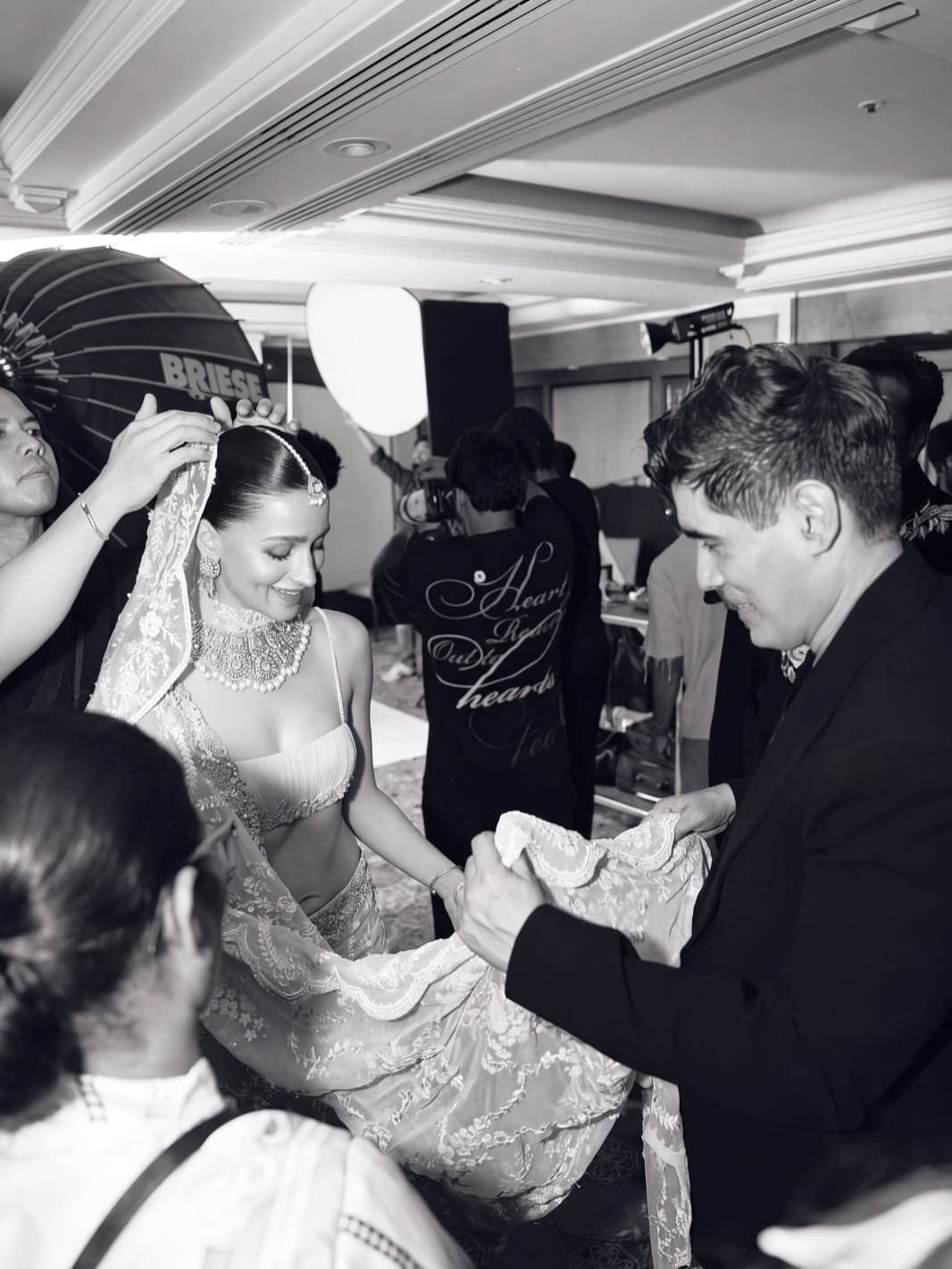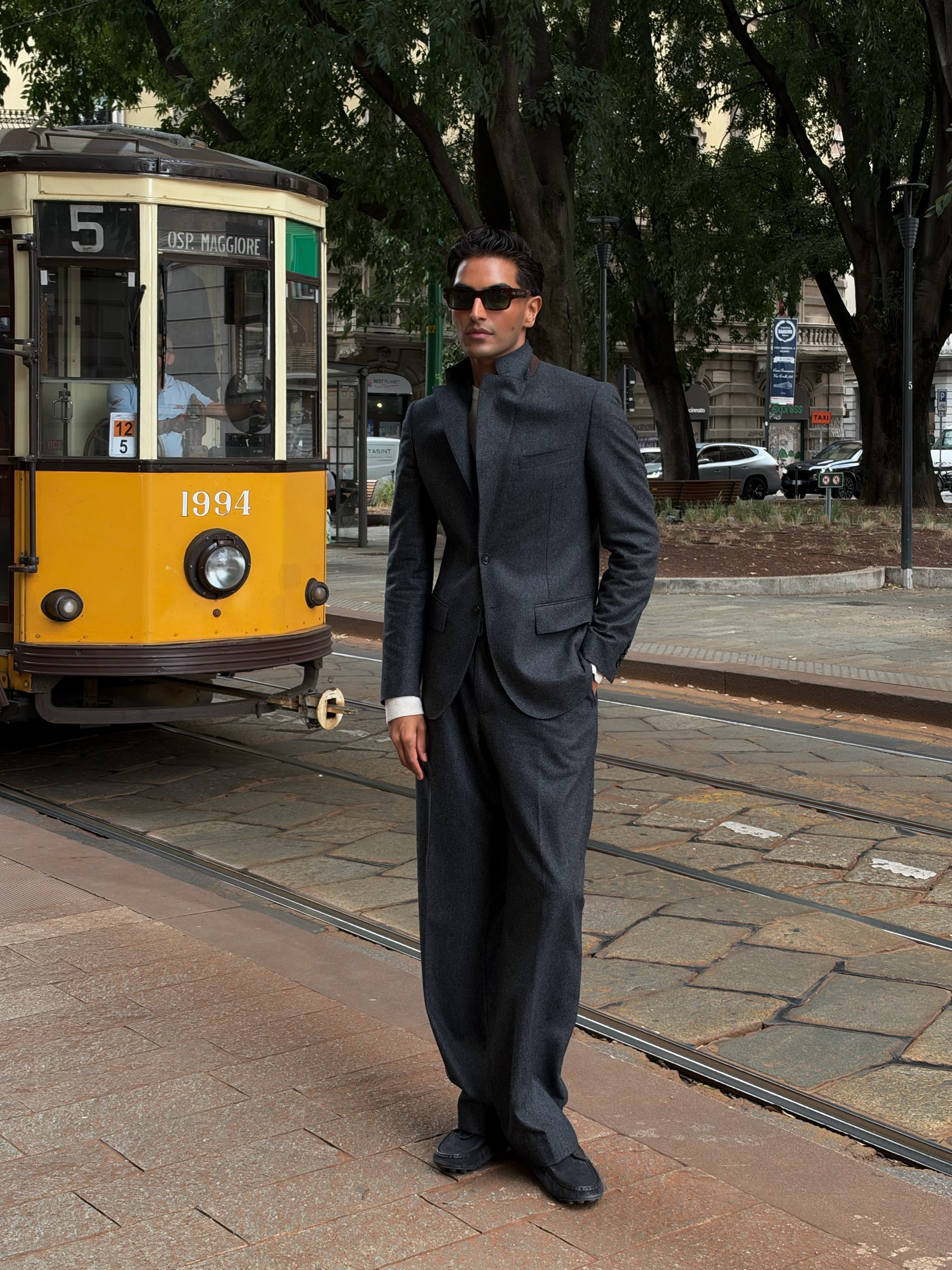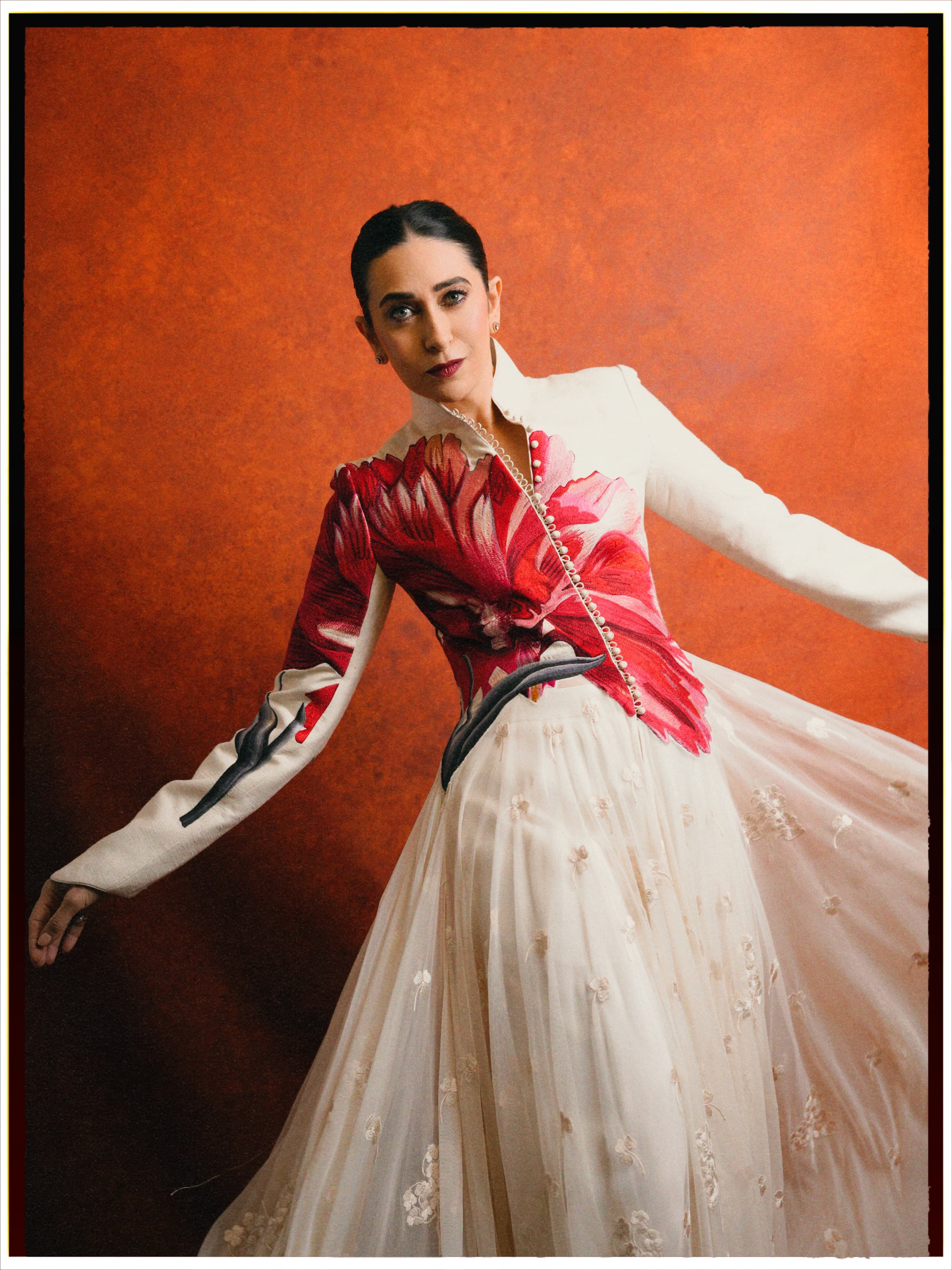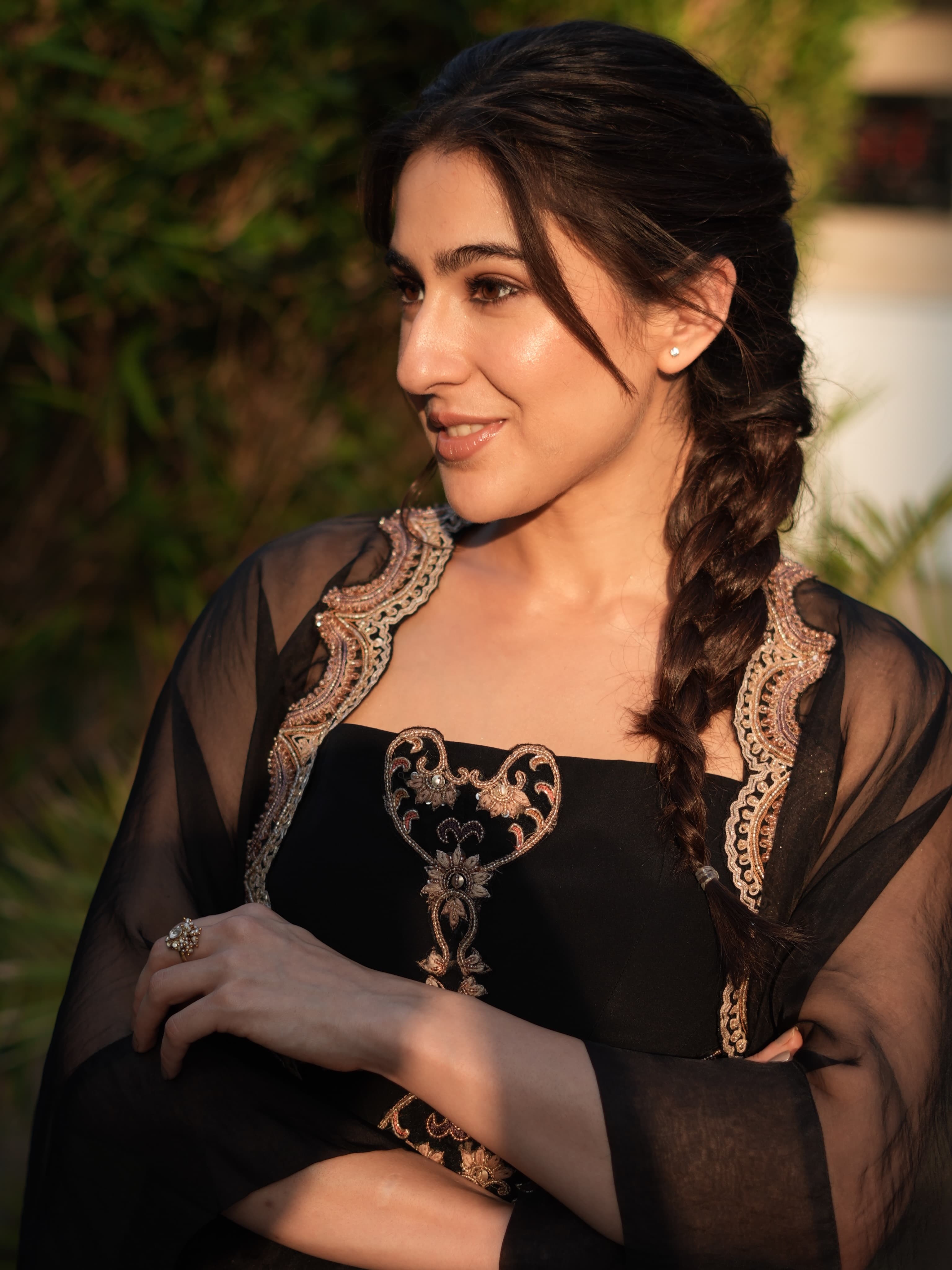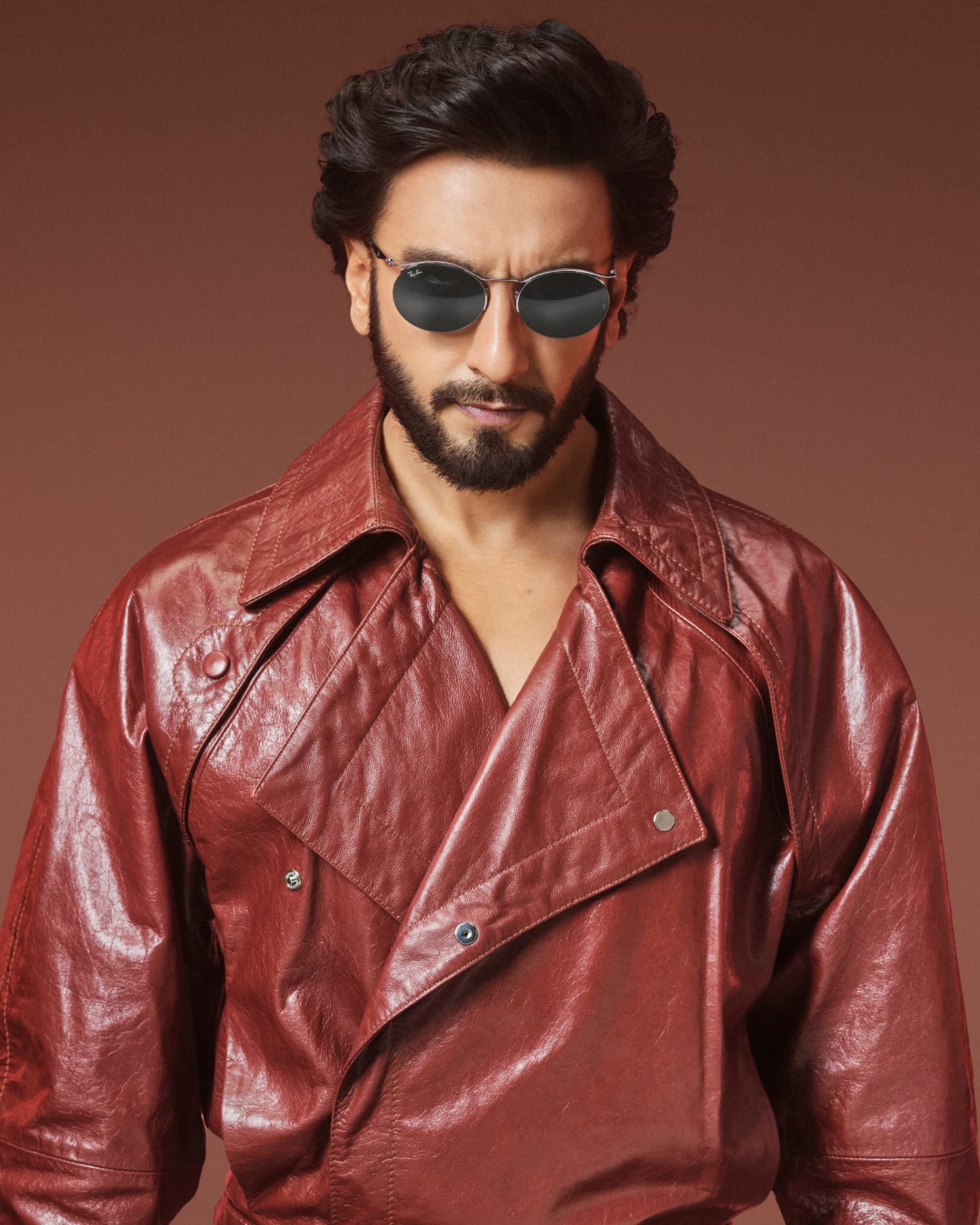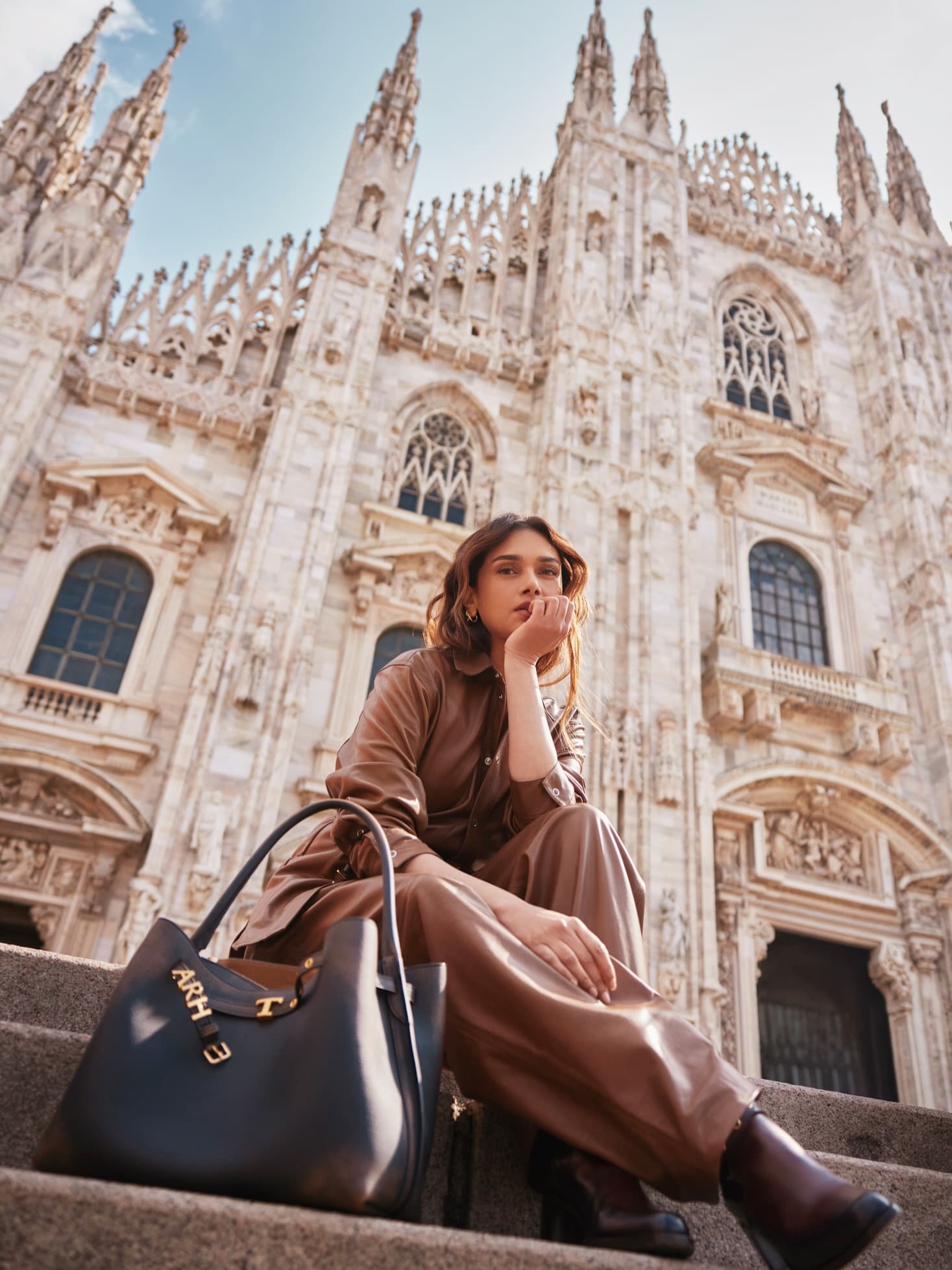
Aditi Rao Hydari in Tod’s SS27 is presented here less as a single “look” and more as a sequence of decisions, a face angle held for a beat longer, a finish that flashes when the camera moves. The post that surfaced the images is spare on specifics, but it is rich in the kind of production credits that matter: hair and makeup by Alessandro Pompili, photography attributed to Dirk Alexander Photography and Aldrich Mortel, and a project tag for Fetch India.
Tod’s SS27, filtered through a very modern credits roll
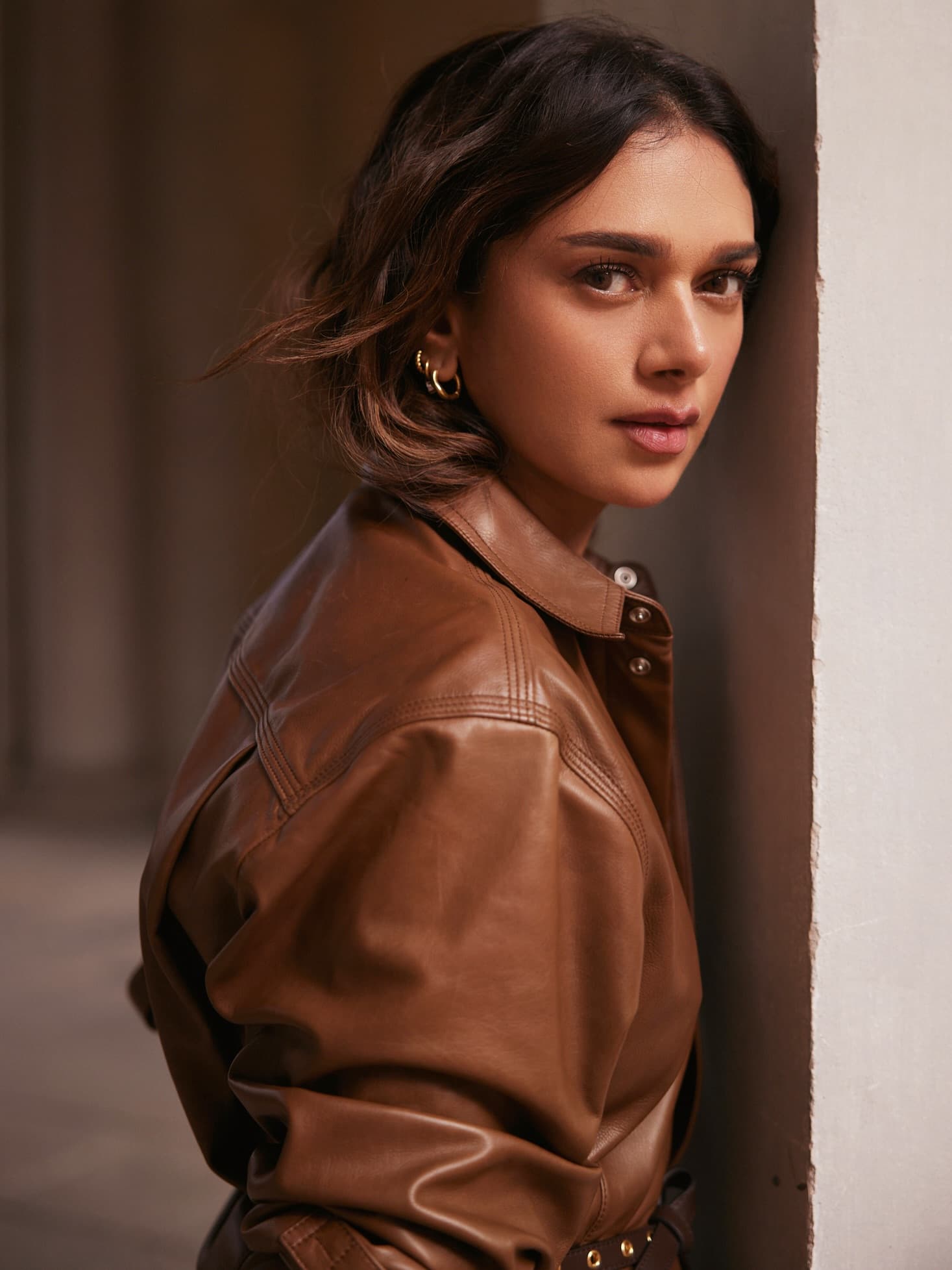
When an image set arrives with this many tags, it tells you how the work was built. Tod’s SS27 is the headline, but the supporting cast signals a fashion story shaped by a team rather than a house alone. Hair and makeup are explicitly credited to @alessandro__pompili, while the photography credits split across @dirkalexanderphotography and @aldrichmortel_ in the captioning provided. That division is telling: it suggests an edit assembled from more than one camera eye, or at minimum more than one publishing trail.
There is also the project mention, @fetch_india, a tag that reads as a production or commissioning node rather than a mere repost. In 2026 fashion media, that matters. Campaign language is no longer confined to the brand’s channels, it is distributed through creative collectives, stylists, photographers, and regional platforms that can move images quickly and with their own point of view.
What the caption does, and does not, confirm
The caption gives us a clean set of verifiable statements and then stops. It confirms a Tod’s association and the seasonal handle via the hashtag #TodsSS27. It confirms contributors by handle. But it does not specify whether these images are part of an official Tod’s campaign, a magazine story, a lookbook, or a personal-style moment styled around the season’s pieces.
So rather than pretending access we do not have, it is more honest, and more interesting, to treat this as a case study in how Tod’s SS27 is being visualised in the wider image economy. These photographs are doing branding work regardless of where they originated, they attach Tod’s to Aditi Rao Hydari’s public image, and they foreground the craft roles by naming them.
Why Tod’s stays camera-ready: leather, line, and recognisability
Tod’s has long traded on recognisable codes. Even when a post does not specify the exact item name, Tod’s communicates through material and silhouette in a way that survives resizing, reposting, and the compression of social platforms. That is why Tod’s SS27 works so well in tagged, credit-forward sets like this. You may not get a product ID, but you get a clear signal: Italian leather authority and a brand that knows how to look expensive when the light is unforgiving.
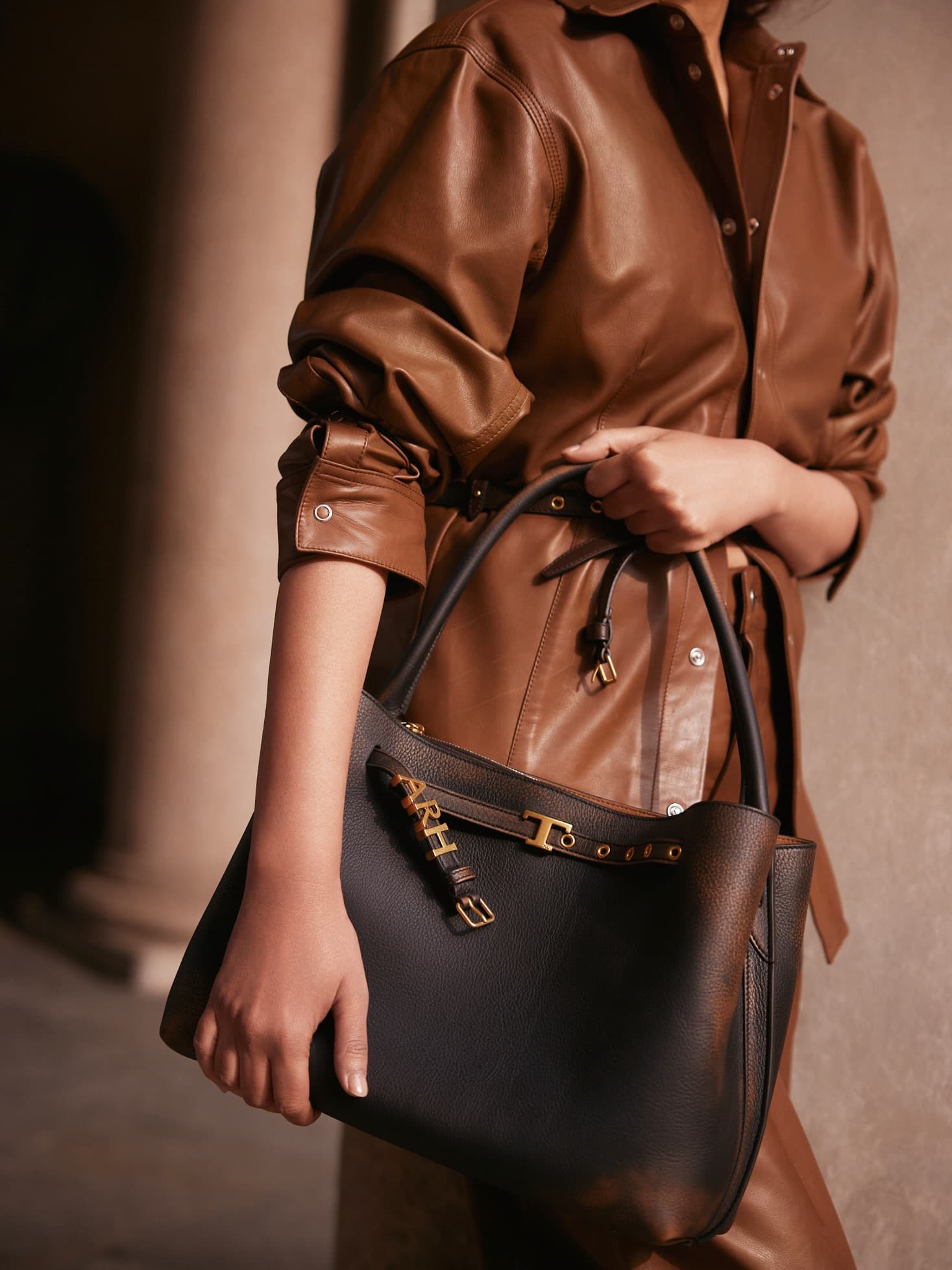
If you want the brand’s official frame, Tod’s positions itself as an Italian luxury house founded in the early 20th century, best known globally for leather goods and shoes. That high-level identity is documented in the company’s own materials, including its “About” pages and corporate history.
The Aditi Rao Hydari factor
Aditi Rao Hydari’s presence changes how the clothes land. She brings a particular screen charisma that rewards still photography, a softness around the eyes that can carry heavy styling without being swallowed by it. In a multi-image set, that kind of face works like good editing, it creates continuity even if the visual authorship is shared across photographers or publishing trails.
The point of “Senza sbatti”: a vibe, yes, but also an editorial instruction
The caption opens with “Senza sbatti”, Italian slang that loosely signals a no-drama, low-friction mood. In a fashion context, it doubles as direction. The team credits suggest a controlled set where the work is in the grooming, the framing, the choice of what not to overstate. And in that sense, Tod’s SS27 becomes a natural fit: a brand whose strongest pieces often do their speaking through finish and proportion, not extra narrative.
For readers tracking Tod’s across seasons, the most useful takeaway from this post is not one hero product, it is the network: the credited HMU, the photographers, the project tag, and a celebrity whose image travels easily across fashion and film.
Photo Credits
Cover image and additional images courtesy of their respective owners. Credited in source caption: HMU @alessandro__pompili, photography @dirkalexanderphotography and @aldrichmortel_, project @fetch_india.