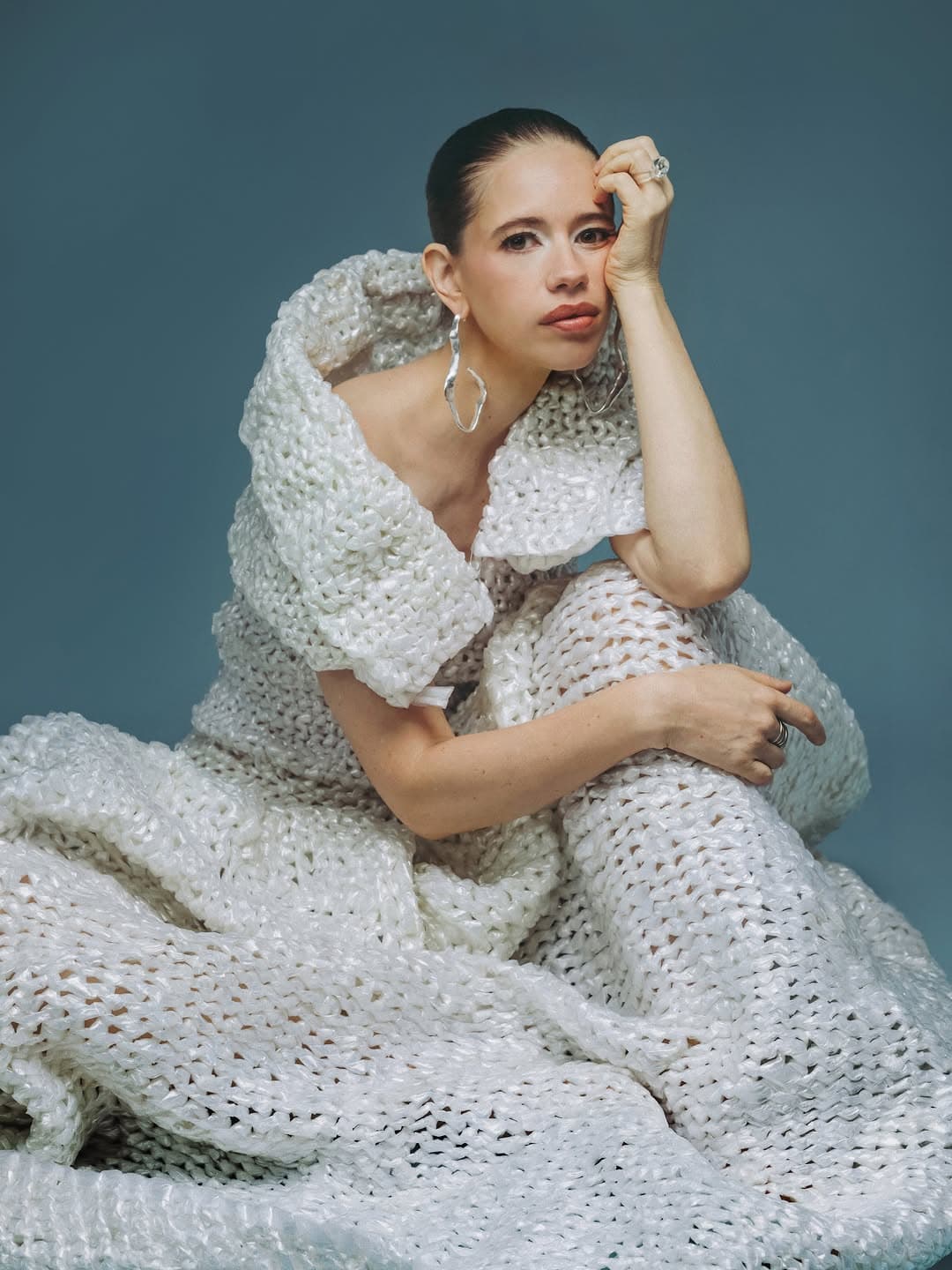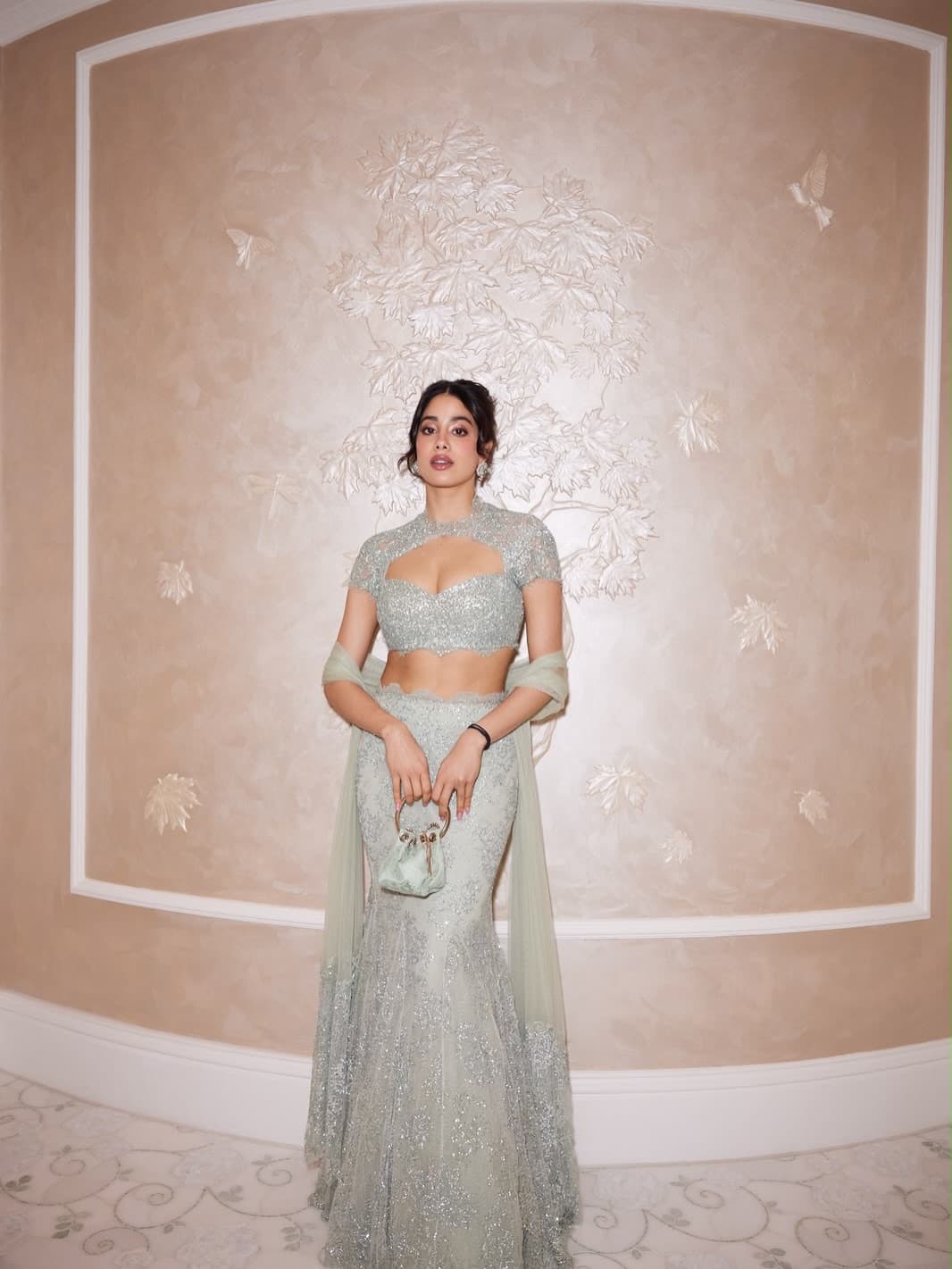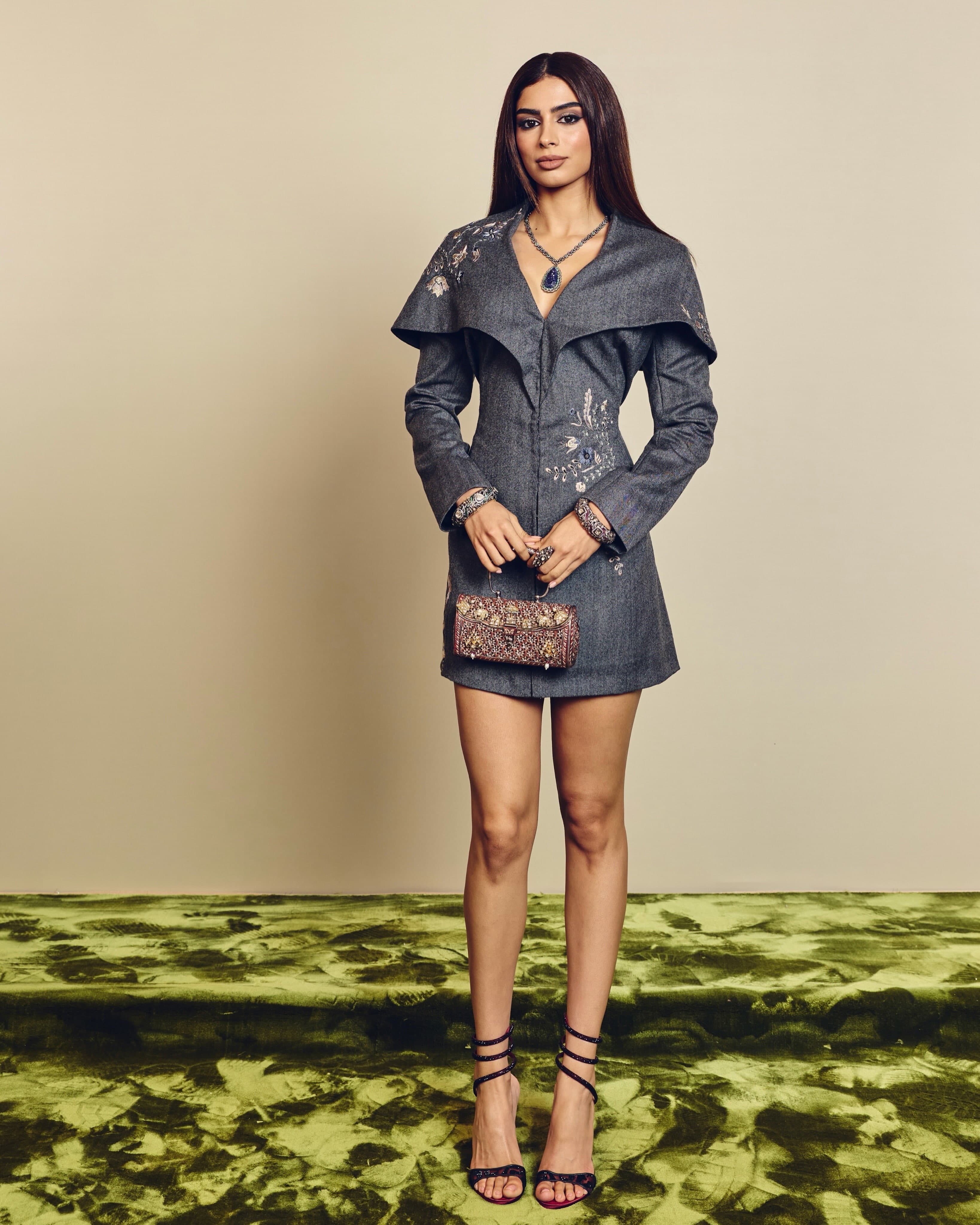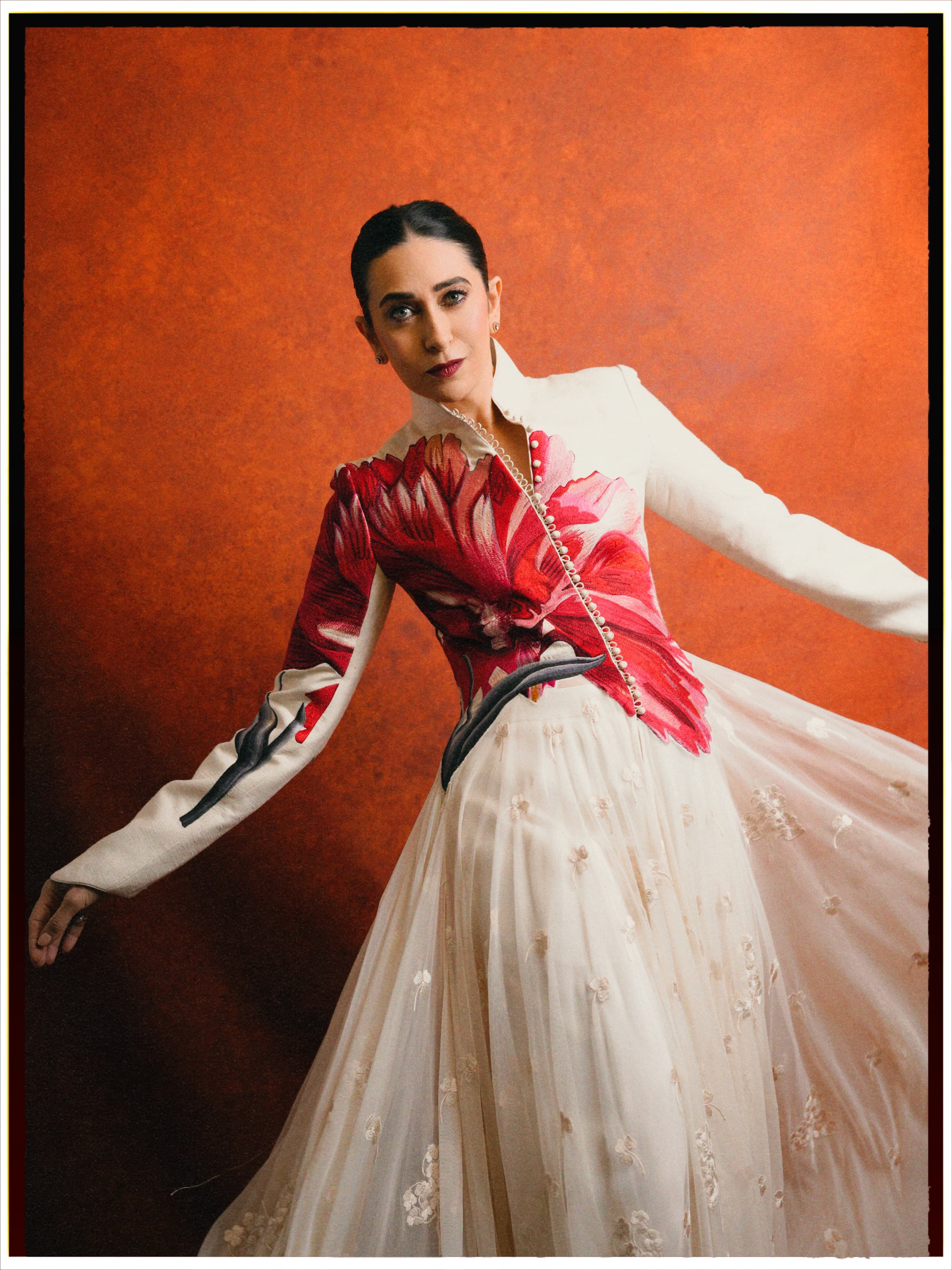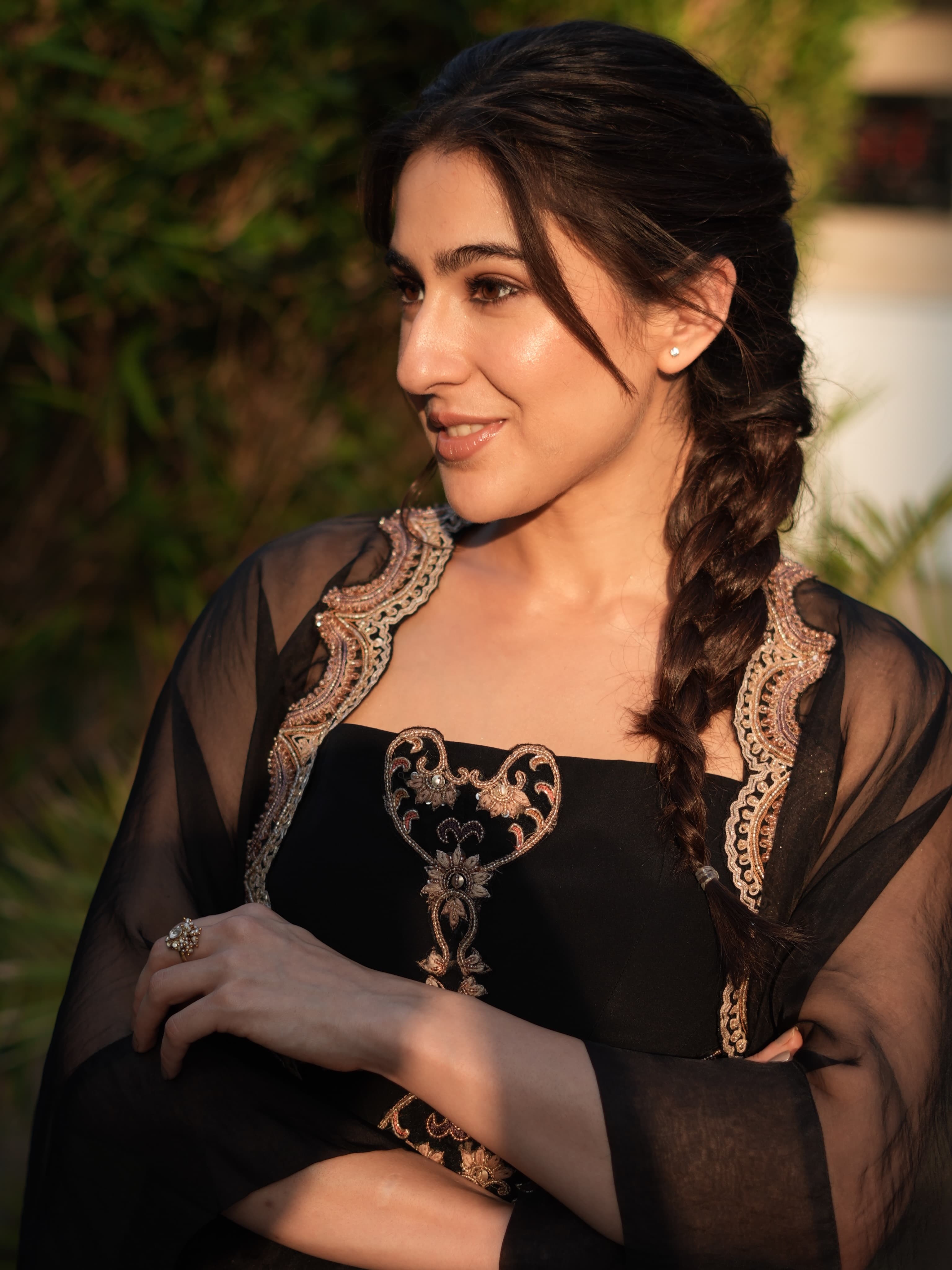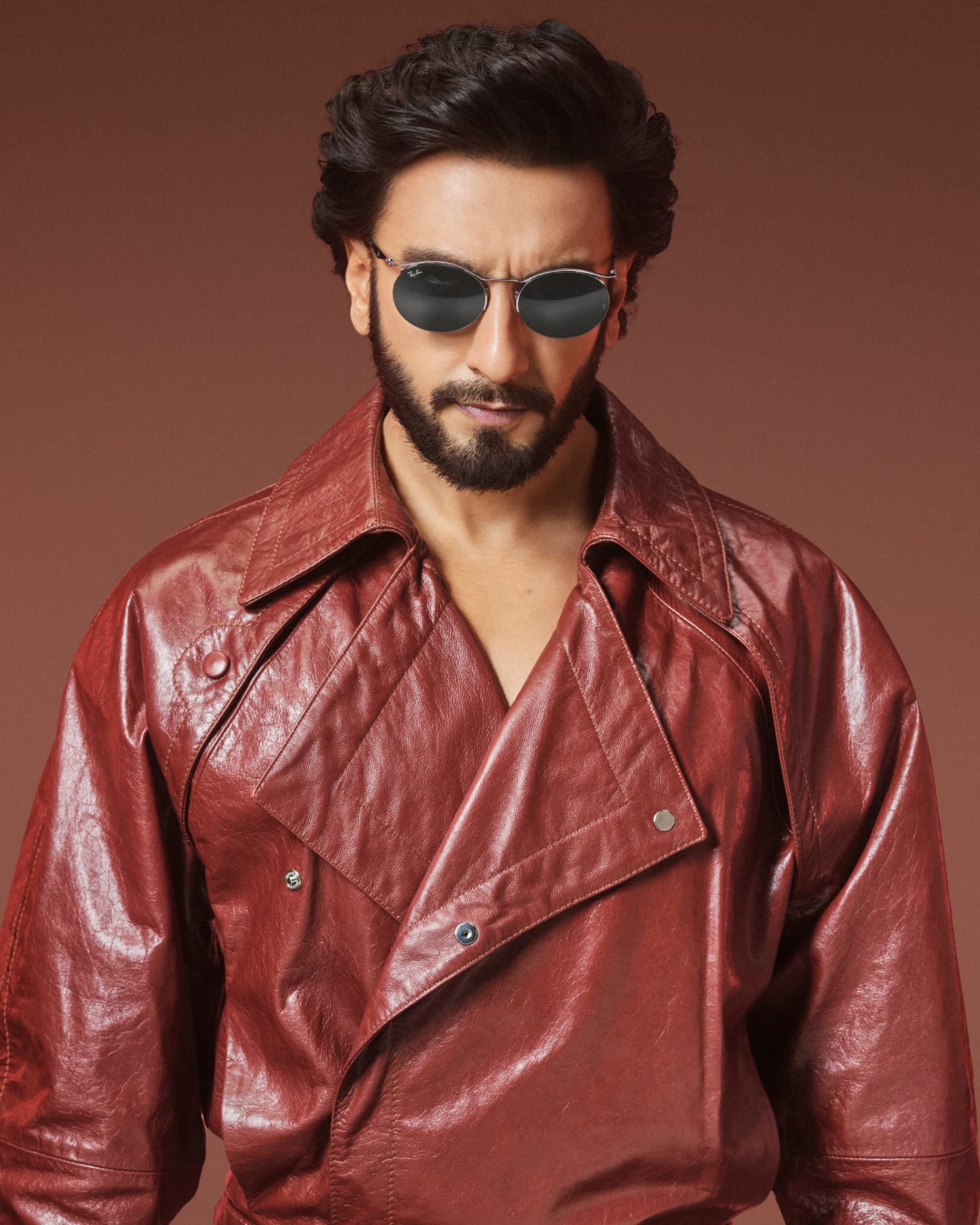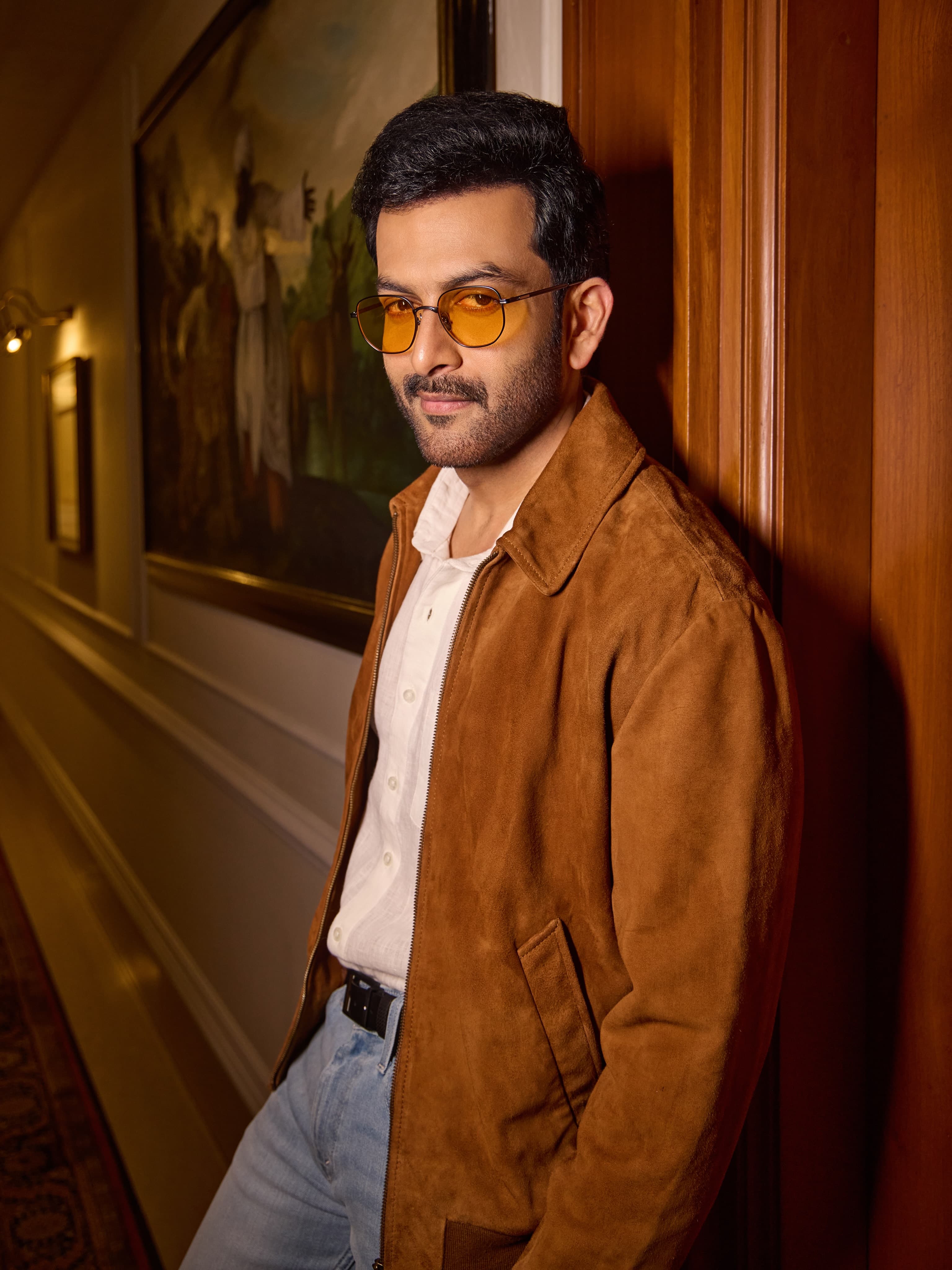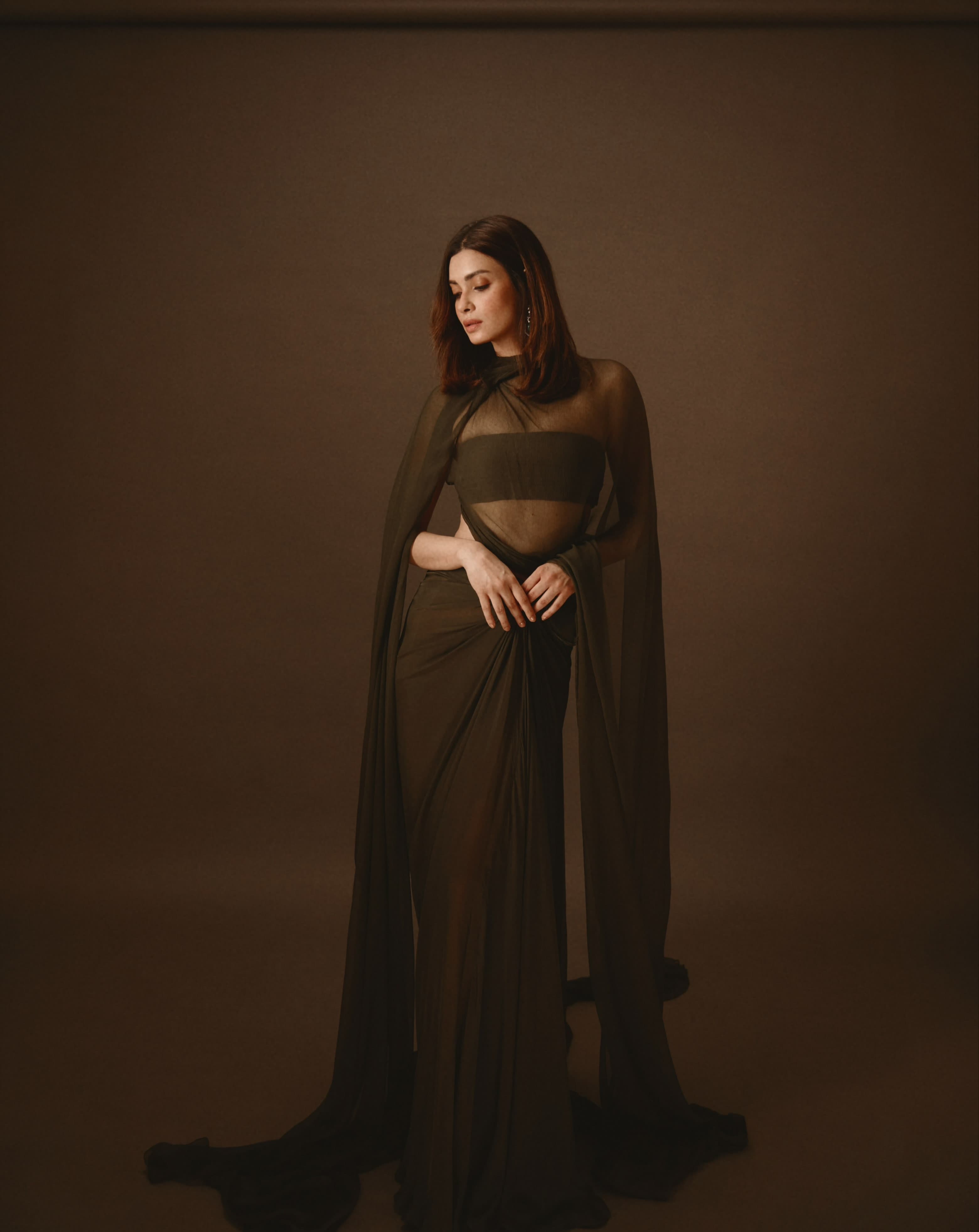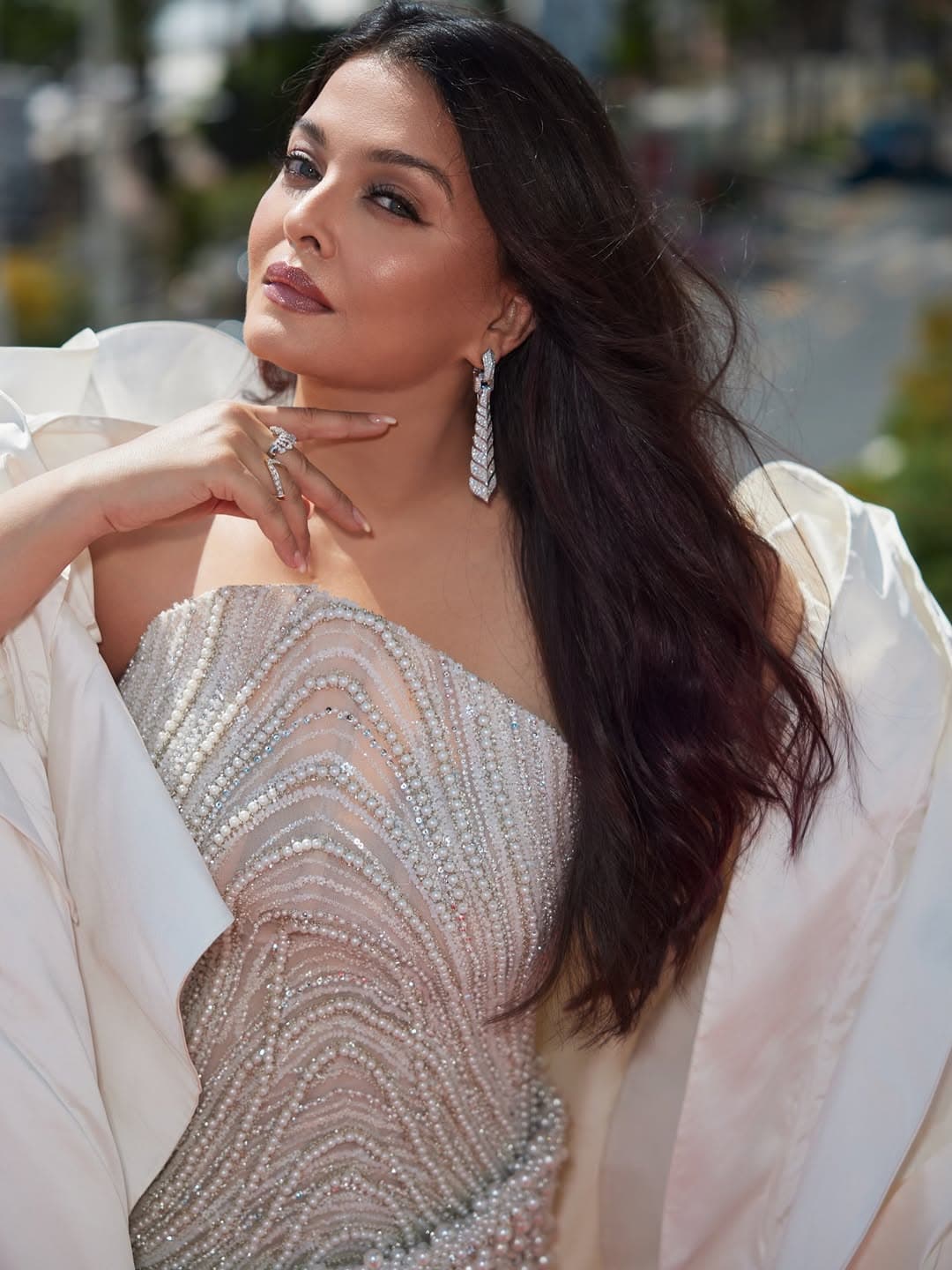
The Cannes red carpet is often treated like a single, sweeping idea, but the best looks arrive as a set of decisions you can point to. In this case, the decisions are specific: Aishwarya Rai Bachchan in custom Tony Ward Couture, finished with Boucheron high jewellery, and styled by Mohit Rai. It is a Cannes Film Festival moment built from credited hands, a reminder that “star power” is rarely a solo act.
Aishwarya Rai Bachchan Cannes look, itemised
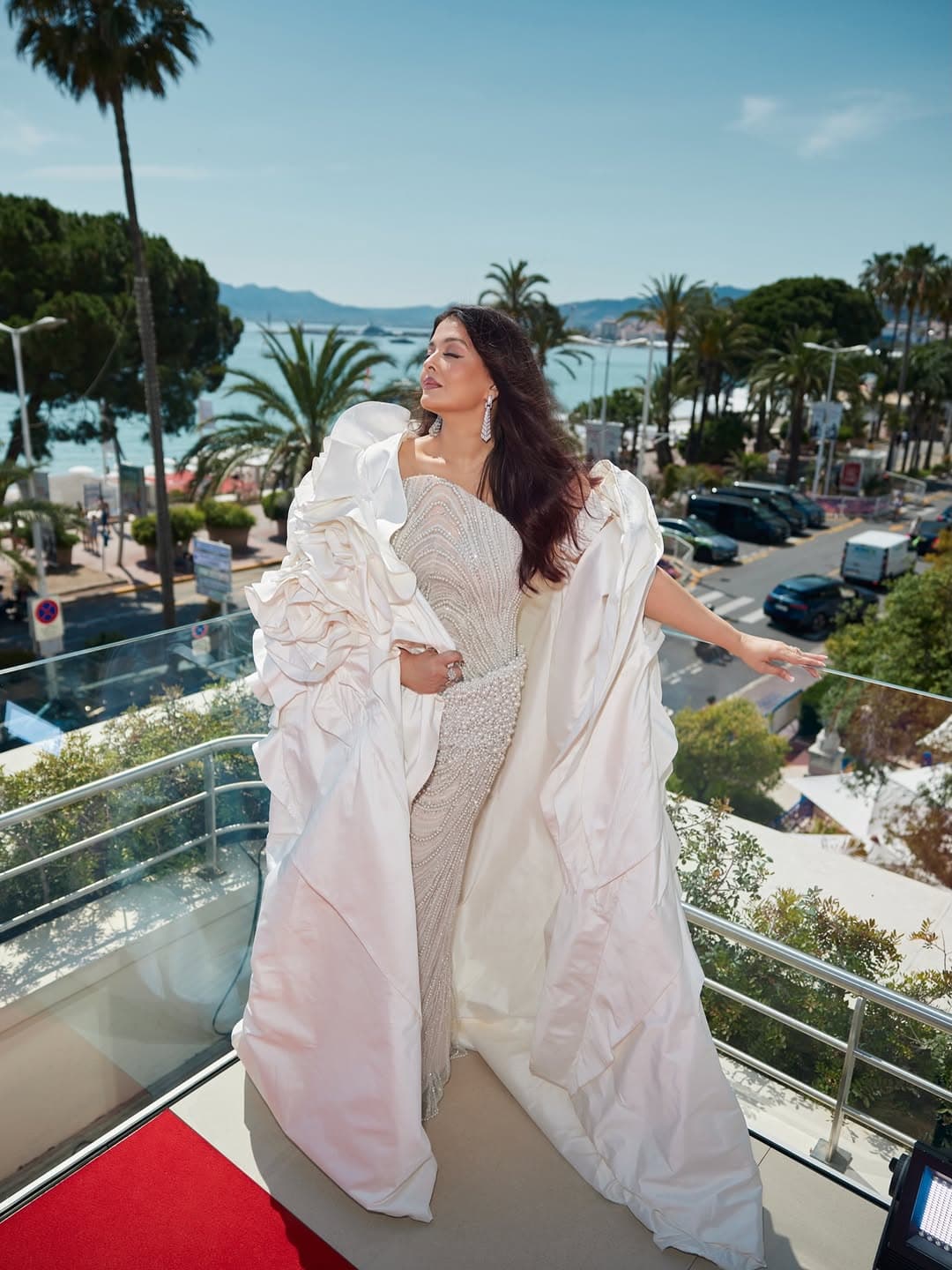
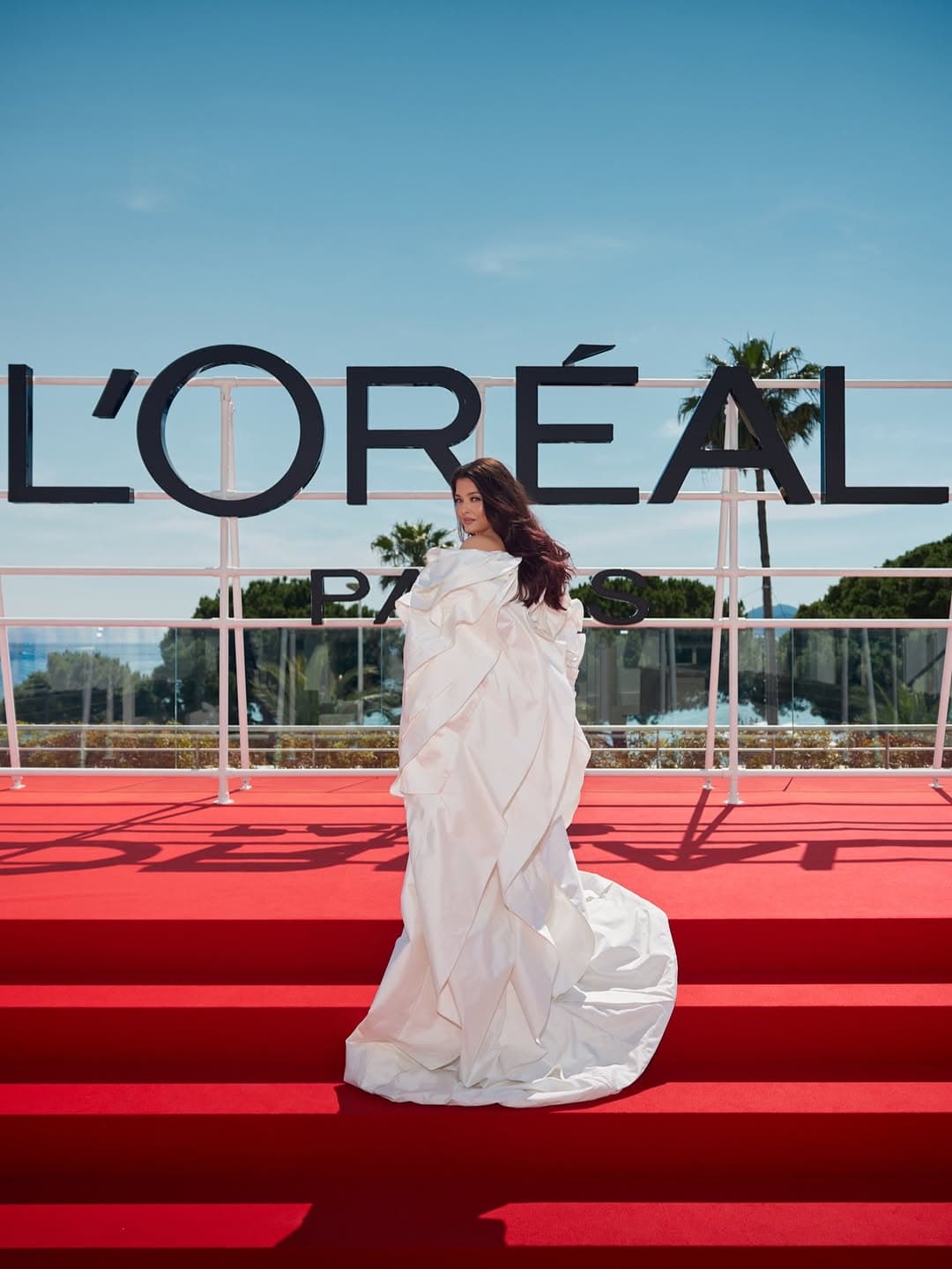
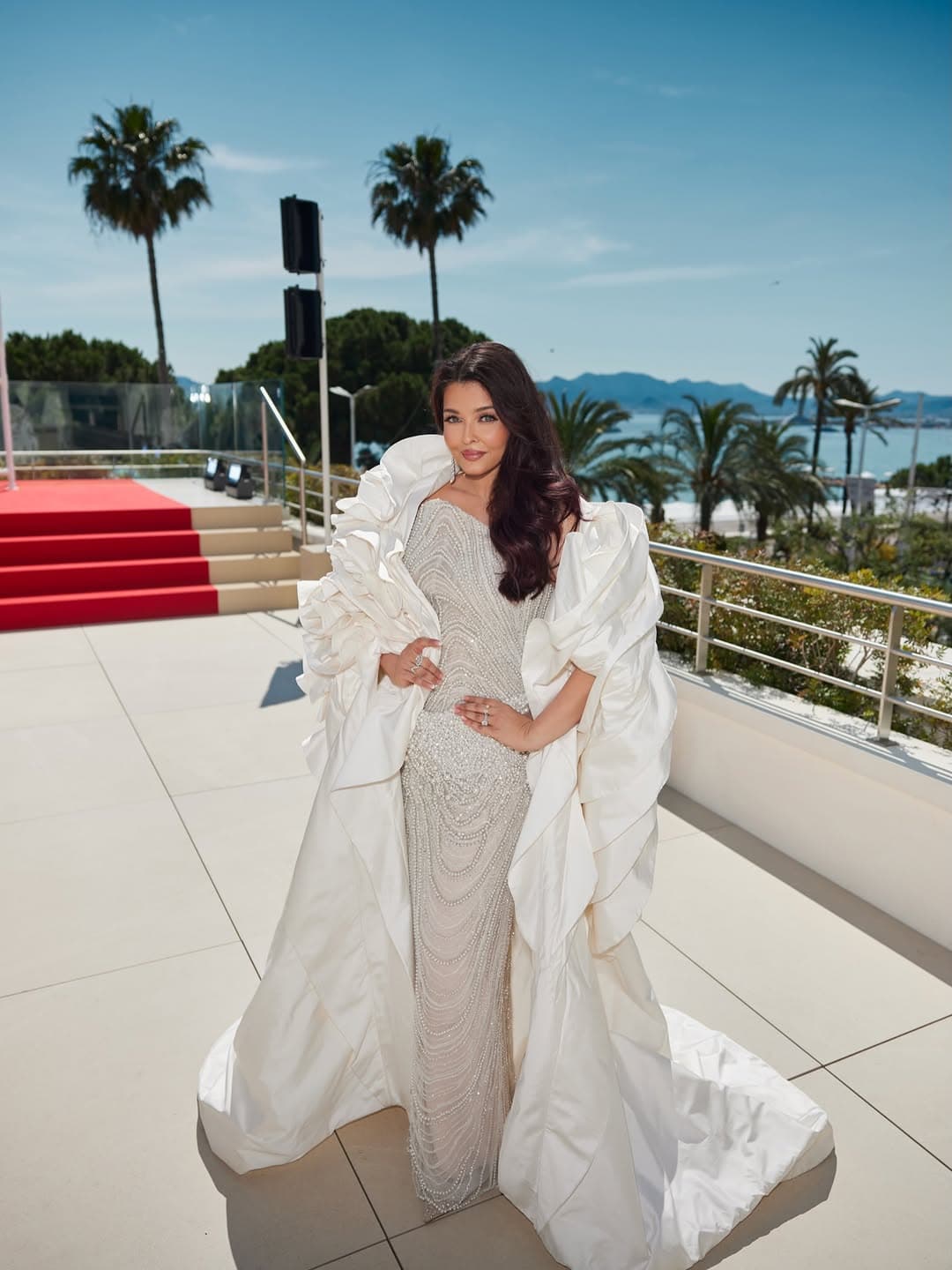
If you want to understand why an Aishwarya Rai Bachchan Cannes look lands, start with the credits. The fitting is custom from Tony Ward Couture, a house known for its sculptural eveningwear and embellishment literacy, the sort of atelier that understands how a silhouette reads from ten metres away and also in a tight crop. Jewellery is by Boucheron, specified in the caption as high jewellery, which at Cannes tends to mean pieces engineered for camera flash as much as candlelight.
Beyond the headline names, this is a team production. Styling is credited to Mohit Rai, with Chintan Shah, Taranga Agarwal, and Nannika Bhuptani also listed. Hair is by Stephane Lancien, makeup by Harold James, and the images are shot by Dirk Alexander. Even the on ground coordination is named, with Swity Shinde credited, and a special mention for Cynthia Elkhazen. Those names matter because Cannes is logistics as much as glamour, fittings and call times and last minute saves stitched into the final frame.
What custom Tony Ward Couture does differently on a celebrity at Cannes
Red carpet couture is often discussed as fantasy, but custom work is also a practical response to the architecture of bodies and the architecture of events. A custom Tony Ward Couture look can be calibrated to how a wearer moves in a press line, how fabric photographs under floodlights, how a neckline behaves when someone turns to greet a director, and what happens when jewellery is added on top.
In these images, the impact comes from the way couture and high jewellery share the spotlight rather than competing for it. That balance is hard won. High jewellery has its own internal logic, scale, setting, and the way gemstones throw colour back at the lens. Couture has to leave space for that, or deliberately challenge it. With Boucheron high jewellery in the mix, the outfit cannot be an afterthought, it has to be a stage.
Boucheron high jewellery at Cannes, and why it keeps returning
The Cannes Film Festival remains one of the most visible theatres for high jewellery because it compresses global attention into a short week of premieres and photographs. Boucheron, founded in 1858 and headquartered on Paris’s Place Vendôme, is one of the maisons that reliably uses this stage to place its most elaborate work on people who can carry narrative as well as diamonds.
For an Aishwarya Rai Bachchan Cannes look, Boucheron brings more than sparkle. High jewellery signals a relationship with the house, and it also signals trust: these are pieces that require careful handling, security, and a team that understands how to fasten and frame them so they read instantly. Pair that with custom Tony Ward Couture, and the result becomes a case study in how Cannes style is built: not only by taste, but by coordination.
The supporting cast you rarely see in the final crop
We talk about “who wore what,” but the more revealing question is “who made it possible.” This Aishwarya Rai Bachchan Cannes look arrives with a full roster, styling, hair, makeup, photographer, and an on ground team. It is the sort of credit list that reads as a behind the scenes call sheet, and that is precisely the point. Fashion at Cannes is an industry at work, captured in a single still.
For those tracking the evolution of red carpet couture, this outing also reinforces a broader shift: audiences now pay attention to authorship. The tags matter because they document process, and because the people behind the image deserve to be searchable.
Photo Credits
Images courtesy of their respective owners. Cover image and additional images circulated via the credited team in the caption, including styling by Mohit Rai and photography by Dirk Alexander.