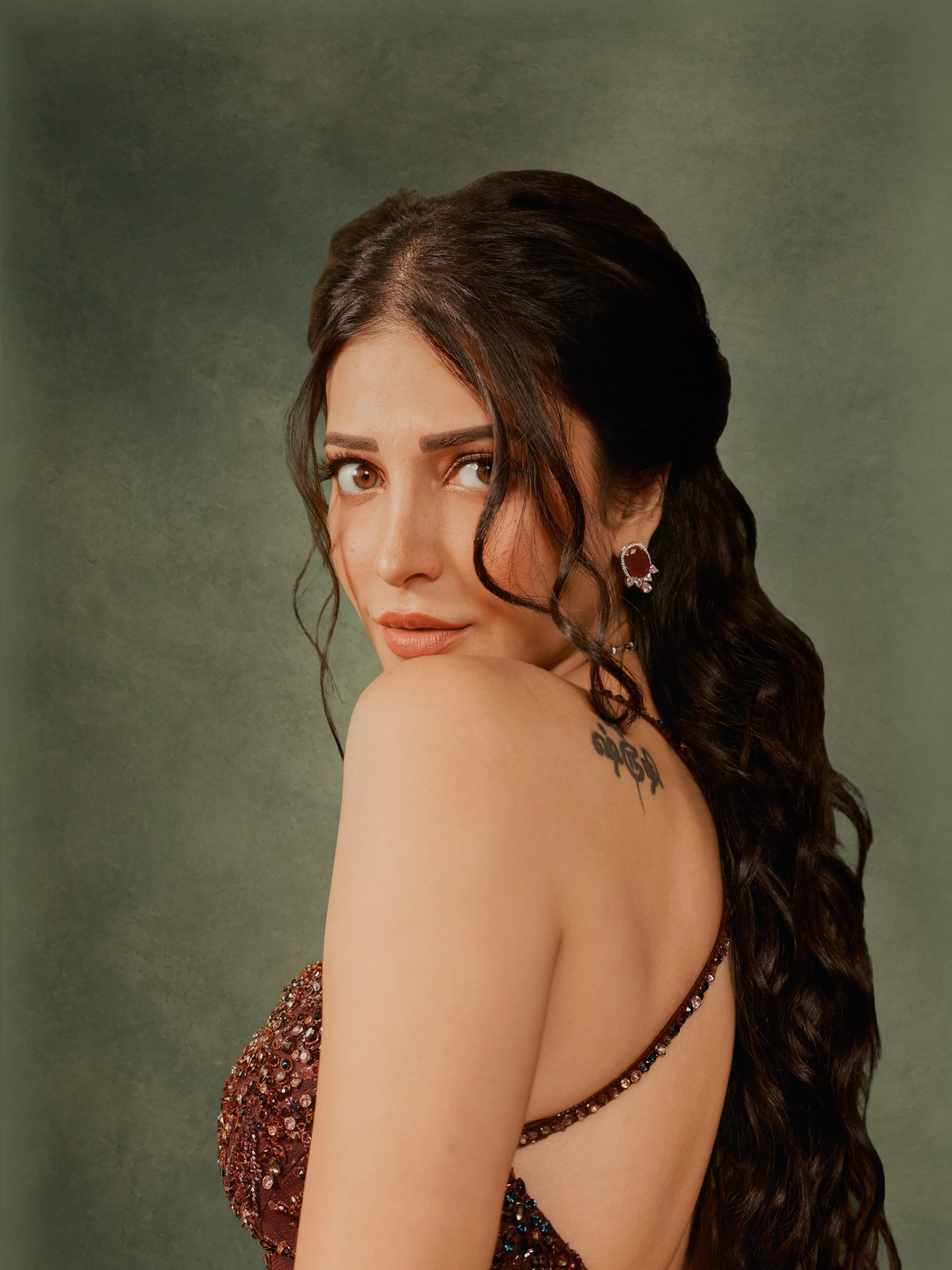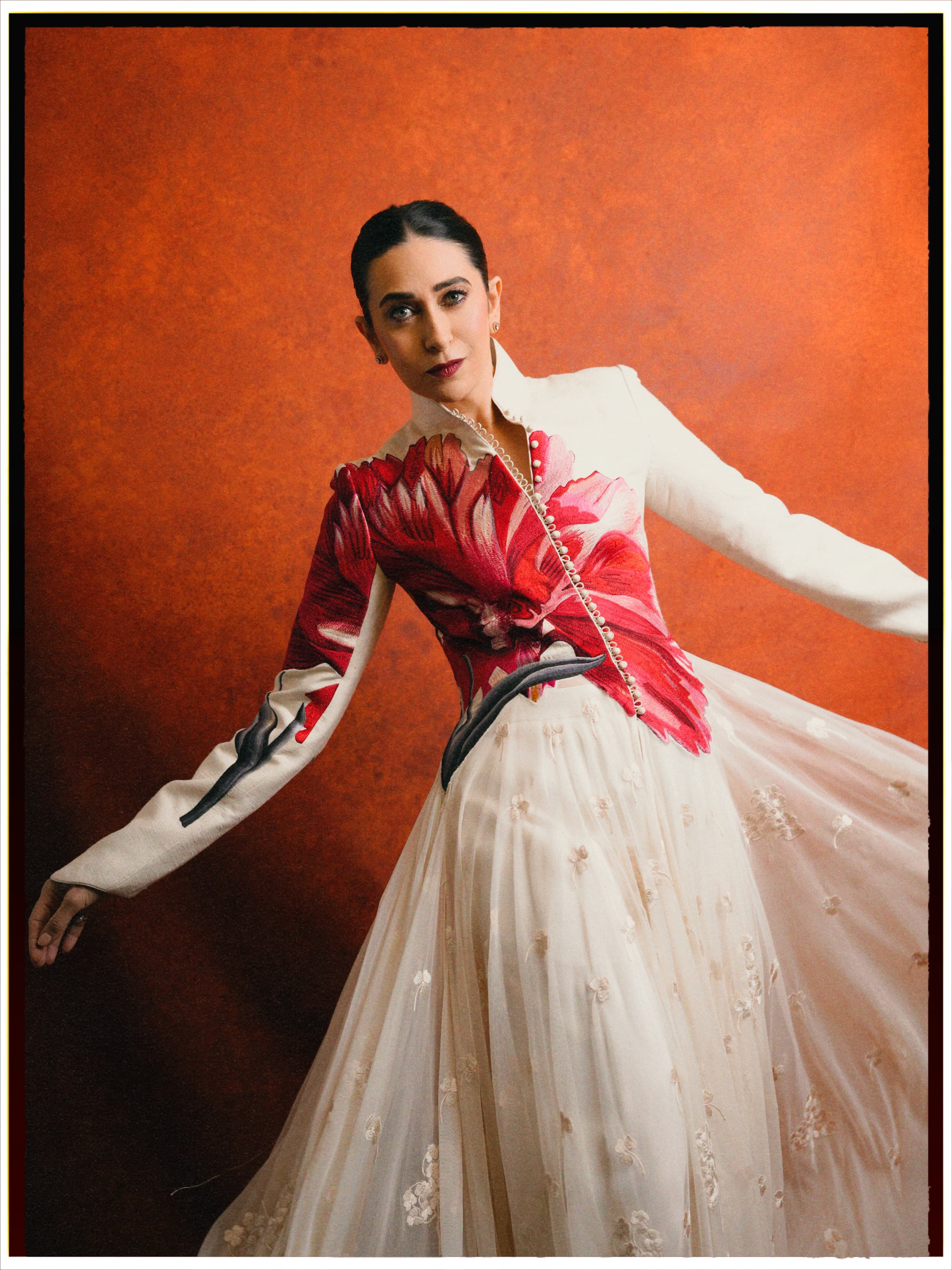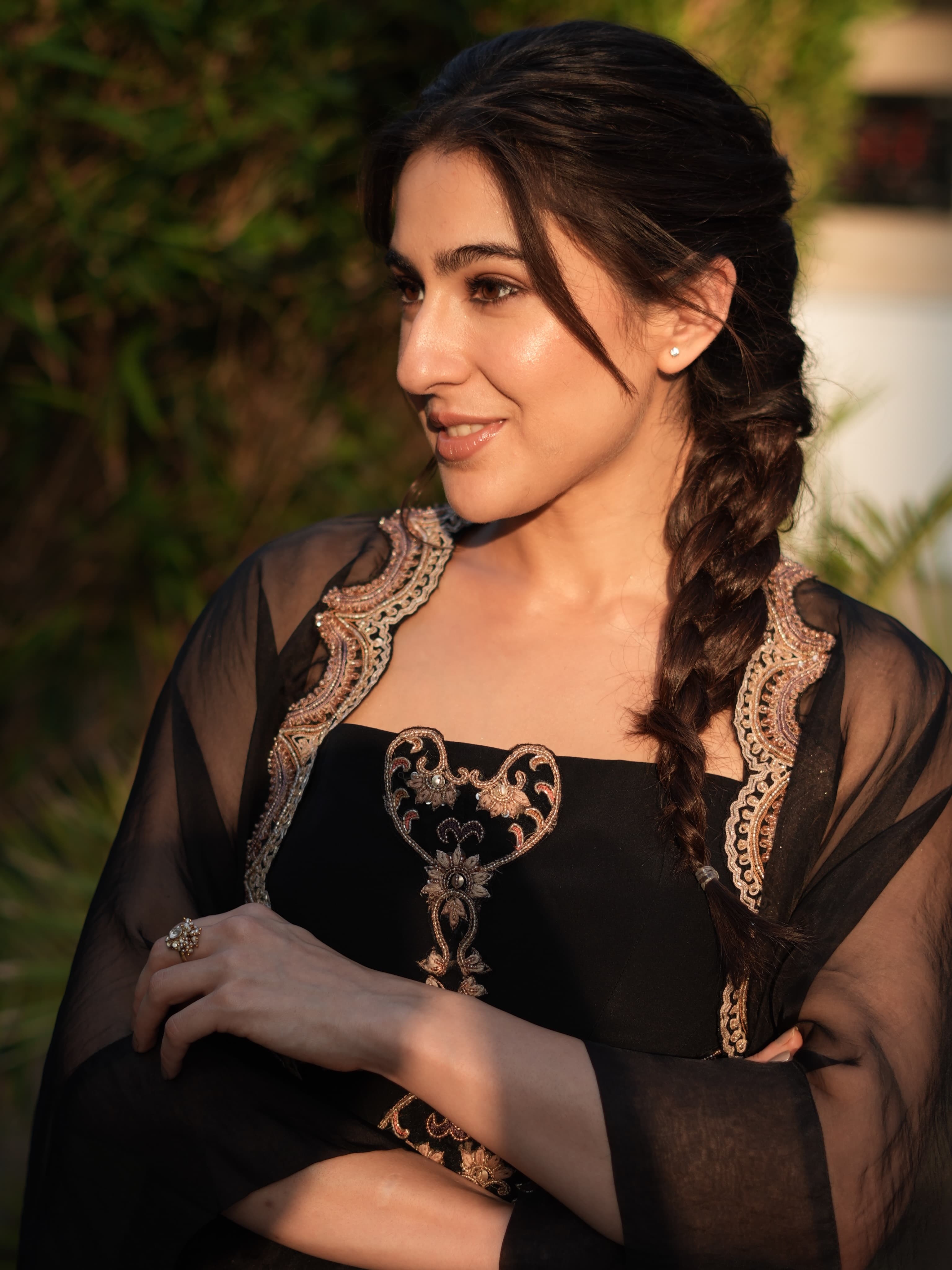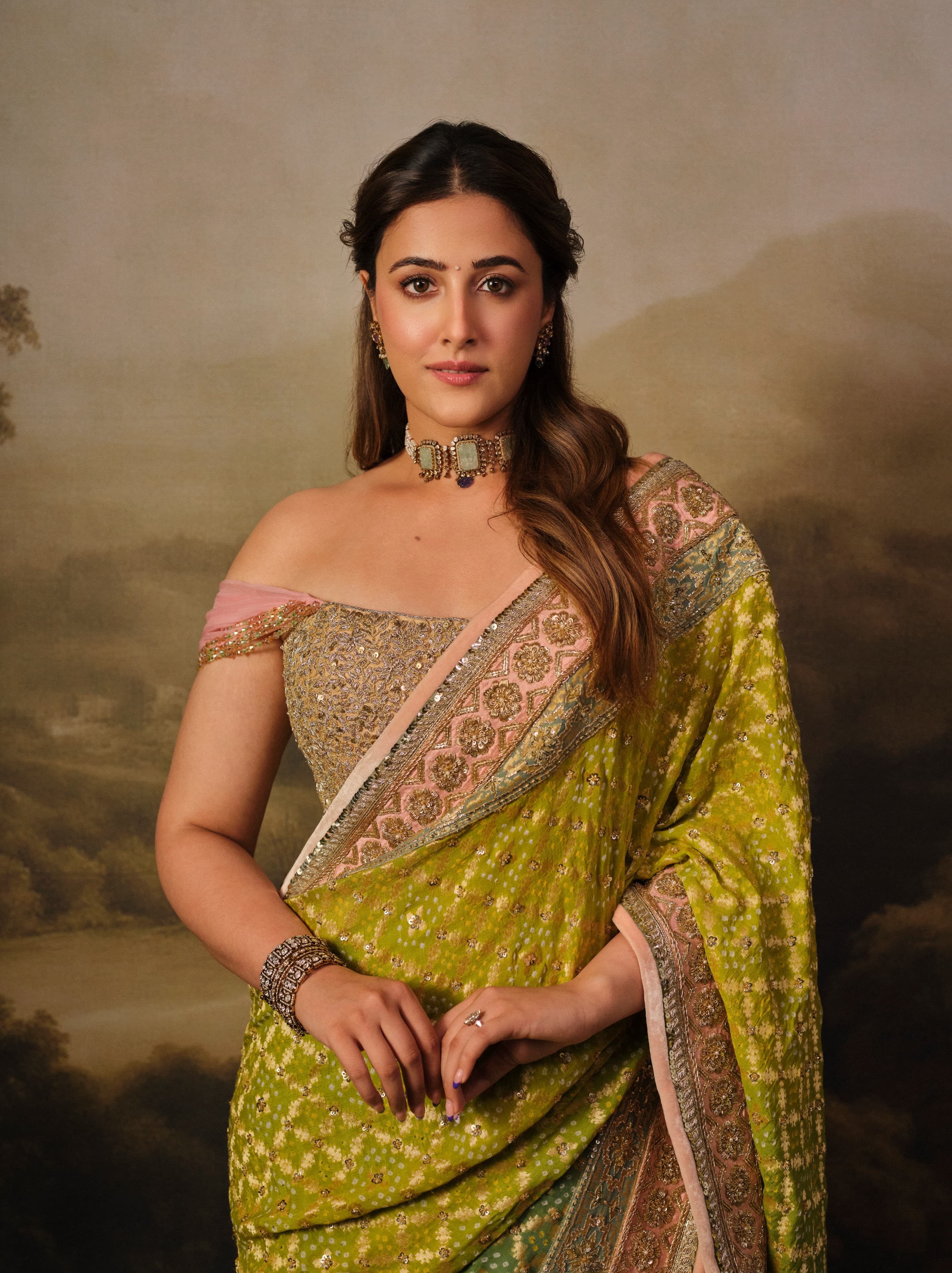
There is a particular thrill to a custom bandhani saree when you can tell it was engineered for one body, one set of photographs, one exact shade of green. In Nupur Sanon’s latest look, that charge comes through via a made to measure bandhani saree by Manish Malhotra, styled by Sukriti Grover, and finished with jewellery by Golecha Jewels and P C T & Sons. The post is a roll call of specialists, which is often how you can spot a fashion moment that was built, not simply worn.
The custom bandhani saree, as a red carpet instrument
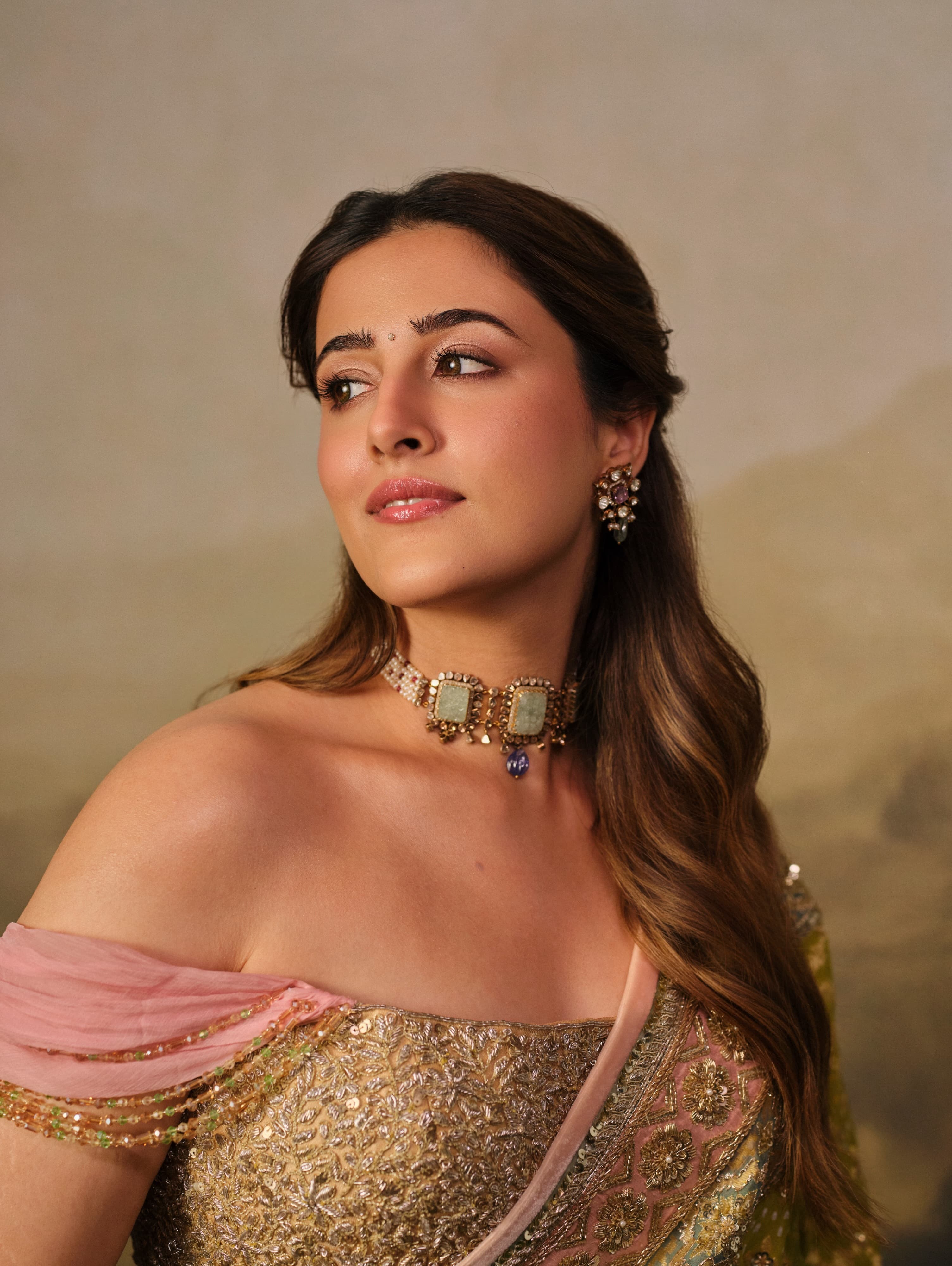
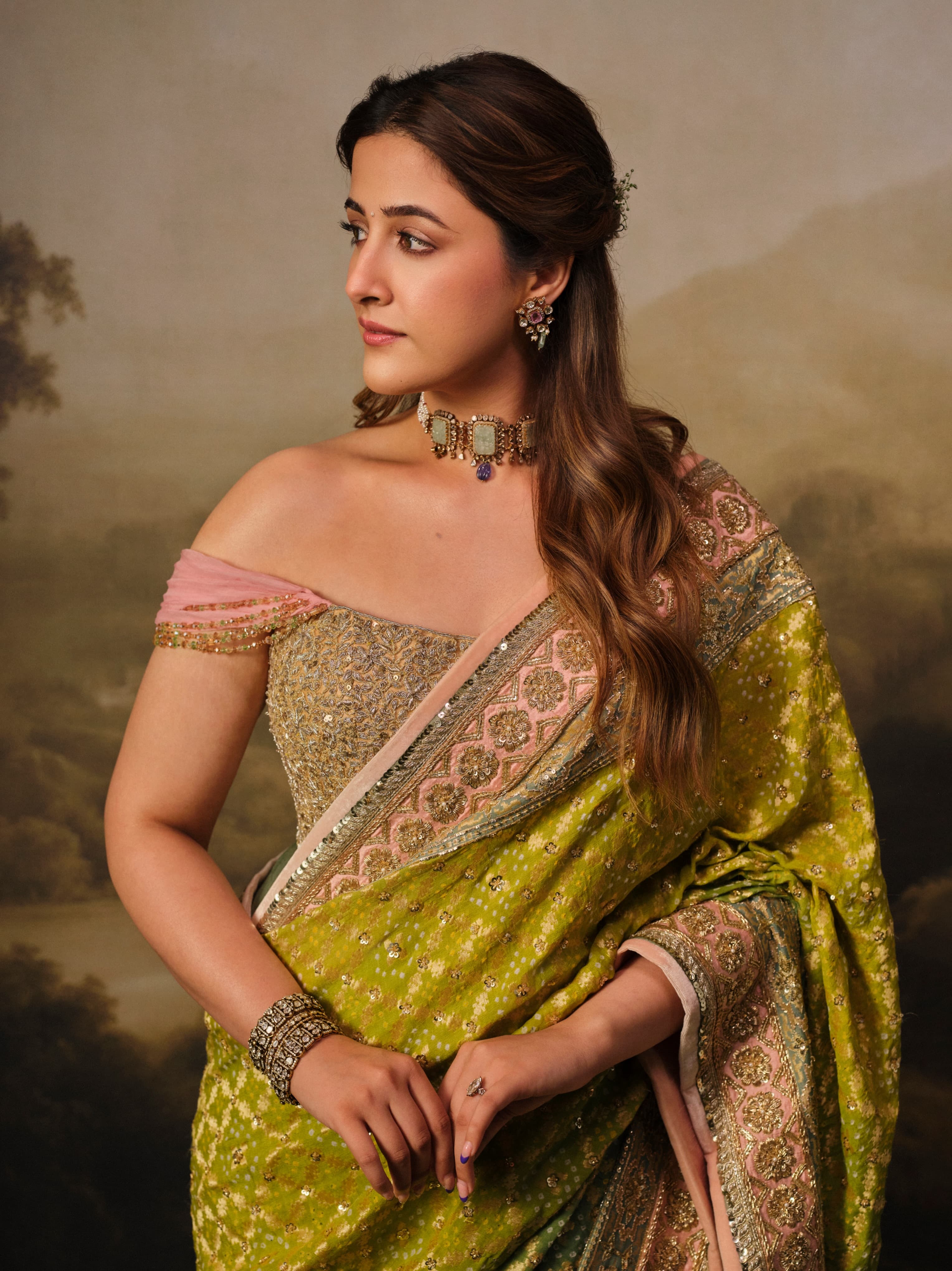
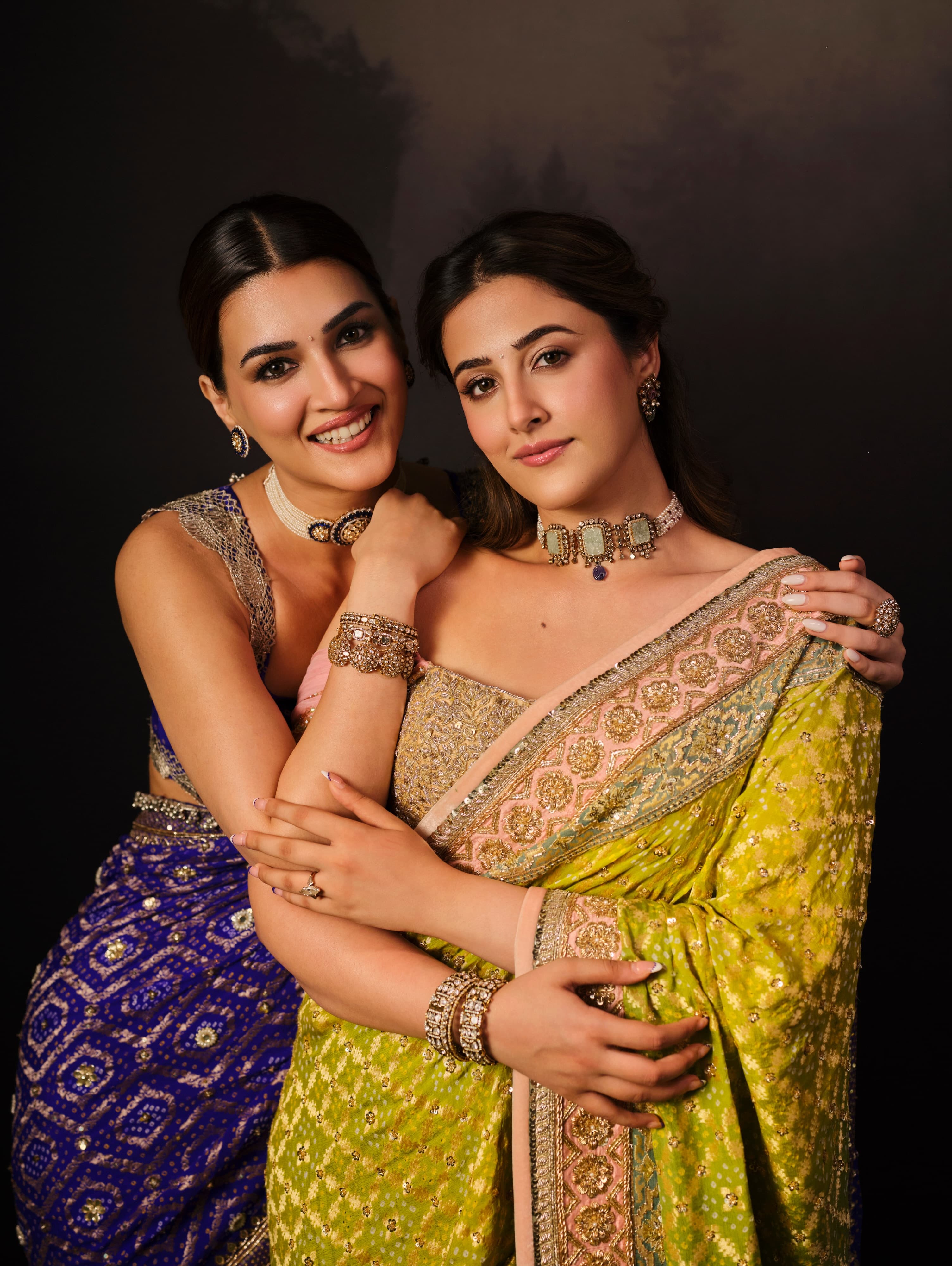
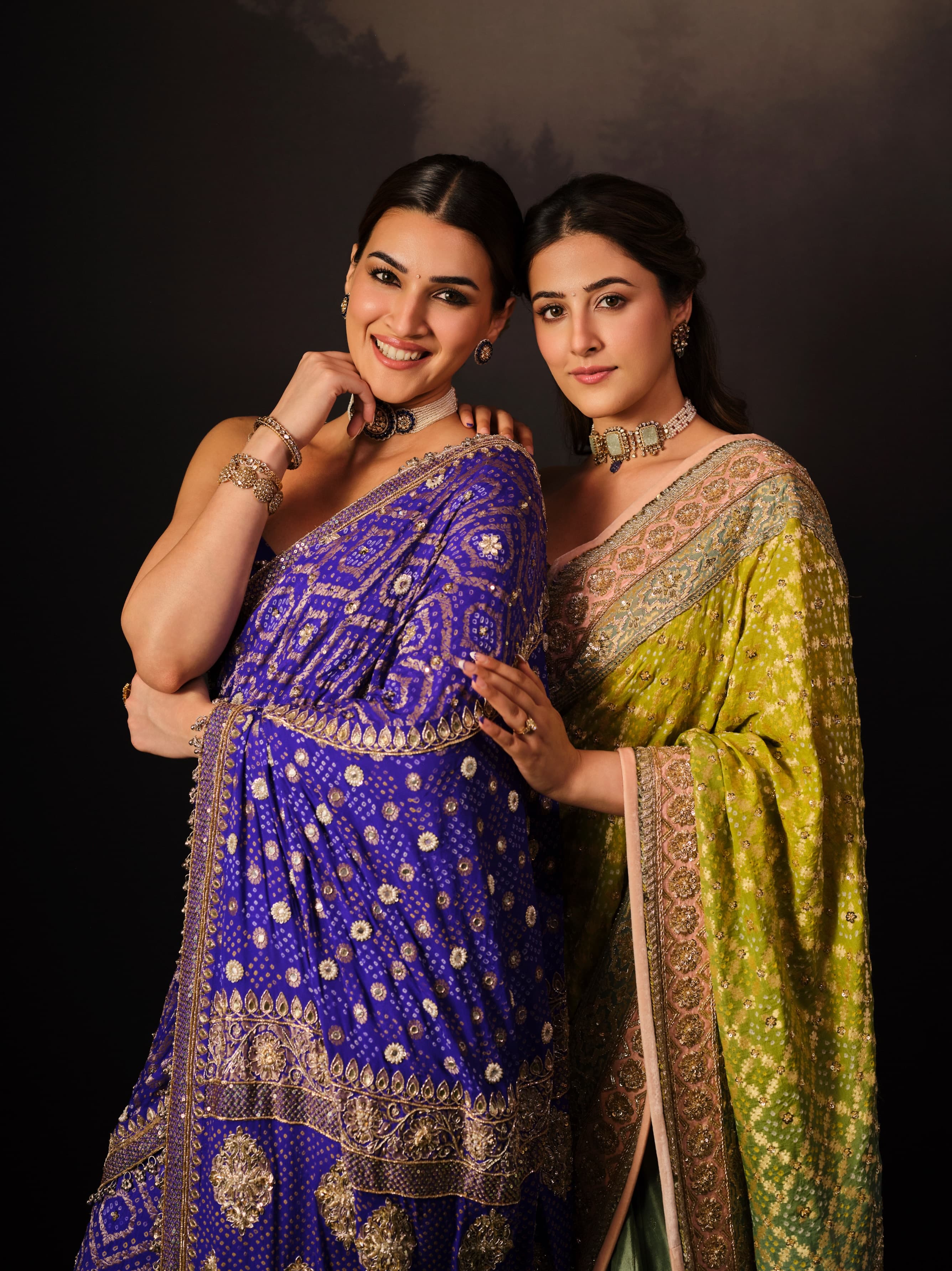
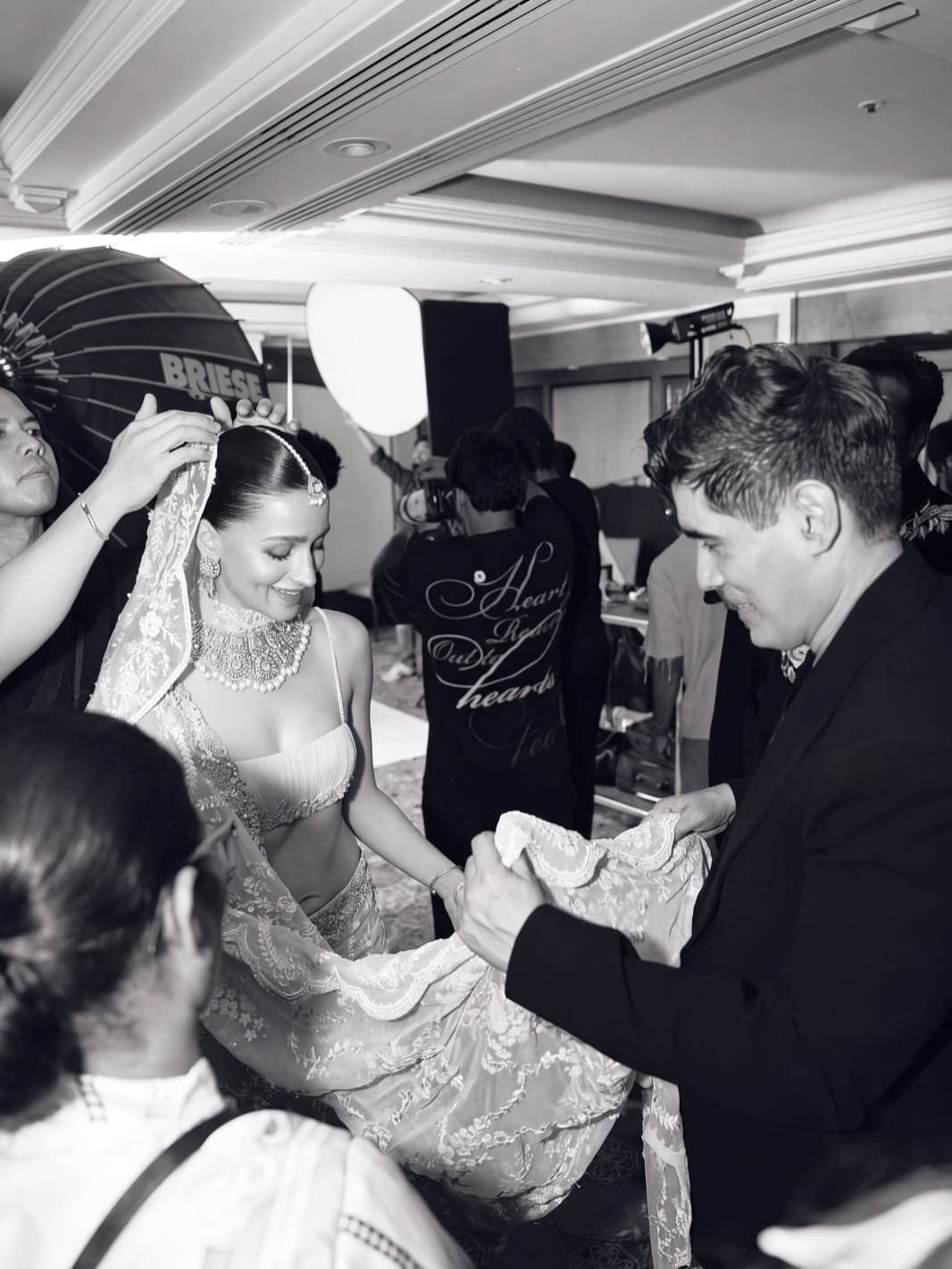
Bandhani is a craft that rewards patience. It is created through resist dyeing, where fabric is tied into thousands of tiny knots before it meets colour. That physical process matters because it produces a surface you cannot fake with a print, the rhythm of dots lands with a depth that changes as the cloth moves. In the hands of a designer such as Manish Malhotra, the custom bandhani saree becomes less about nostalgia and more about control, where pattern placement, drape, and fall are treated as architecture.
Malhotra’s house has spent years making Indian craft legible to the modern celebrity calendar, the kind that demands camera ready impact under flash. Nupur Sanon’s bandhani moment sits in that lineage. It is not presented as costume, it is presented as a decision, anchored by a saturated green that reads strongly in editorial lighting.
Who built the look: stylists, jewellery houses, and the image team
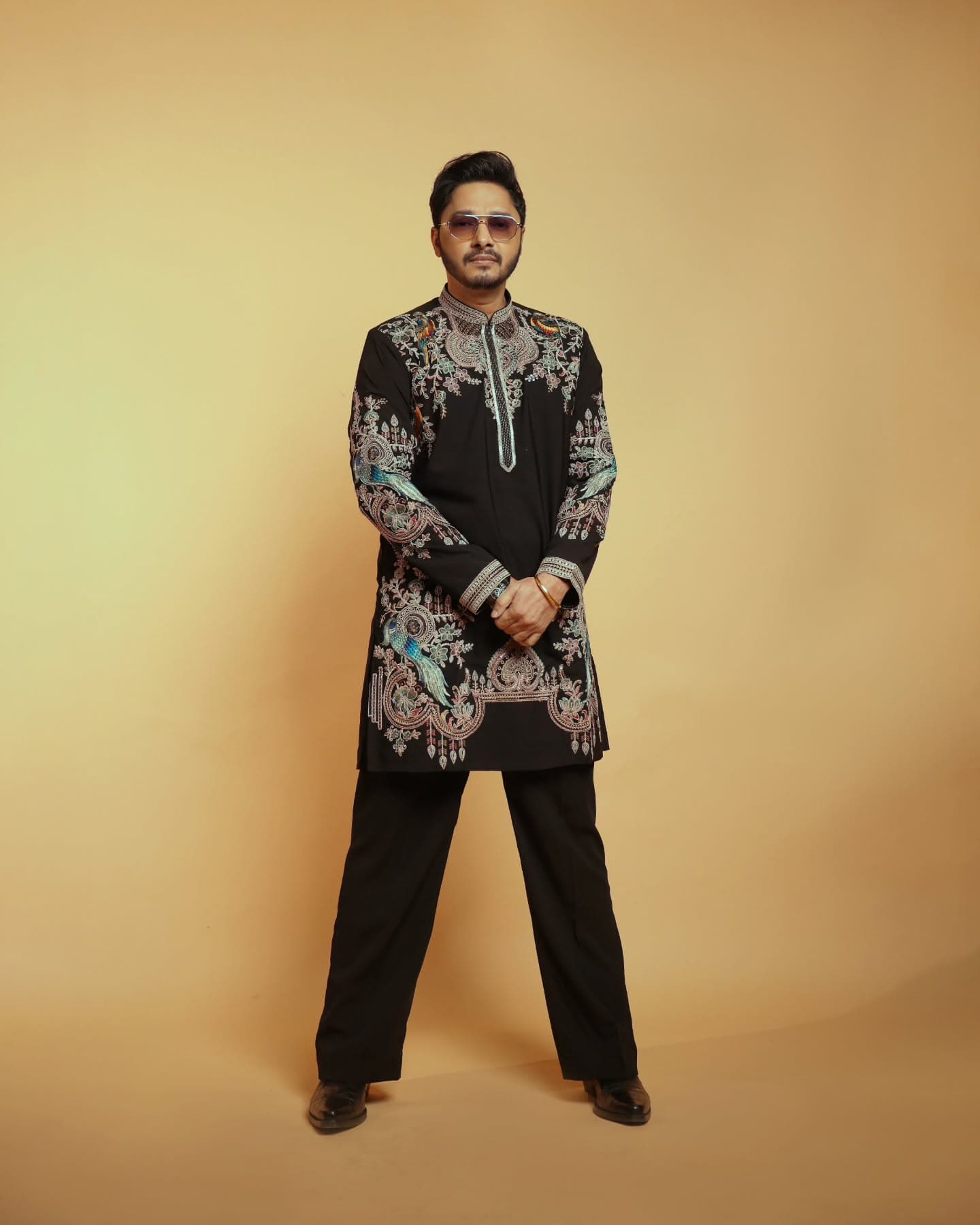
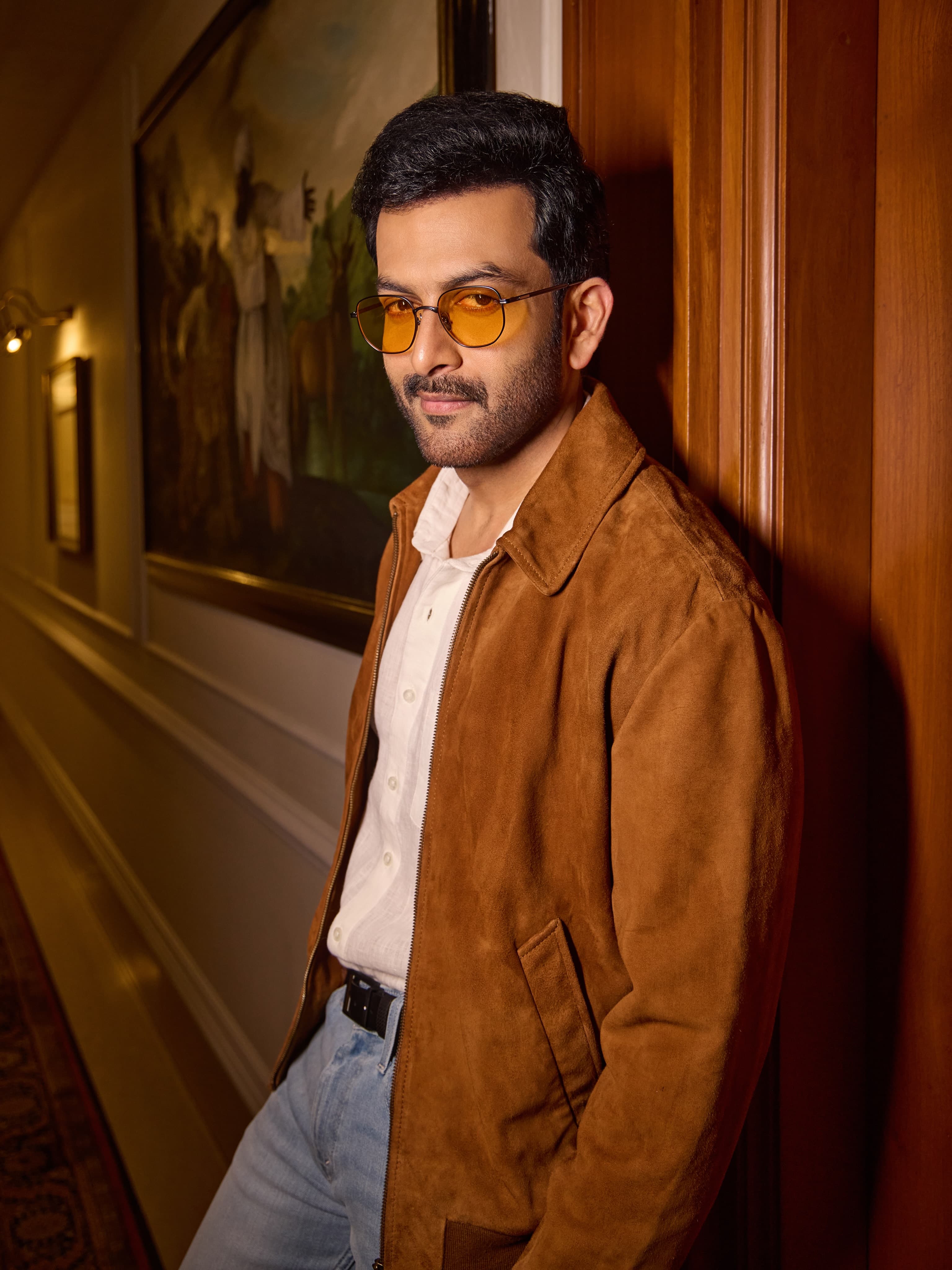
If you want to understand why a look lands, follow the credits. Styling is by Sukriti Grover, with senior stylist Vani Gupta and team support credited as @shreysee_. The finishing work, hair and makeup, is credited to Ayesha Devitre and Kavye Sharma. Photography is credited to Inline Creatives. This many names on one fit is a clue that the end result was tuned from multiple angles, silhouette, jewellery balance, skin finish, and how the fabric would behave once the subject started moving.
The jewellery pairing is also pointed. The post tags Golecha Jewels alongside P C T & Sons, a combination that suggests the brief was to keep the ornaments crisp against the density of bandhani patterning. In practice, that usually means pieces that hold their own in close ups without fighting the textile in wide frames.
Why green, why now
Green has become a high stakes colour on Indian celebrity dressing because it sits in a tricky zone, too yellow and it turns acidic on camera, too blue and it turns wintry. When it works, it reads as decisive. A custom bandhani saree in this colour also does something else, it makes the dots feel almost luminescent, because bandhani’s negative space is part of the pattern language.
What makes this look notable is the way it foregrounds craft but still obeys the rules of contemporary image making. You can see the intention in the controlled styling and in the fact that the credits are treated like an opening title sequence. When a celebrity post names the textile technique, the designer, the stylists, the jewellers, the HMU artists, and the photographer, it is signalling that the garment is the headline, not the afterthought.
For anyone tracking how Indian occasionwear is evolving, this is a clean example of where the conversation is heading, craft technique named and celebrated, a designer brand acting as translator, and a full team shaping narrative through image.
To explore Manish Malhotra’s official work and brand universe, see Manish Malhotra’s website. For more from the designer’s public studio output and recent postings, visit @manishmalhotraworld on Instagram.
If you are building a season wardrobe around Indian textiles, you may also like our edit on Fashion and the latest in Celebrity style.
Photo Credits
Cover image courtesy of S U K R I T I G R O V E R. Additional images courtesy of their respective owners.