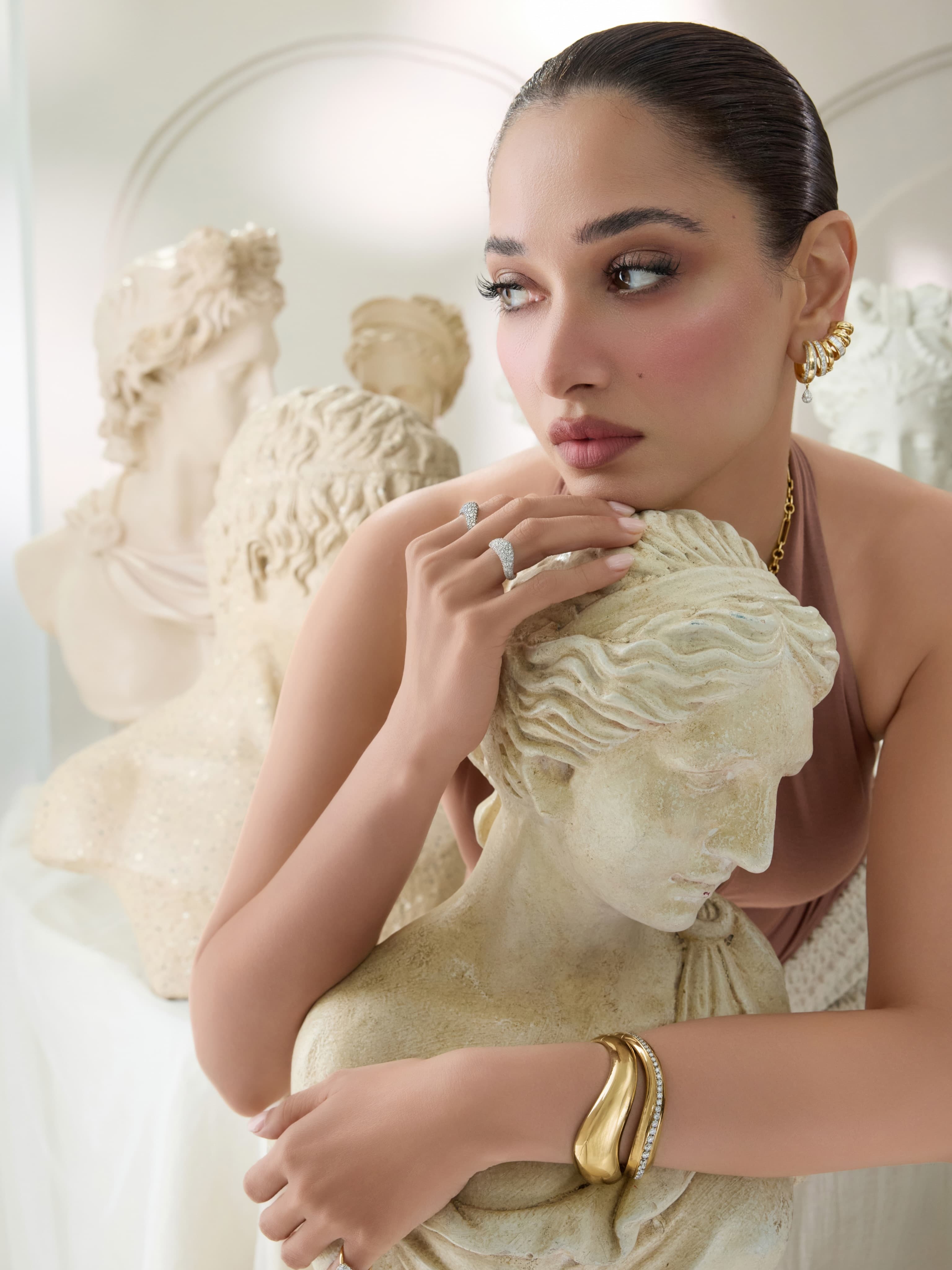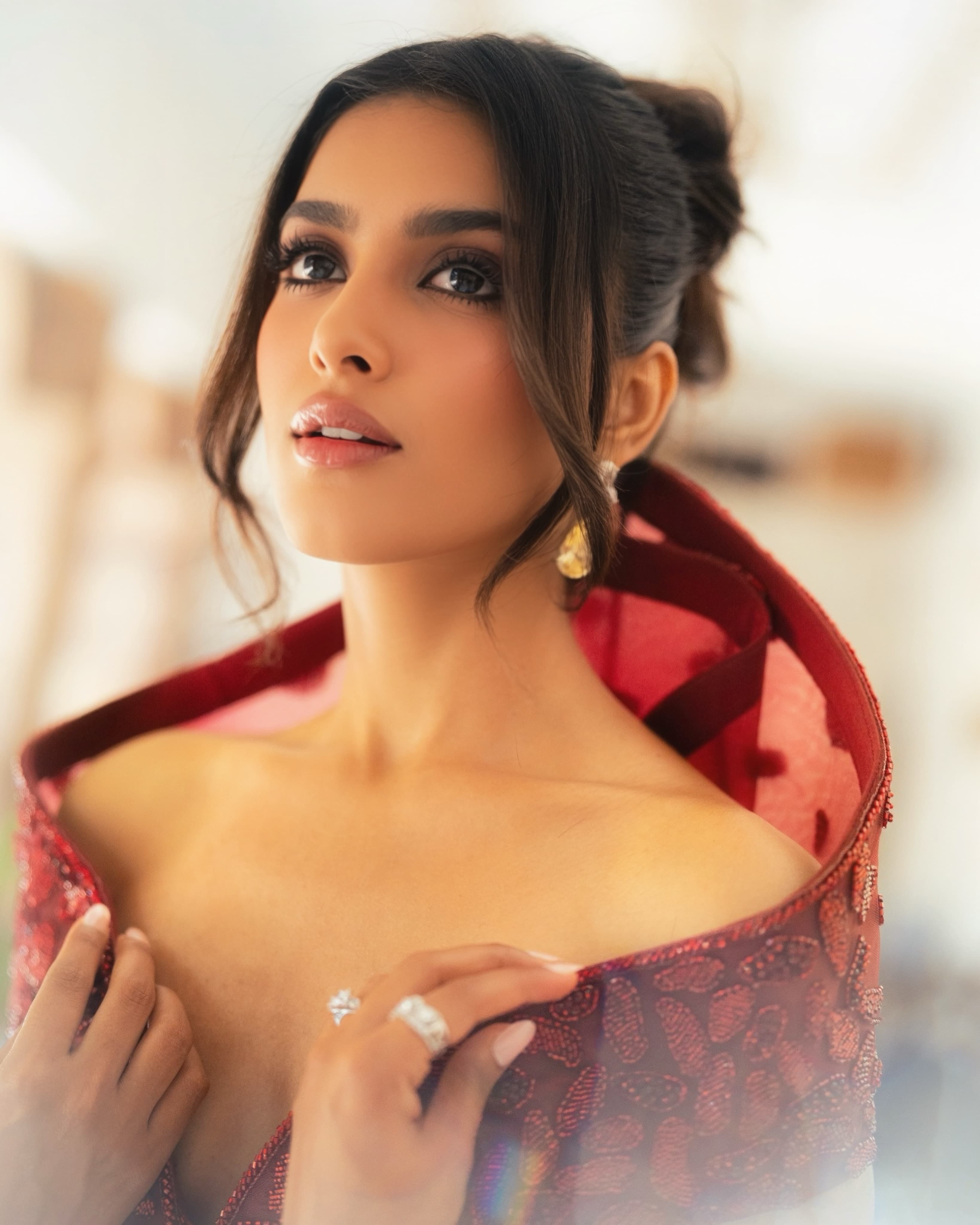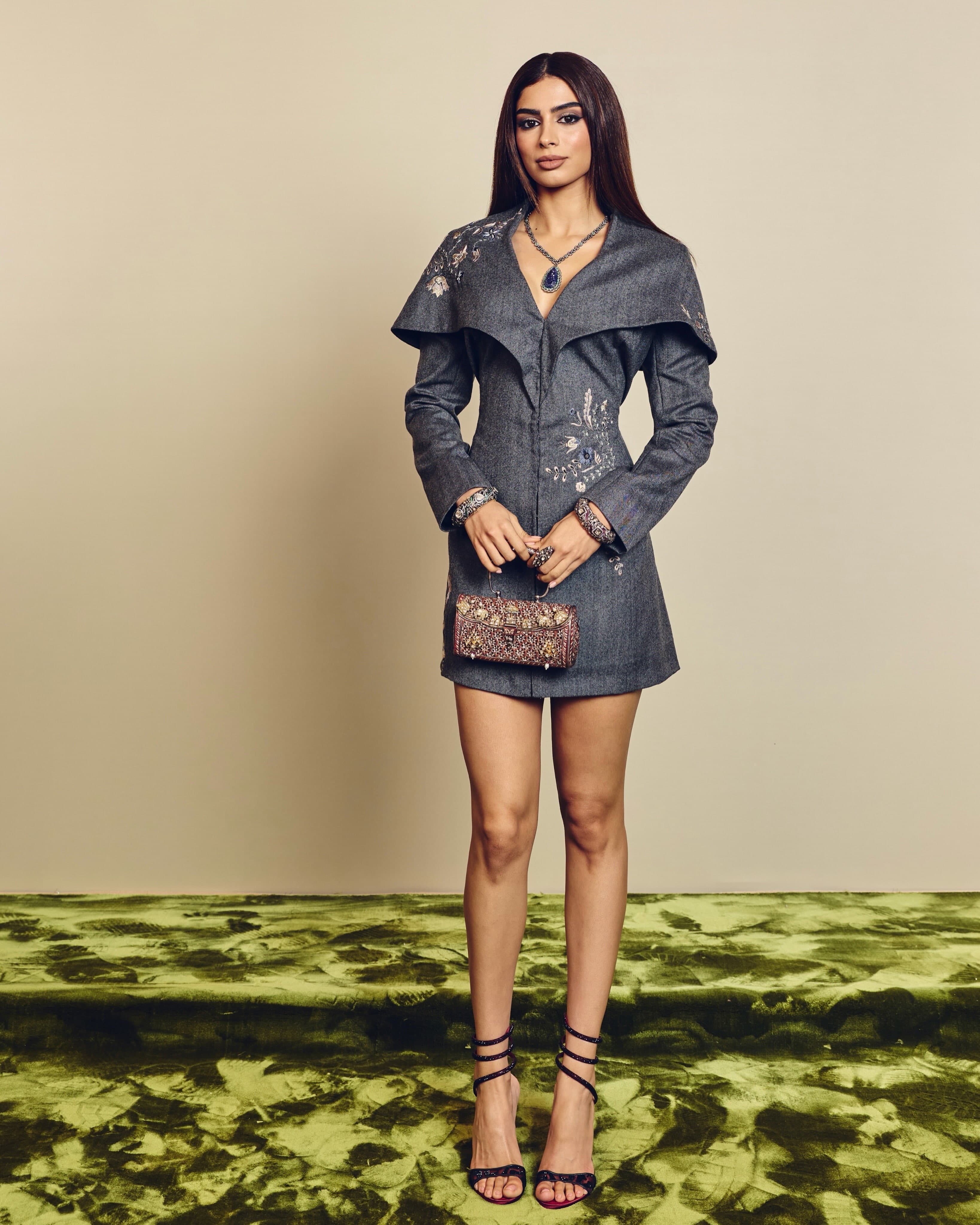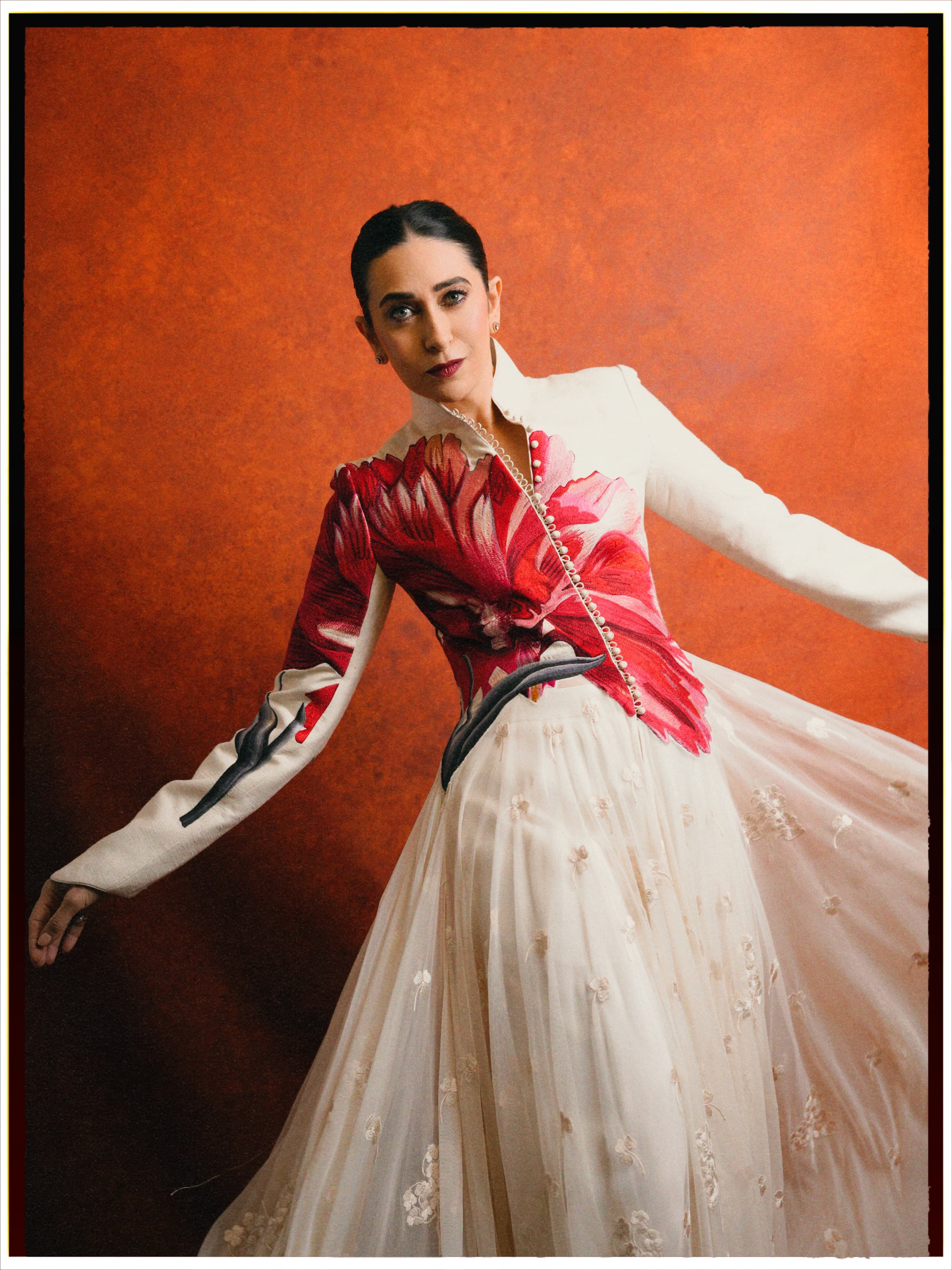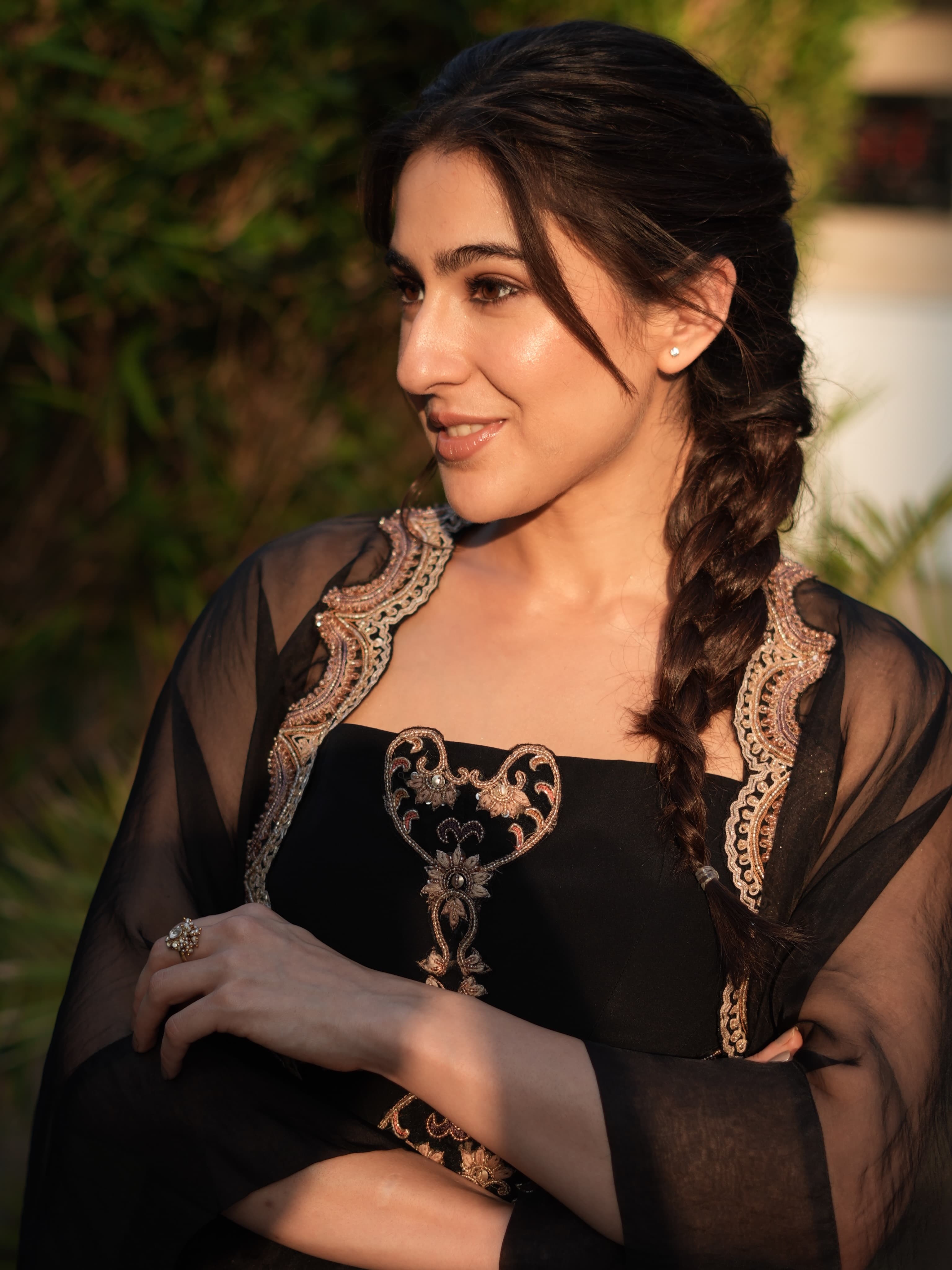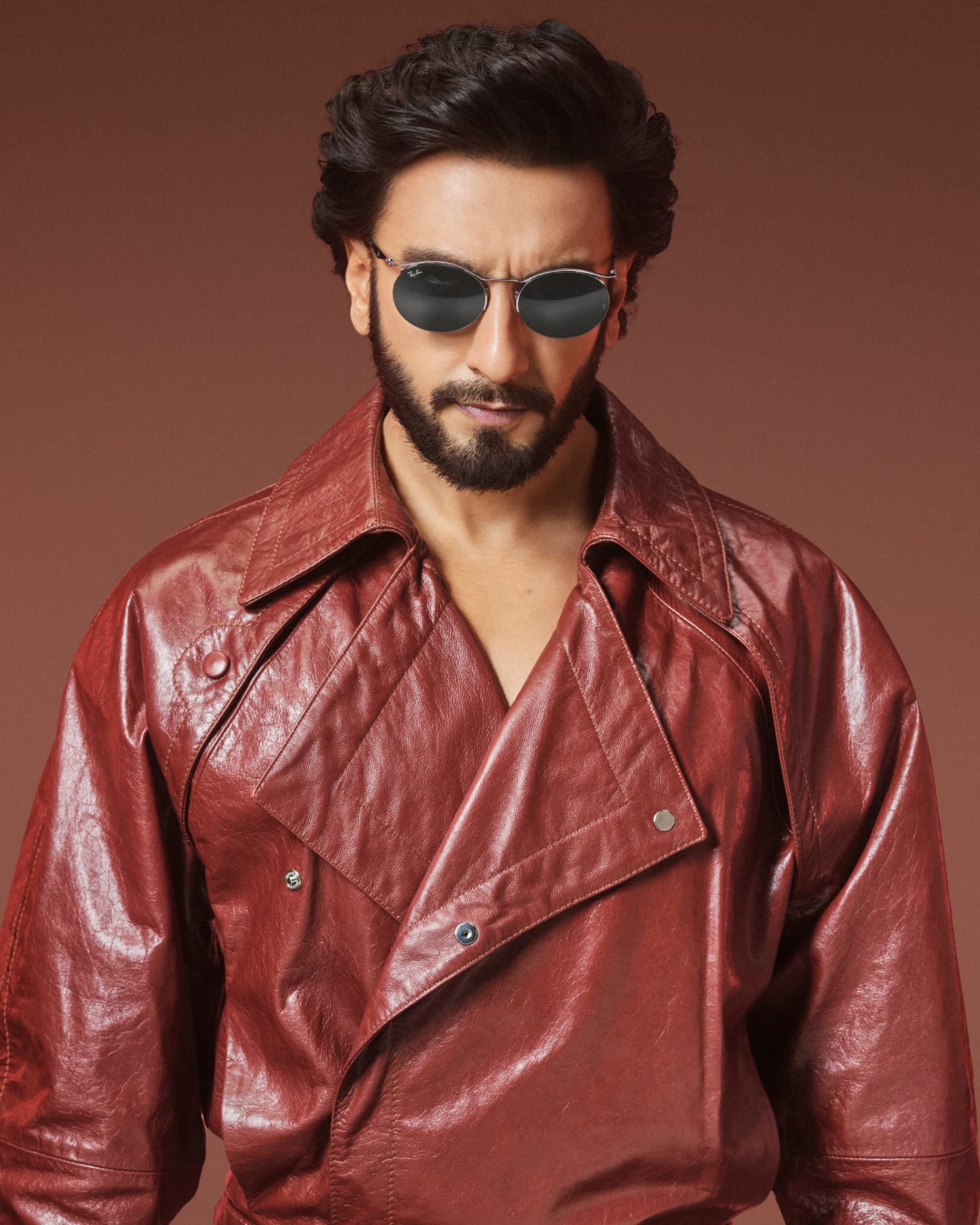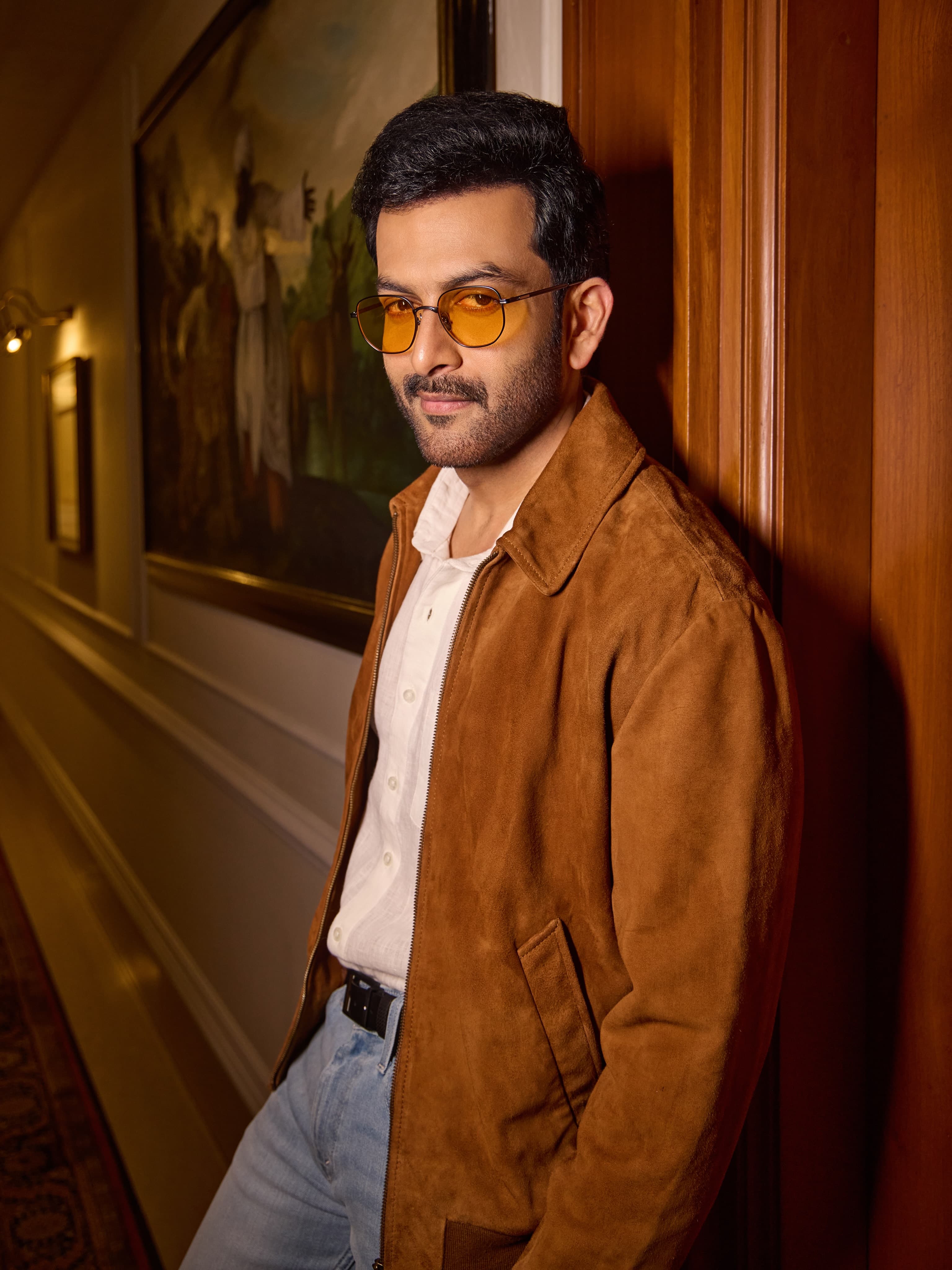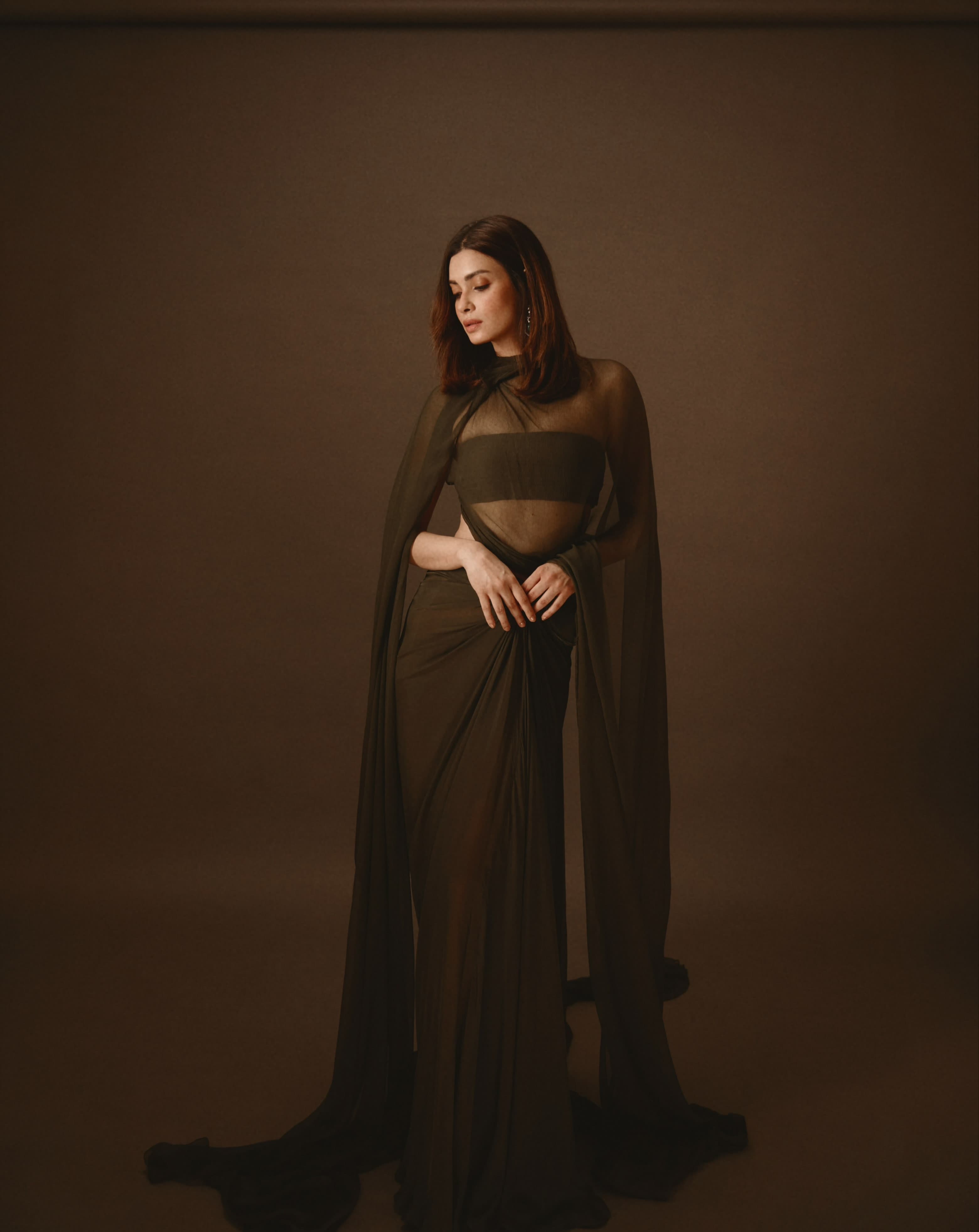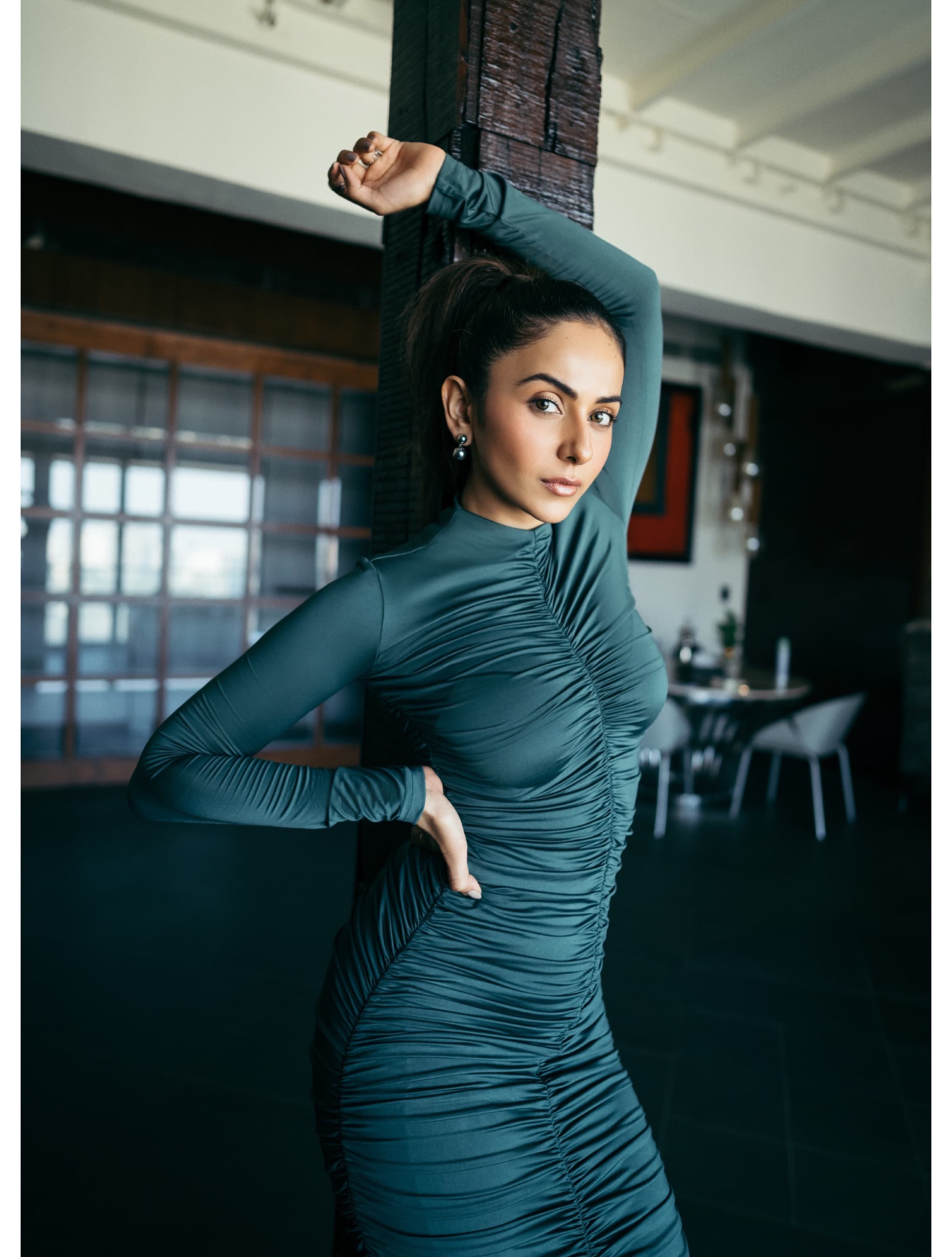
There is a particular electricity to a well-made celebrity headshot when it refuses to behave like a passport photo or a film poster. In the new images shared via @rakulpreet, photographer Bharat Rawail builds that tension on purpose: the face is the headline, but the craft sits in the margins, styling by Anshika Av and make-up by Im Sal, all shot on Nikon’s Z8 with NIKKOR Z S-Line prime lenses. The post reads like a tidy credits roll, yet it quietly signals the way Mumbai’s portrait economy actually works right now: editorial polish, actor utility, and high-end camera science in the same frame.
Celebrity headshot photography is getting more technical, not less
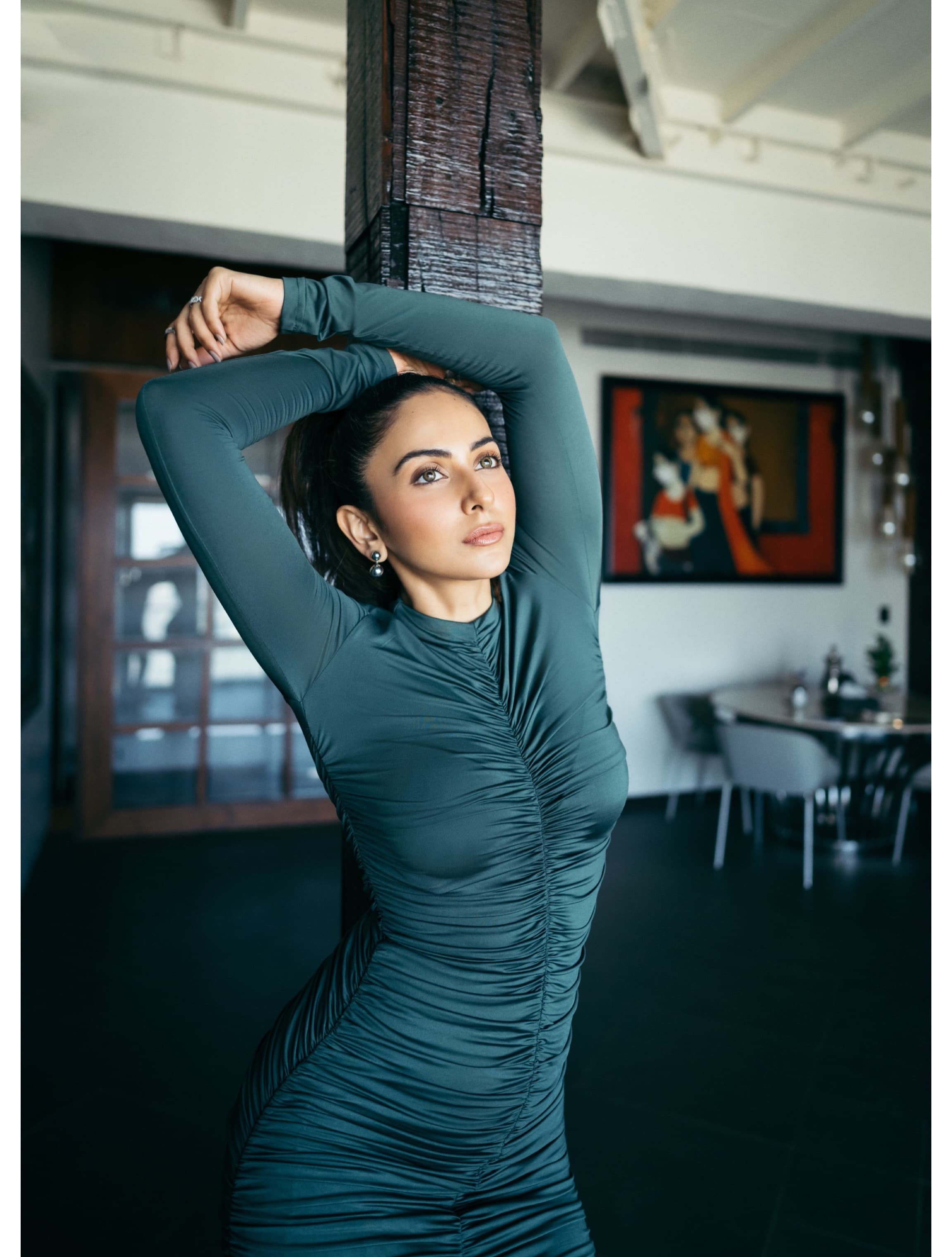
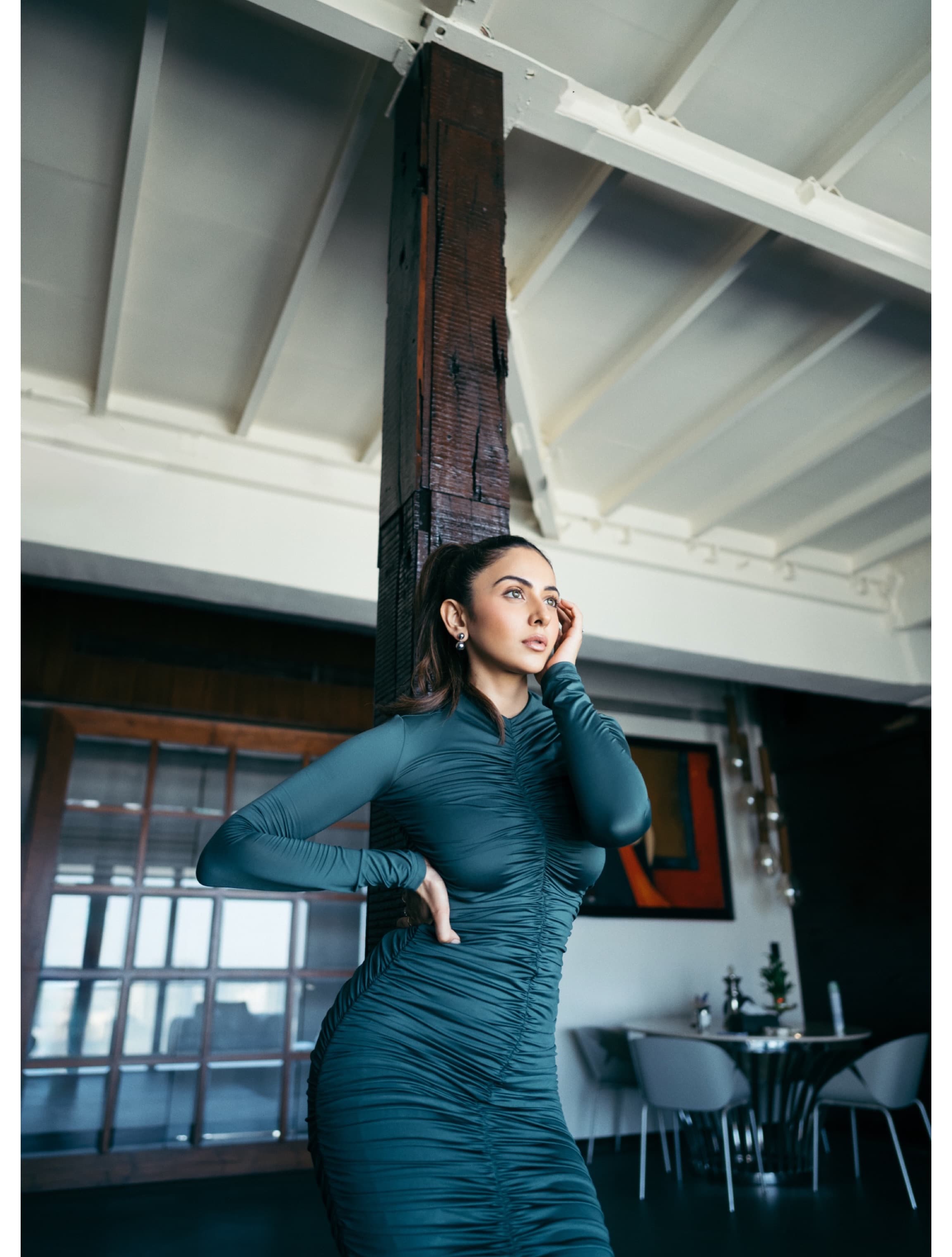
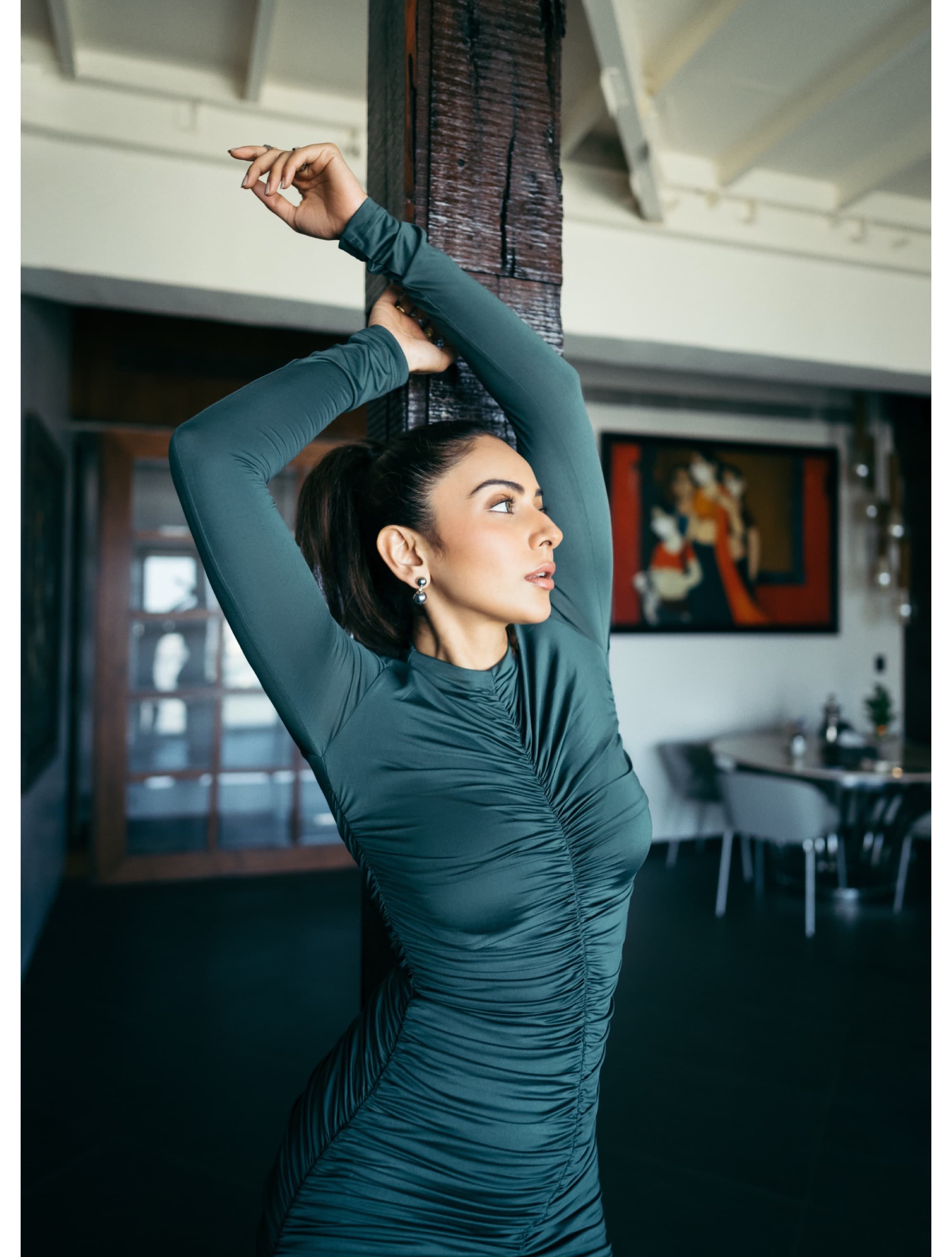
The most striking line in the caption is also the most pragmatic: “All images are captured on the Nikon Z8 mirrorless camera mounted with Nikkor S-Line prime lenses.” For a working celebrity headshot photographer, this is more than gear romance. It is a declaration of workflow, speed, and what you can promise talent at the monitor.
Nikon positions the Z8 as a compact sibling to the flagship Z9, built around a 45.7MP stacked CMOS sensor and the brand’s Expeed 7 processing engine. Those specs matter on set because they change the feel of the shoot, faster readout, deep detail for beauty retouching, and latitude when a client suddenly wants a tighter crop that still has print-resolve. Nikon’s own product page outlines the Z8’s core specifications and positioning within the Z system. Nikon Z8 overview.
The other half of the claim, S-Line primes, points to intent. Nikon reserves the “S” designation for its higher-end Z-mount lenses, typically optimized for sharpness, contrast, and control over aberrations. On a celebrity headshot set, that often translates into cleaner edges around hair, more faithful skin tone transitions, and catchlights that look designed rather than accidental, especially when the lighting is built with a plan instead of improvised.
Pre-visualizing light: Set.a.light 3D as the invisible crew member
The caption also notes that the “lighting plan [was] pre-visualized using set.a.light 3D V3” by Elixxier. That is the quiet admission most viewers miss: the shoot’s simplicity, if it feels simple, is usually rehearsed. Pre-vis software lets photographers block out key and fill placement, modifiers, and subject distance before anyone steps in front of the lens, reducing the time the talent spends waiting while grips shuffle stands.
Elixxier describes set.a.light 3D as a lighting simulator for planning studio setups, including positioning lights and modifiers in a virtual space. On a Mumbai day where schedules can compress without warning, that kind of prebuilt decision tree is a competitive advantage, less time testing, more time directing expression. set.a.light 3D by Elixxier.
The Mumbai portrait machine: when fashion, acting, and editorial share a frame
Rawail’s own caption taxonomy makes the market visible: “celebrity photographer,” “actor headshots,” “fashion photographer,” “natural light portraits,” “bollywood,” “mumbai based photographer.” In Mumbai, those labels are not separate lanes so much as adjacent rooms in the same studio. A look can begin as a fashion portrait and end up functioning as a casting-friendly profile image, or travel the other direction, a headshot with enough sheen to support a magazine pickup.
Seeing Rakul Preet Singh in this context is instructive. The images, as presented, sit in that useful hybrid zone where styling and make-up are present enough to read as a considered look, but the face remains the actual deliverable. That is the best version of modern celebrity headshot work: built for industry use, with a finish that can survive the scroll.
Why audiences notice this shift
Viewers have become fluent in the tells: overly smoothed skin, catchlights that do not match the environment, backgrounds that look generic. The newer wave of Mumbai portraiture answers with higher-resolution capture, clearer lens signatures, and lighting that is planned to flatter without erasing texture. The result is not “natural” in the naive sense. It is engineered to look like a trustworthy close-up.
Photo Credits
Cover image courtesy of Bharat Rawail | Photographer, via @rakulpreet. Additional images courtesy of their respective owners, credited in the original post to Bharat Rawail (photography), Anshika Av (styling), and Im Sal (make-up).