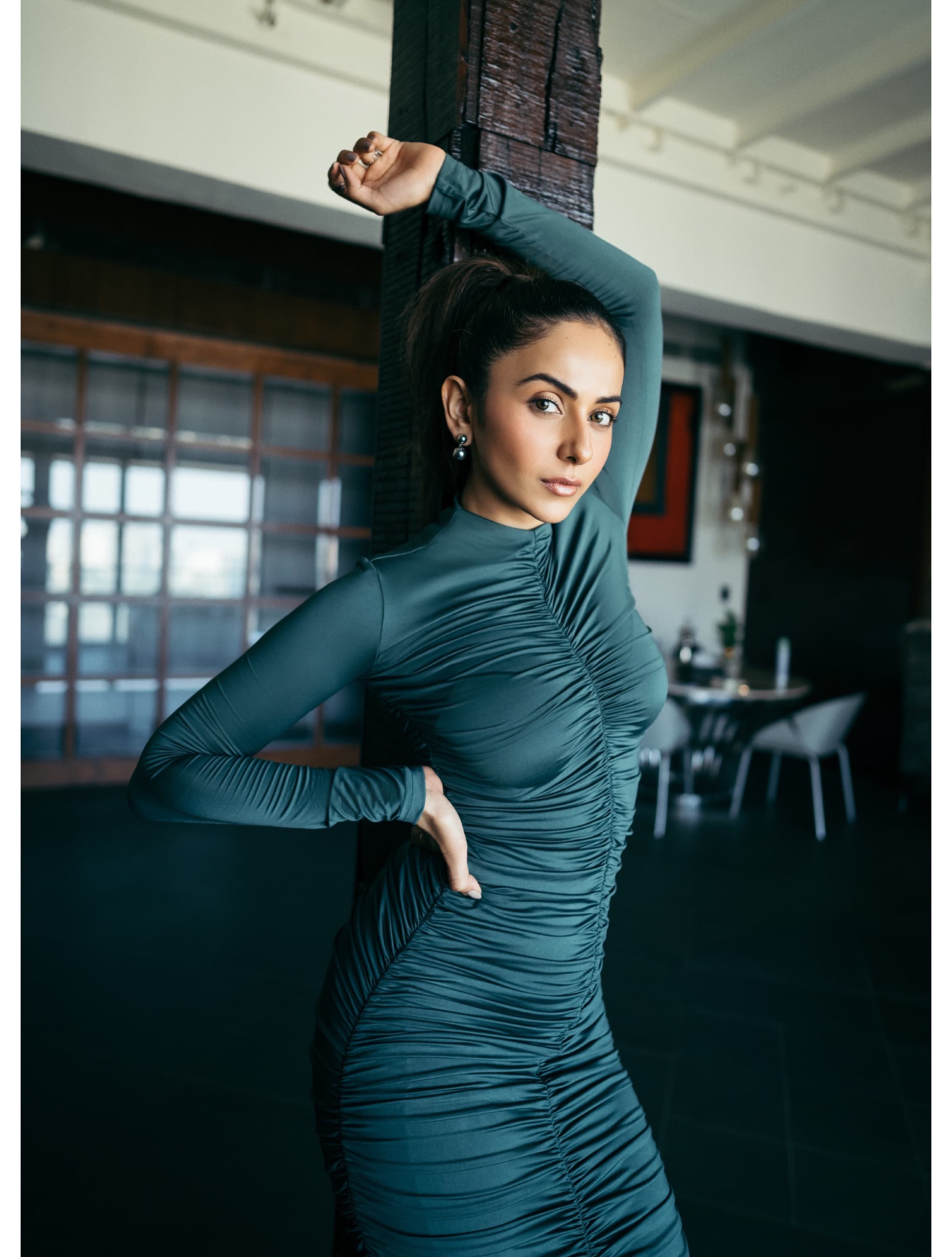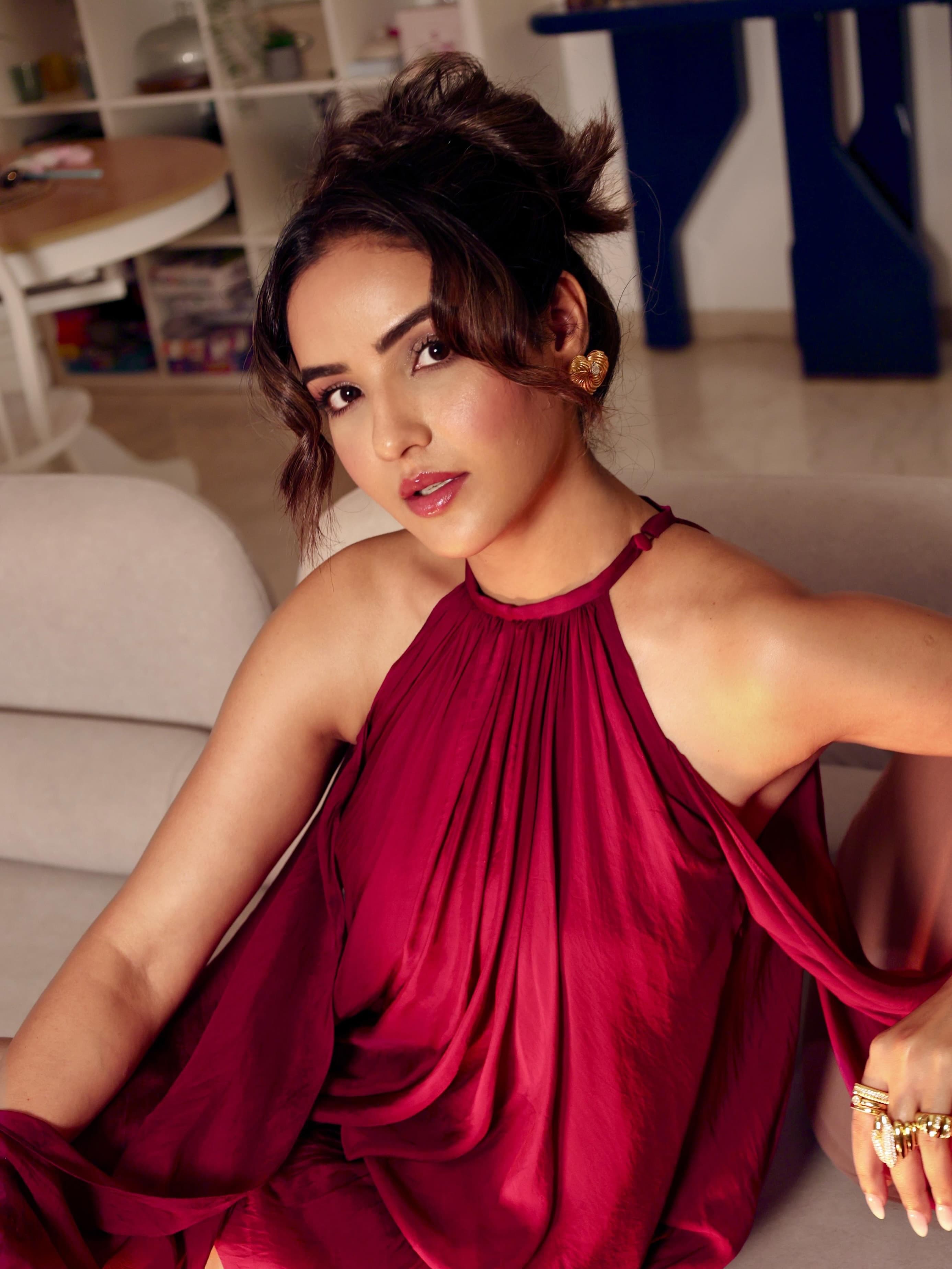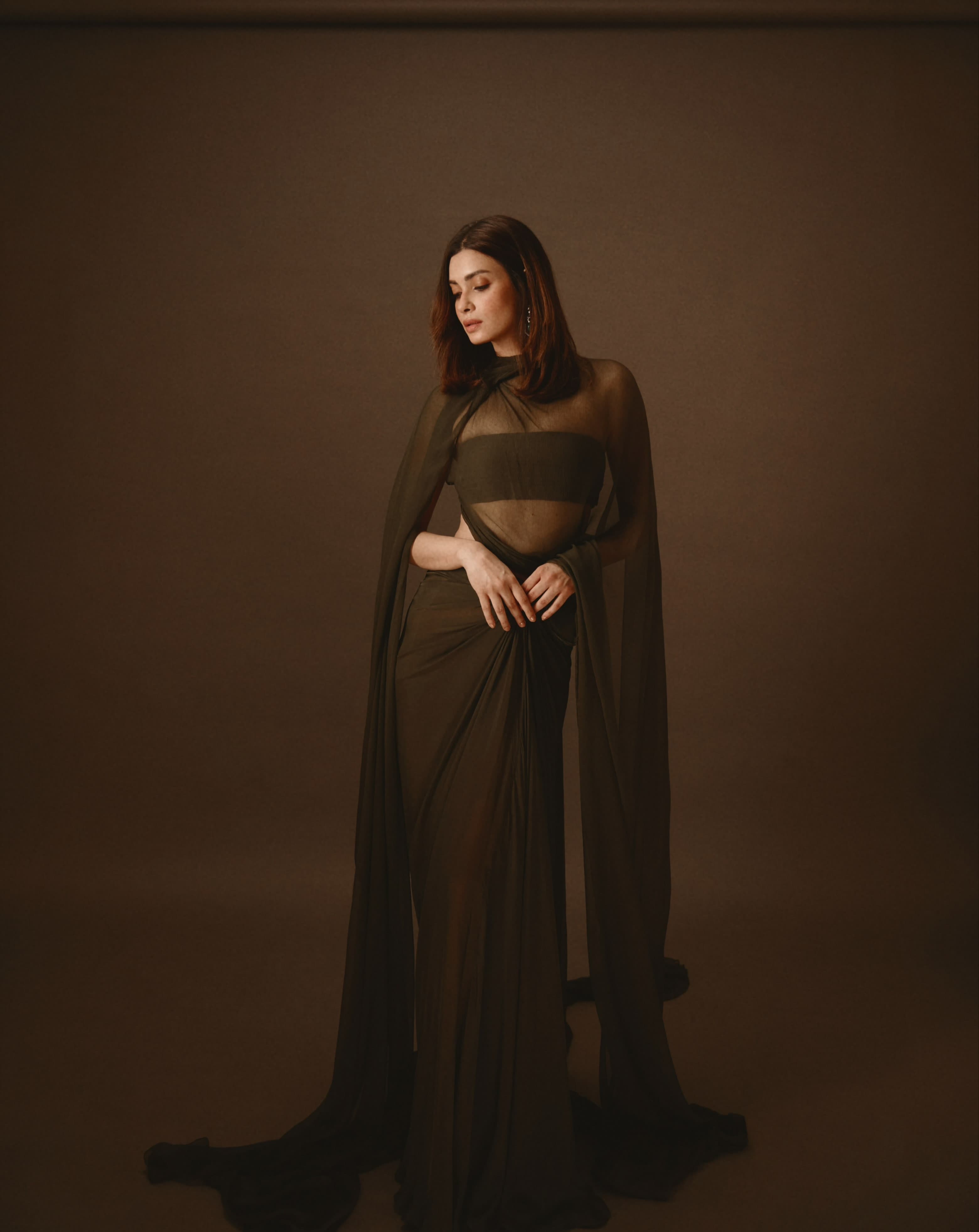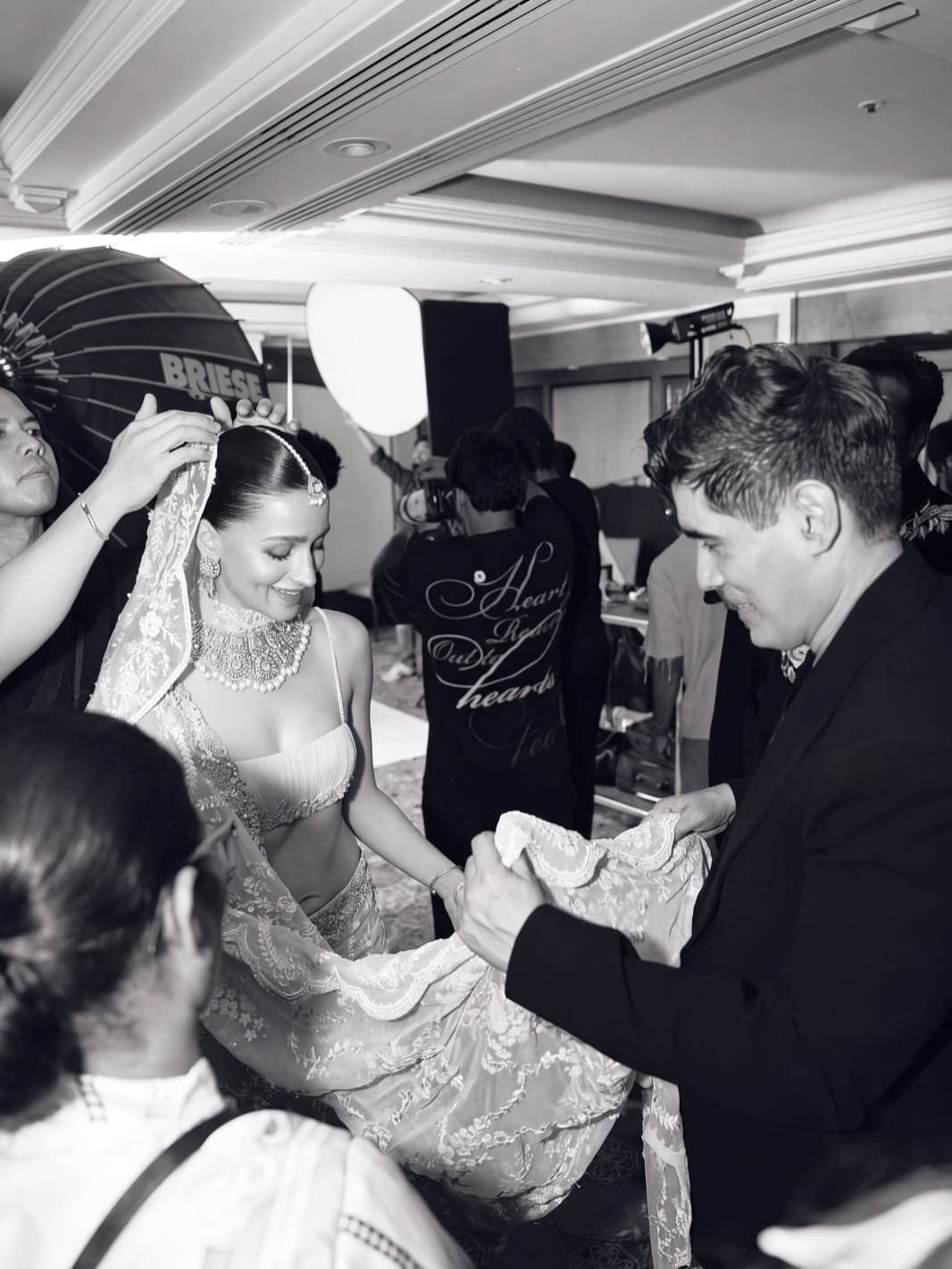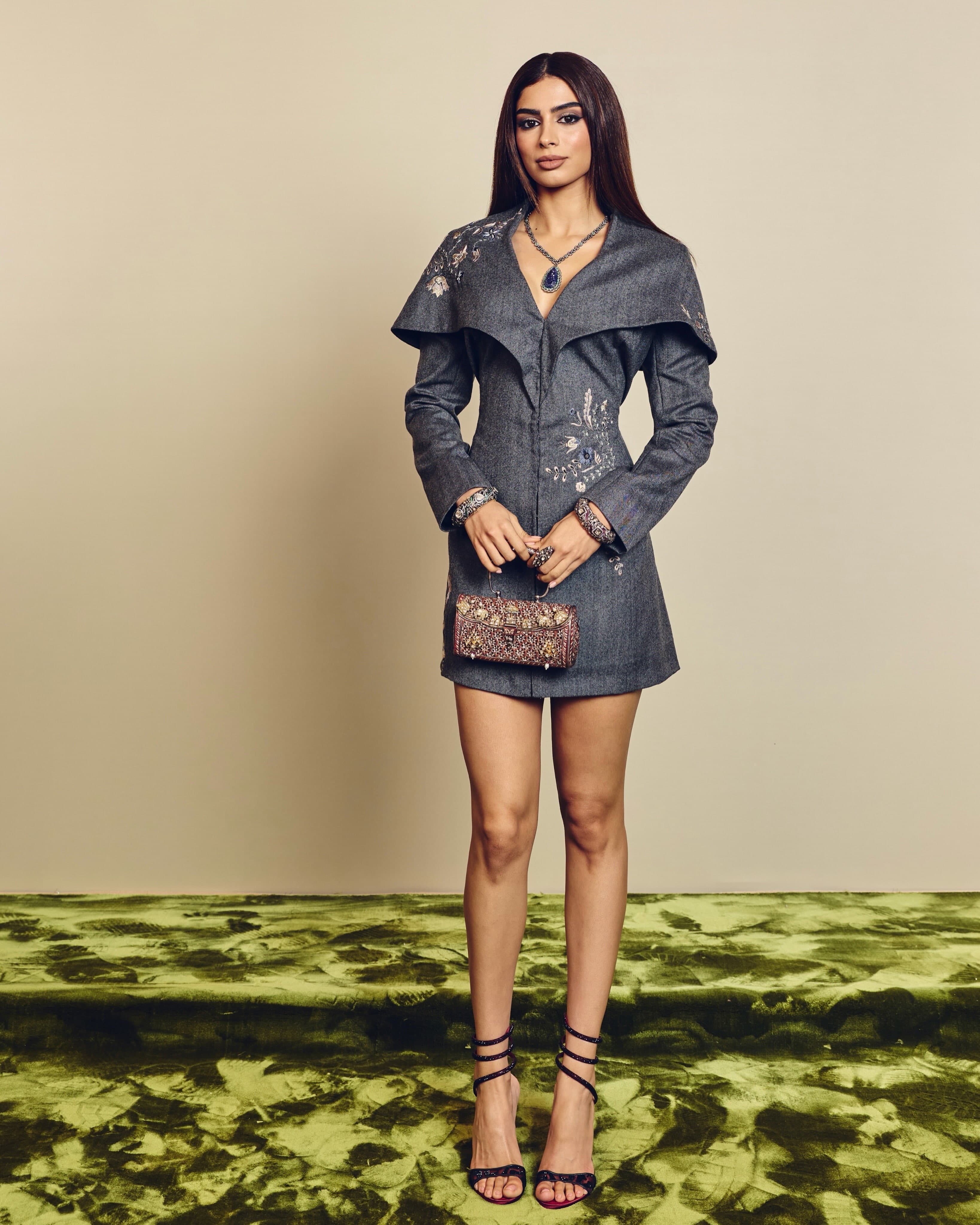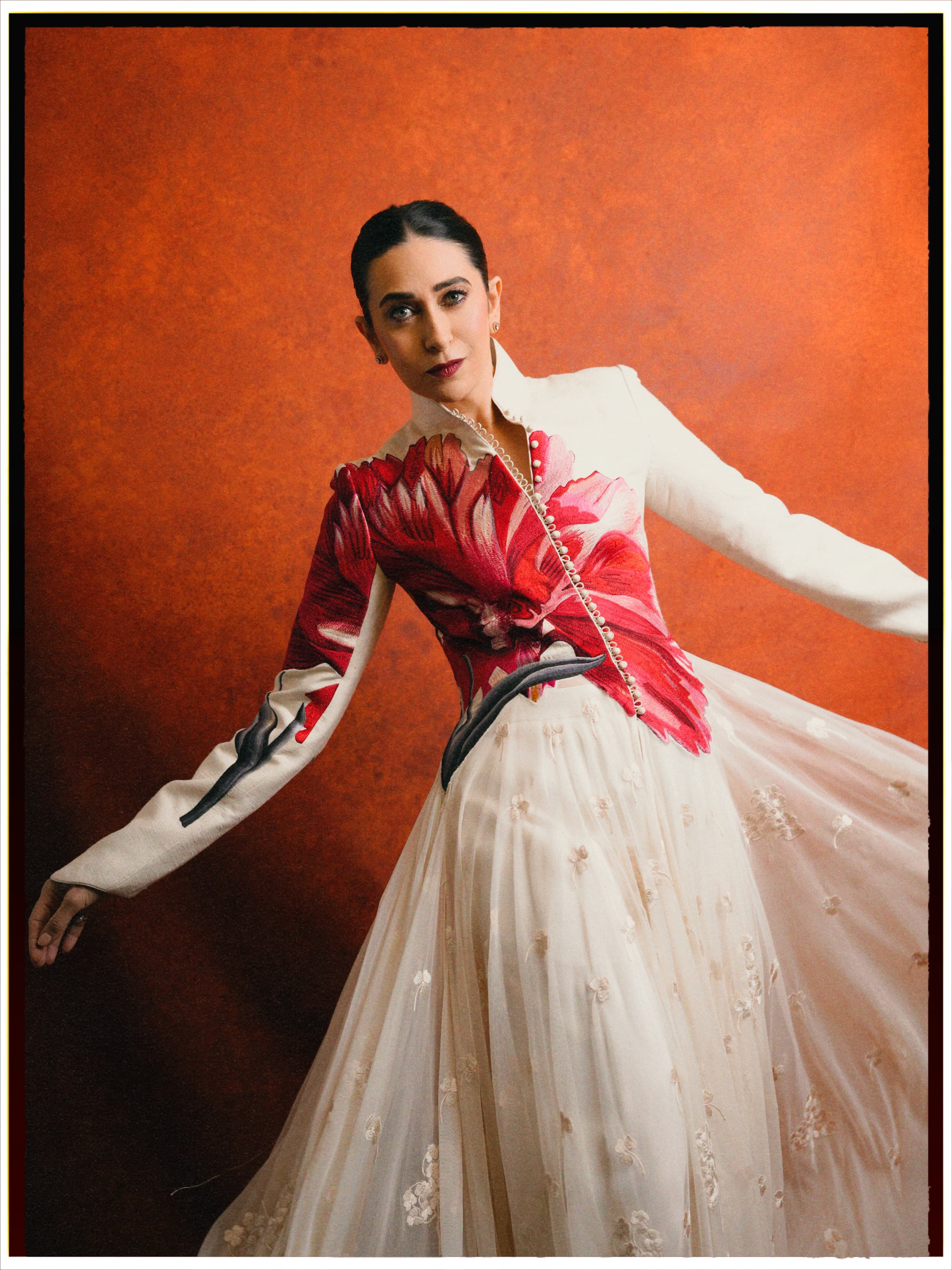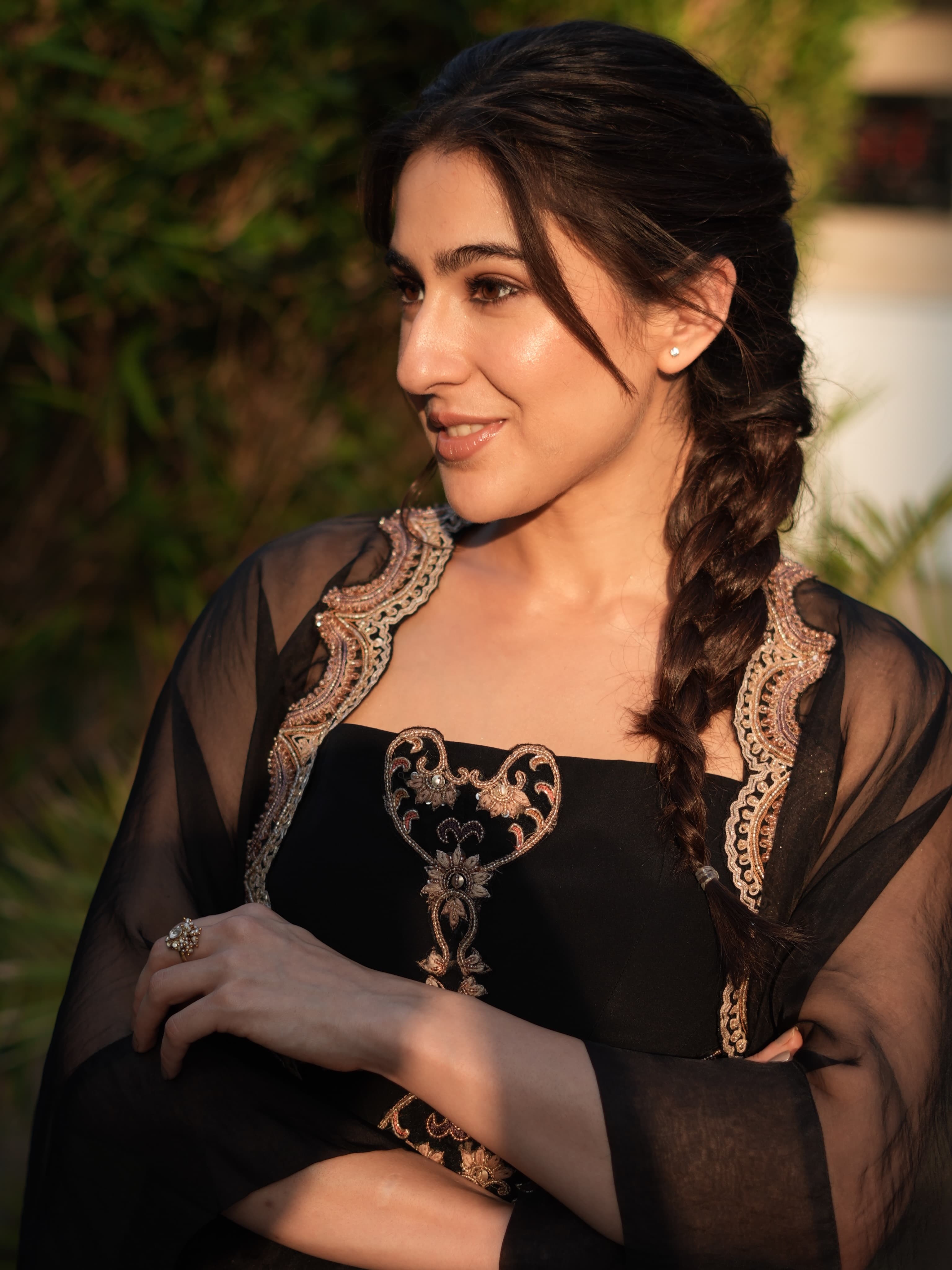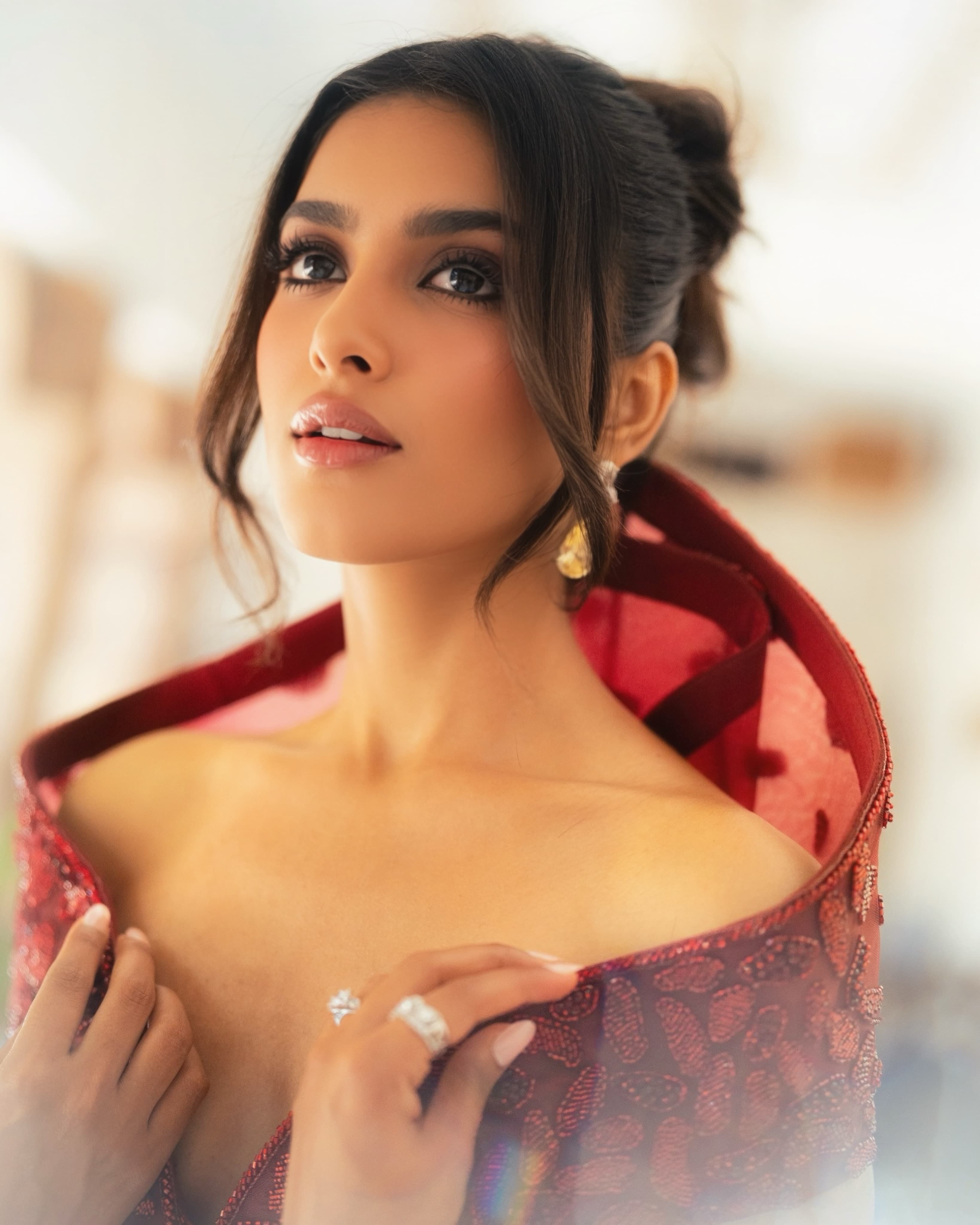
A rose never apologises for its thorns, the caption insists, and in this Miss World India visual story, Nikita Porwal leans into that sentiment with a fashion team that treats metaphor as wardrobe direction. The images arrive credited like a proper editorial sheet: designer Amit GT, fashion director Lakshmi Rana, stylist Laksha Singh, jewellery by Suhana Art and Jewels, hair and makeup by Ank Chikara. The result is not a diary entry, it is a set.
Miss World India, styled as a statement rather than a sash
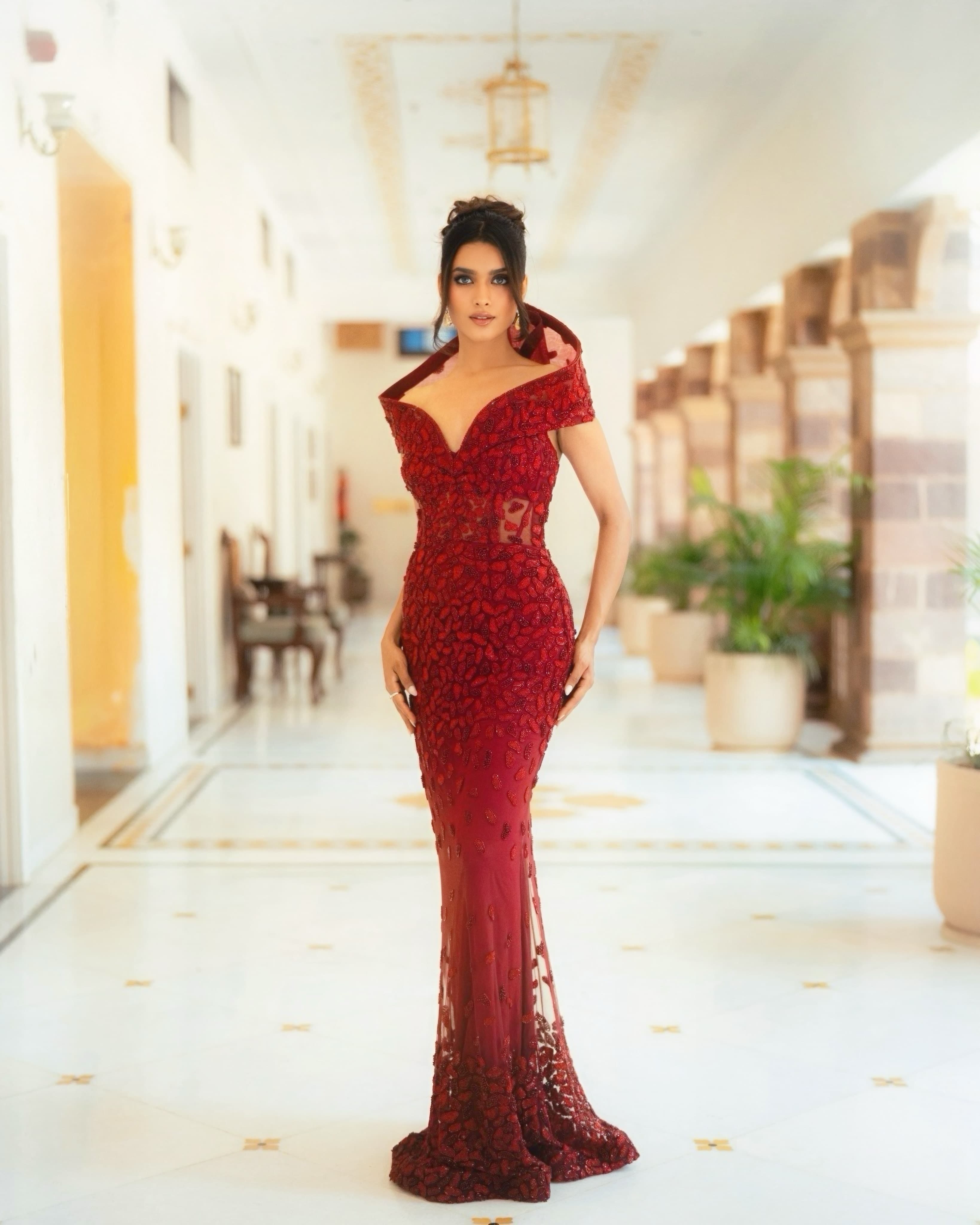
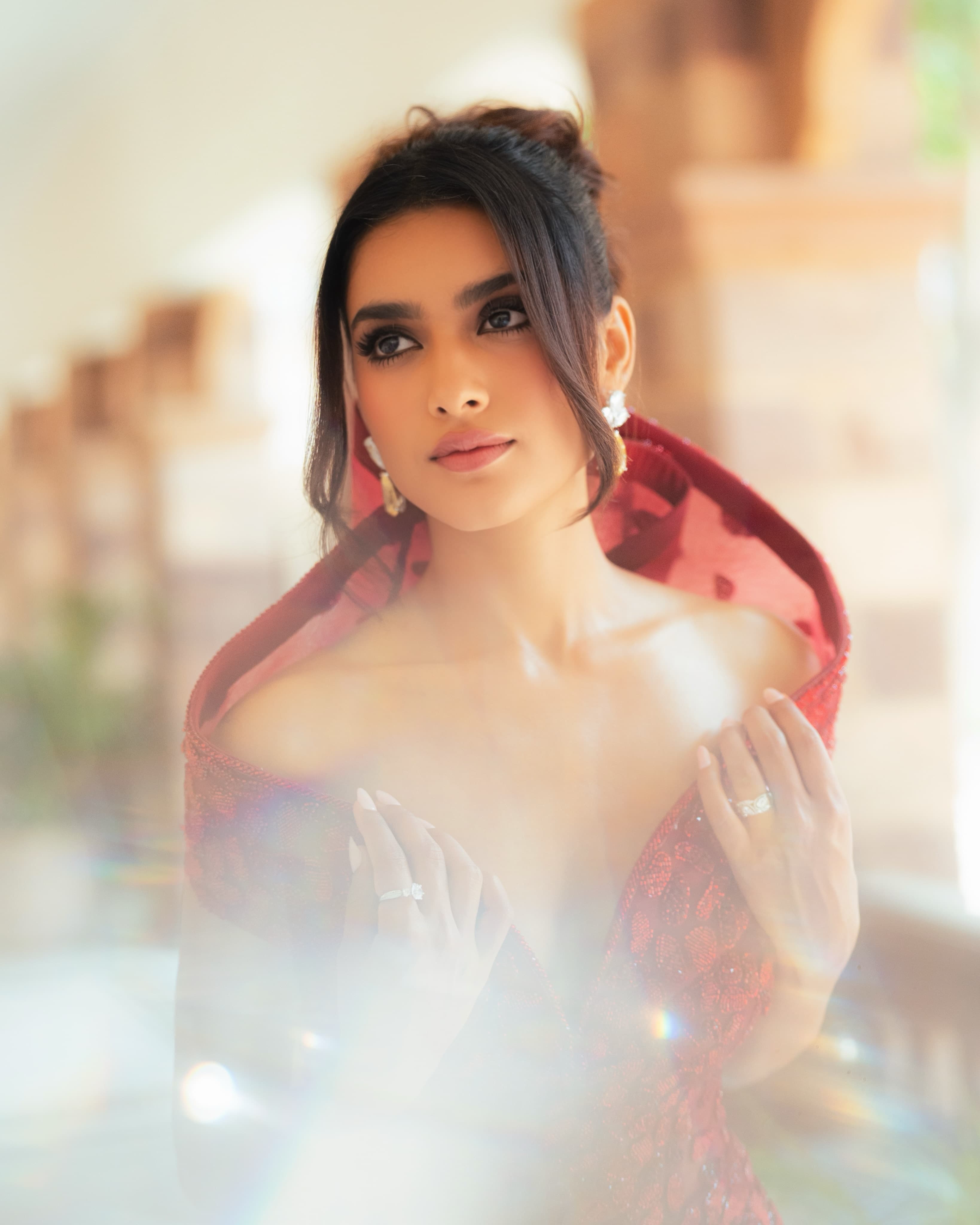
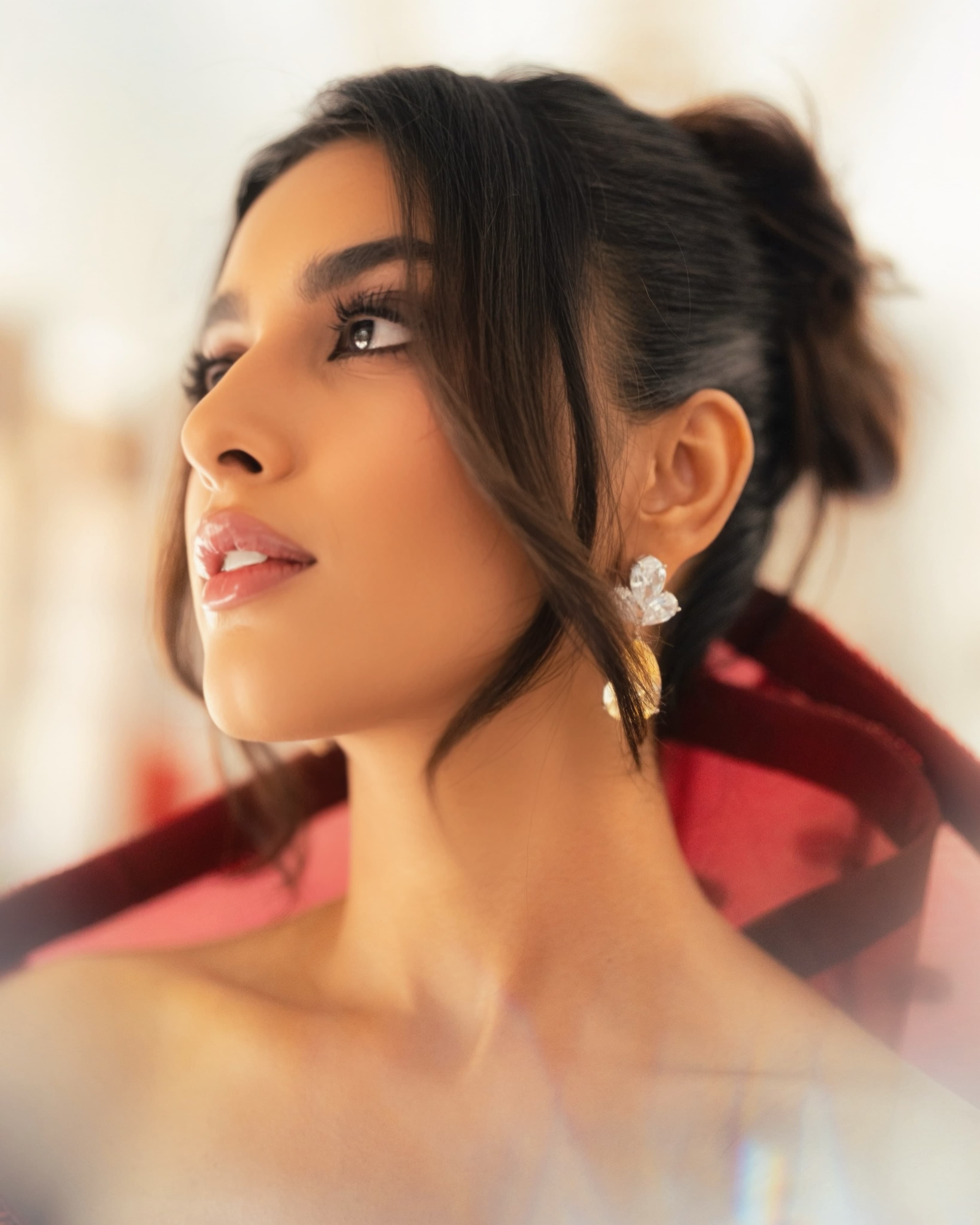
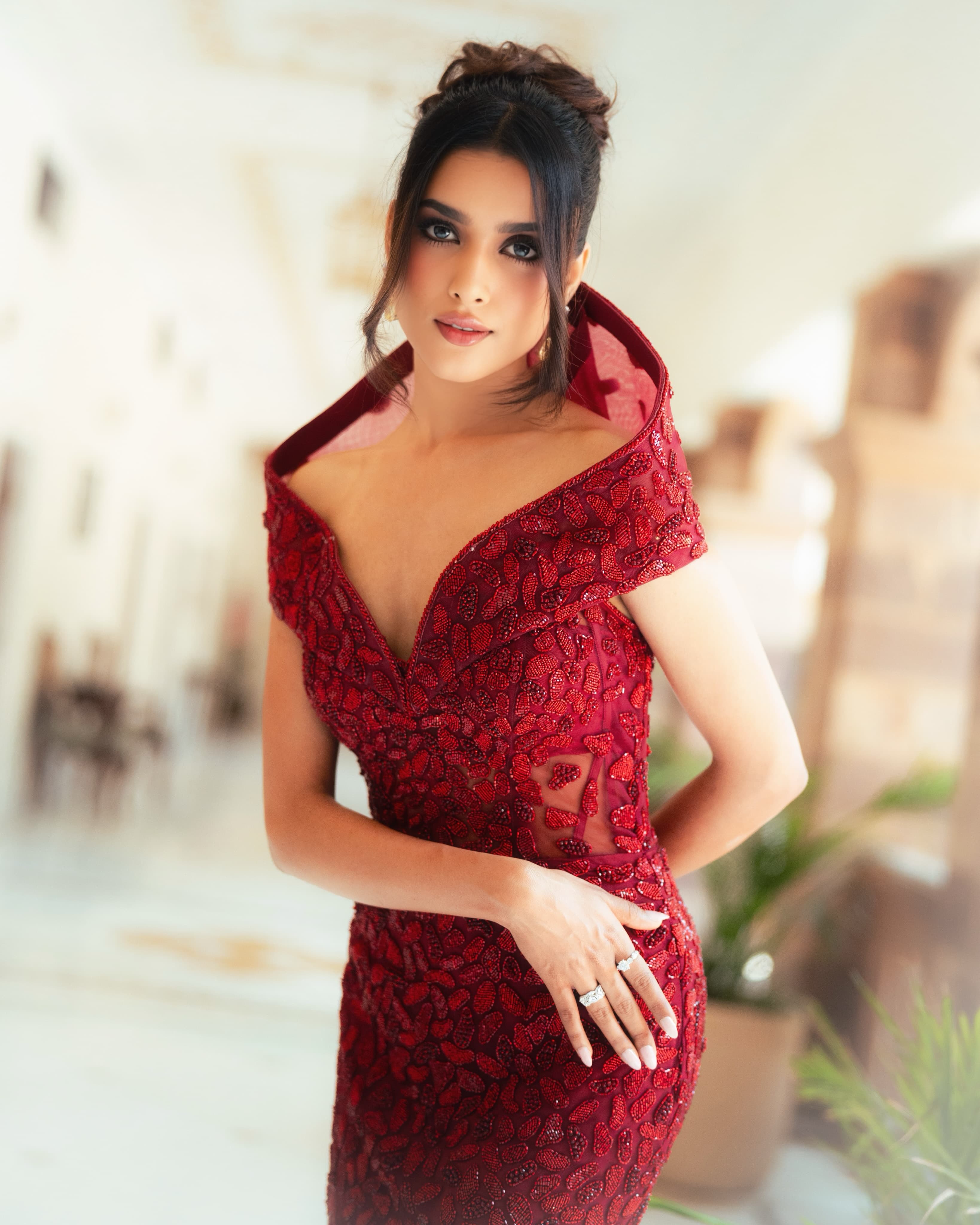
Pageant imagery can flatten a person into a single promising smile. What makes this Miss World India post worth stopping on is how deliberately it rejects that one note reading. Porwal is framed as a woman with edges, not a mascot for perfection. The rose line is doing a lot of work, but the credit list tells you it was built, not improvised, which is the real point.
For anyone tracking India’s pageant ecosystem, the tags matter: MissIndia.org is the official Femina Miss India platform, and this post positions Porwal in the Miss World India lane through the hashtag language, alongside #FeminaMissIndia and #MissIndia.
Amit GT and the vocabulary of occasion dressing
Amit GT has been part of the Indian occasionwear conversation for years, with a label that lives around ceremony, red carpet energy, and photogenic craft. Here, the credit to @amitgt_officialpage is more than a tag, it is a signal that this is couture coded rather than casual content. You can feel the intent to create a silhouette that reads instantly on camera, the first requirement of pageant adjacent fashion.
Because the post does not specify a collection name, garment title, or official look notes, it would be dishonest to pretend this is a documented runway pull. What can be said, cleanly, is that the team is presenting Porwal in the visual grammar of a finalist portfolio, an image bank that can travel beyond one feed and into press, appearances, and formal introductions that happen around Miss World India narratives.
Jewellery as punctuation, not decoration
Jewellery credit is often an afterthought in influencer posts. Here it is given its own line: Suhana Art and Jewels. That changes how you read the styling, because it implies the pieces were selected as part of the story, not added at the end. In a pageant context, that matters. Jewellery becomes punctuation: it closes a look, it sets hierarchy, it tells you where to look first.
Similarly, the clean attribution to HMU artist Ank Chikara suggests a beauty brief that was executed with editorial discipline. You do not credit hair and makeup this formally unless the finish is meant to be scrutinised in stills.
The modern pageant image is a team sport
There is an older fantasy that pageant queens are discovered fully formed. Posts like this quietly contradict that myth by listing every hand involved. Fashion direction, styling, jewellery, HMU, each one is a choice that shapes the public idea of who a contender is allowed to be. In this case, the premise is clear: a woman can be polished and still pointy in her boundaries, a rose that blooms anyway.
If you are interested in how fashion teams build public facing identity in a single frame, you might also like our Beauty coverage, where the most revealing details are often in the credits rather than the caption.
Photo Credits
Images courtesy of their respective owners. Cover image and additional images sourced from the provided post images associated with @missindiaorg and the credited creative team.