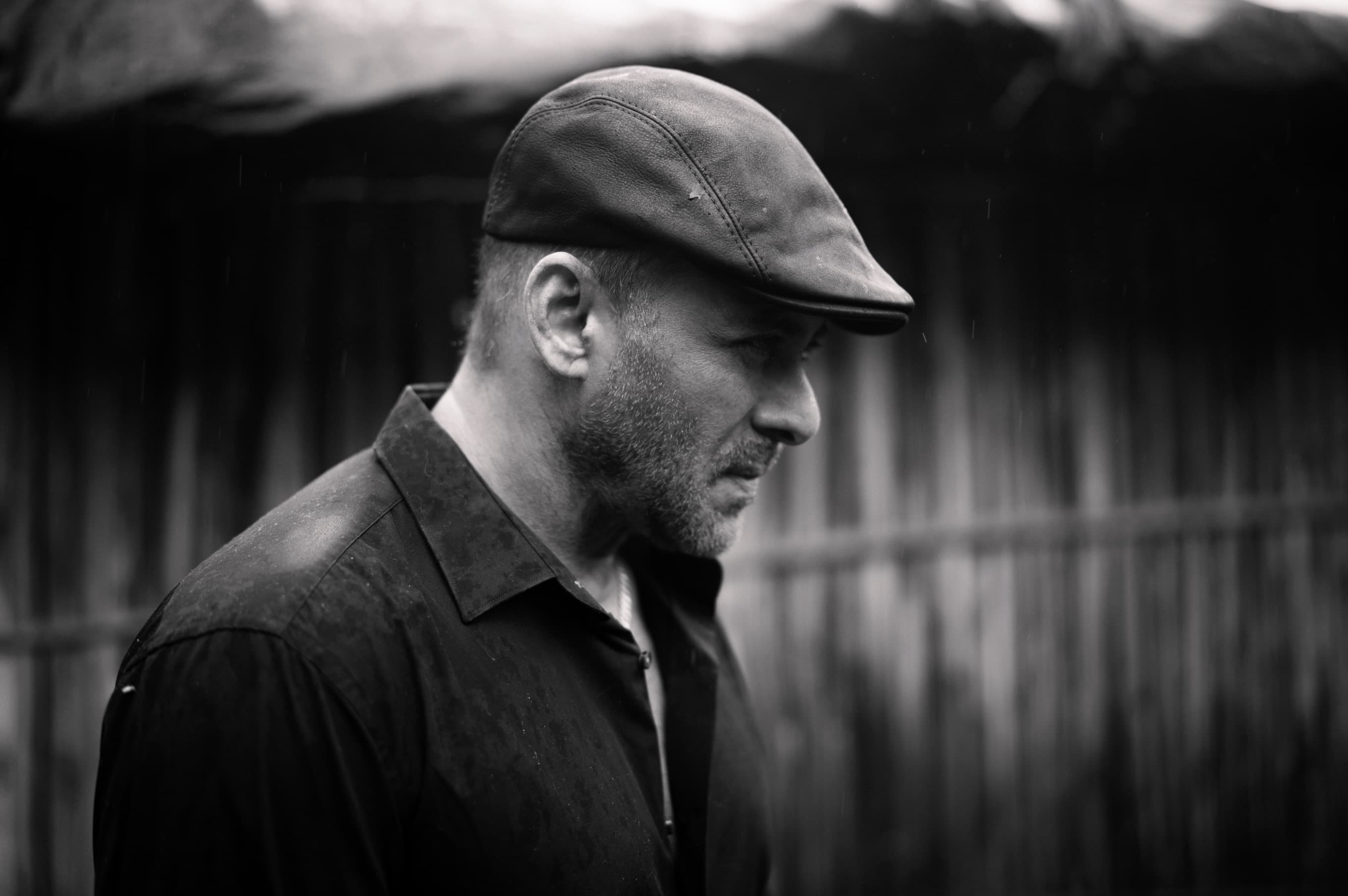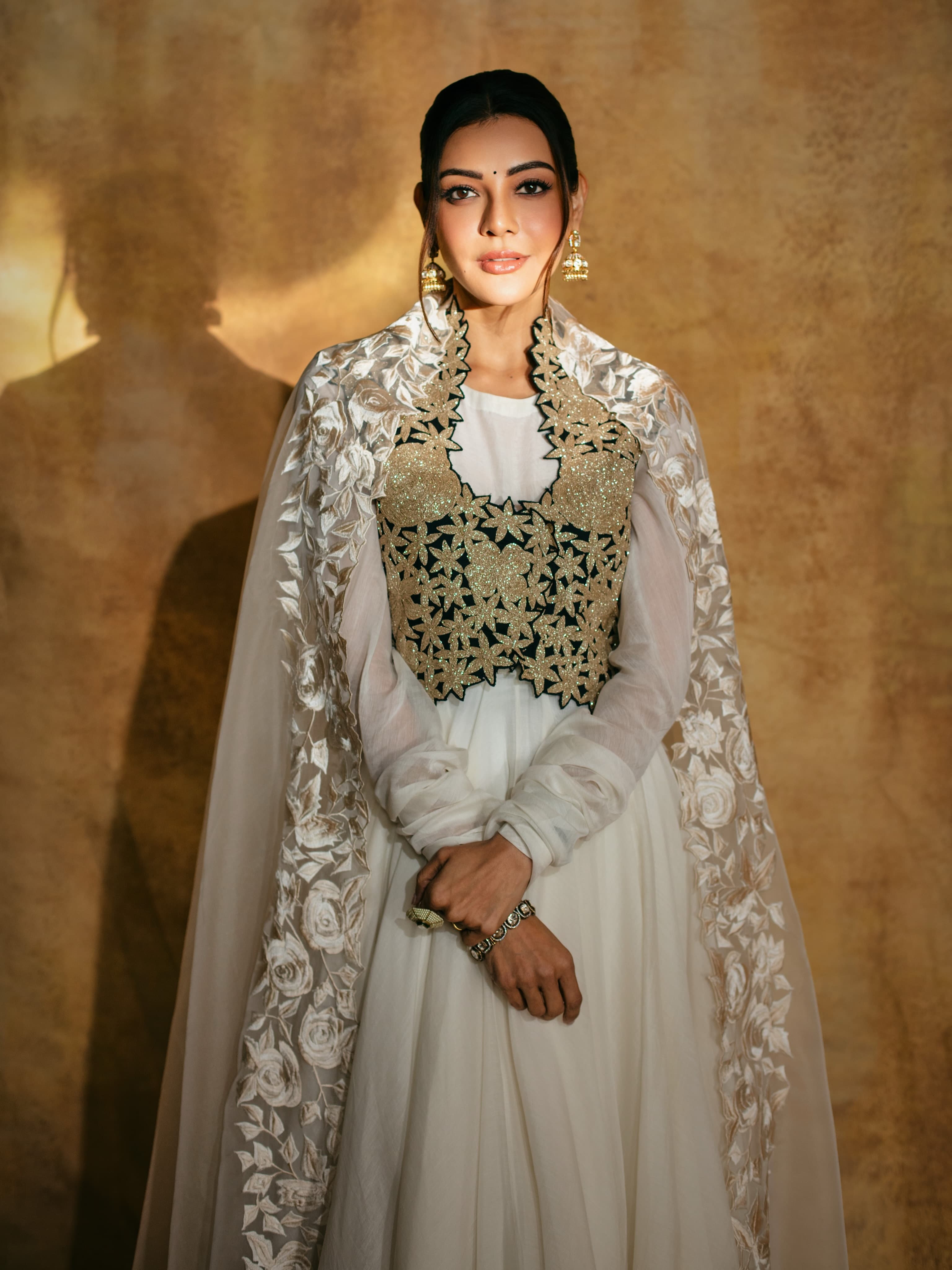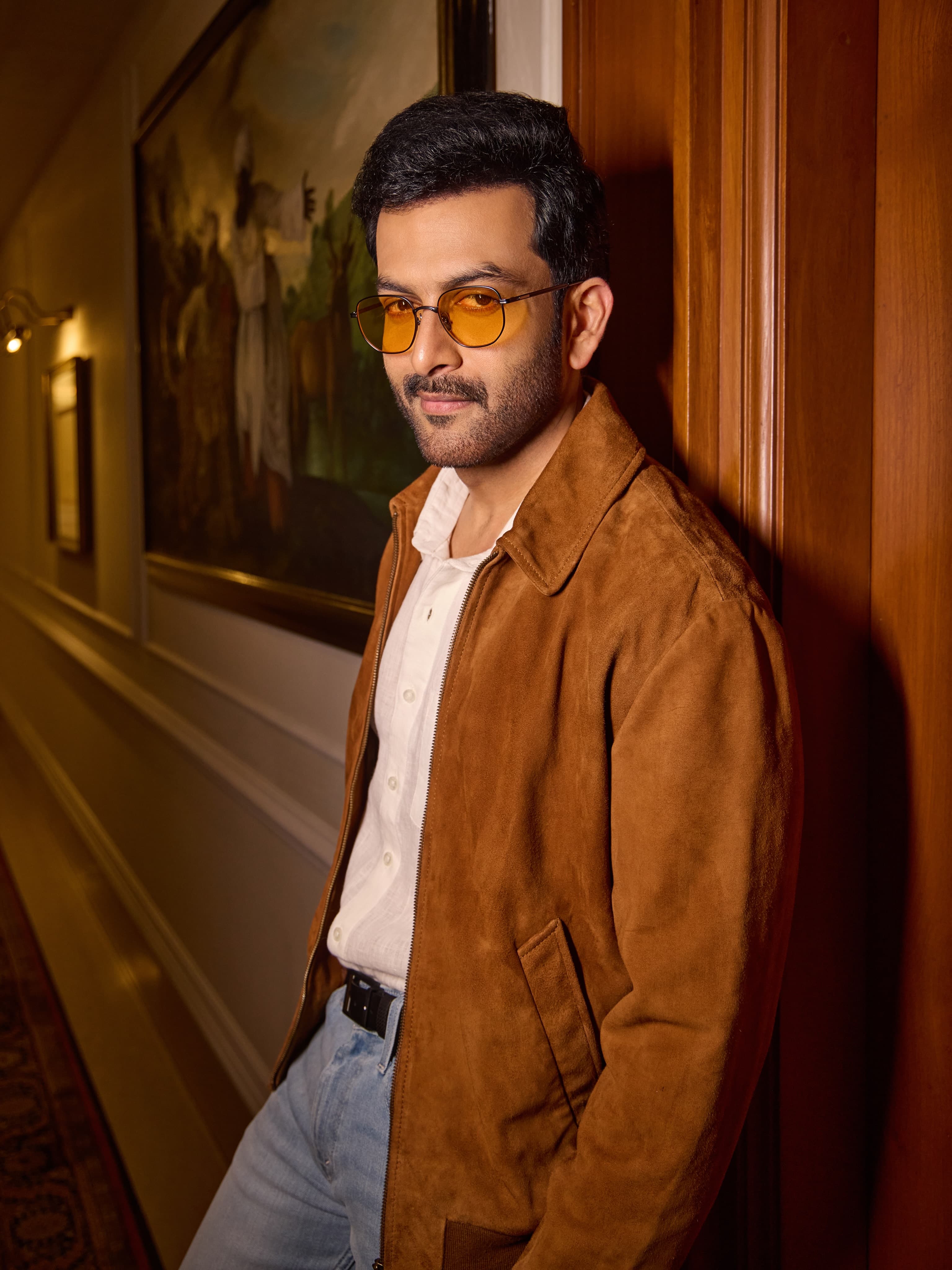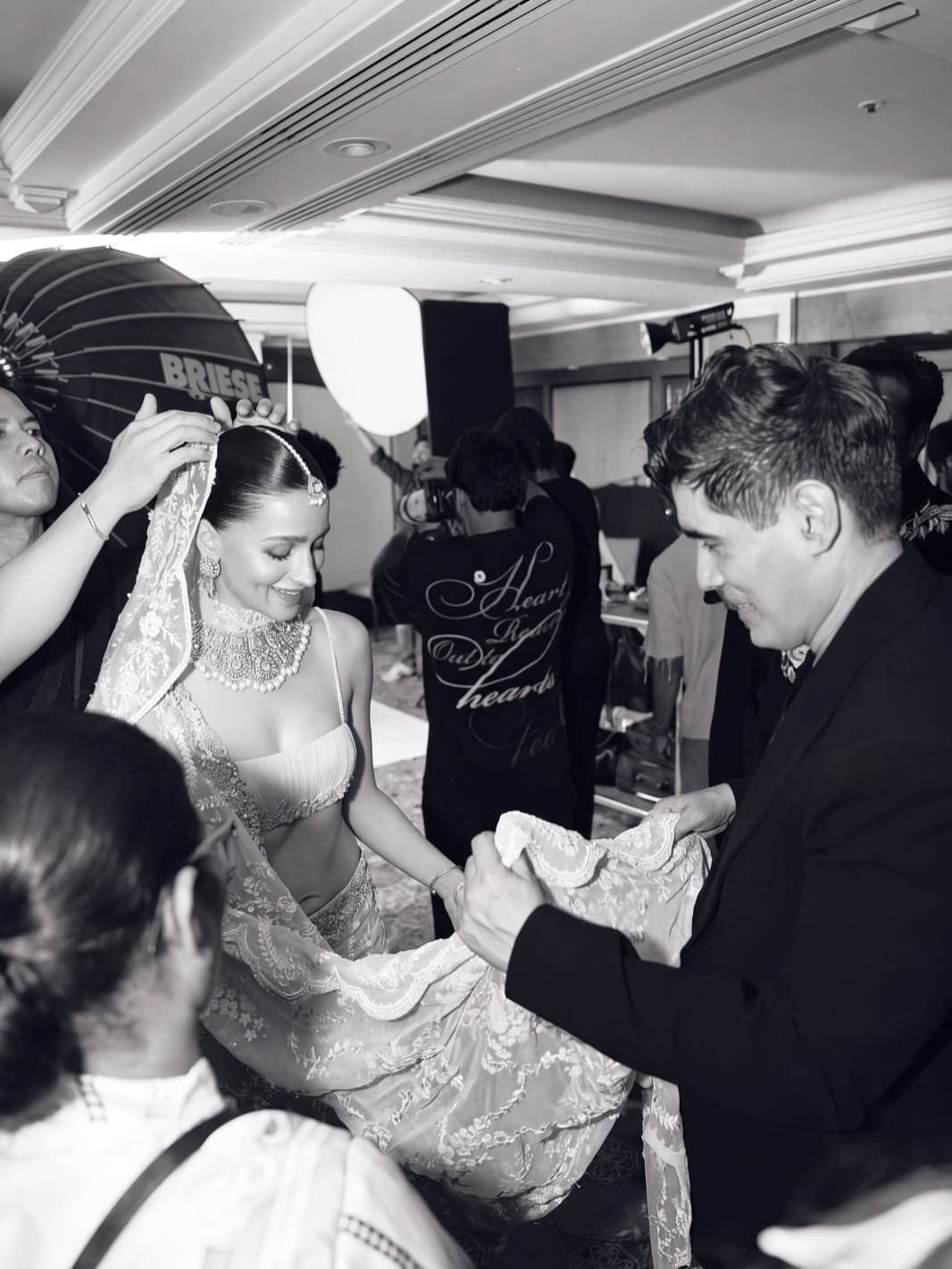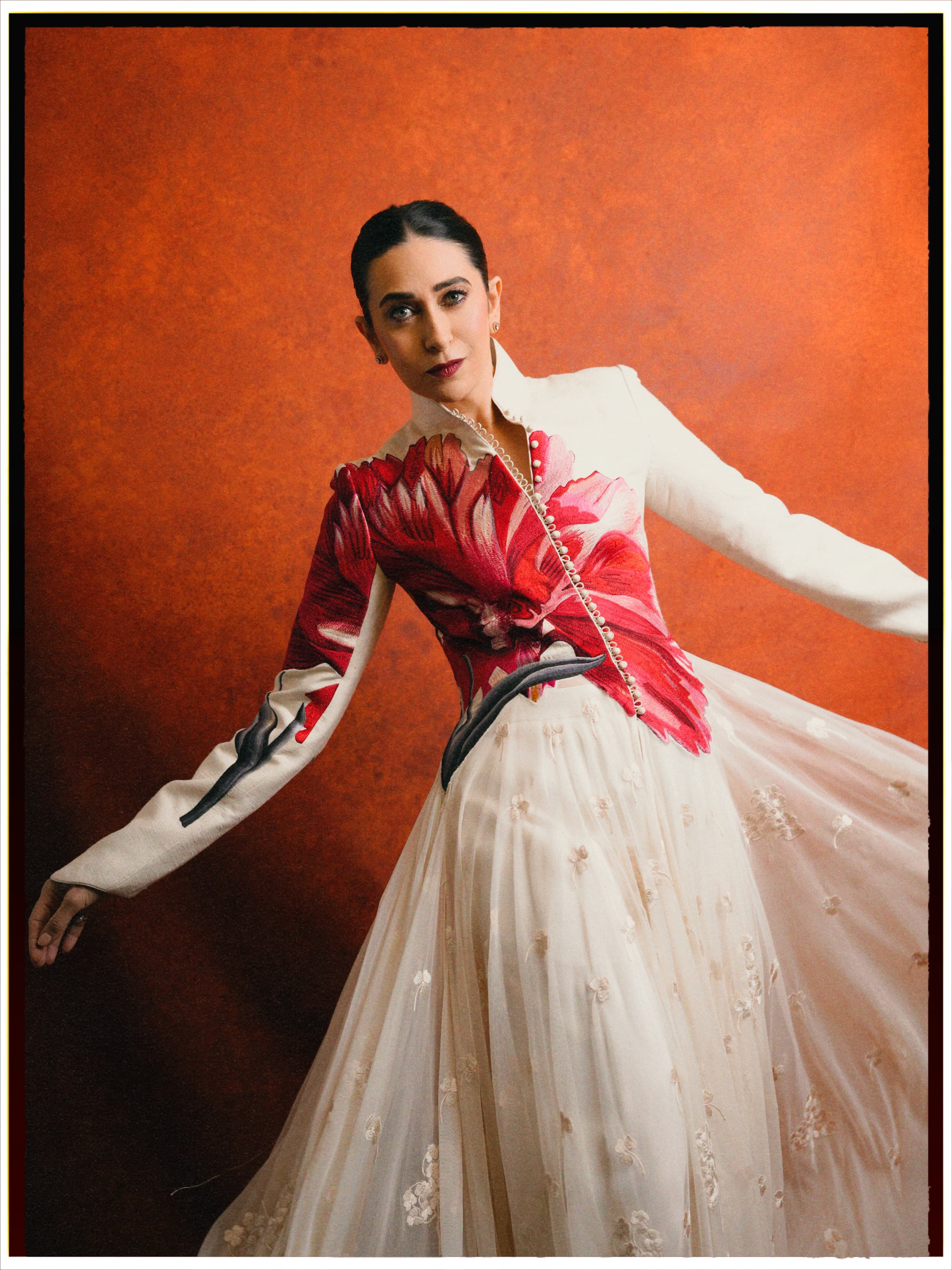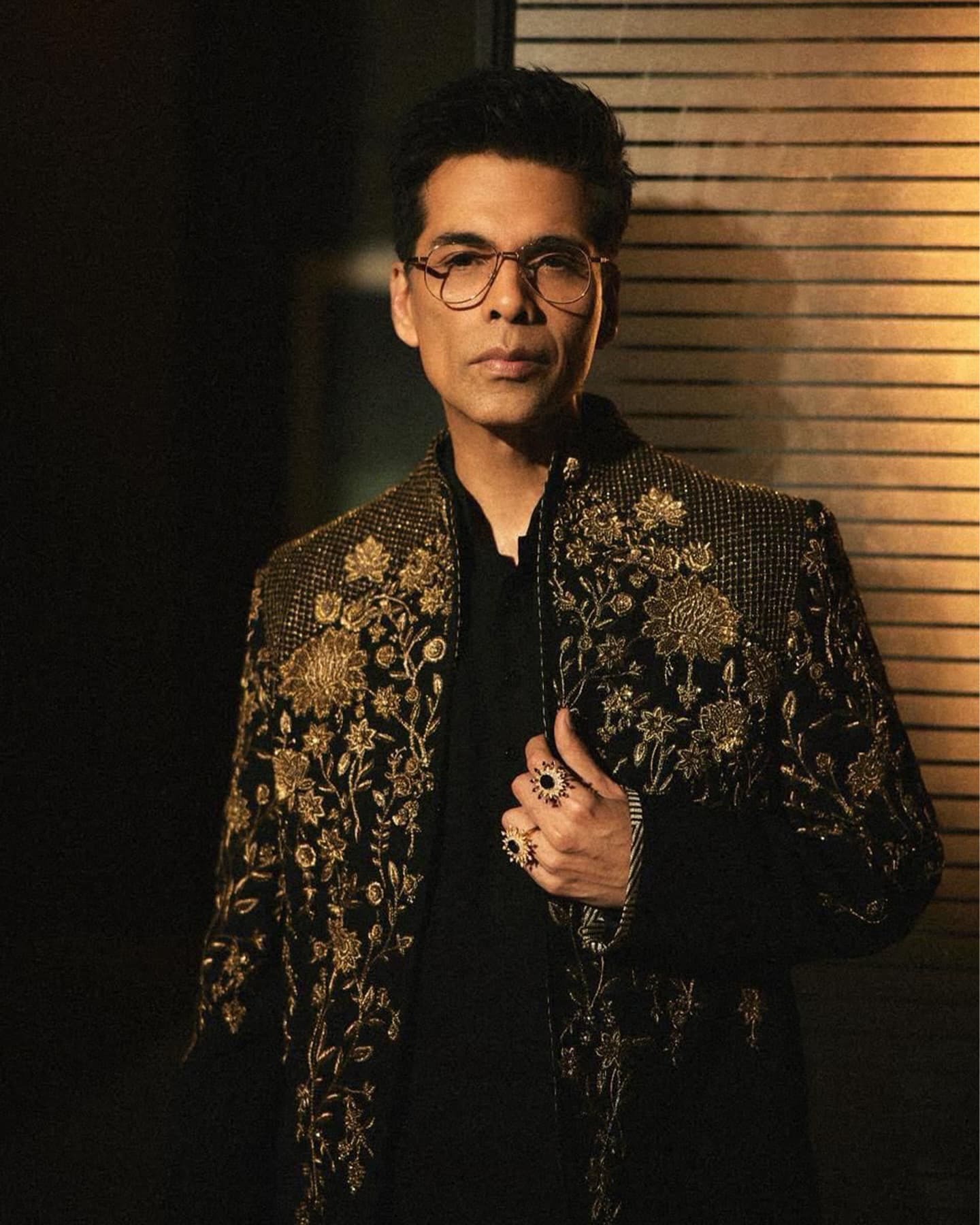
The first thing you register is the collar, that upright band that behaves like punctuation. In Karan Johar’s latest look, the bandhgala becomes a clean frame for something far more time intensive: hand embroidery built into a sharply tailored Tarun Tahiliani jacket, styled by celebrity stylist Eka Lakhani. The result is a study in control and labour, where technique is the loudest statement.
Tarun Tahiliani’s bandhgala on Karan Johar: why it lands
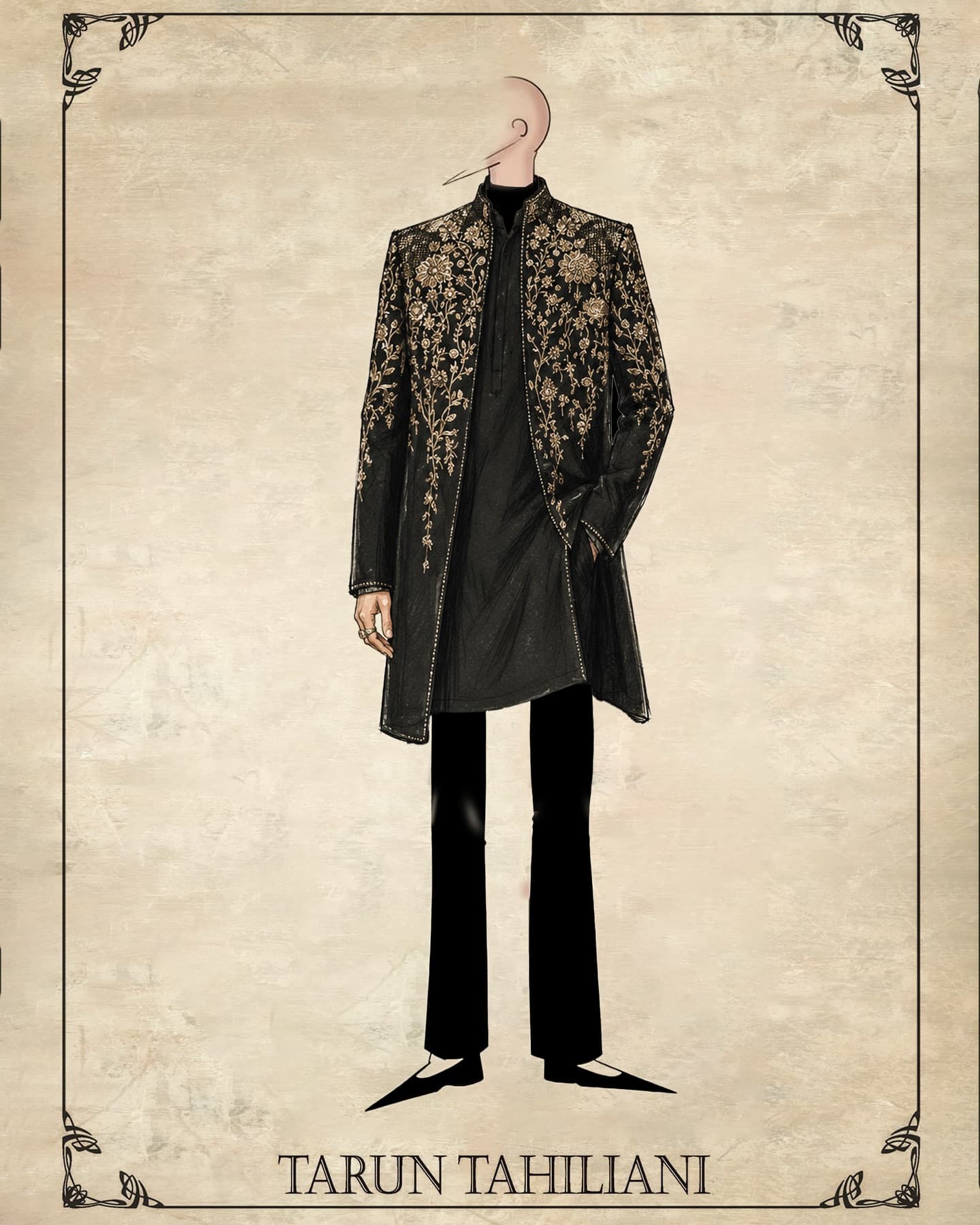
Call it a menswear flex if you want, but the appeal of the Tarun Tahiliani bandhgala on Karan Johar is simpler. The silhouette is instantly legible, Indian formalwear at its most architectural, and it rewards proximity. Bandhgalas can easily turn costume when the proportions are off or the surface work overwhelms the line. Here, the jacket’s structure does the heavy lifting first, then the embroidery adds depth as you move.
That balance is very much in Tahiliani’s wheelhouse. Long before the current wave of red carpet menswear experimentation, he was already arguing for Indian craft as modern eveningwear language. His label, Tarun Tahiliani, has sat at the intersection of couture technique and occasion dressing since the 1990s, and the brand has never treated embroidery as a decorative afterthought. You see that philosophy in pieces like this, where the stitchwork is positioned to serve the garment’s shape rather than fight it.
The detail that makes the hand embroidery feel intentional
The caption calls out “every stitch is placed with purpose,” which is easy to write and hard to earn. What earns it, visually, is how the surface work stays disciplined around the jacket’s key lines. On a bandhgala, that means the collar edge, the front closure, the chest, and the shoulder line, the places your eye uses to read fit. When the embroidery is mapped to those zones, it behaves almost like contouring for tailoring, pulling attention to the jacket’s clean geometry.
There is also a useful tension between the bandhgala’s historical associations and the way it photographs now. The silhouette carries formality, yes, but in editorial images it can read as precise and contemporary when the cut is crisp and the finish is immaculate. This is the sort of look that does not need props. It needs lighting.
Eka Lakhani’s styling: less about spectacle, more about line
Eka Lakhani has built a reputation for making dressed up feel considered rather than busy, especially on celebrity clients whose wardrobes can veer toward maximal themes. With Johar, that often means allowing one strong garment to hold the frame, then making the surrounding choices obey it. A bandhgala already tells the room you are in formal mode, so the smartest move is to let the collar and the closure do their work, and let the embroidery carry the close up.
Johar, for his part, understands the camera. A bandhgala thrives on posture and proportion. It asks for shoulders back, chin level, and a stillness that lets texture show. In a garment where the hours are in the handwork, movement is not the point.
For anyone keeping score of where Indian menswear is heading, the signal here is clear. The appetite is not for novelty silhouettes, it is for classics executed with rigour, where craft and cut arrive in the same sentence.
Photo Credits
Images courtesy of their respective owners.