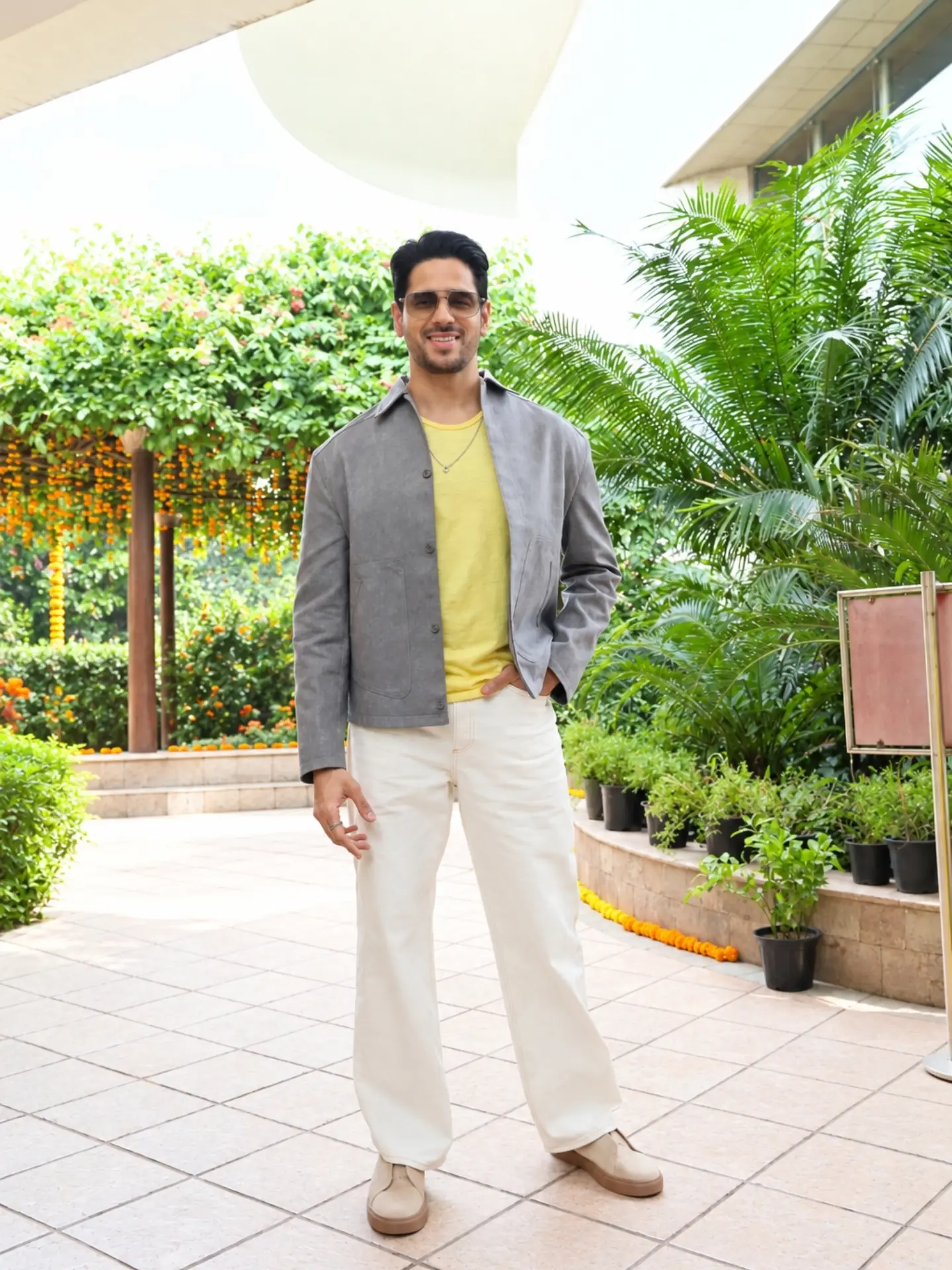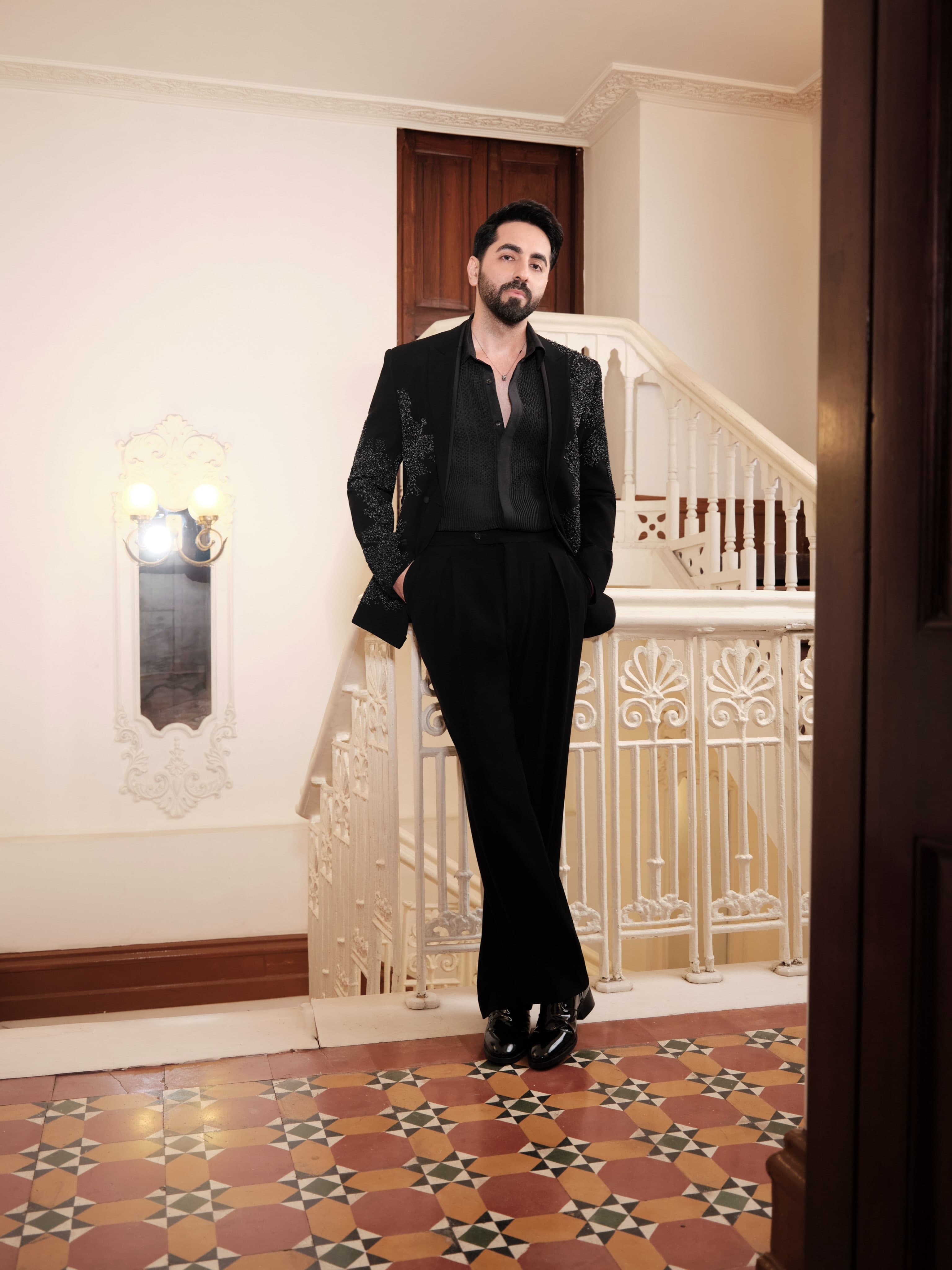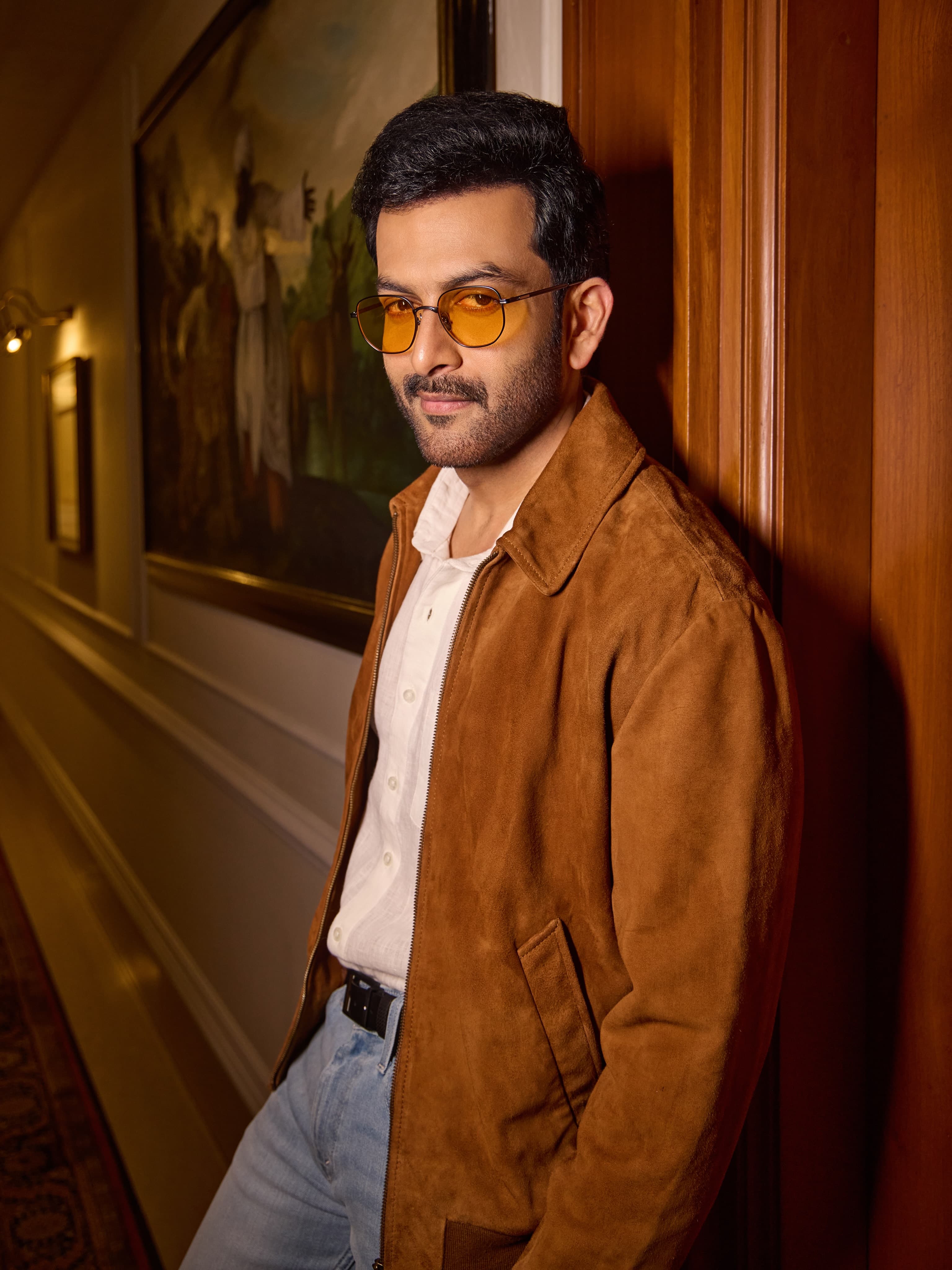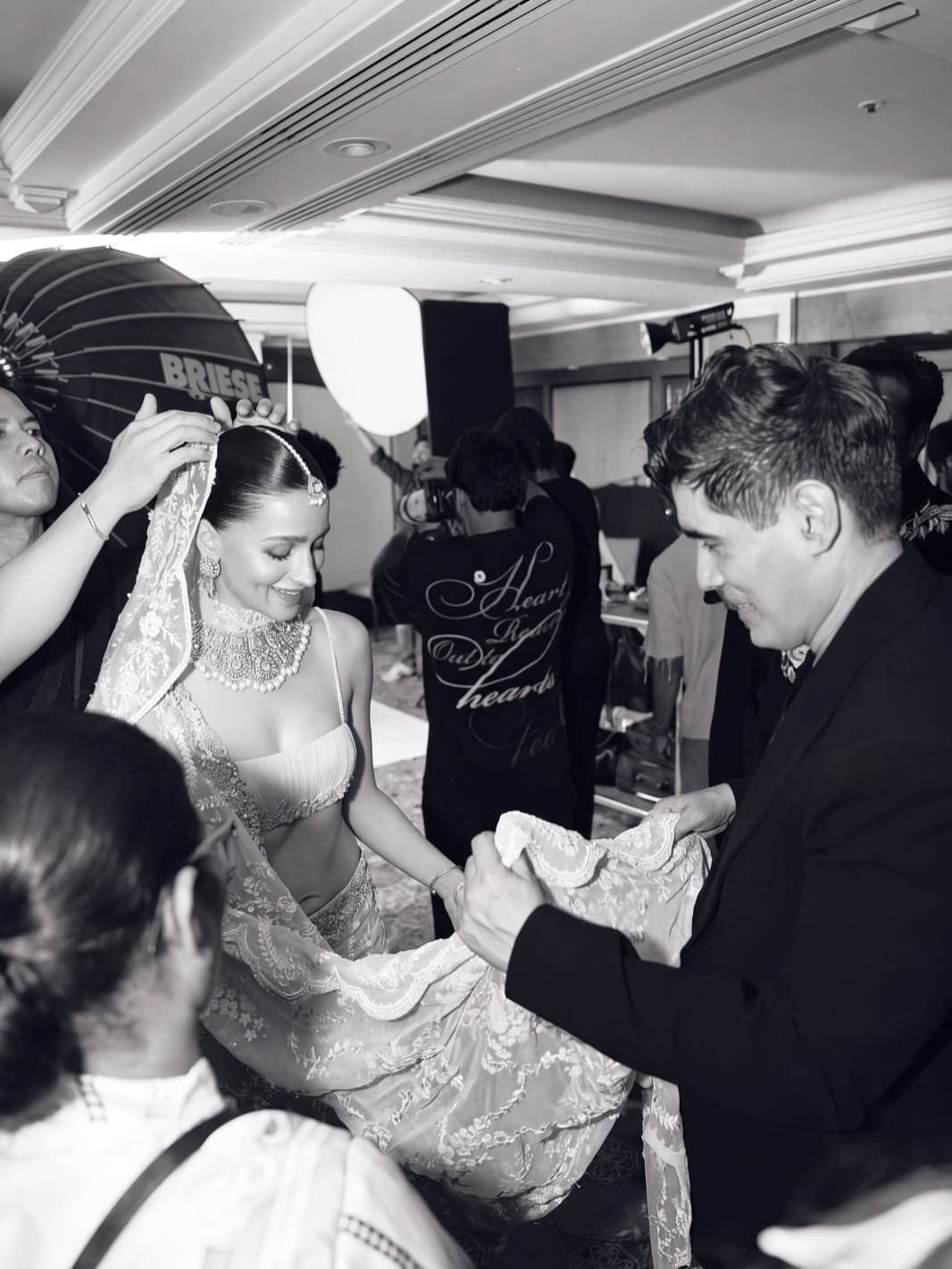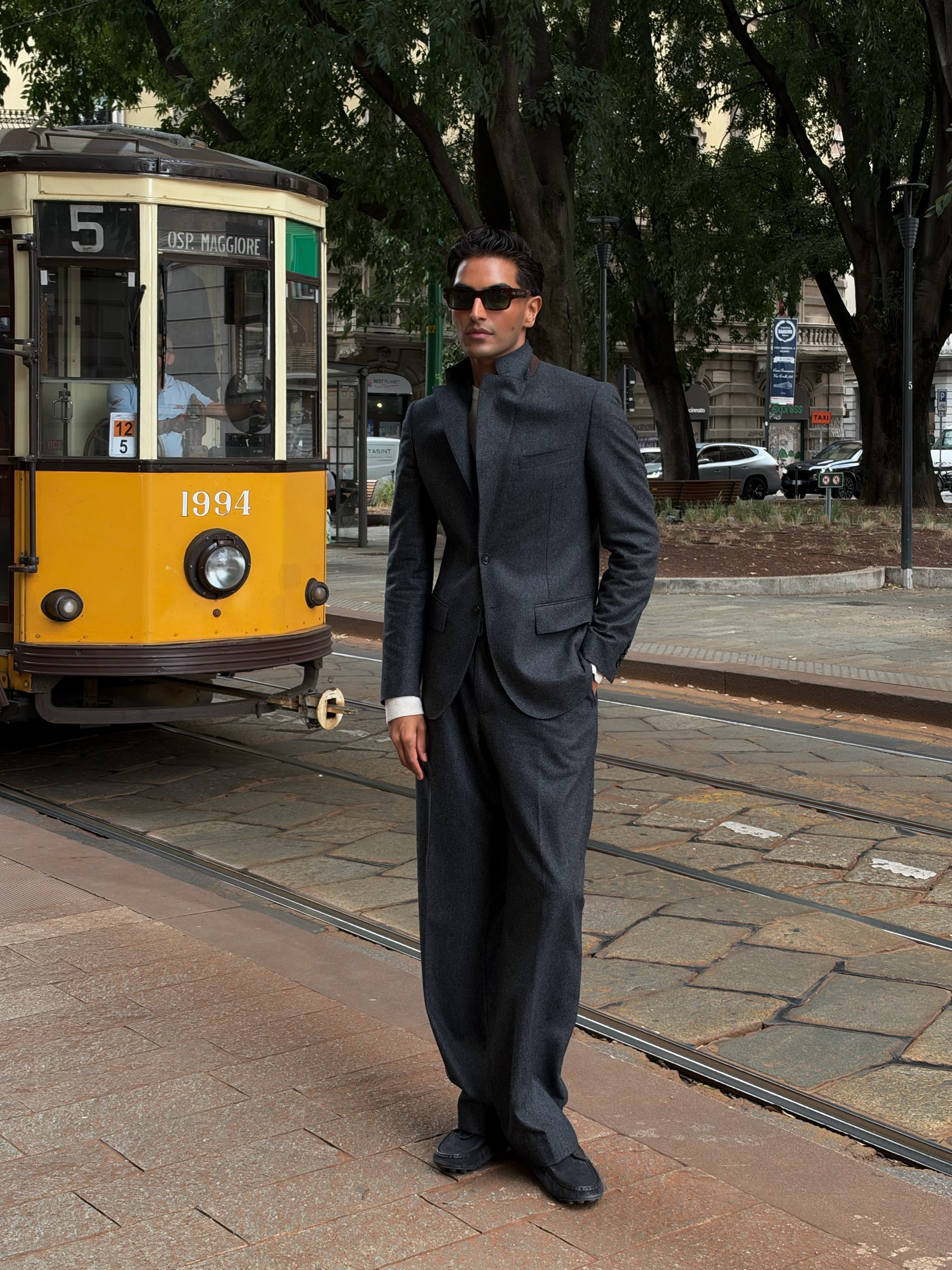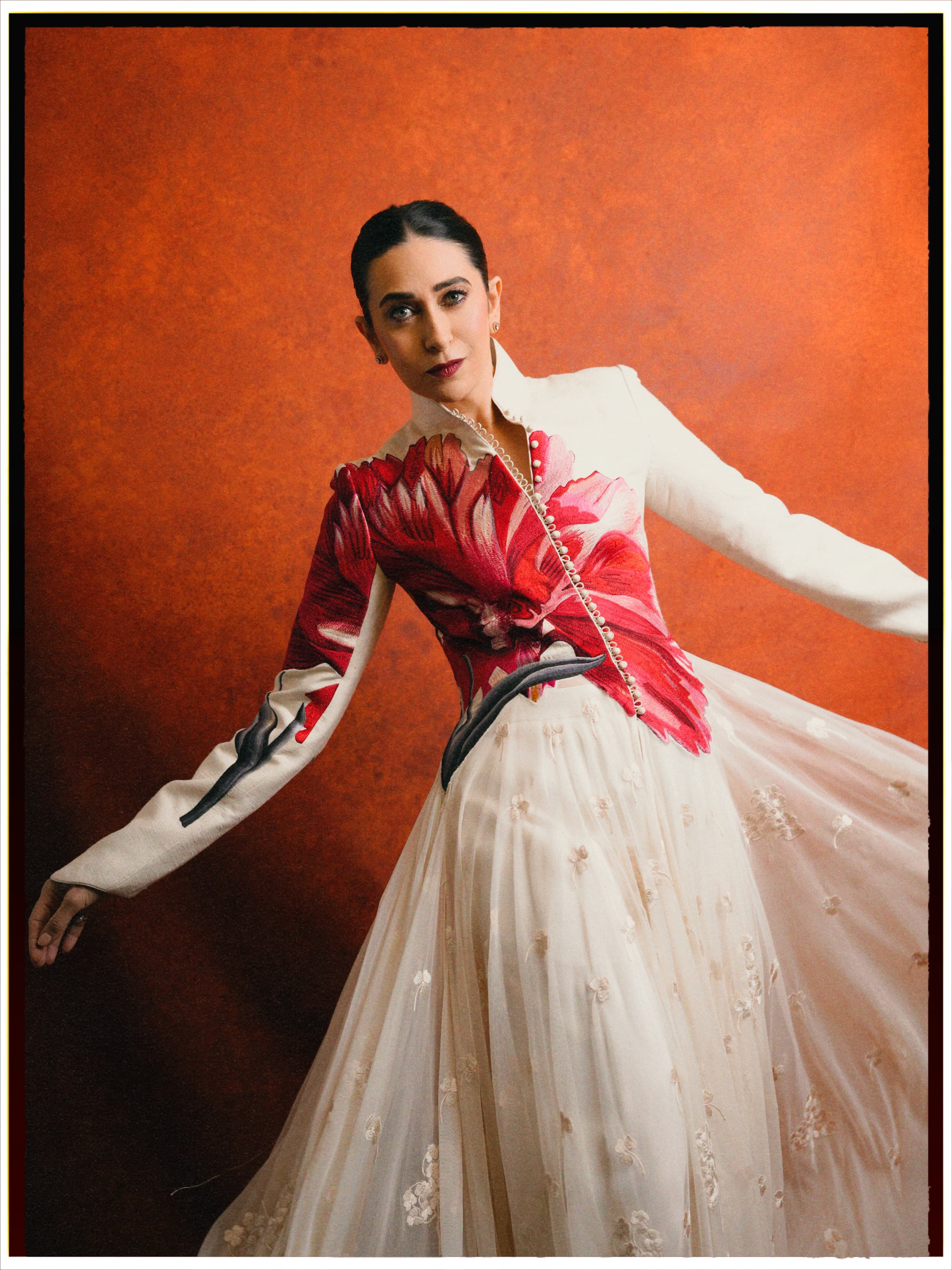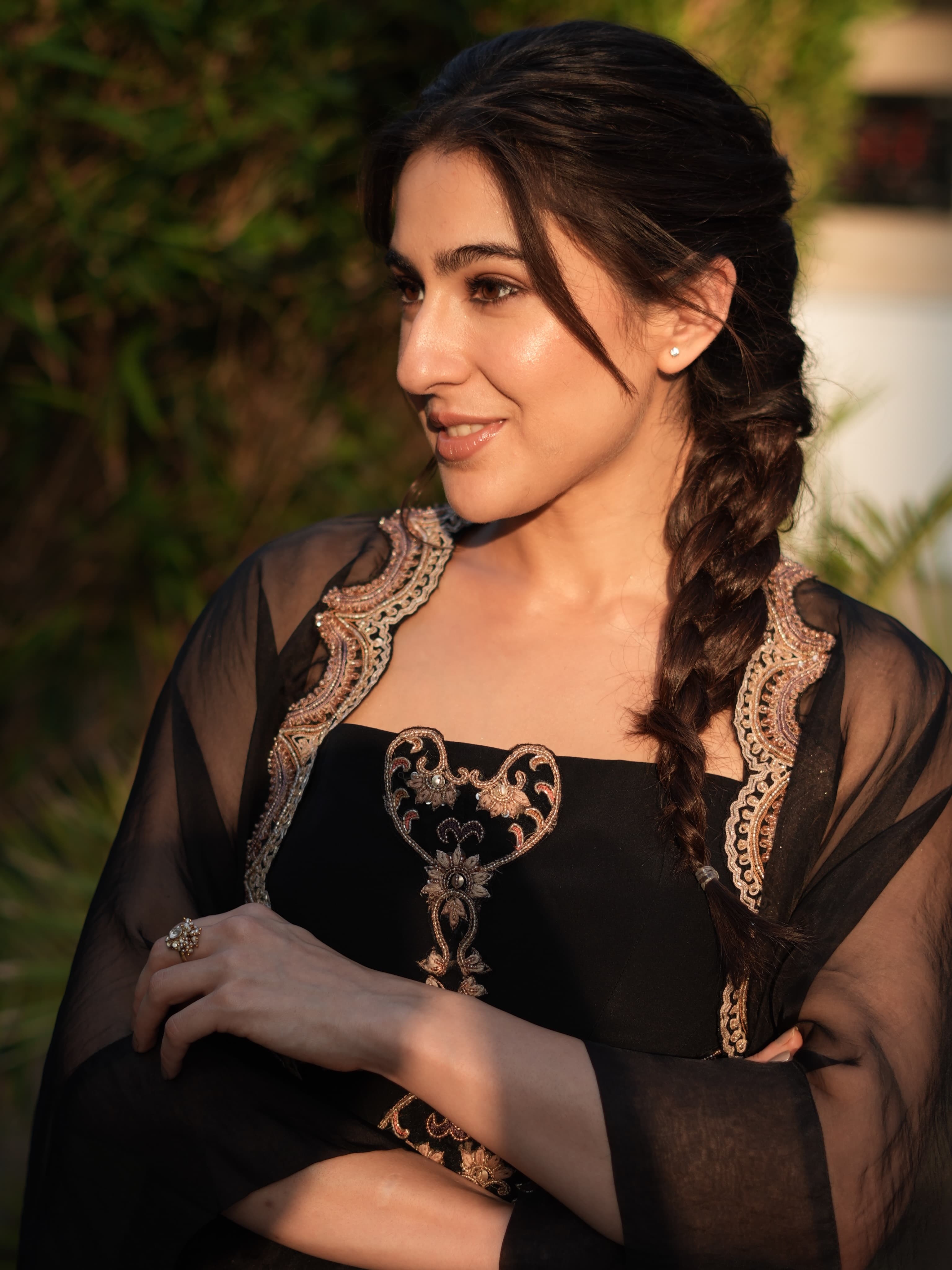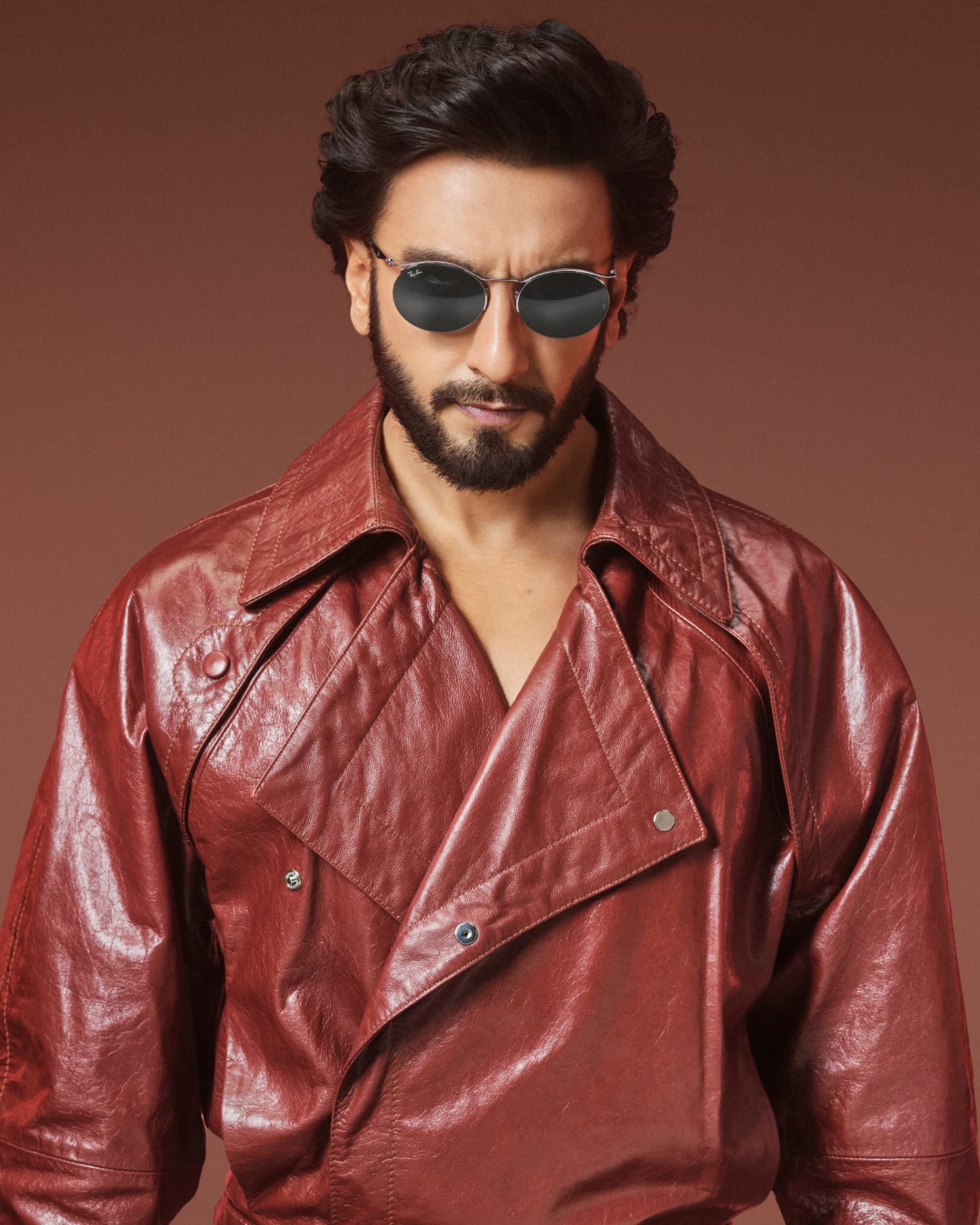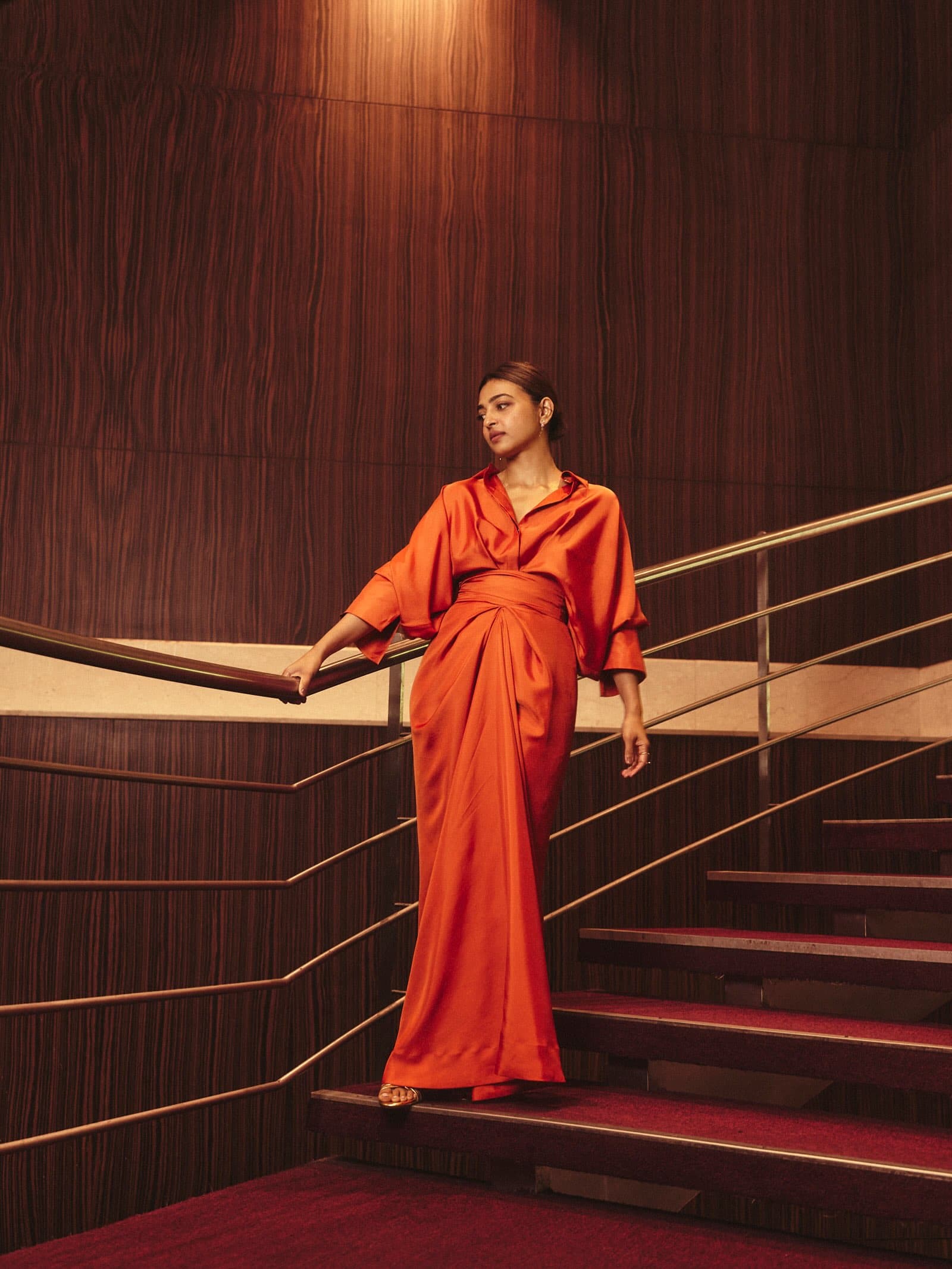
For Lust Stories 3 promotions, the clothes do what they are supposed to do in good publicity photography, they tell you something before anyone opens their mouth. In this set, the story starts with a designer credit that carries its own visual vocabulary: Payal Khandwala, whose work has long treated fabric as architecture, with panels, proportion shifts, and color-blocking that behave differently under studio lights than they do on a moving body.
Lust Stories 3 promotions: why the outfit credit matters
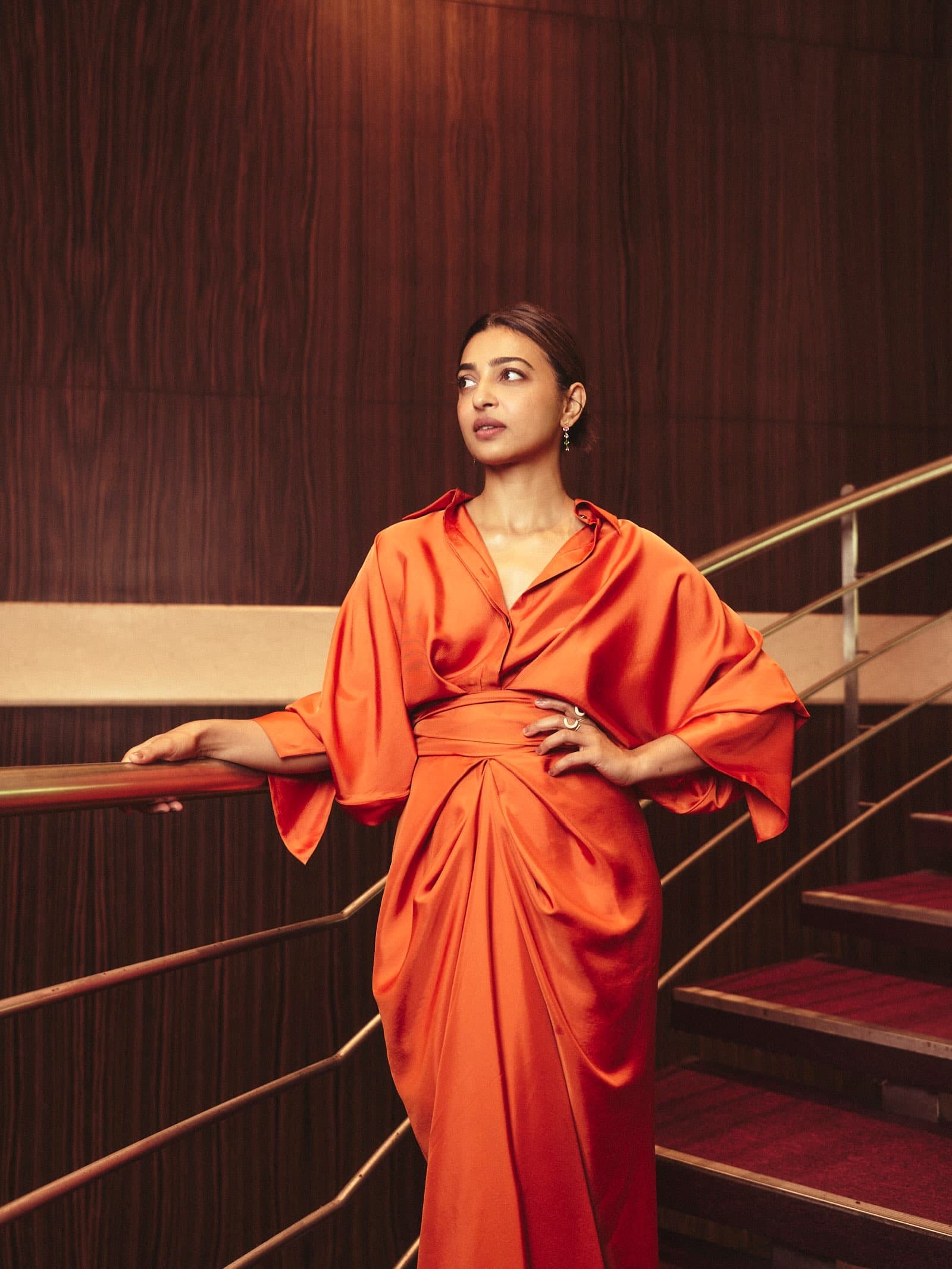
Promotion styling often gets flattened into “glam,” but the best teams build an image with enough decisions you can trace them. Here, the lead is the outfit, and the outfit is authored. Payal Khandwala is an Indian designer known for her modern approach to handwoven textiles and bold, geometric silhouettes. Even when you cannot reach through the screen and feel the cloth, that design language photographs with a particular clarity: edges, planes, and deliberate spacing.
If you have been watching how Indian designers are being worn for screen-facing moments, Khandwala’s presence in promotional wardrobes is a signal. It says the look is meant to read as design, not decoration, and to hold up in close crop as much as in full-length framing.
For a reference point on the designer’s broader work, see Payal Khandwala’s official site.
Behind the images: styling, makeup, hair, and the camera
Styling as narrative control
The styling credit goes to @who_wore_what_when, with @d.shubham_j listed as part of the style team. In practice, this is the layer that decides whether a fashion look becomes a character choice or a catalogue page. Accessories, neckline decisions, sleeve treatment, and how the outfit sits in the frame are the styling moves that tell you whether a promotional image is aiming for cinema, fashion, or pure recognisability.
Hair and makeup as texture, not disguise
Hair and makeup are credited to @natasha_mathias_, with @janvi_hairstylist on the HMU team. In promotional imagery, this department is usually tasked with a careful contradiction: the face has to survive lights, lenses, and retouching, while still looking like skin, still looking like a person. It is a discipline of finish and durability, especially when the outfit carries strong structure and the overall frame needs balance.
Photography that sells the look without swallowing it
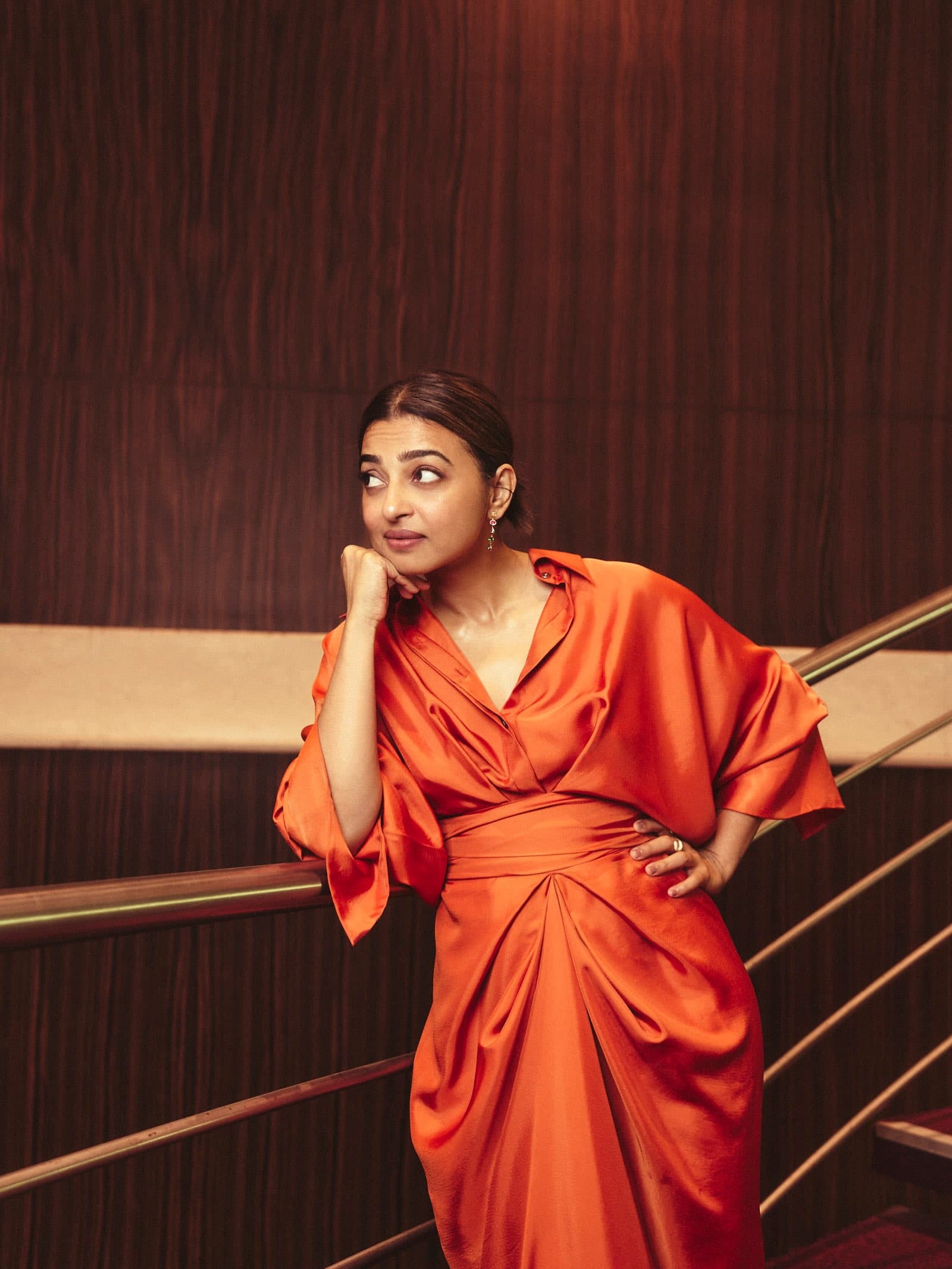
The photography credit is @the_souhardyabiswas. Good promotional fashion photography has a tight brief. It must flatter the subject, translate the clothes, and create a visual signature that can travel across crops, thumbnails, and press pulls without losing its point. The most interesting part is often the simplest: how the camera chooses distance, where it places the horizon, and what it lets fall out of focus.
What this says about fashion’s role in screen promotions now
There has been a clear shift in how Lust Stories 3 promotions and other high-profile streaming projects show up visually. The strongest looks are built to be paused. They assume the audience will zoom in, screenshot, debate the designer, and track down the stylist. A designer like Payal Khandwala fits that economy because the silhouette itself is legible, even if you never learn the exact fabric composition or season.
That is also why credits matter. When the post names the outfit, HMU, hair team, stylist, and photographer, it turns a promotional still into a public-facing roll call of craft. It invites the viewer to follow the work, not only the celebrity.
For context on the film anthology itself, the title is listed on Netflix under “Lust Stories 3,” where official promotional materials typically consolidate as the release window approaches.
Photo Credits
Cover image courtesy of the production’s promotional team. Additional images courtesy of their respective owners. Outfit: @payalkhandwala. HMU: @natasha_mathias_. HMU team: @janvi_hairstylist. Styled by: @who_wore_what_when. Style team: @d.shubham_j. Photography: @the_souhardyabiswas.