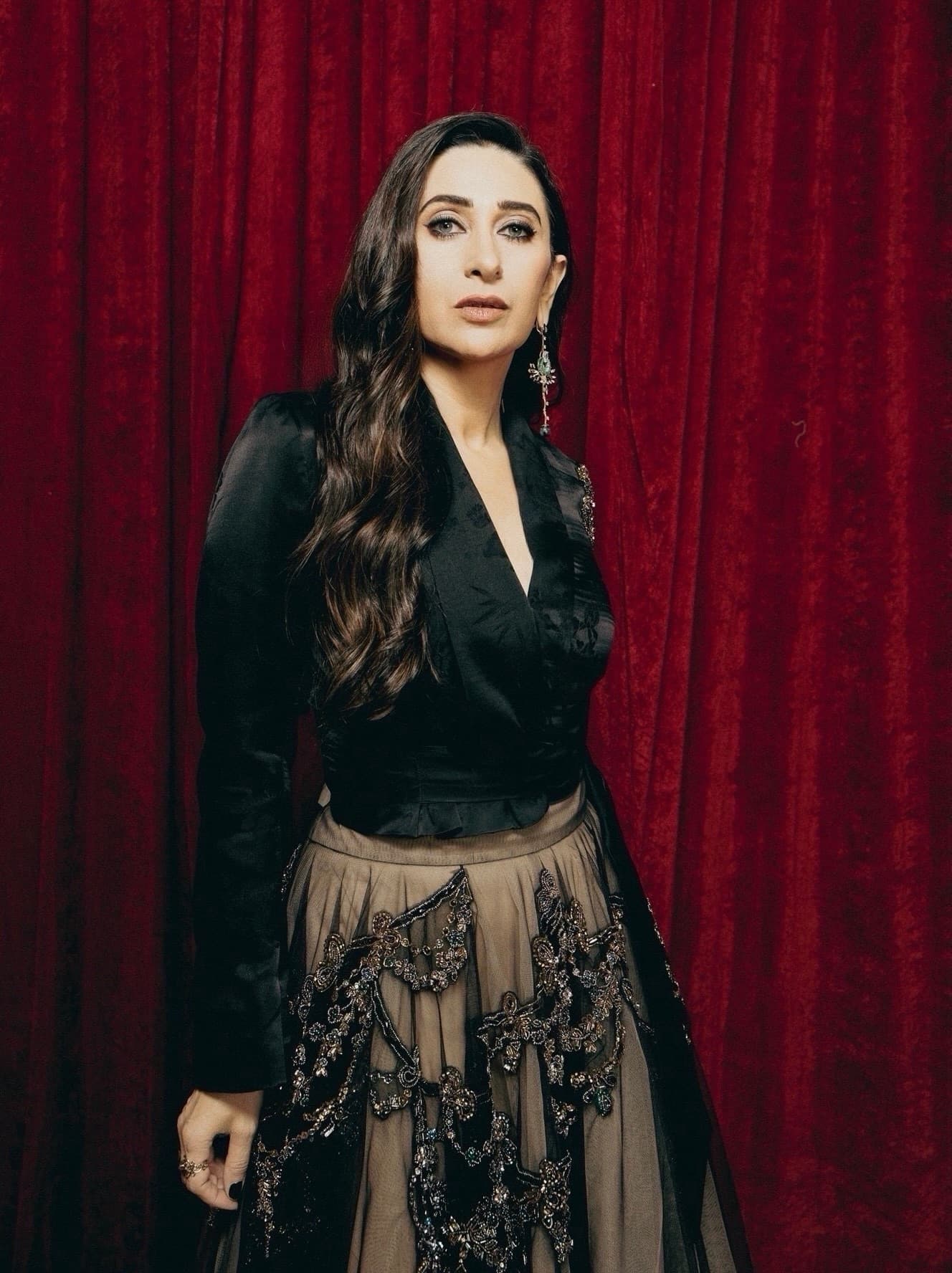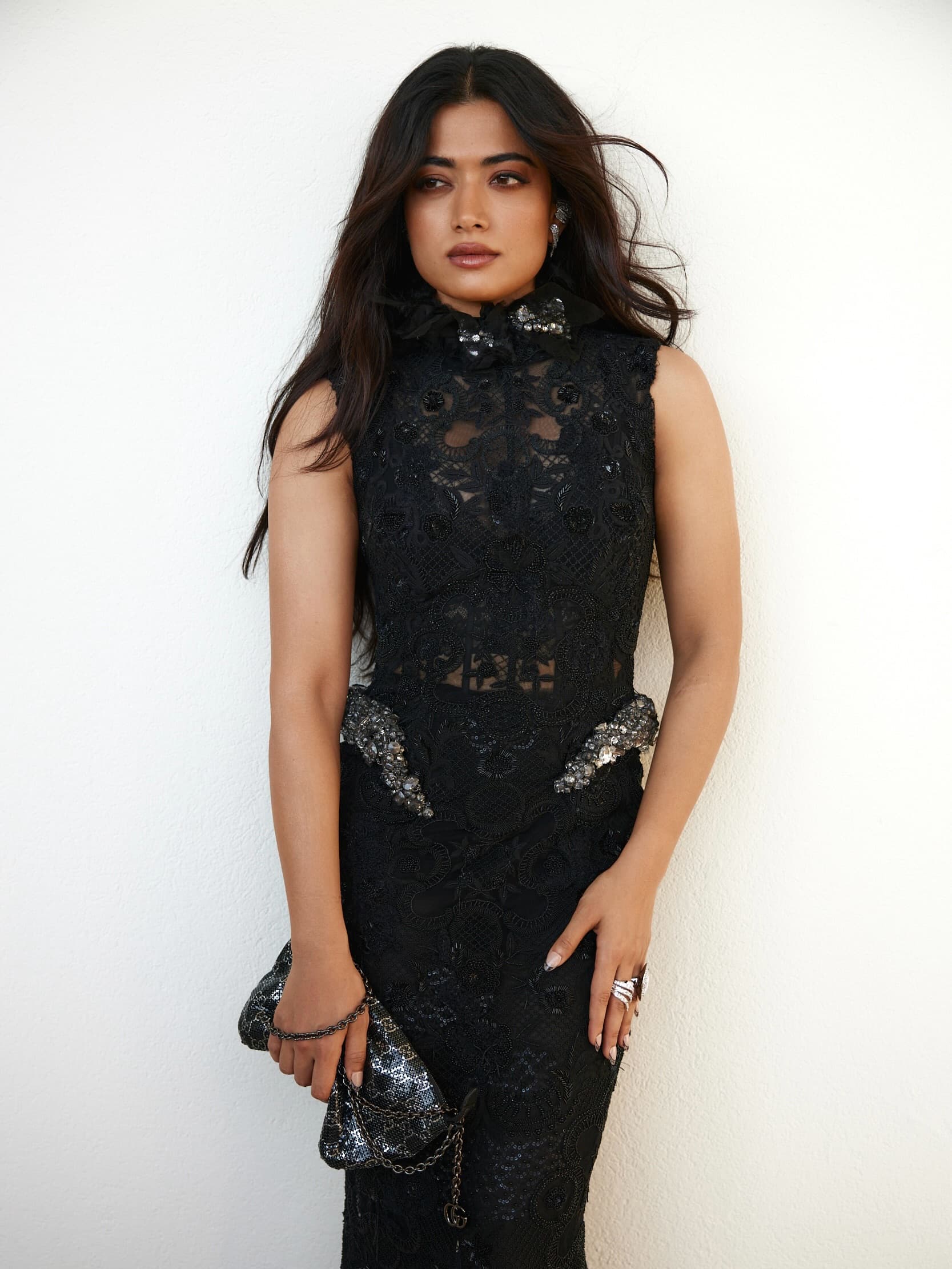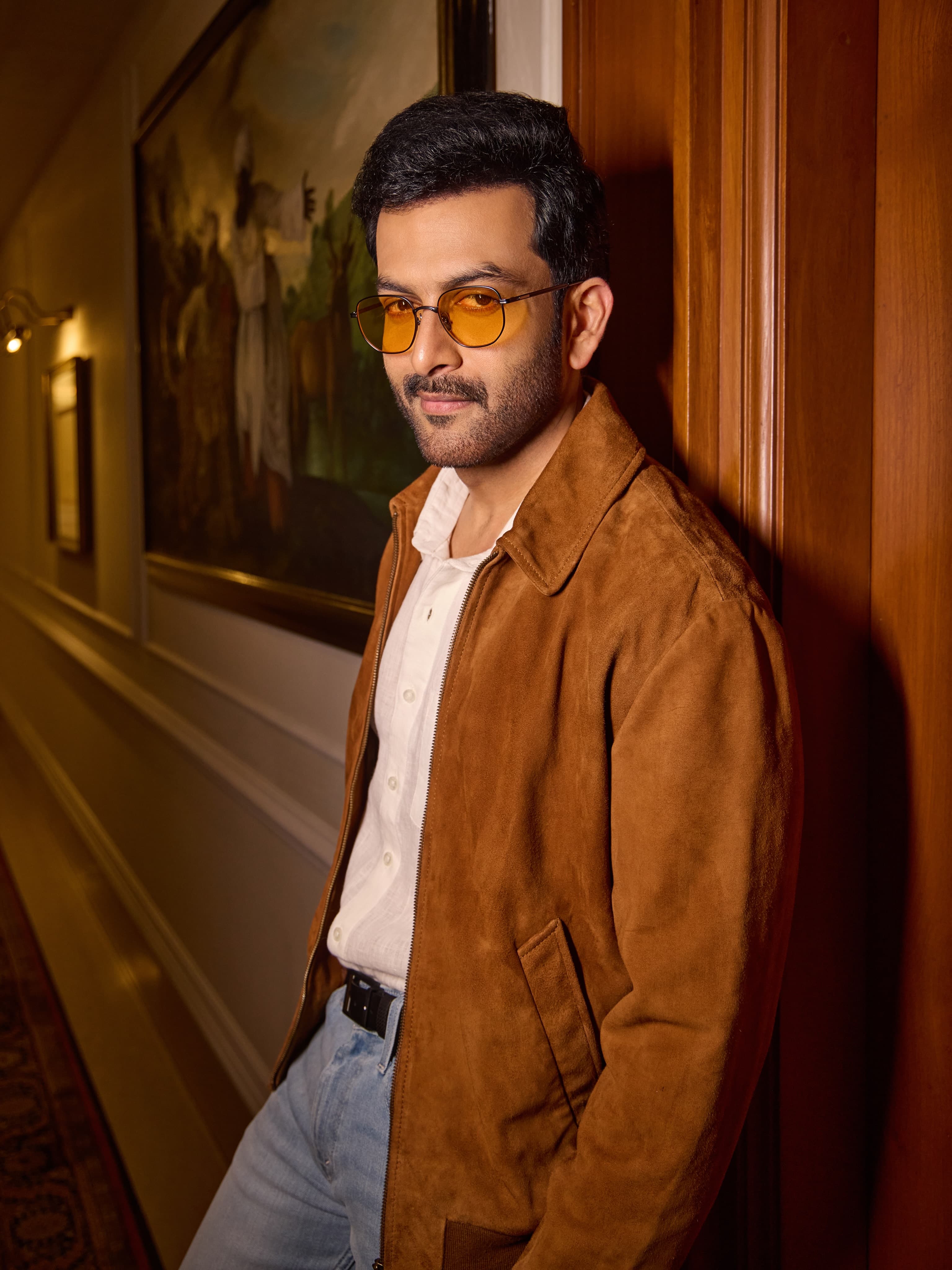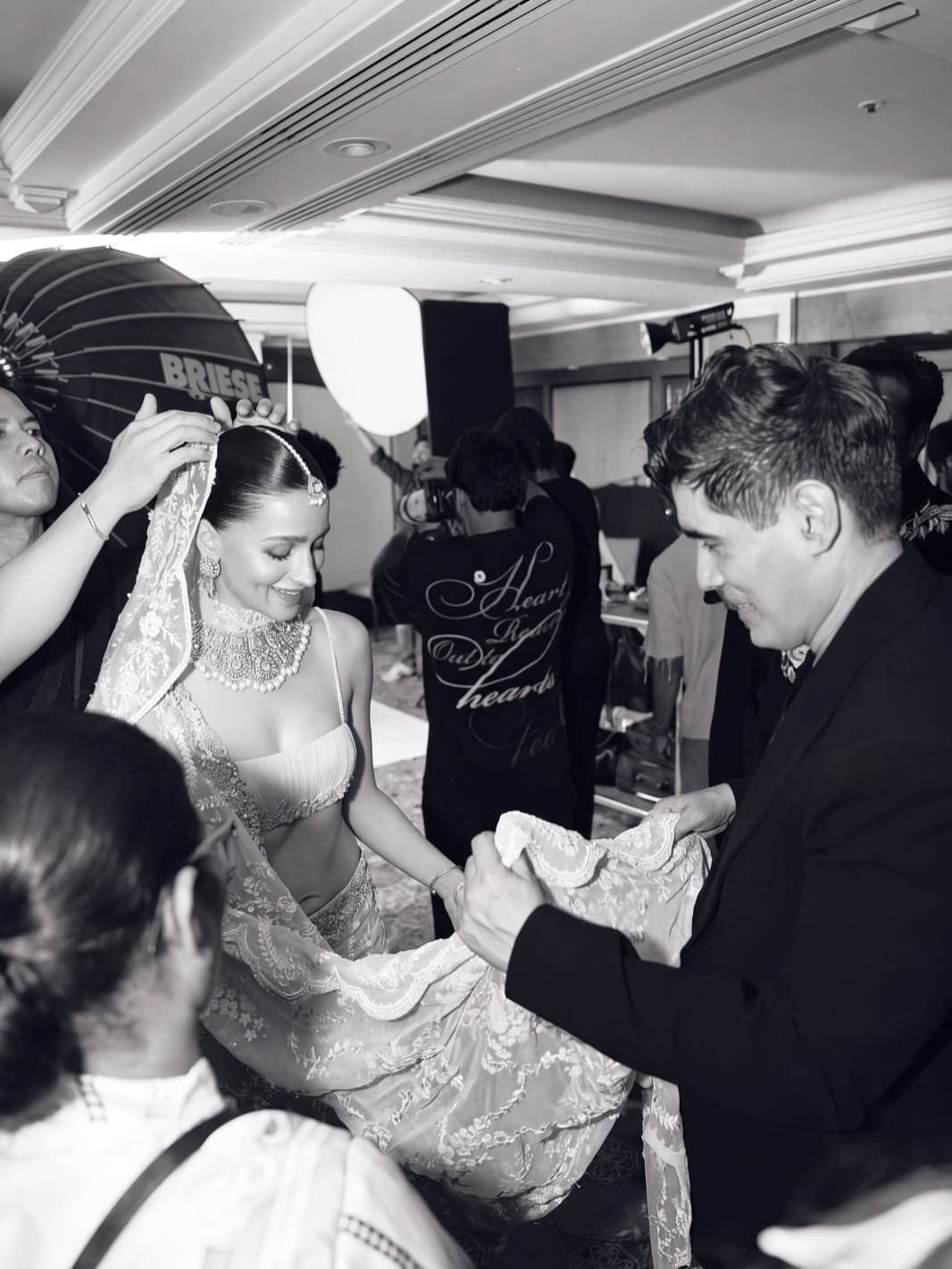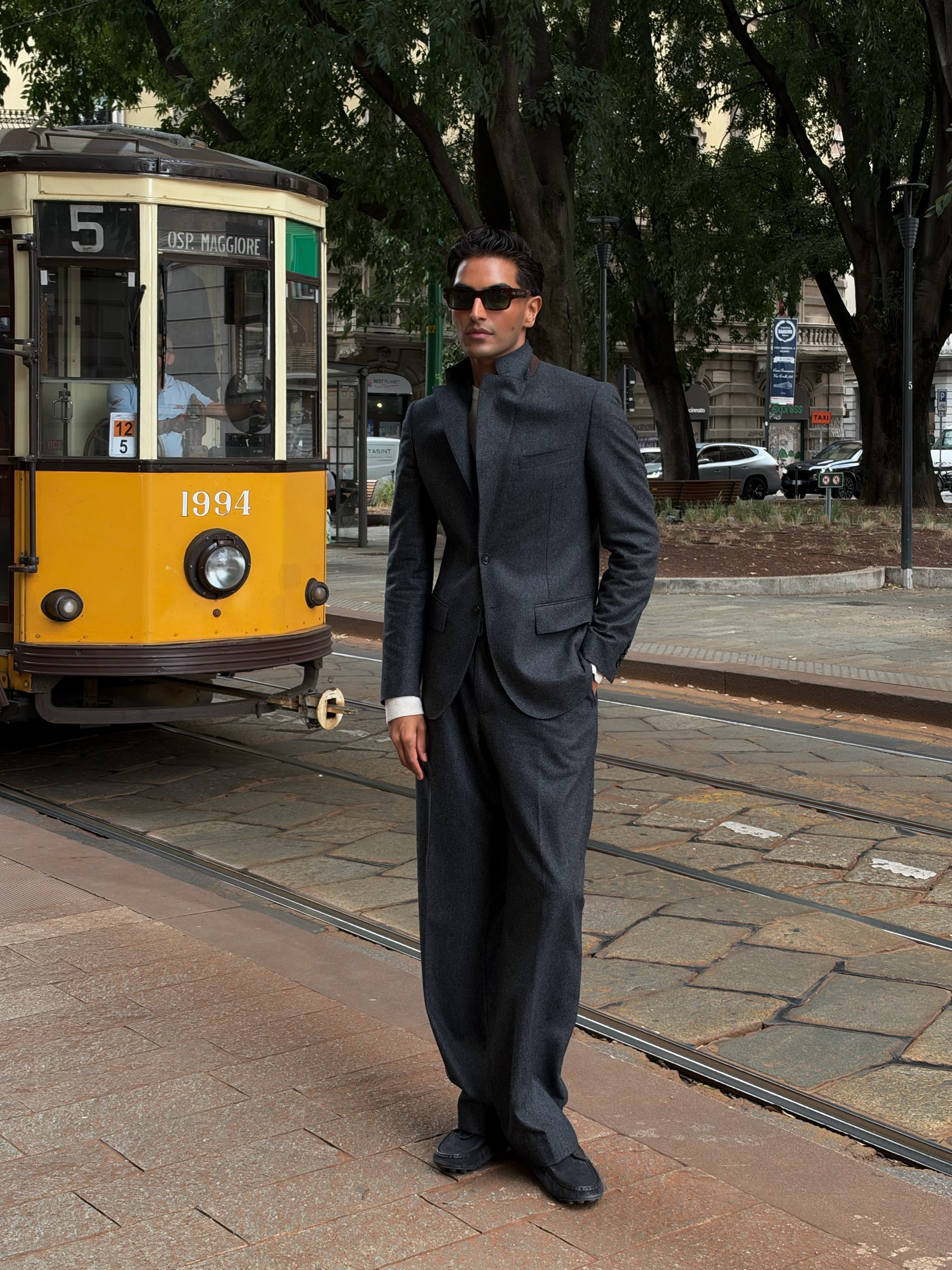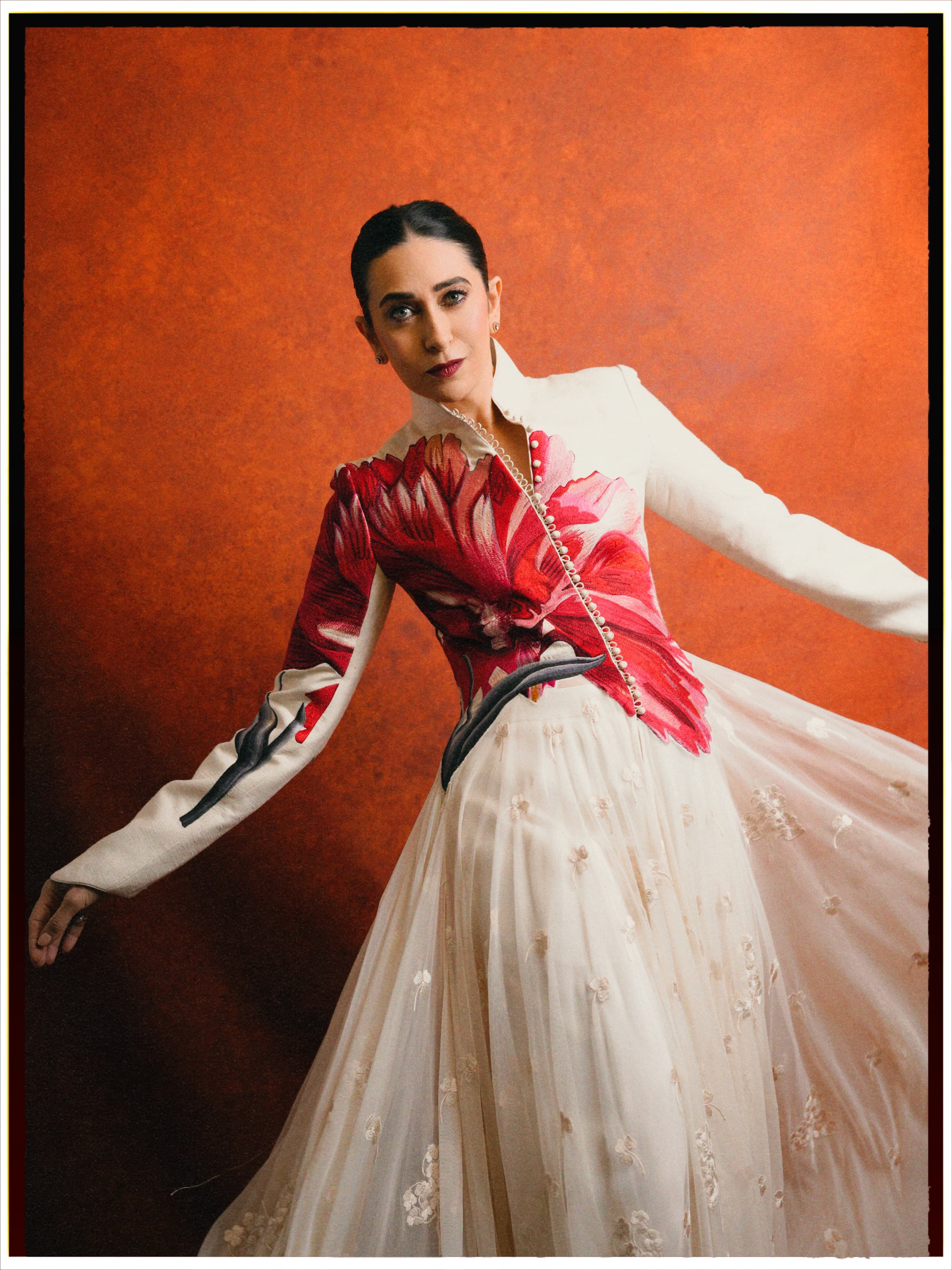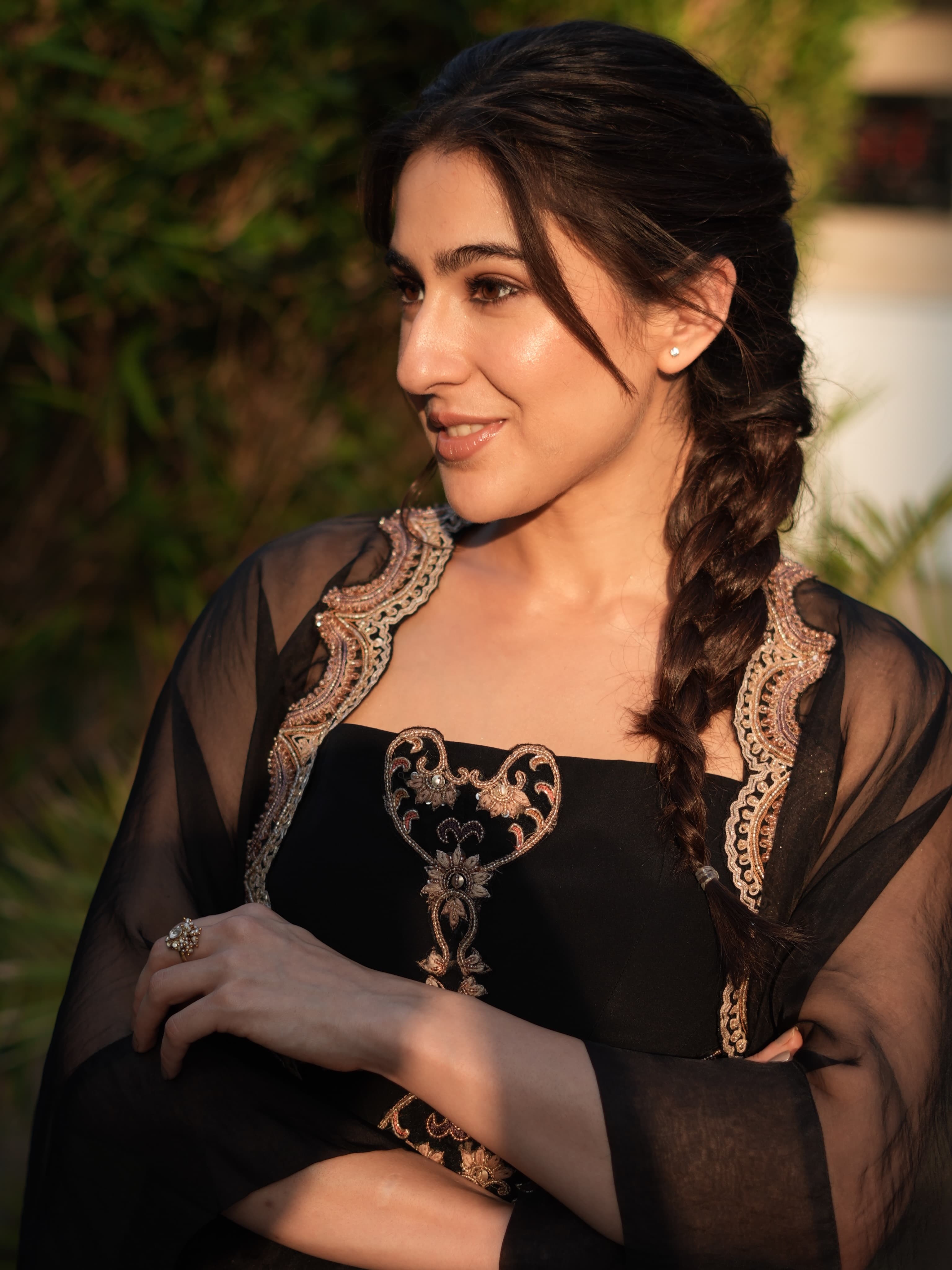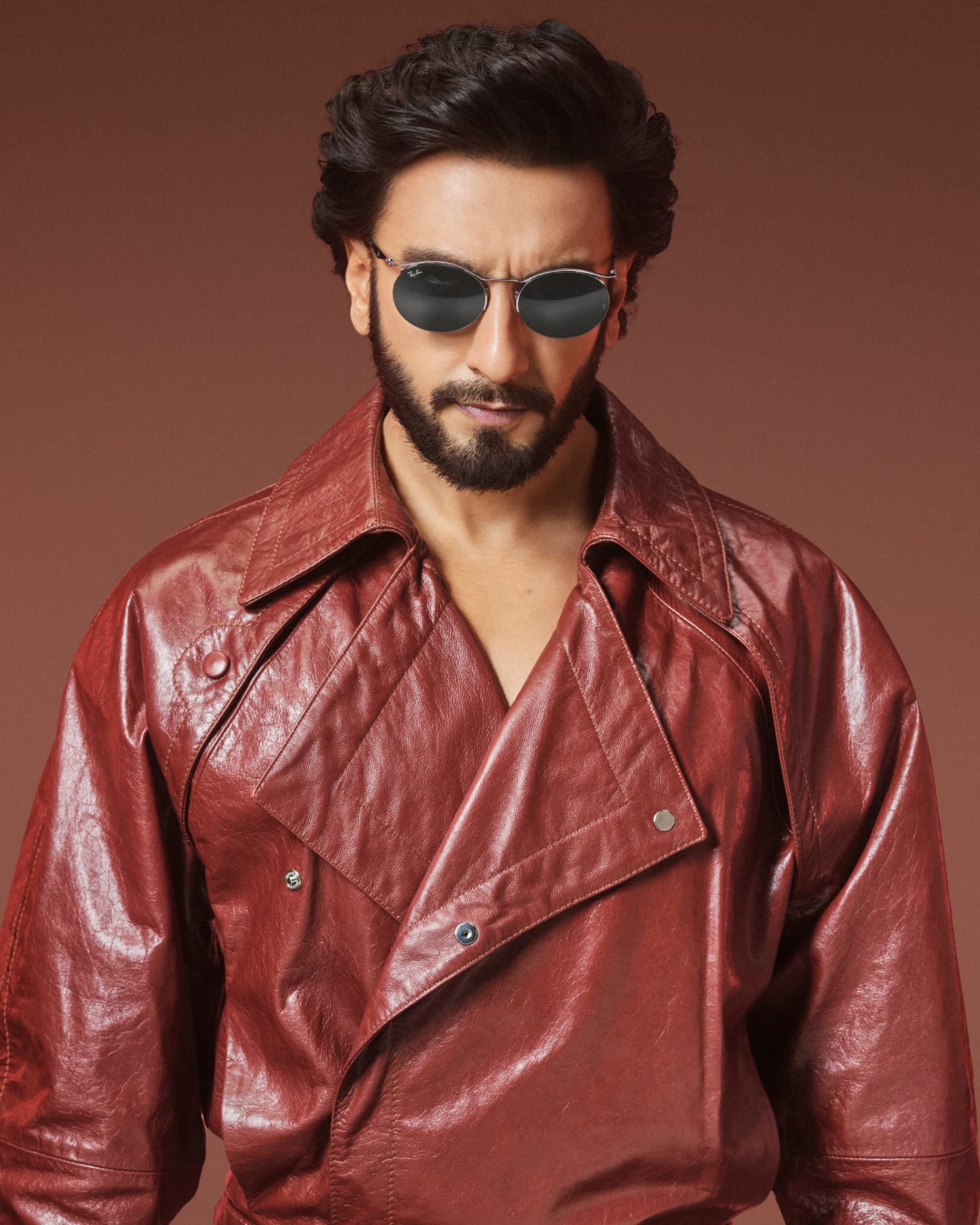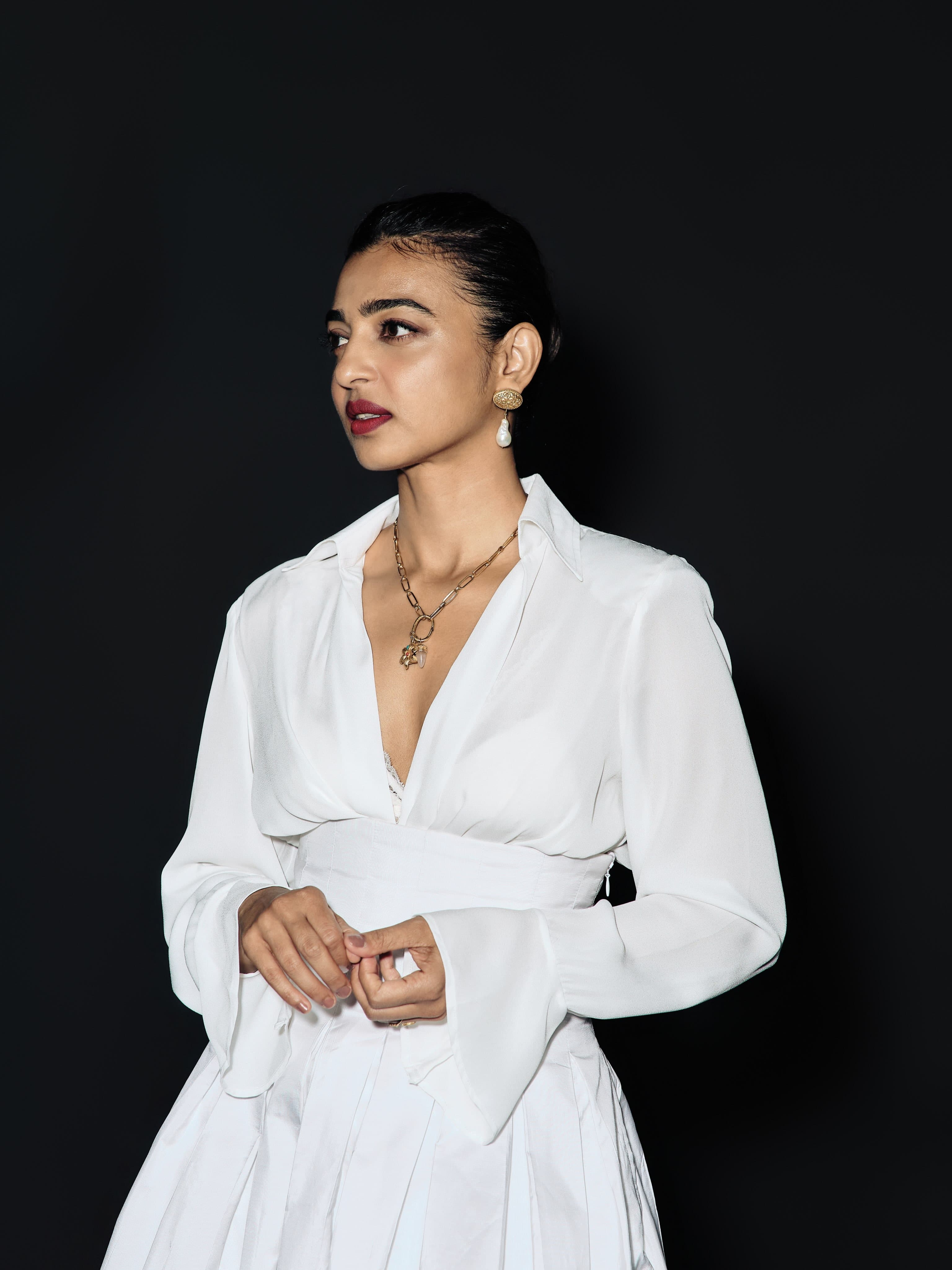
There is a particular clarity to a well-produced look post, you see the outfit, yes, but you also see the invisible labour that makes the image land. In Radhika’s case, the caption is unusually direct about that machinery: the outfit is by Nirmooha, the styling is credited to Who Wore What When, hair and makeup to Natasha Mathias and her team, with Janvi handling hair, and photography by Harnesh Joshi. If you have ever wondered why certain celebrity images feel finished rather than merely photographed, this is your answer.
The Nirmooha outfit that anchors the look
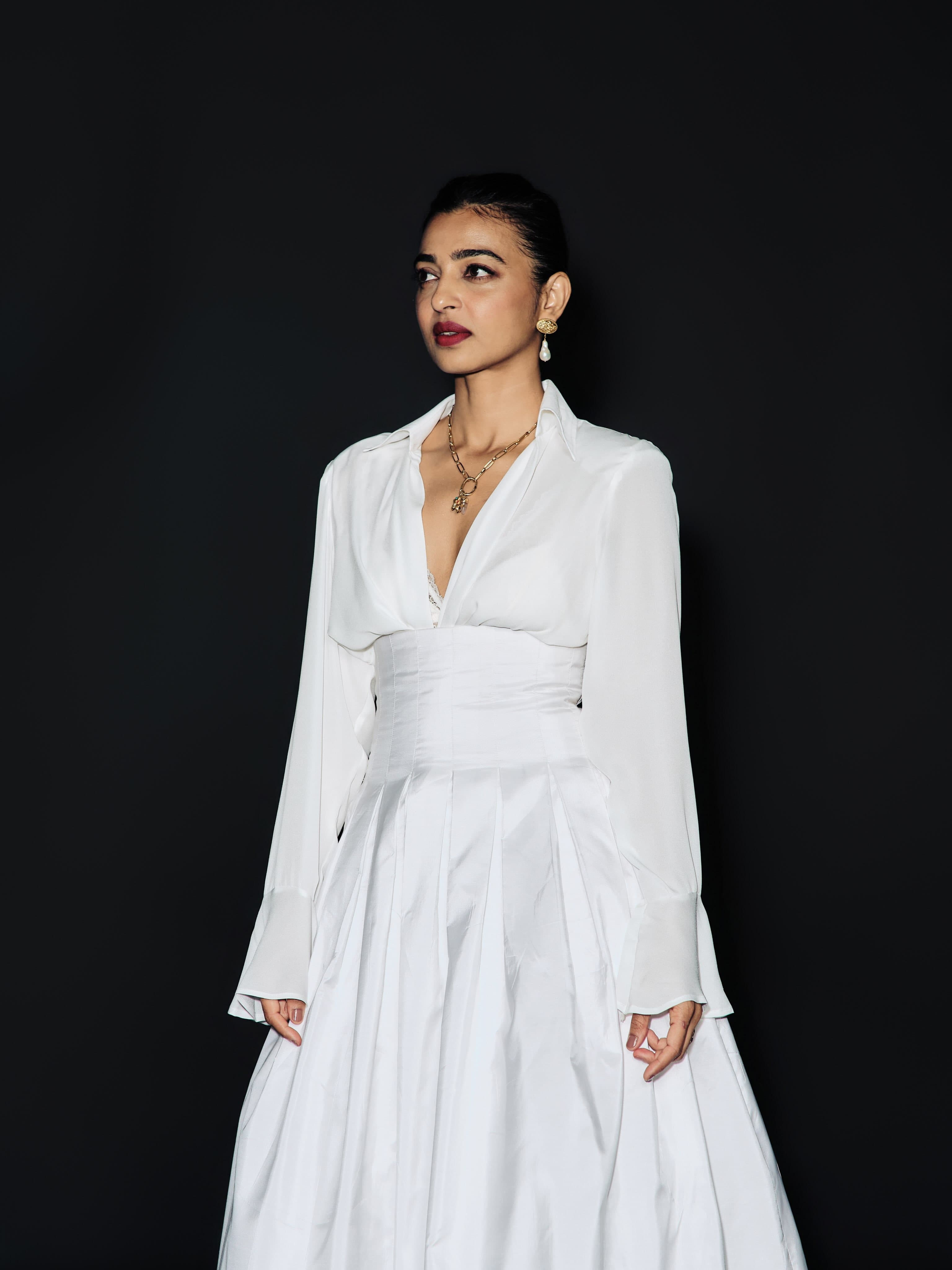
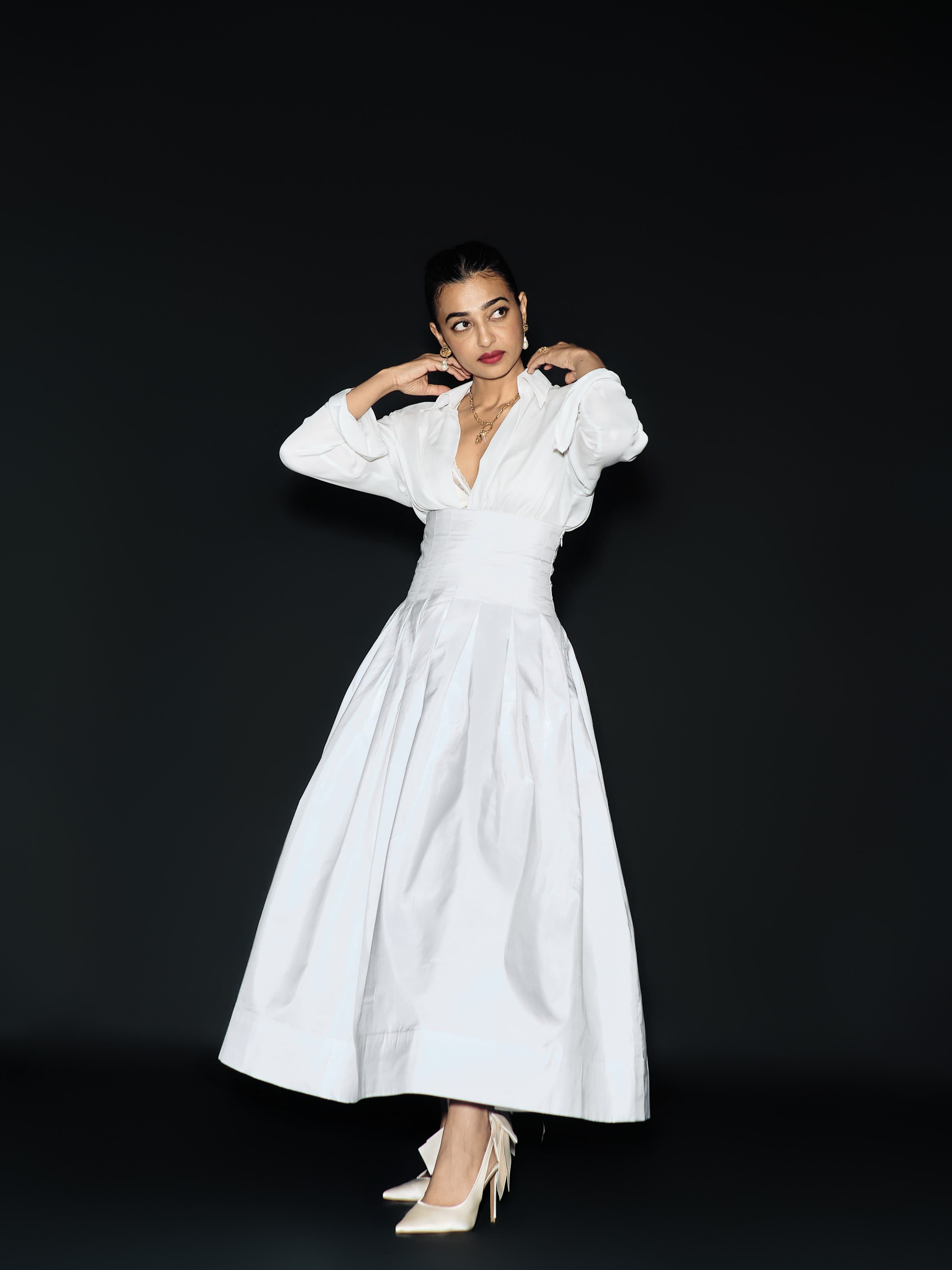
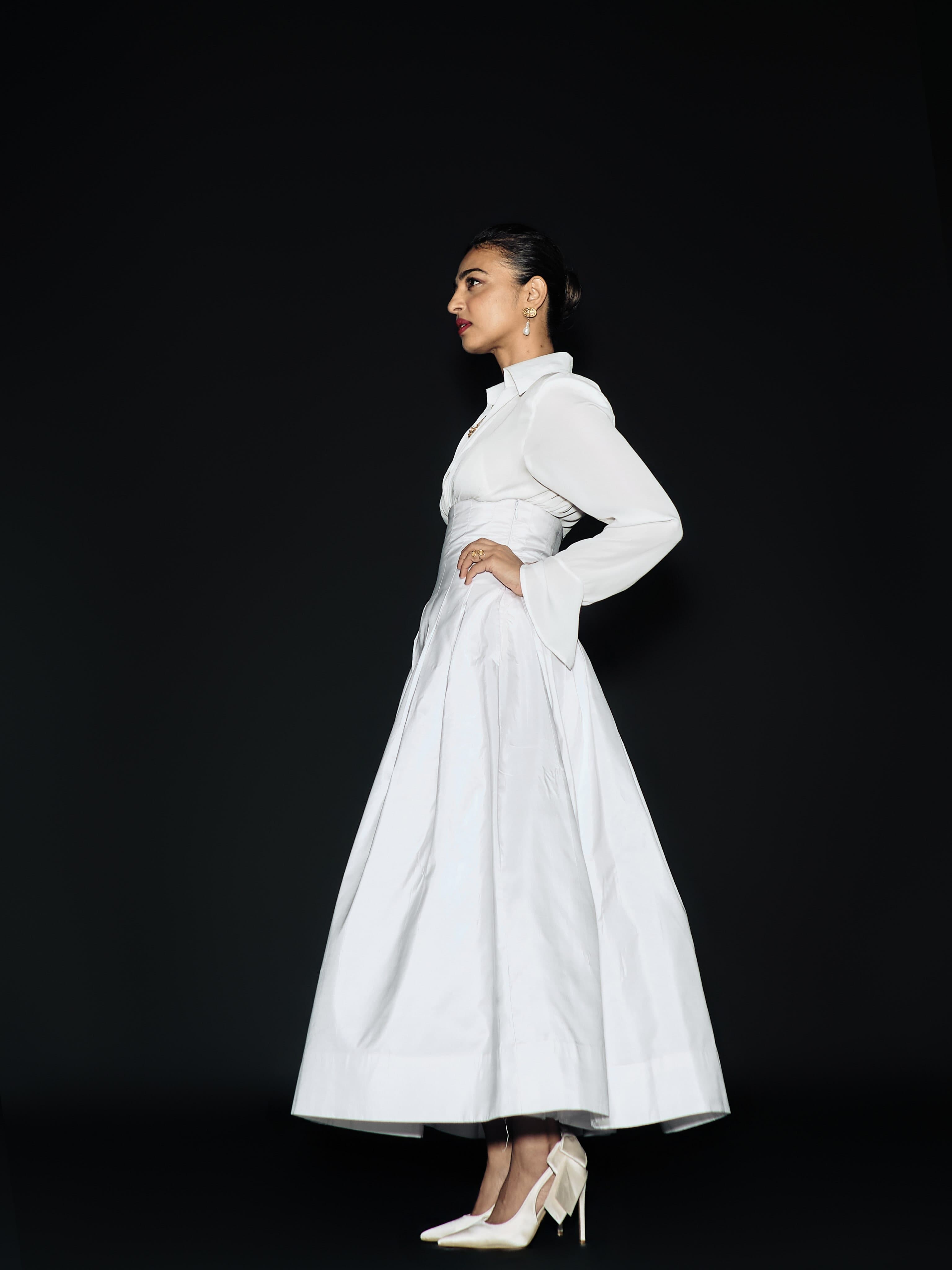
Start with the only firm wardrobe lead we are given: Nirmooha. The label has built a recognisable vocabulary through sharply tailored separates and occasionwear that plays with proportion and texture rather than relying on loud surface gimmicks. In these images, the outfit behaves like a true foundation piece, it holds its line while everything around it, hair, makeup, posture, light, is calibrated to amplify it.
Because the post does not specify a collection name, season, or exact garment details, it is worth being precise about what can be verified from the caption alone: this is a Nirmooha look, worn and presented as the subject’s “favourite outfit,” and it is part of a styled shoot with a credited professional team. For the brand’s own positioning and releases, the most reliable reference point is Nirmooha’s official channels, where current drops and campaign imagery are typically documented. See Nirmooha on Instagram.
Celebrity styling in India is now a full production credit list
The most telling detail here is not a hemline, it is the roll call. Styling is credited to @who_wore_what_when, with a separate style team credit to @d.shubham_j. That division matters: it signals a pipeline where sourcing, fittings, pressing, accessories, and on-set problem solving are handled by more than one pair of hands. The result is an image that feels editorial rather than transactional.
Even when a celebrity post is personal in tone, a credit list this specific pulls it into the language of magazines. It also sets a useful standard for an industry that too often leaves the supporting cast unnamed. For context on the styling platform credited here, you can reference Who Wore What When on Instagram, which documents their work across red carpets, campaigns, and celebrity wardrobes.
Hair and makeup: why two separate credits matter
Makeup is credited to Natasha Mathias (@natasha_mathias_), while the HMU team is credited separately and hair is attributed to Janvi (@janvi_hairstylist). This kind of split credit often reflects the real on-set structure: key artist direction plus specialist execution, particularly when hair needs ongoing adjustments across lighting changes and camera angles.
In a still image, hair and makeup are doing practical work: managing shine, preserving skin texture under lights, and keeping continuity across frames. When done well, you do not notice it as “glam,” you notice that the outfit reads cleanly in the final photograph.
The camera’s role: Harnesh Joshi’s contribution
Photography is credited to Harnesh Joshi (@harneshjoshi as written in the caption). That single line is doing more than many viewers realise. A photographer determines how an outfit is understood: whether tailoring looks sharp or soft, whether colours skew warm or cool, whether skin reads luminous or flat. In an era where phones can produce competent images, a credited photographer is usually the easiest tell that the look was built with intent.
If you are tracking Radhika’s favourite outfit as a signal of what is worth watching right now, the takeaway is not that one label “won.” It is that Indian celebrity fashion has become openly collaborative, and the caption is finally catching up to the set.
Photo Credits
Cover image and additional images courtesy of their respective owners. Credits per caption: Outfit by Nirmooha; styling by Who Wore What When; style team by d.shubham_j; hair and makeup by Natasha Mathias and team with hair by janvi_hairstylist; photography by Harnesh Joshi.