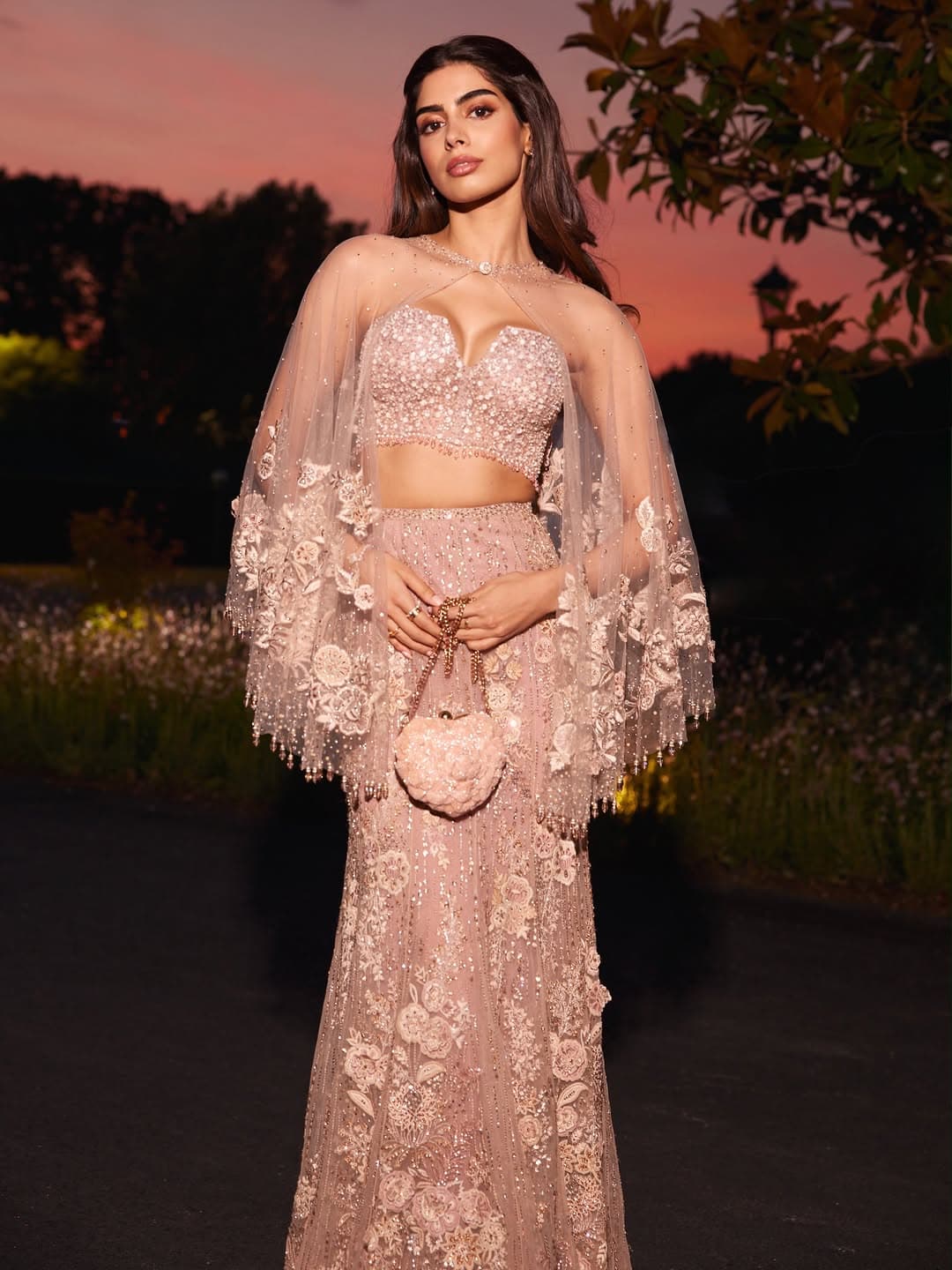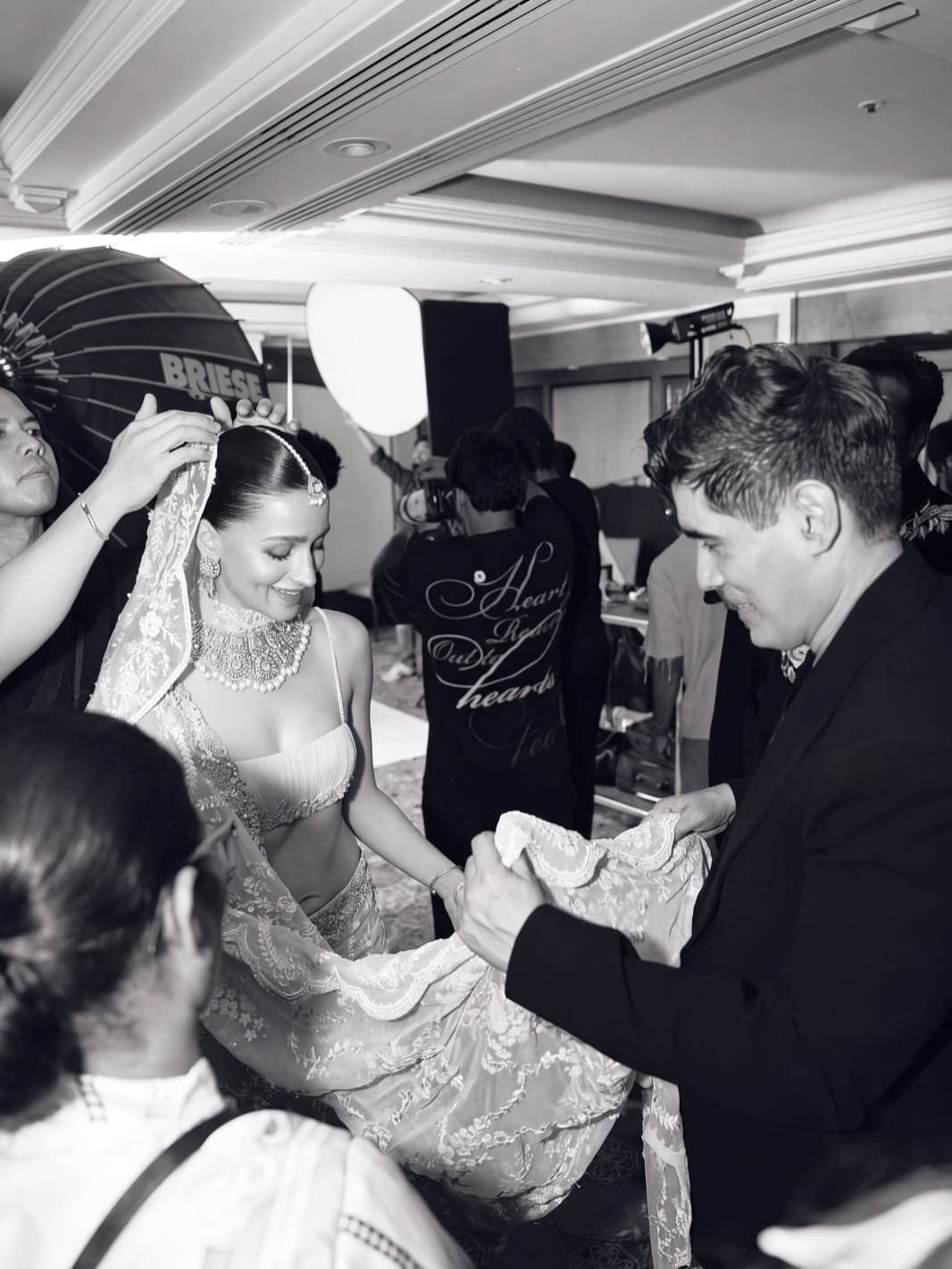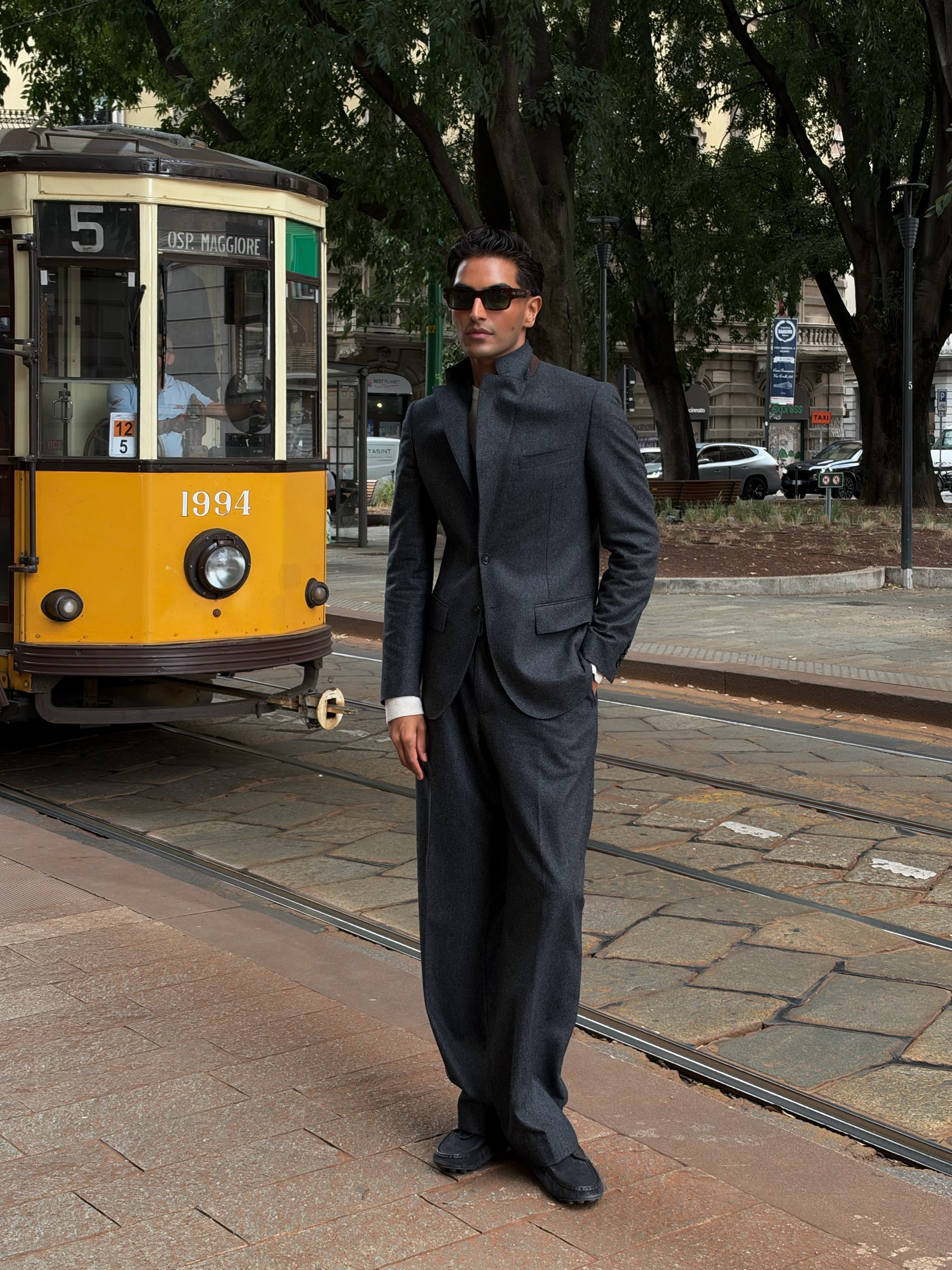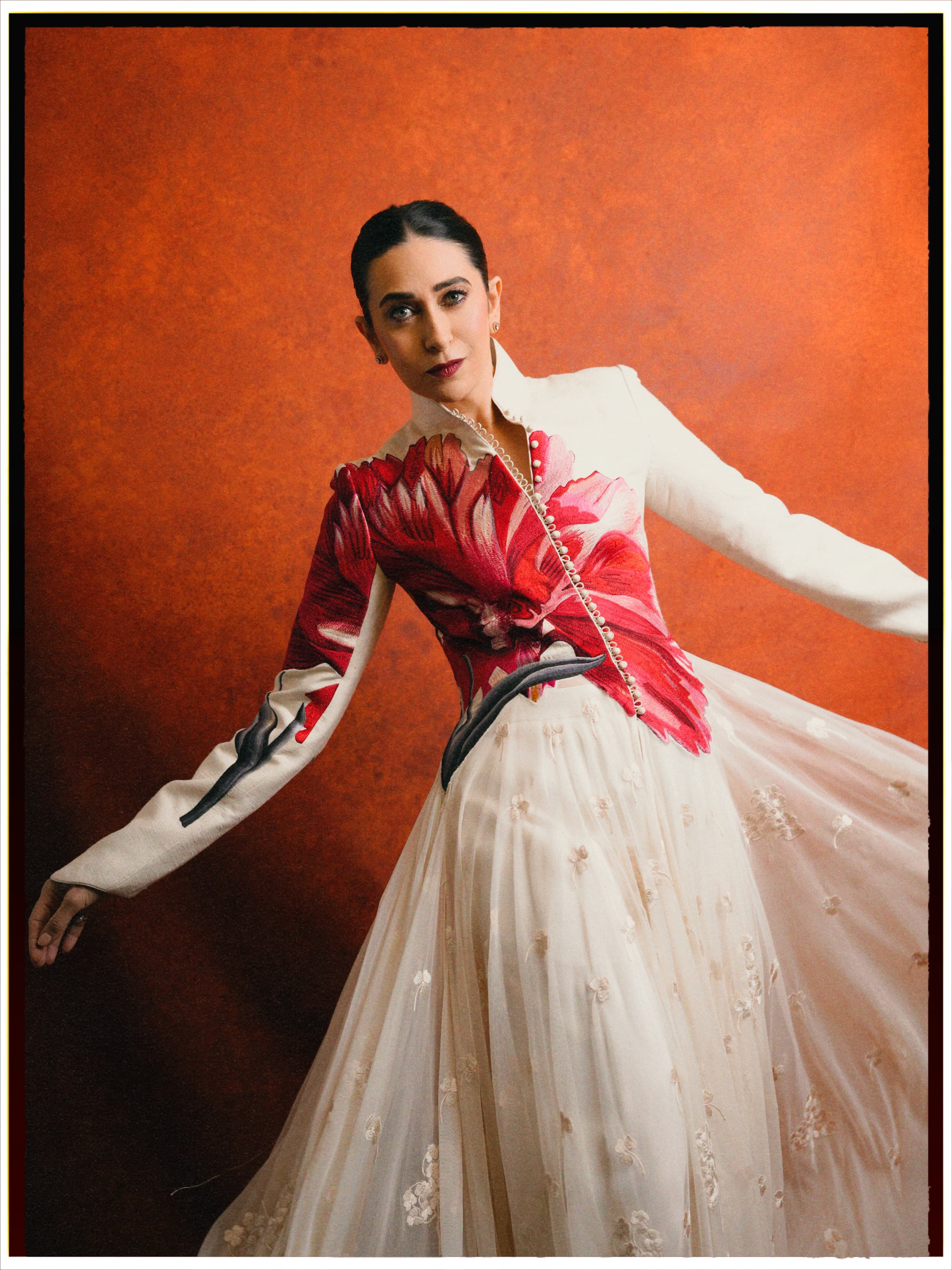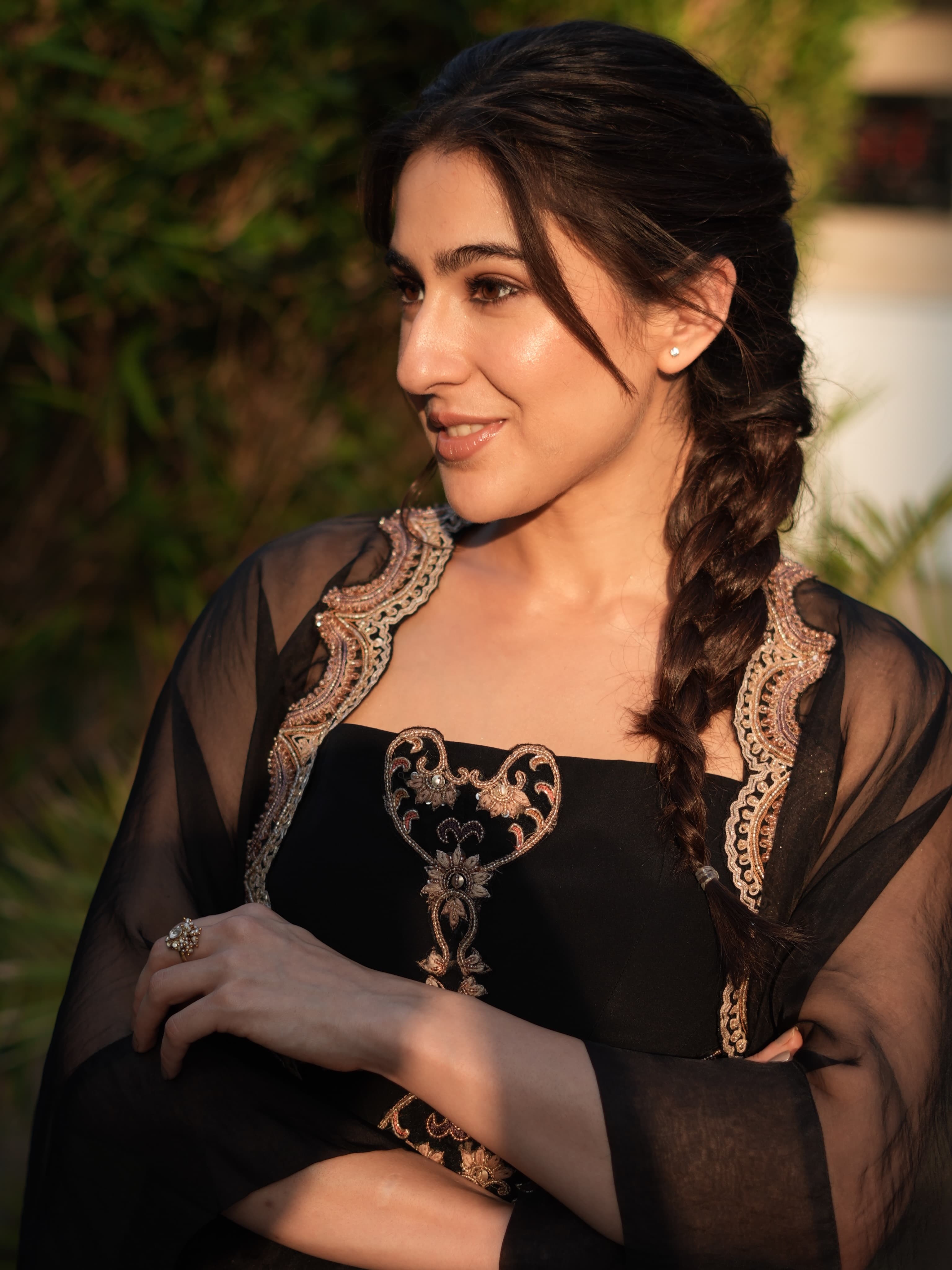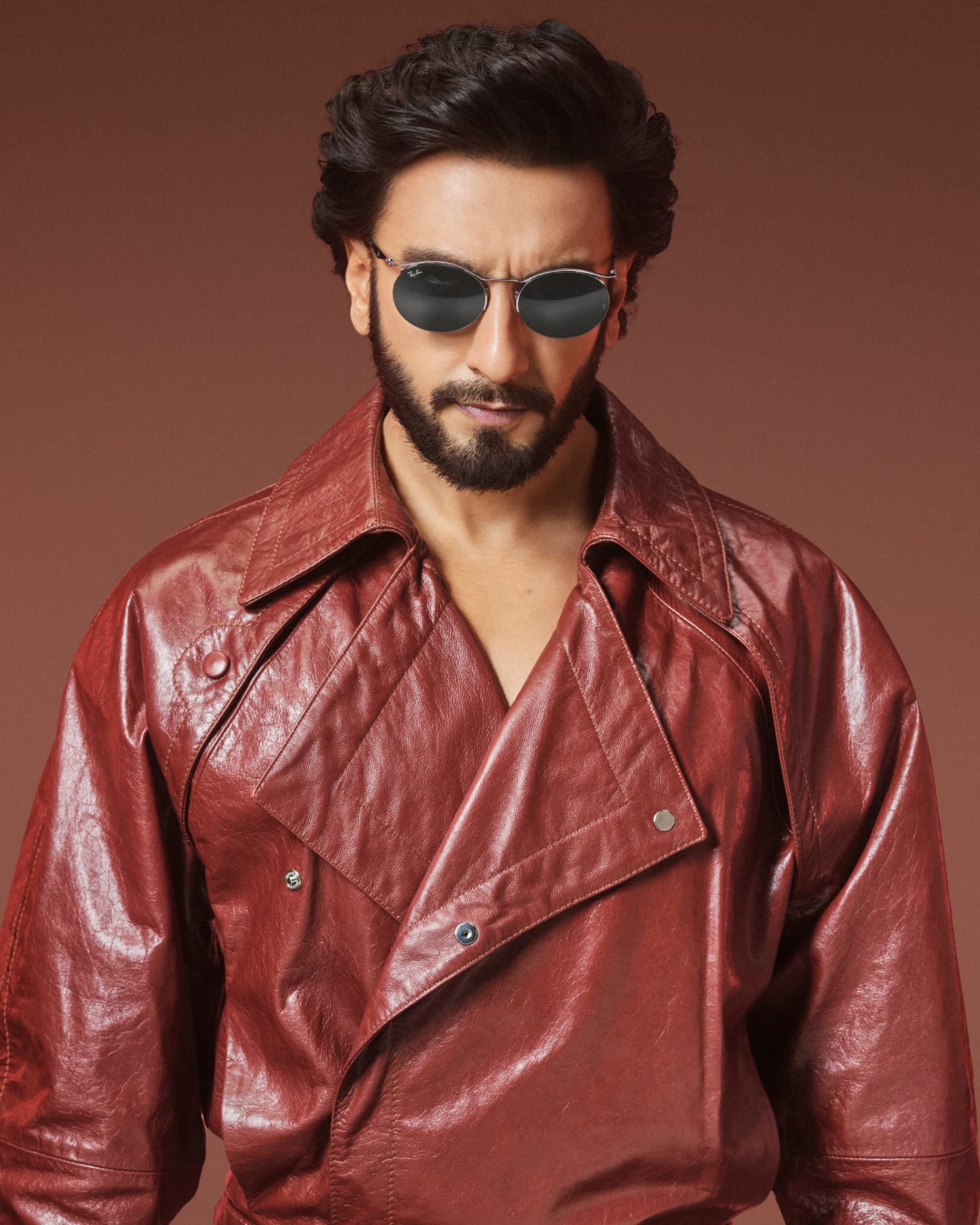
Some aesthetics arrive with a manifesto. The G7X era arrives with a file name, a compact camera, and a kind of flash that makes even a familiar face look newly introduced. In the post tagged with Sara Tendulkar and a tight-knit credits roll of Indian fashion and beauty names, the point is not the novelty of celebrity. It is the image discipline: high gloss skin, clean framing, and that particular compact-camera immediacy that refuses to be flattened into “phone content.”
The G7X era, explained in one frame


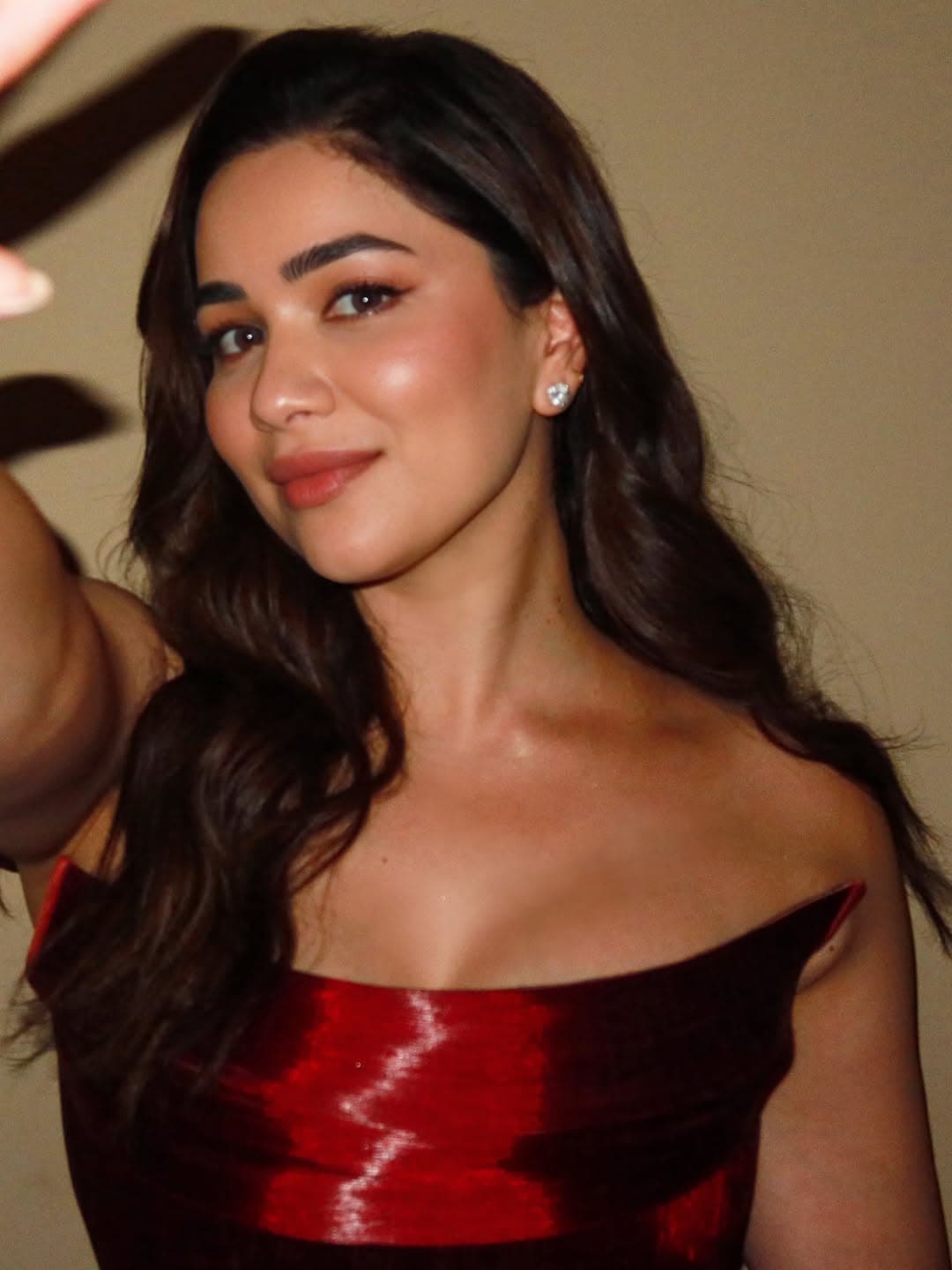
The Canon PowerShot G7 X line has been a long running favourite for creators because it sits in a sweet spot: small enough to live in a bag, capable enough to deliver a more deliberate look than a front camera. Canon positions the series as a compact with a 1.0 type sensor and a bright built in zoom, details that help explain why “G7X” has become shorthand for a certain image mood and skin finish in fashion and beauty circles. Those core specs are outlined in Canon’s own product pages for the G7 X family, including the current G7 X Mark III listing. Canon’s G7 X Mark III page puts the promise in plain language, a pocket camera aimed at high quality stills and video with creator friendly handling.
In this shoot, that promise translates into pictures that look intentionally made. Highlights on the cheekbones land as points, not smears, and the background stays present without trying to compete. Whether the camera in hand is literally a G7X or the look is being referenced, the message is the same: a return to a compact-camera finish that makes styling choices read crisply on first glance.
Credits that signal a fashion story, not a selfie
The caption reads like a call sheet, and that matters. Rimzim Dadu is tagged, a designer known for pushing textiles into architectural territory and for experimenting with materiality in a way that photographs with bite rather than softness. Manglien appears in the same breath, the label by designer Hima Bindu whose work often leans into tailored silhouettes and considered construction. When those names anchor a post with Sara Tendulkar tagged, the “G7X era” label stops being nostalgia and starts reading like a production choice: the camera look becomes part of the styling.
There is also the beauty team, with makeup credits pointing to Revaa and her team. In these images, the finish looks calibrated for flash and close range. The skin reads polished rather than heavy, and the lip and eye are shaped to hold up under direct light instead of disappearing into it. That is a different brief from makeup designed primarily for daylight phone video, and it is exactly why the compact-camera look keeps returning. It rewards craft.
Why this look is back, and why Sara Tendulkar fits it
Sara Tendulkar has grown into a public-facing style presence whose fashion choices often travel quickly across Indian social feeds, and this is the sort of image that accelerates. The G7X era is not a filter you can casually apply and call it done. It depends on decisions: lens distance, flash behaviour, makeup that holds detail, and clothing with surfaces that catch light cleanly. In other words, it is an ecosystem, something stylists and makeup artists can build around.
There is also a cultural fatigue around content that looks too optimized. A compact-camera aesthetic offers a different kind of proof of effort. You can see the planning, but you can also sense the moment, which is why the G7X era has become code for images that feel made for memory as much as for reach.
What to watch next
If more Indian fashion stories start leaning into this compact-camera finish, expect the styling to follow: textures that flash can translate, sharper hair lines, and makeup that survives proximity. For readers tracking the broader movement away from default phone aesthetics, Beauty and Fashion are where the most interesting evidence tends to surface first.
Photo Credits
Images courtesy of their respective owners.