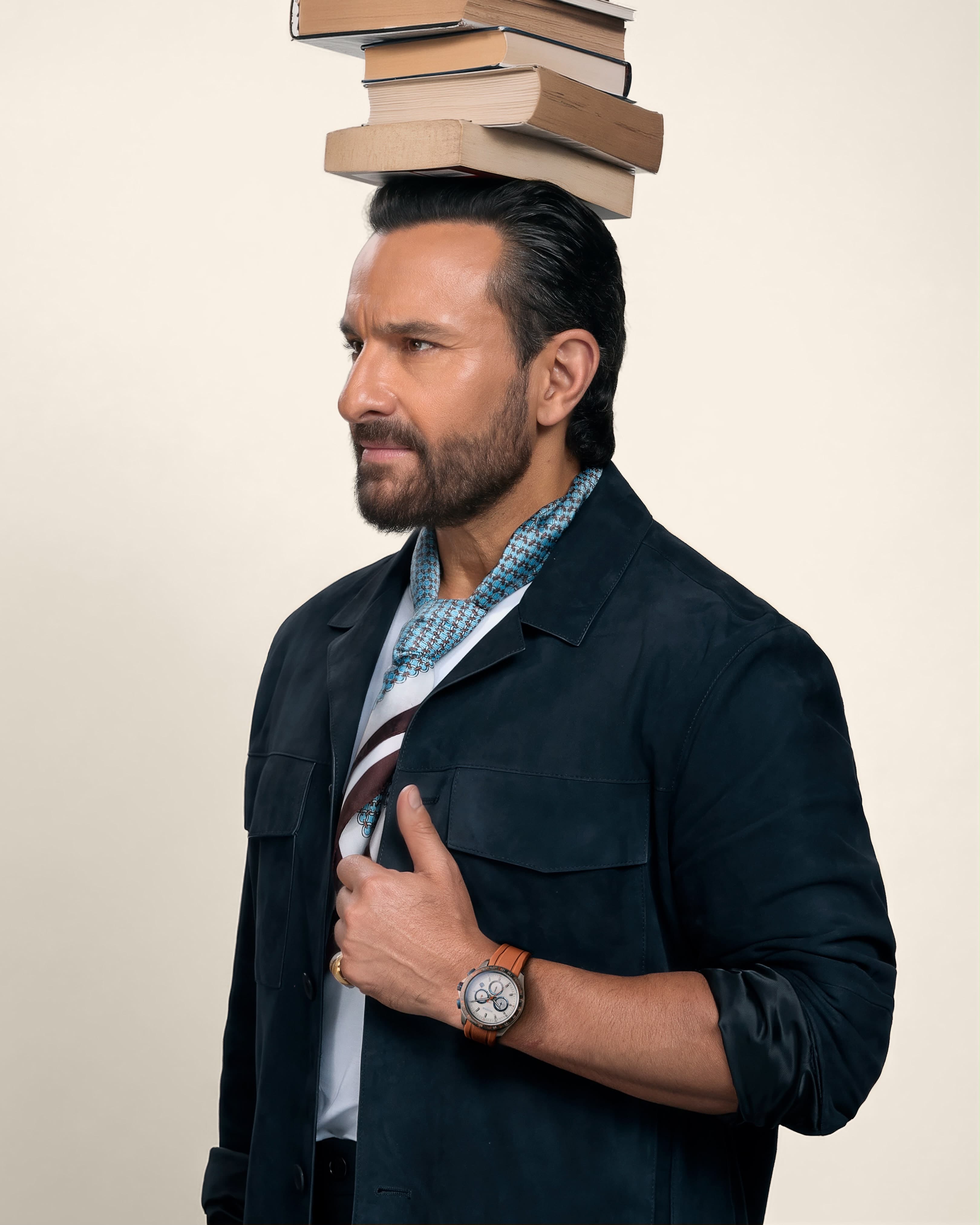
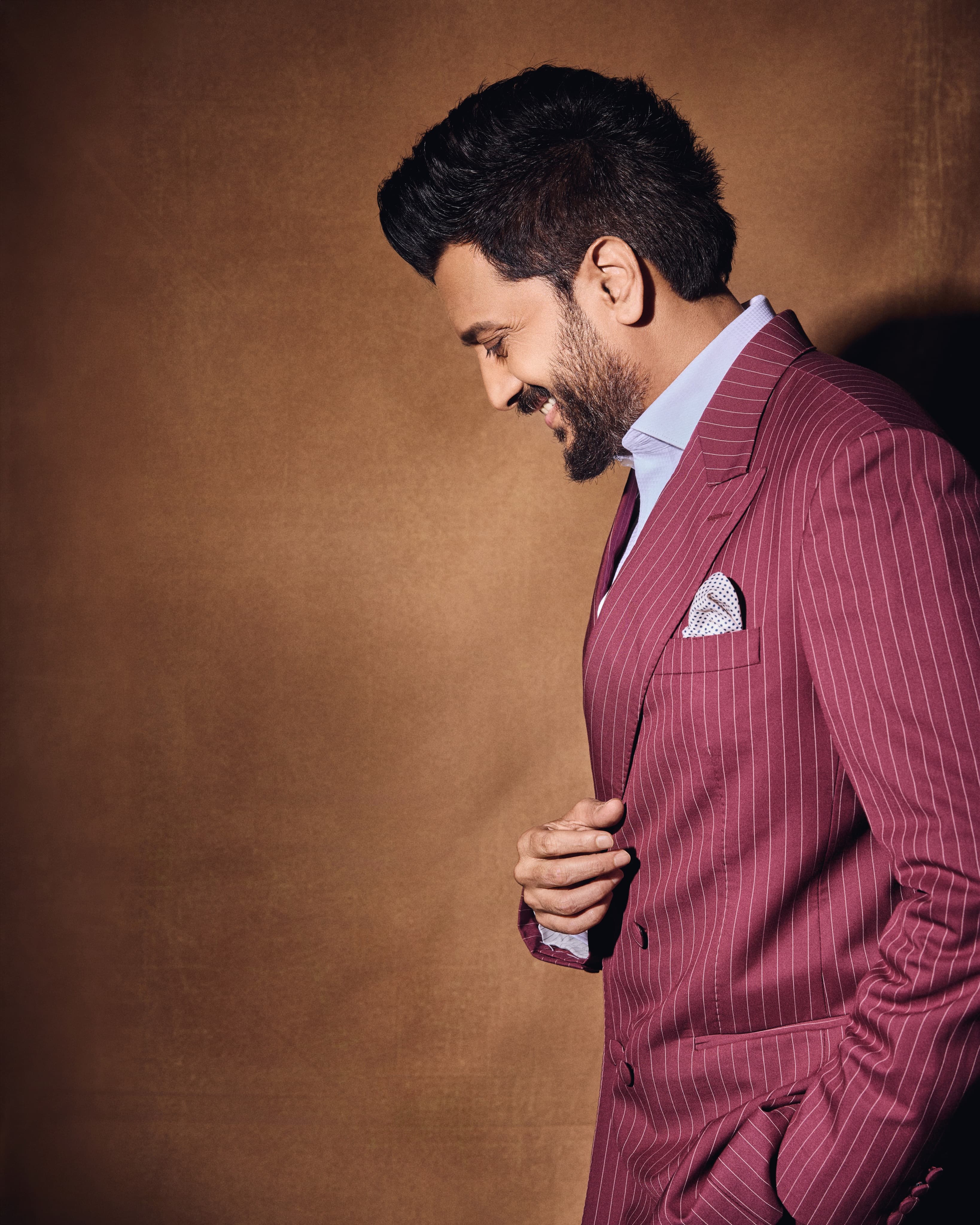
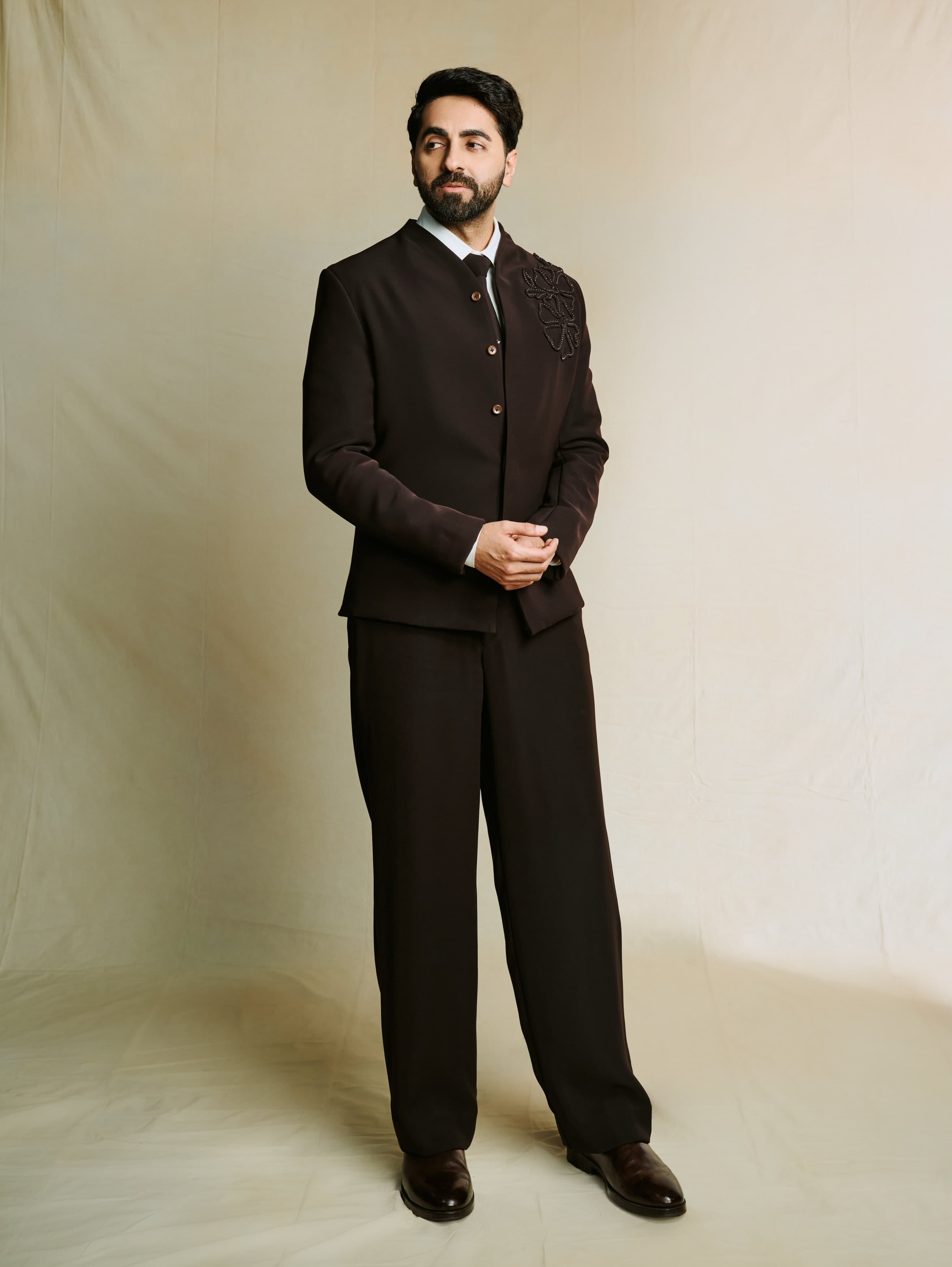
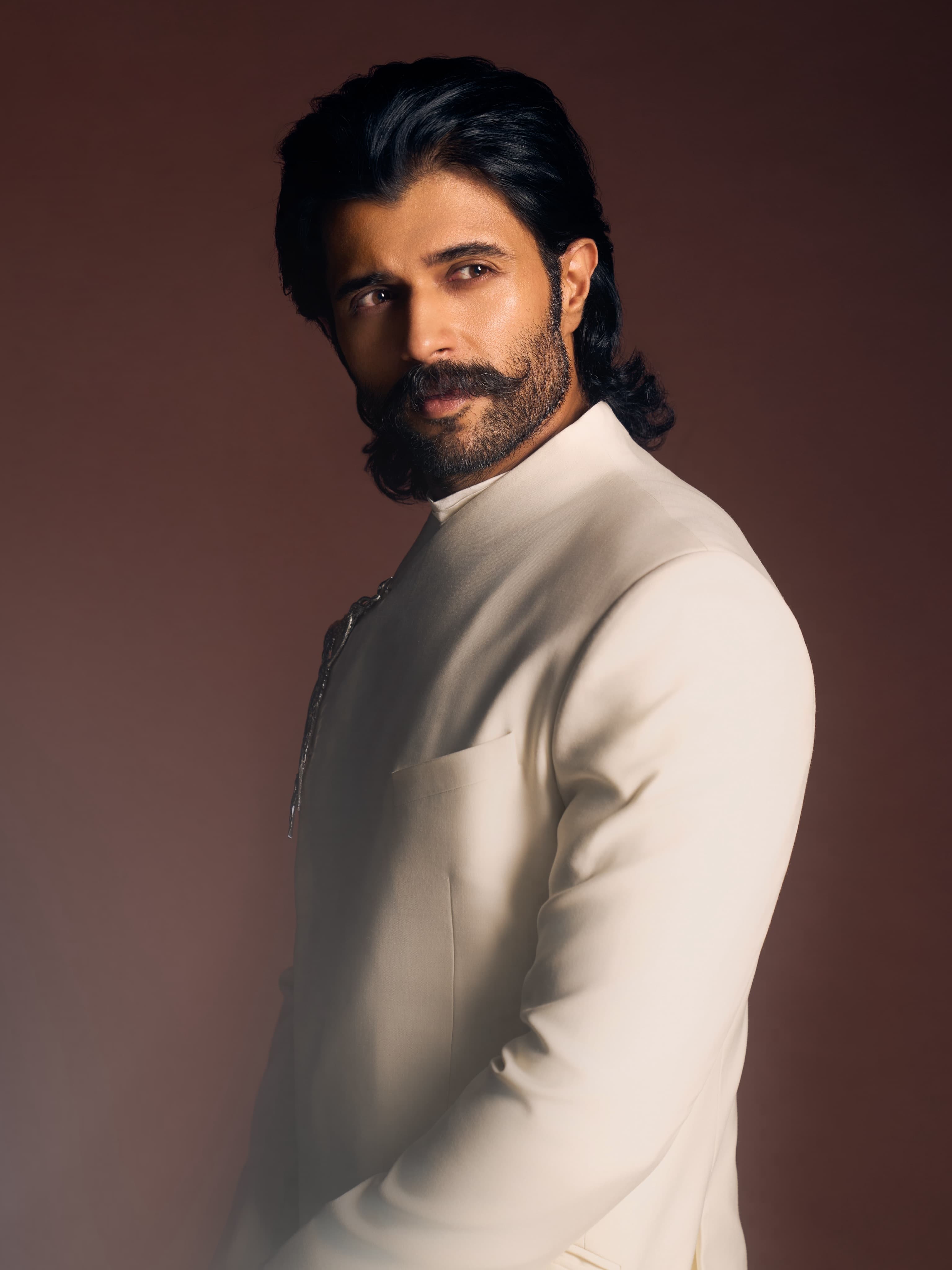
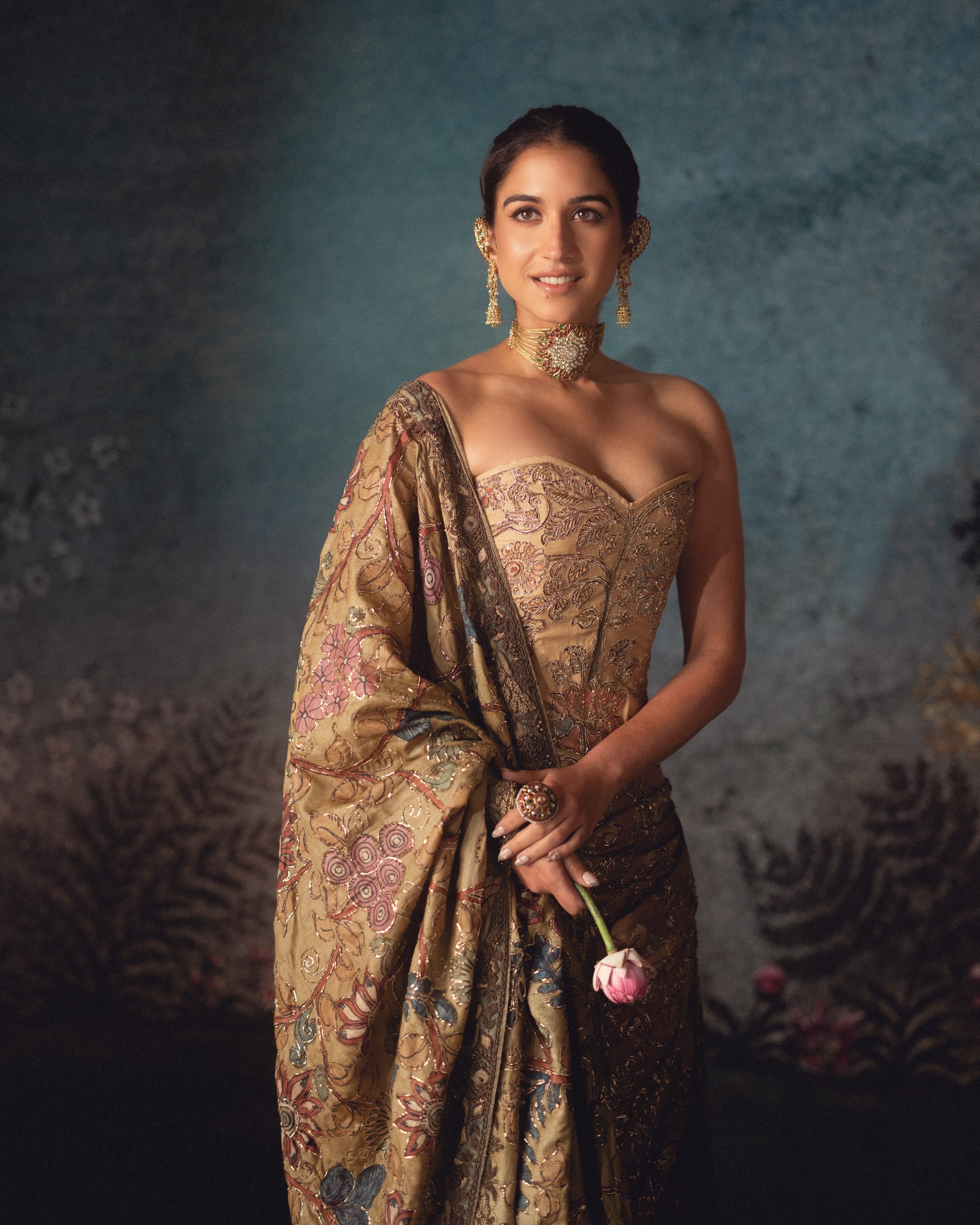
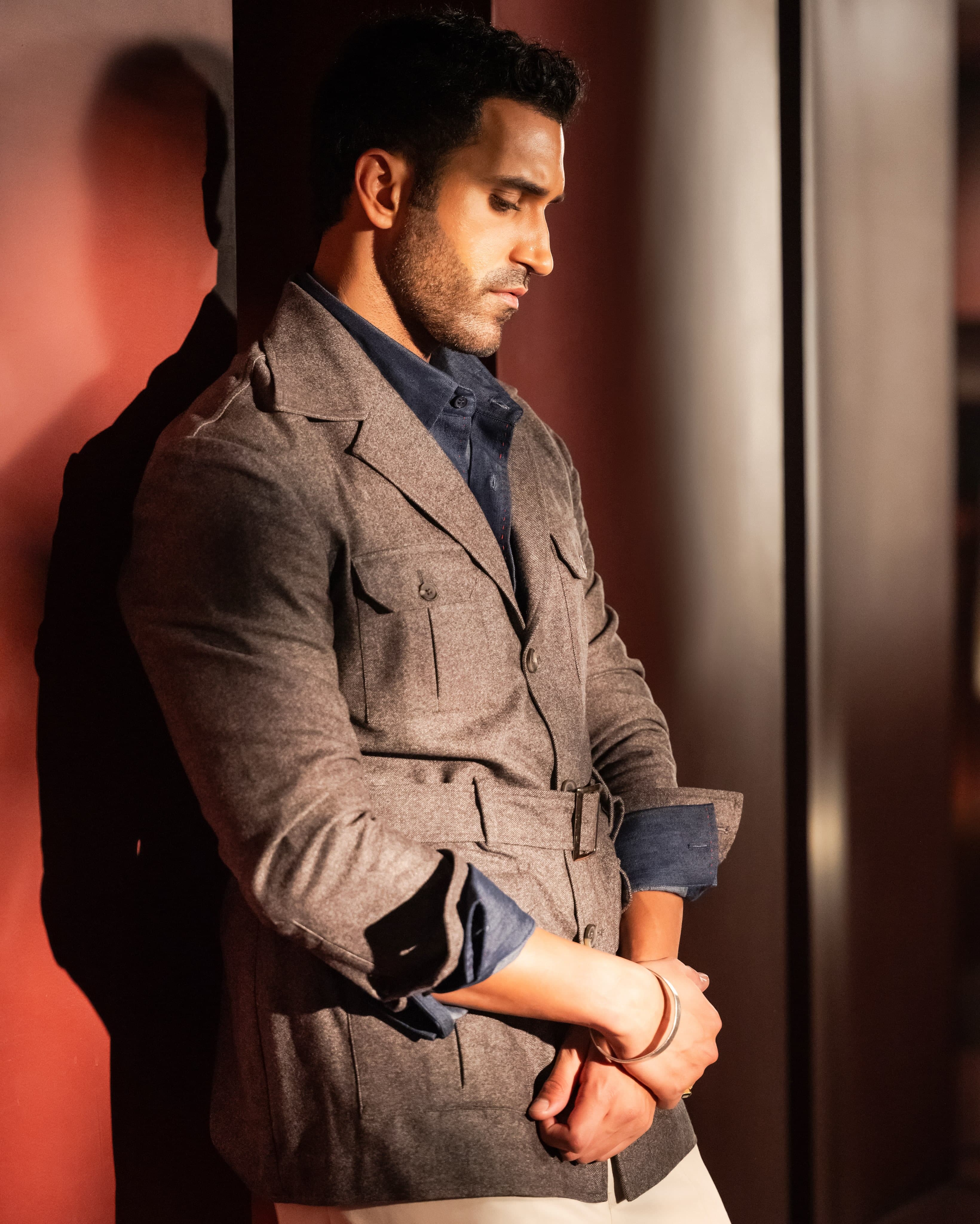
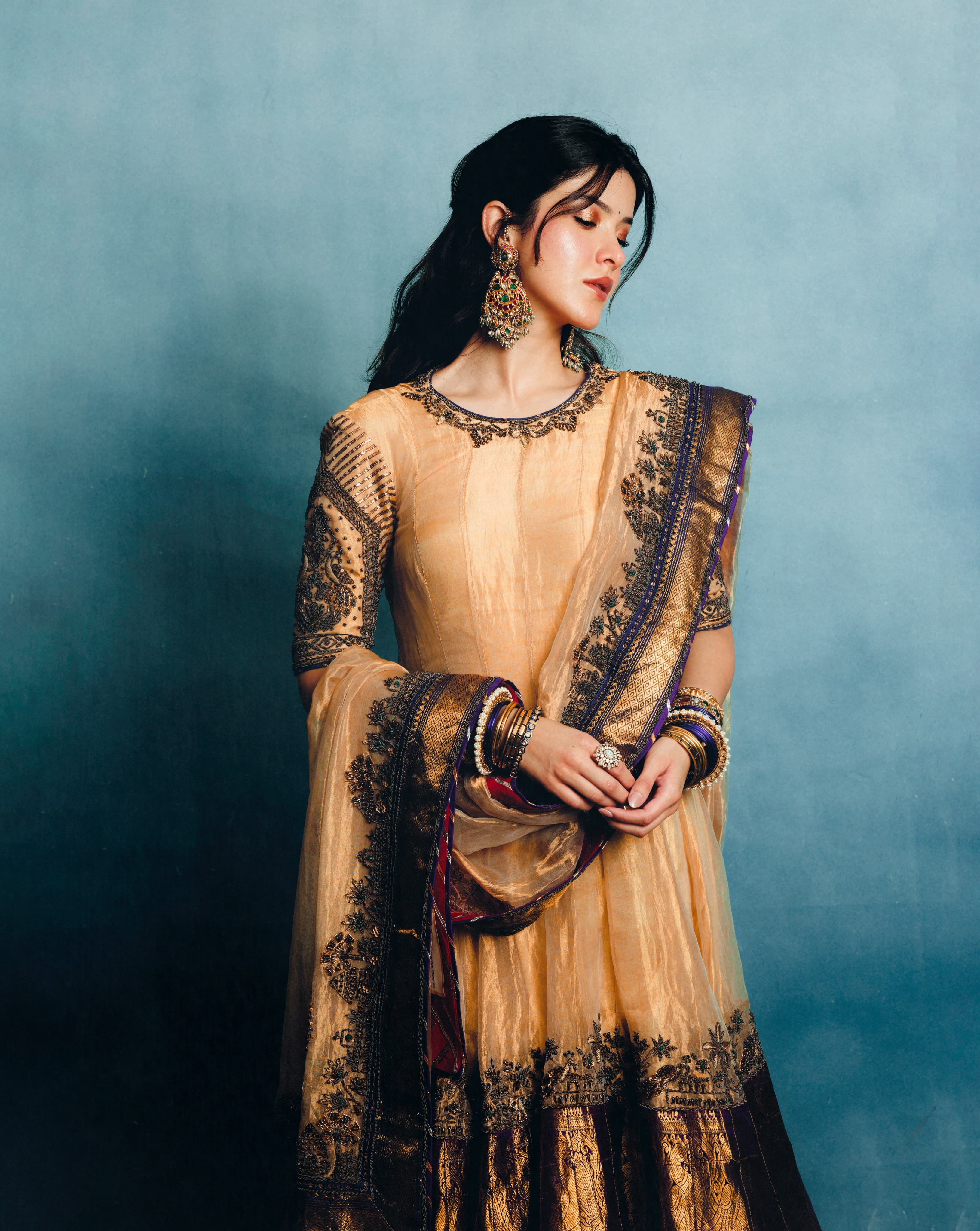
A cat emoji, a coffee emoji, and then the real tell. A full team roll call. When a post credits photographer Mohit Rai, makeup artist Shraddha Naik, stylist Shubhi Kumar, hair by Hrishi, and additional collaborators, it is signaling something more deliberate than a casual dump. This Shanaya Kapoor photoshoot, tagged #pixelexposures, reads as a compact manifesto for how a new generation of Bollywood faces are choosing to be seen: constructed, credited, and camera literate.
Inside the Shanaya Kapoor photoshoot tagged #pixelexposures

The caption gives us the essential framework. Shanaya Kapoor anchors the frame, and the post foregrounds the people who build the frame around her. Photographer Mohit Rai and makeup artist Shraddha Naik are both named directly, as is stylist Shubhi Kumar. Hair is credited to @hrishidoeshair, with @tarangagarwalofficial and @gillalvenkateshh also tagged, suggesting a larger on set support system that often goes invisible in celebrity imagery.
That choice matters. Credits are not decorative. They place the work within a professional fashion image pipeline, closer to an editorial call sheet than influencer shorthand. The hashtag #pixelexposures functions like a project stamp, a small but telling attempt to turn a single drop of images into an identifiable series.
Why this editorial format is the point, not the backdrop
The most interesting thing about this Shanaya Kapoor photoshoot is not any single “look” we can name from the caption, because none are itemised. Instead, it is the insistence on authorship. In an era when celebrity imagery is frequently flattened into brand placements and algorithm prompts, a properly credited editorial post brings the reader back to craft: lighting, face work, hair architecture, wardrobe decisions, and the hours it takes to make a few seconds of scrolling feel inevitable.
It also positions Kapoor as someone building an image language in public, before the audience has a definitive role to attach to her. That can be a risky stage, because every frame gets treated like a trailer. But editorial discipline, the kind that names its makers, gives the work a spine: this is not “caught on the day”, it is made.
The team signals what kind of celebrity imagery we are entering
What lingers is the modern hierarchy. The talent is central, yes, but the post makes the backstage front stage. When you see Shraddha Naik credited, you get a clue that makeup is being treated as a concept, not a default setting. When you see Mohit Rai credited, you are reminded that photography style is an authorship choice, not simply documentation.
For readers who follow Indian beauty and fashion image making closely, these names carry their own visual histories. The caption does not spell them out, which is exactly why the credits are doing the heavy lifting. They allow the audience to connect dots across shoots, campaigns, and magazine stories without the post having to over explain itself.
What we can verify, and what we cannot
The post itself does not include a location, a brand list, or publication details, so a responsible read of this Shanaya Kapoor photoshoot stays close to what is on the record: the tagged collaborators, the #pixelexposures stamp, and the credited image source line naming Saurabh Das. If this shoot was tied to a specific designer, collection, or magazine, that information is not stated here, and it is better left unguessed.
If you want to confirm the original credit trail and caption context, the cleanest source is the Instagram post on Shanaya Kapoor’s verified handle: @shanayakapoor02. The collaborator tags and hashtag appear there as presented.
In a feed economy that rewards speed, this is a reminder that a sharp editorial still begins with something old fashioned: names, roles, and accountability.
Photo Credits
Cover image courtesy of Saurabh Das. Additional images courtesy of their respective owners.