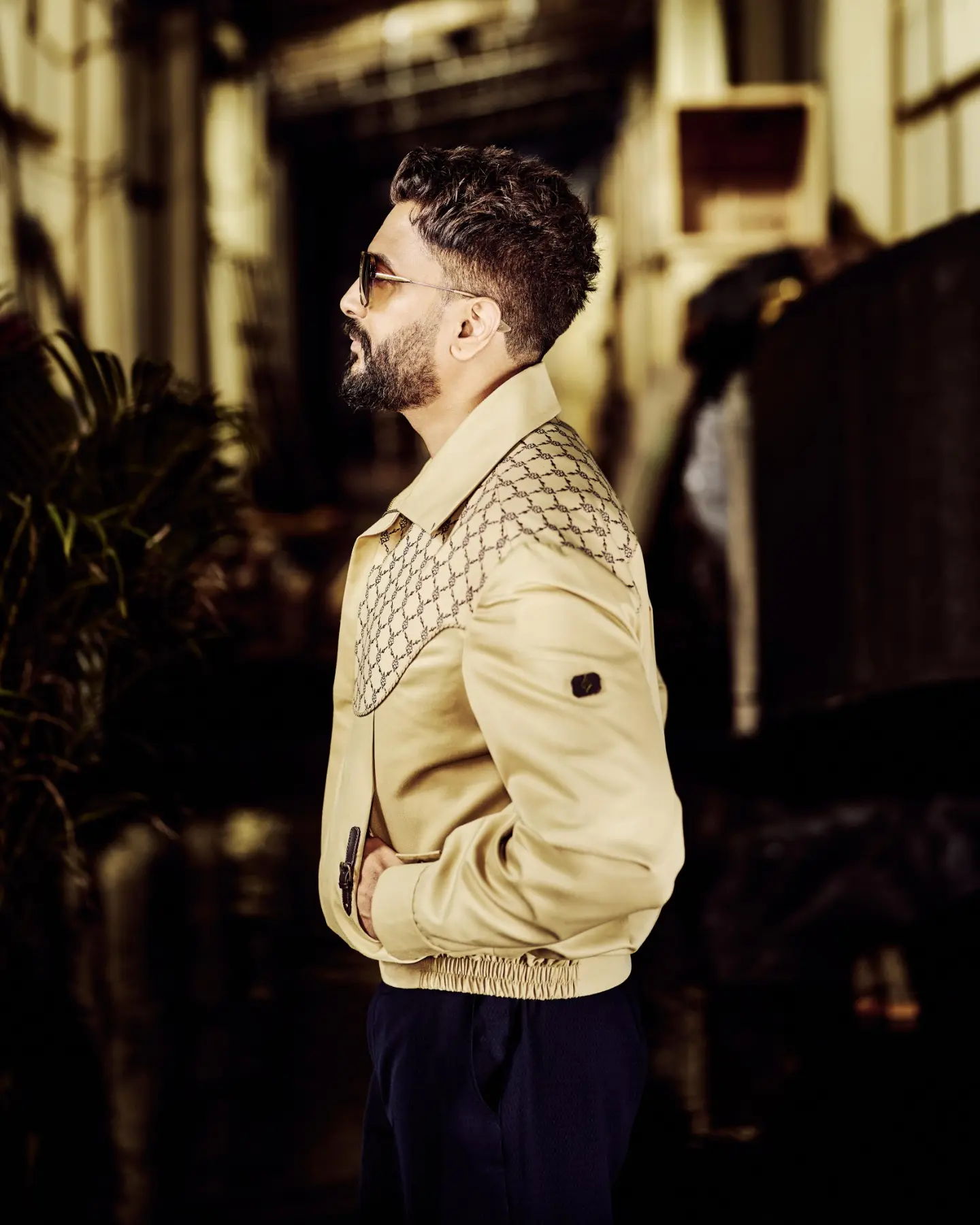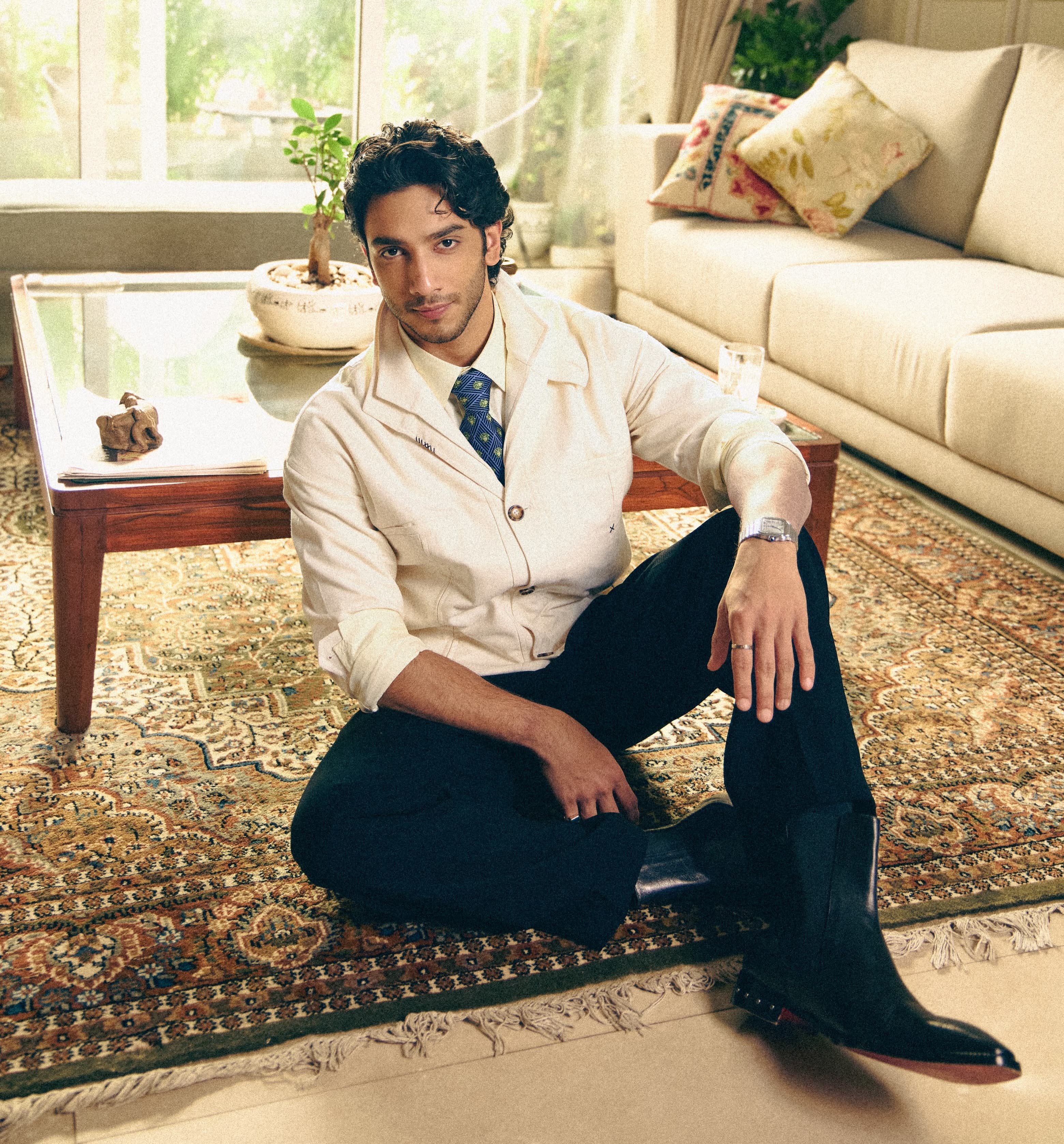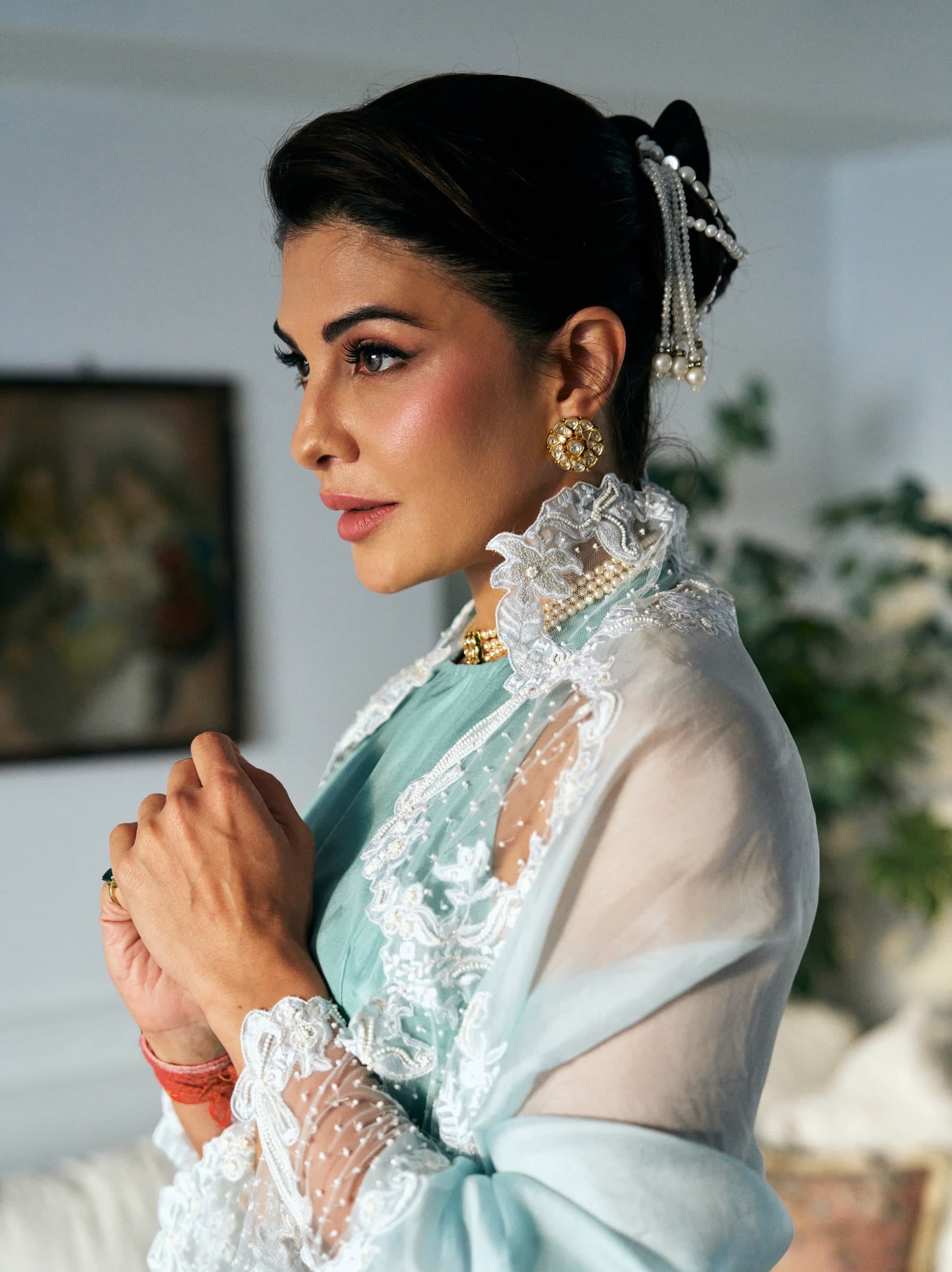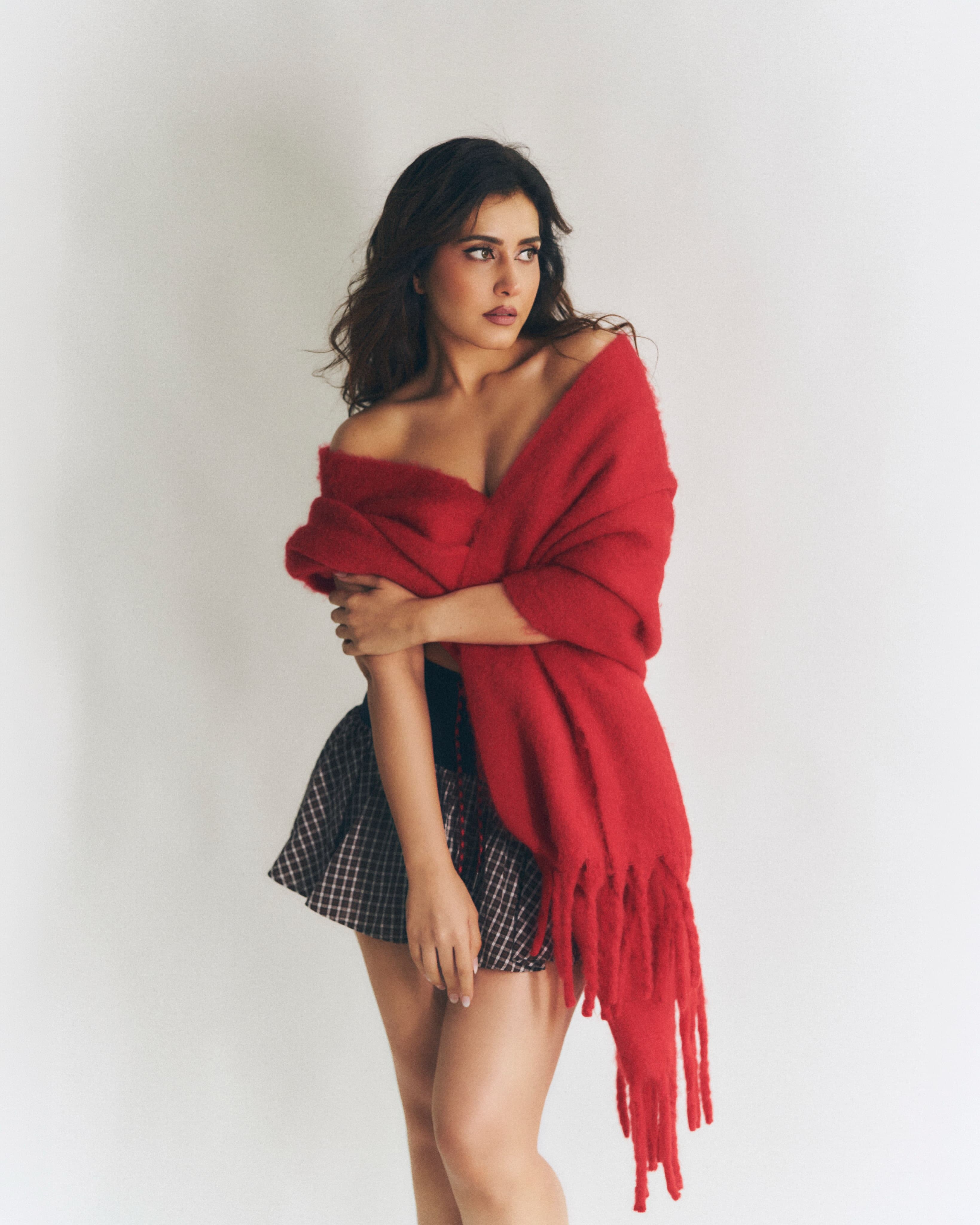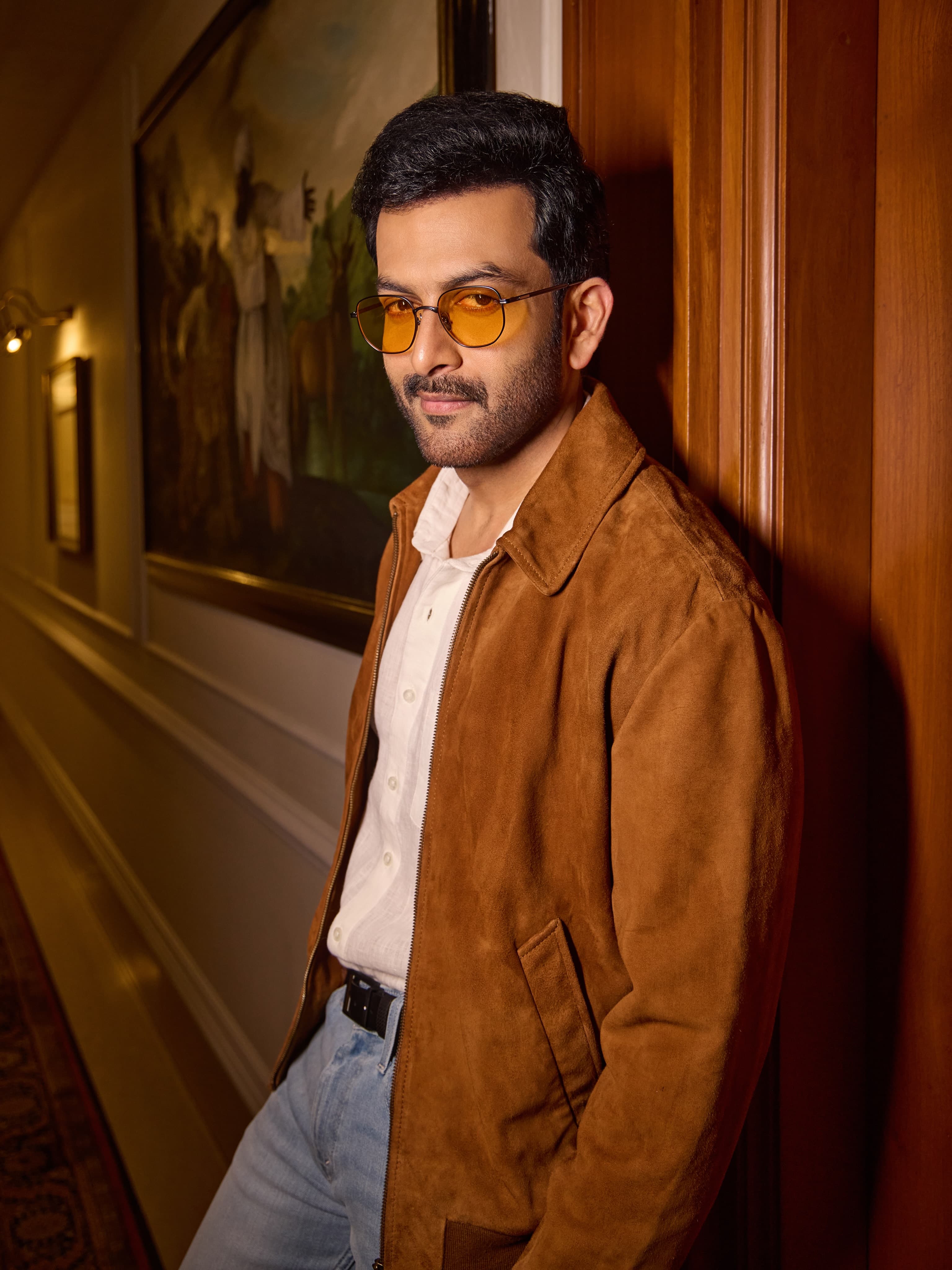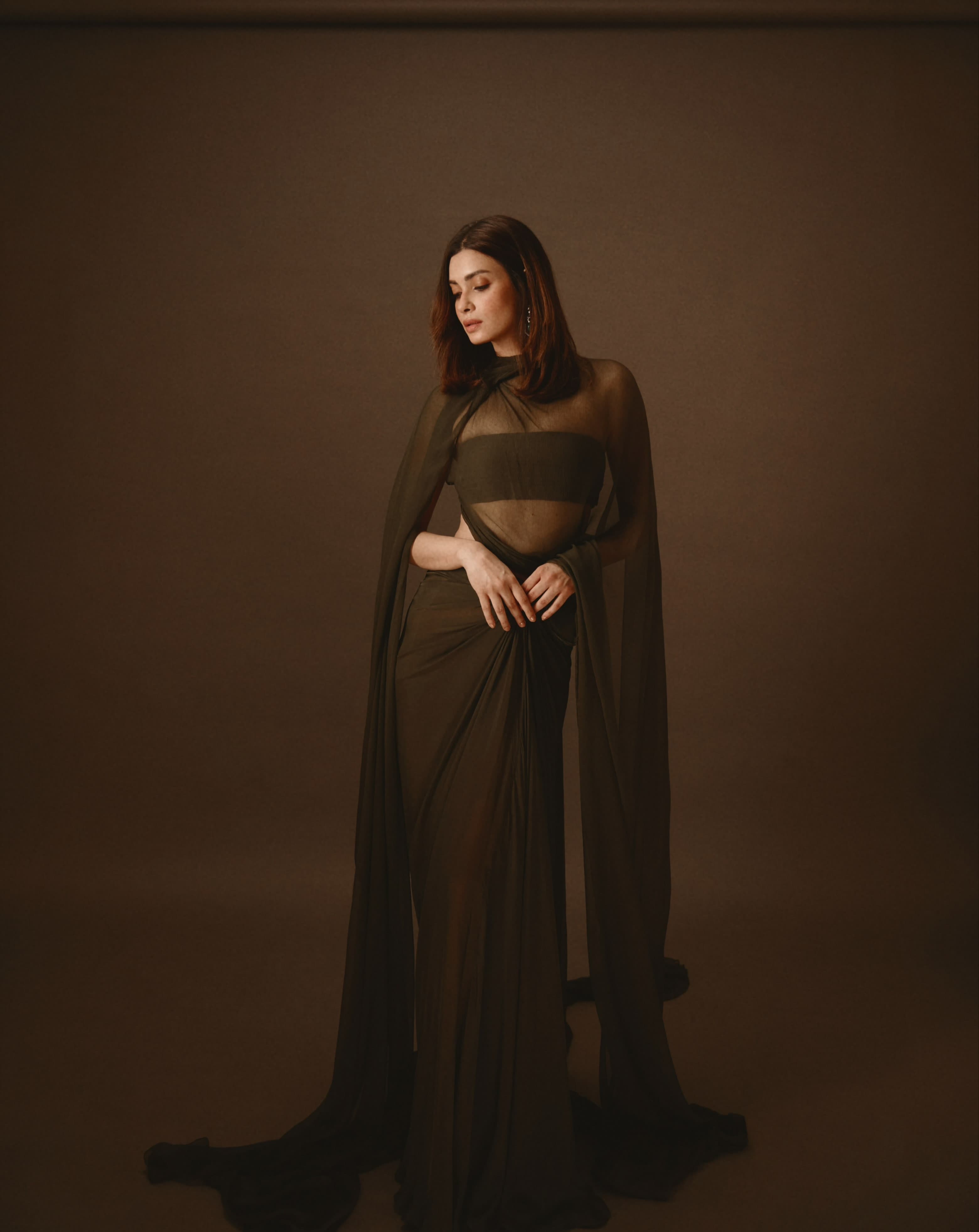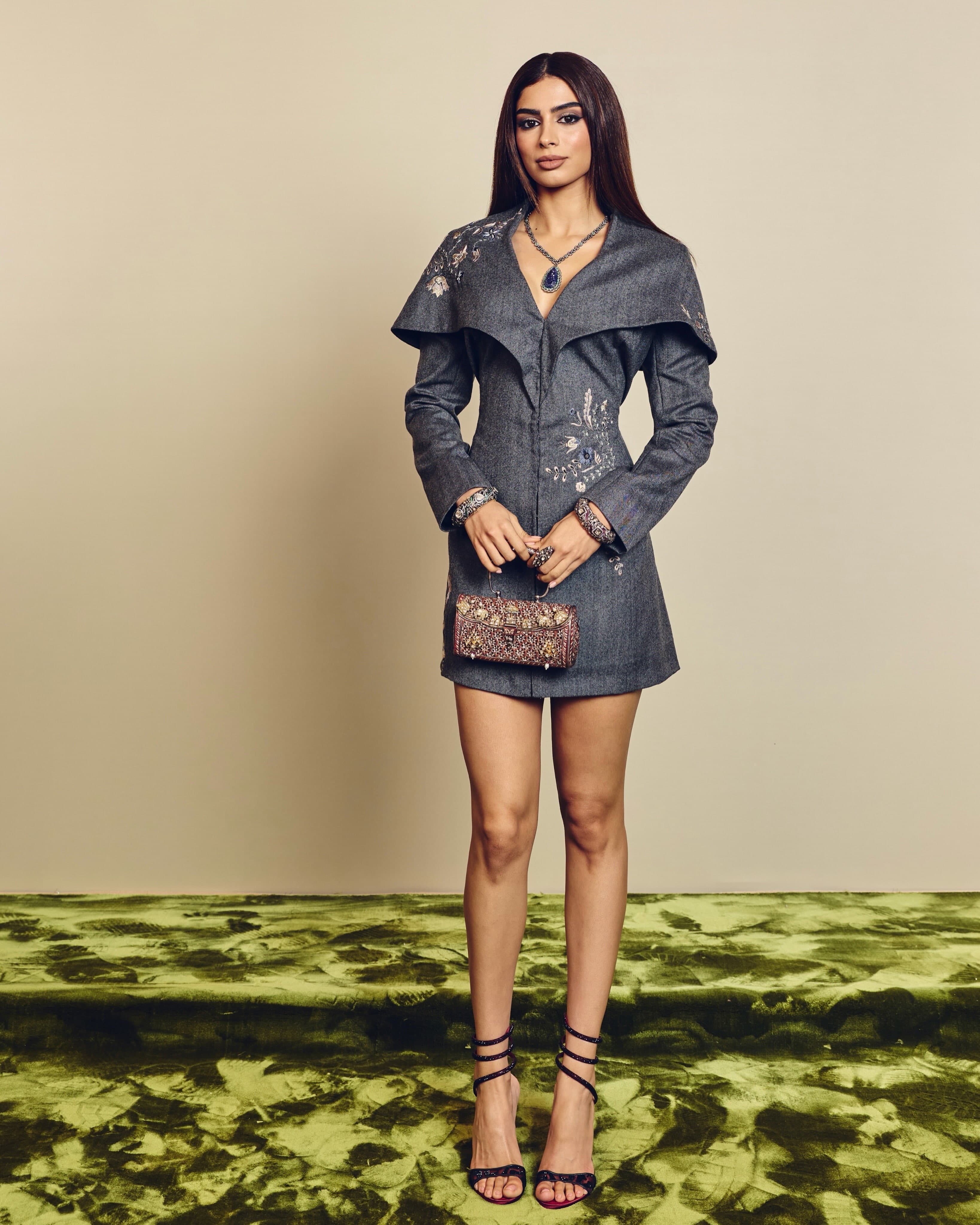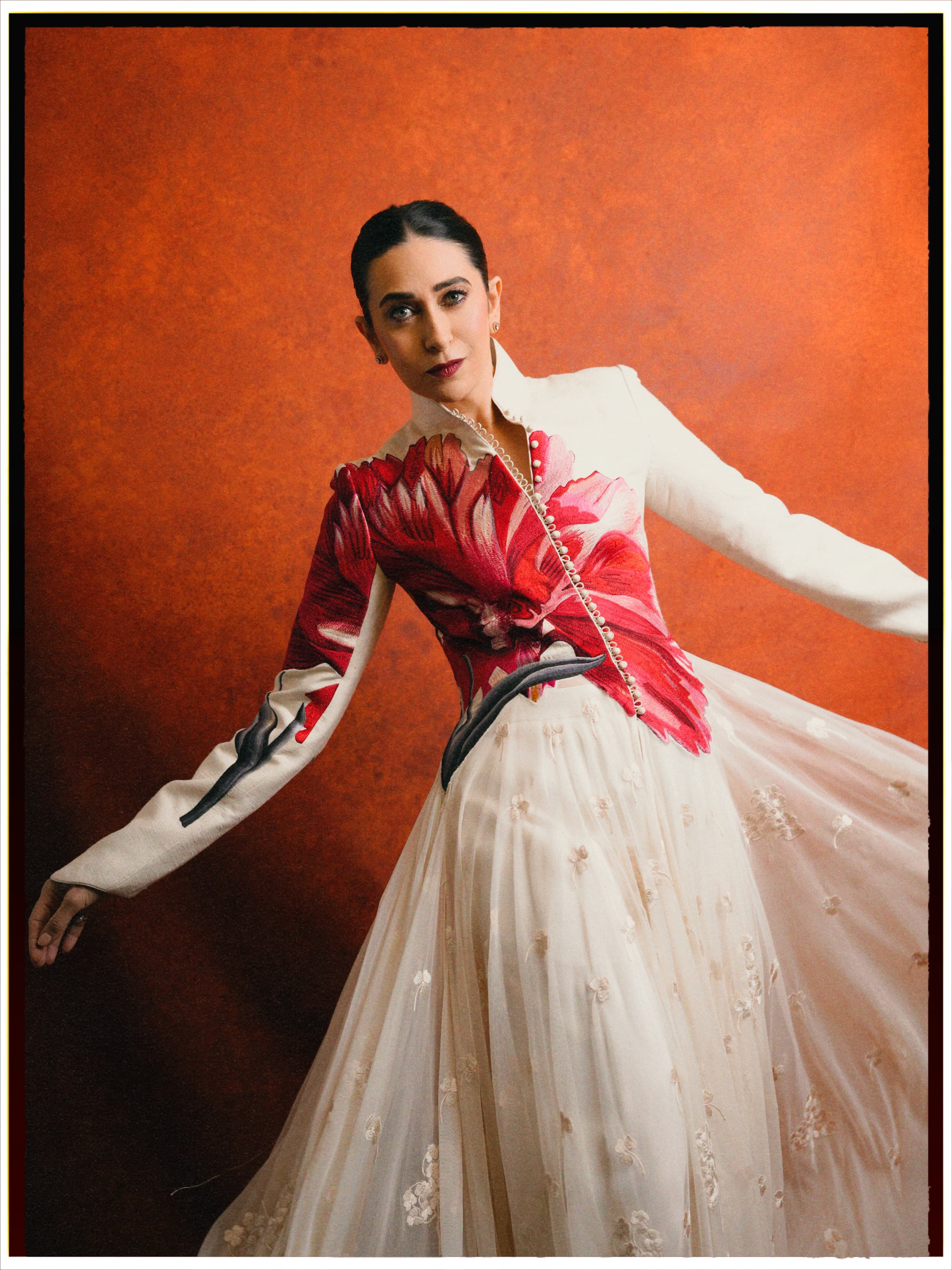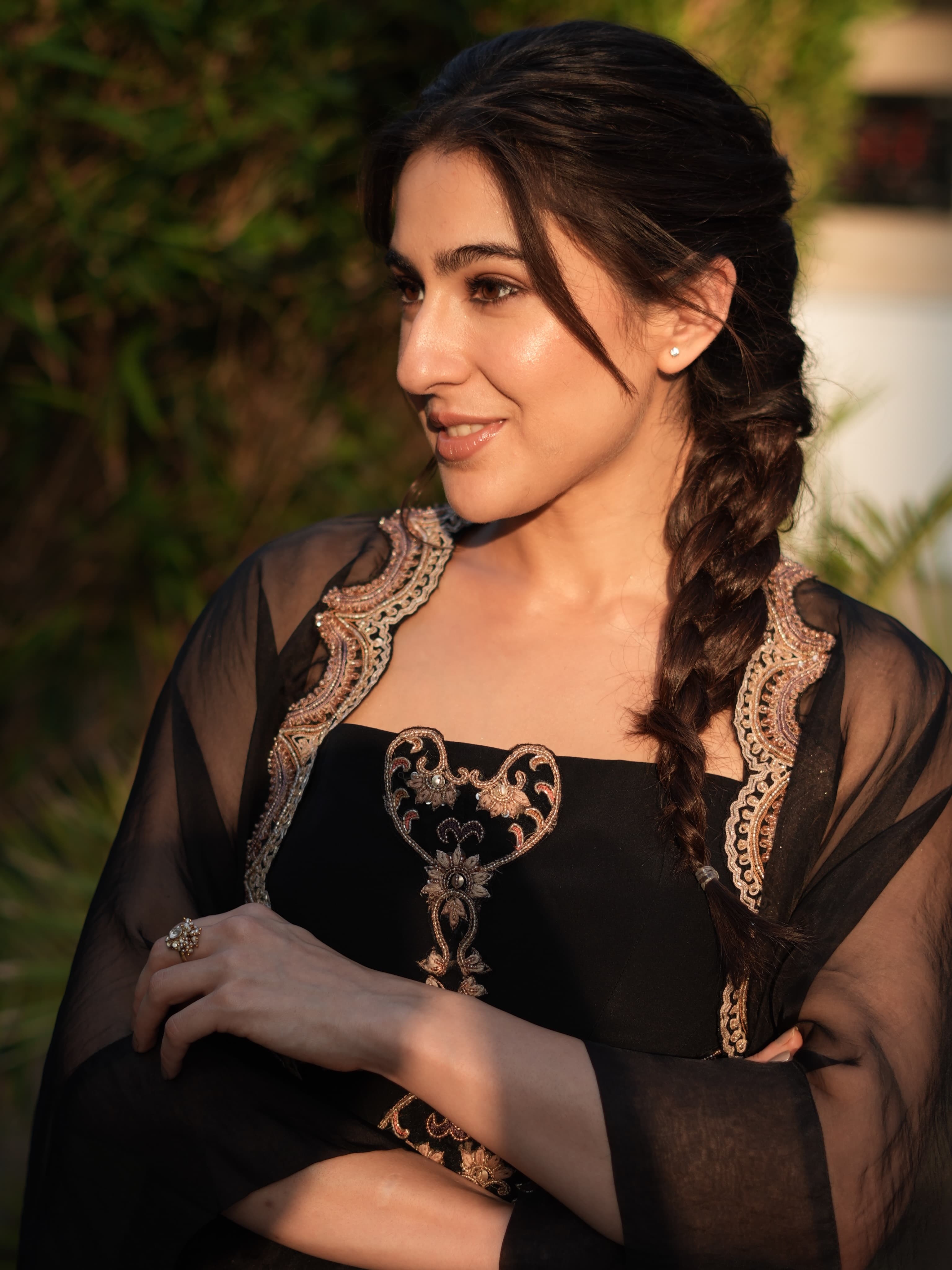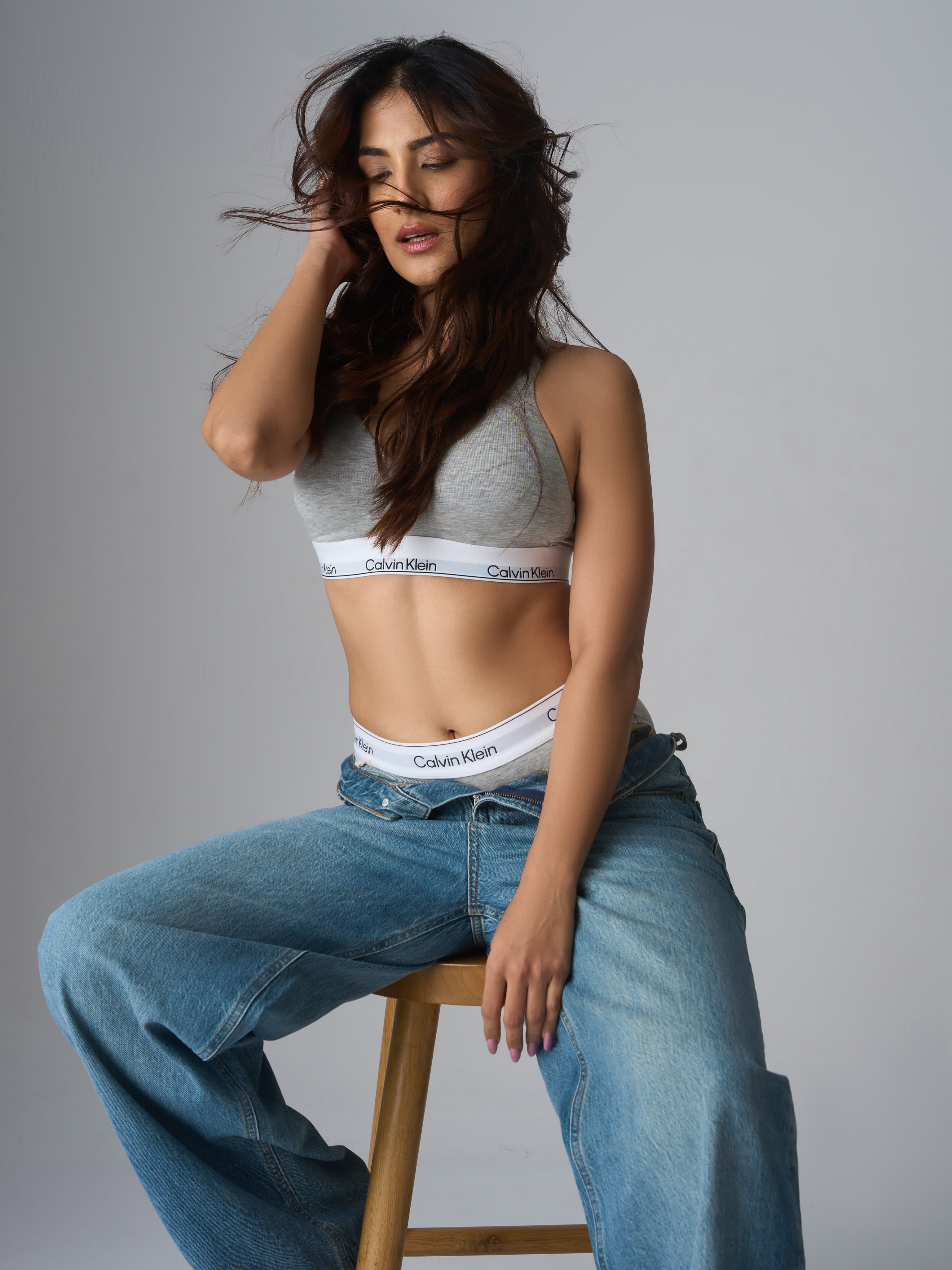
There’s a particular energy to an editorial beauty shoot when it is built around people, not products. The caption says “Too busy being the vibe”, but the real story is the credit roll: photographer Saurabh Sonkar, makeup artist Vinali, hair by Prem, styling by Sukanyaa, all framing Dr Miloni Jhonsa as the subject. That is the blueprint now, a tight glam team with distinct signatures, moving like a small production house.
Editorial beauty shoot, minus the brand name drop
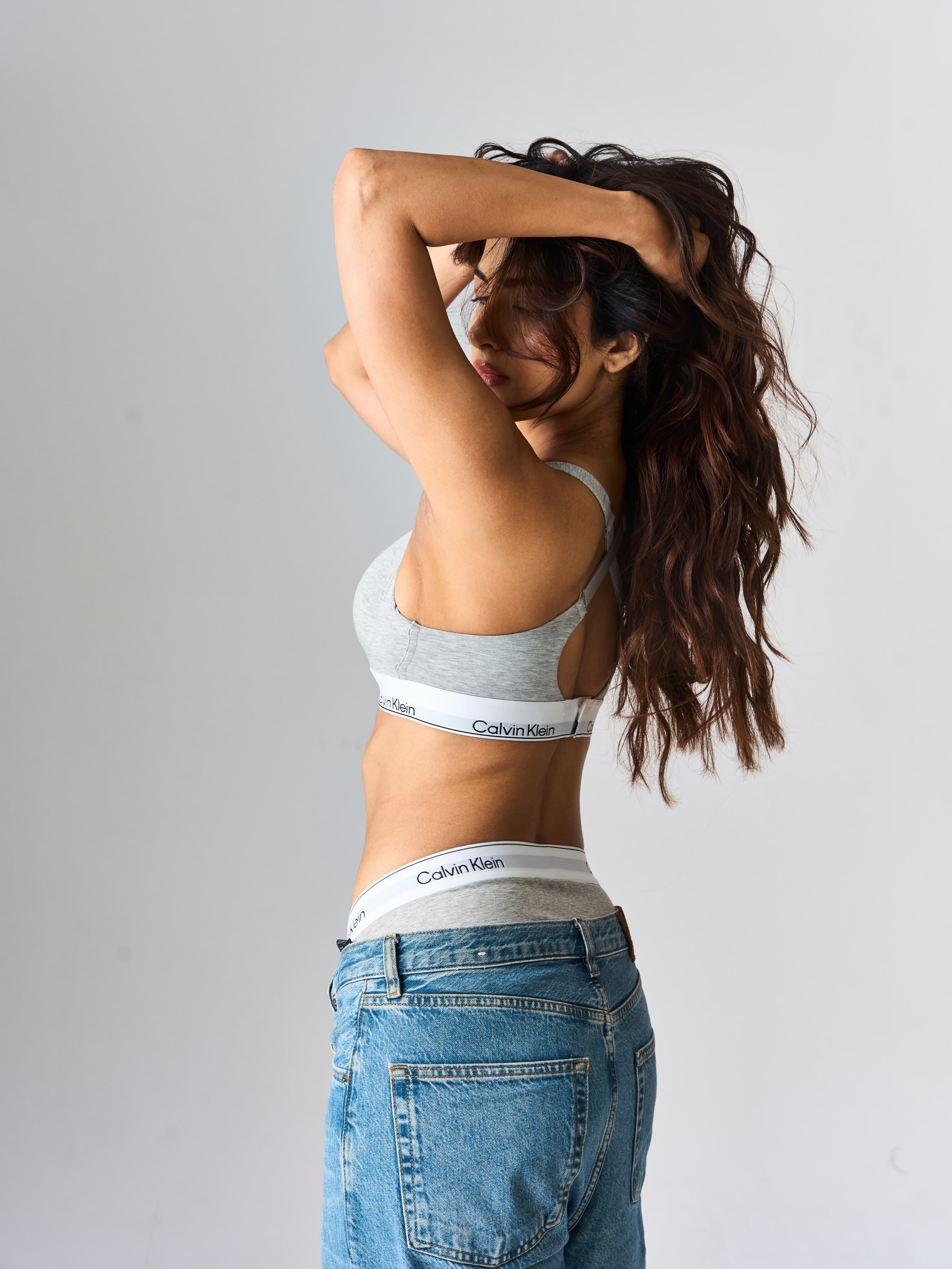
Luxury beauty content has trained audiences to look for the product label first. This set of images, based on what is publicly credited, flips that hierarchy. When a post identifies the photographer and the three frontline beauty and styling roles, it is a signal: the look is an authored result, not a shopping list.
The most telling choice is the specificity of the tags. A photographer credit like @saurabh_sonkar10 is not filler, it is a statement of ownership and craft. The same goes for @makeupby.vinali (makeup), @hairbyprem (hair), and @stylemesukanyaa (styling). In an ecosystem where images travel faster than credits, naming each role is the closest thing to a byline.
The glamour is a collaboration, not a filter
In a strong editorial beauty shoot, you can usually feel where each department enters the frame. Photography decides the temperature of the light and the patience of the lens. Makeup establishes how close the viewer can get, whether skin is meant to look like skin, or like a surface. Hair brings architecture, and styling supplies the narrative, whether it is cinematic, romantic, sharpened, or playful.
What makes this kind of team-led work compelling is that it has accountability. If the styling pushes silhouette, hair can answer with structure. If makeup chooses graphic tension, the photographer can decide whether to soften it with shadow or make it confrontational. It’s the sort of visual call and response that separates an editorial from a casual portrait, even when no magazine masthead is attached.
Why the credits matter now
Crediting the team does two things at once. It gives the audience a trail to follow, and it gives the people behind the image something increasingly rare online: attribution that survives reposting. If you are building a career in beauty or fashion, these tags function as proof of work and as portfolio breadcrumbs.
How to read an editorial beauty shoot like an editor
Forget “vibe” as a vague compliment and treat it as an audit. Look for evidence of intention. Is there consistency in the light across frames. Do the hair and makeup choices agree with the styling, or do they argue productively. Does the subject hold one character throughout, or shift persona image to image.
If you are commissioning your own shoot, the most practical lesson here is also the most old fashioned: hire people whose work you can recognise without seeing their name attached, then give them room to do it. The byline style caption suggests exactly that, a compact set with clear roles and a subject willing to be interpreted, not merely documented.
And if you’re simply consuming, not producing, there’s a more satisfying way to engage: follow the credits. That is where the next image you love usually starts.
Photo Credits
Cover image and additional images: Images courtesy of their respective owners. Credits as provided: Photography @saurabh_sonkar10, Makeup @makeupby.vinali, Hair @hairbyprem, Styling @stylemesukanyaa, featuring Dr Miloni Jhonsa.