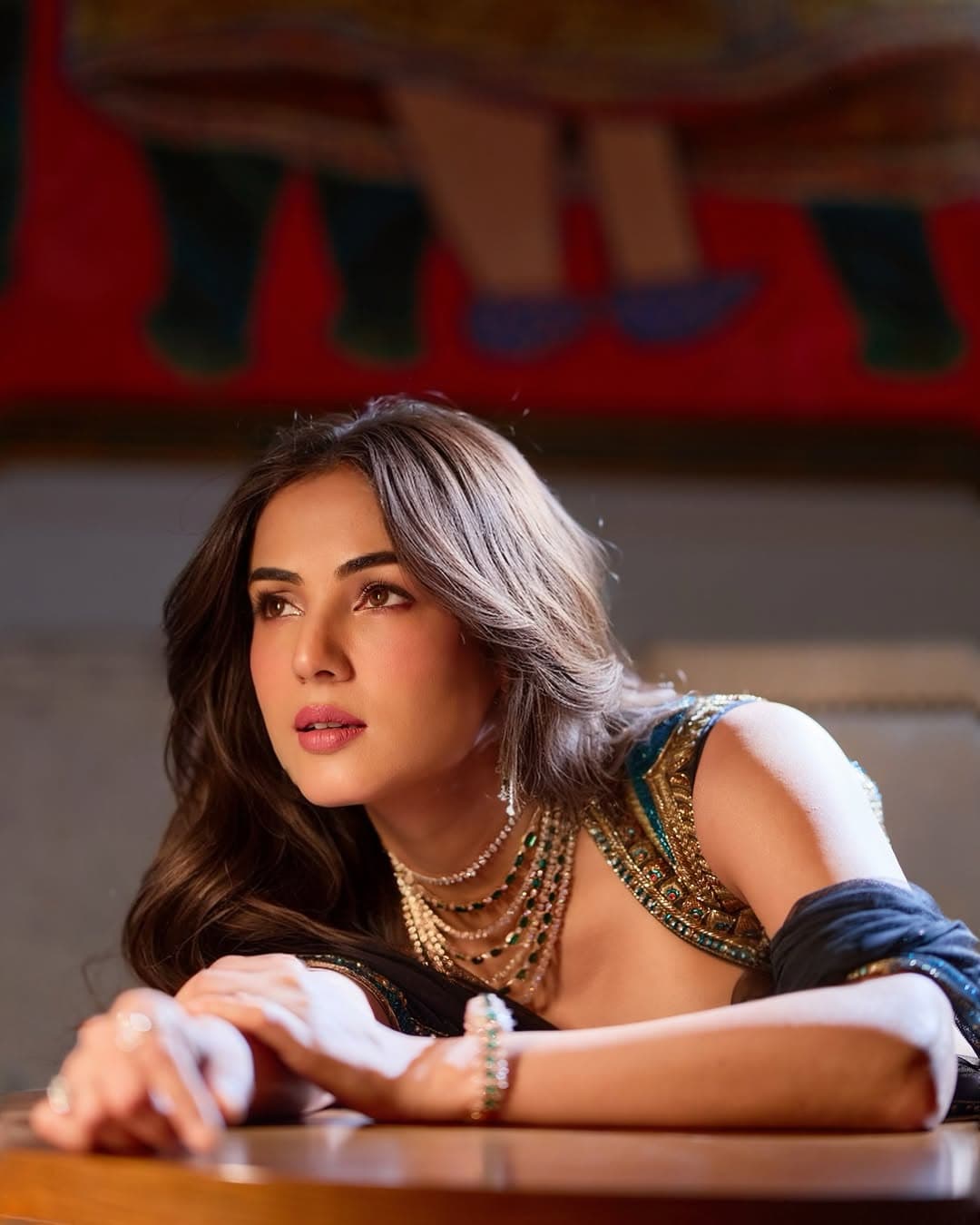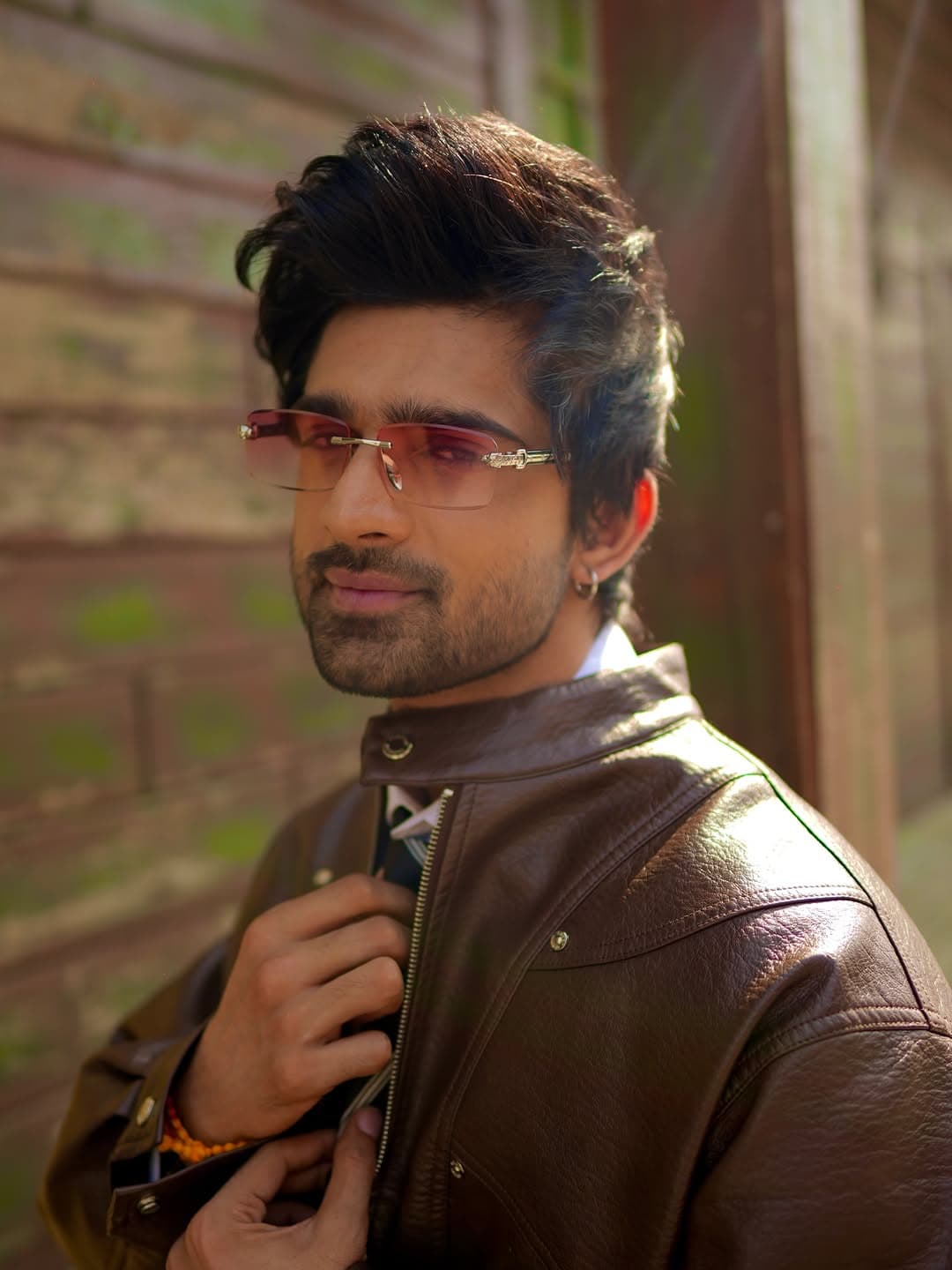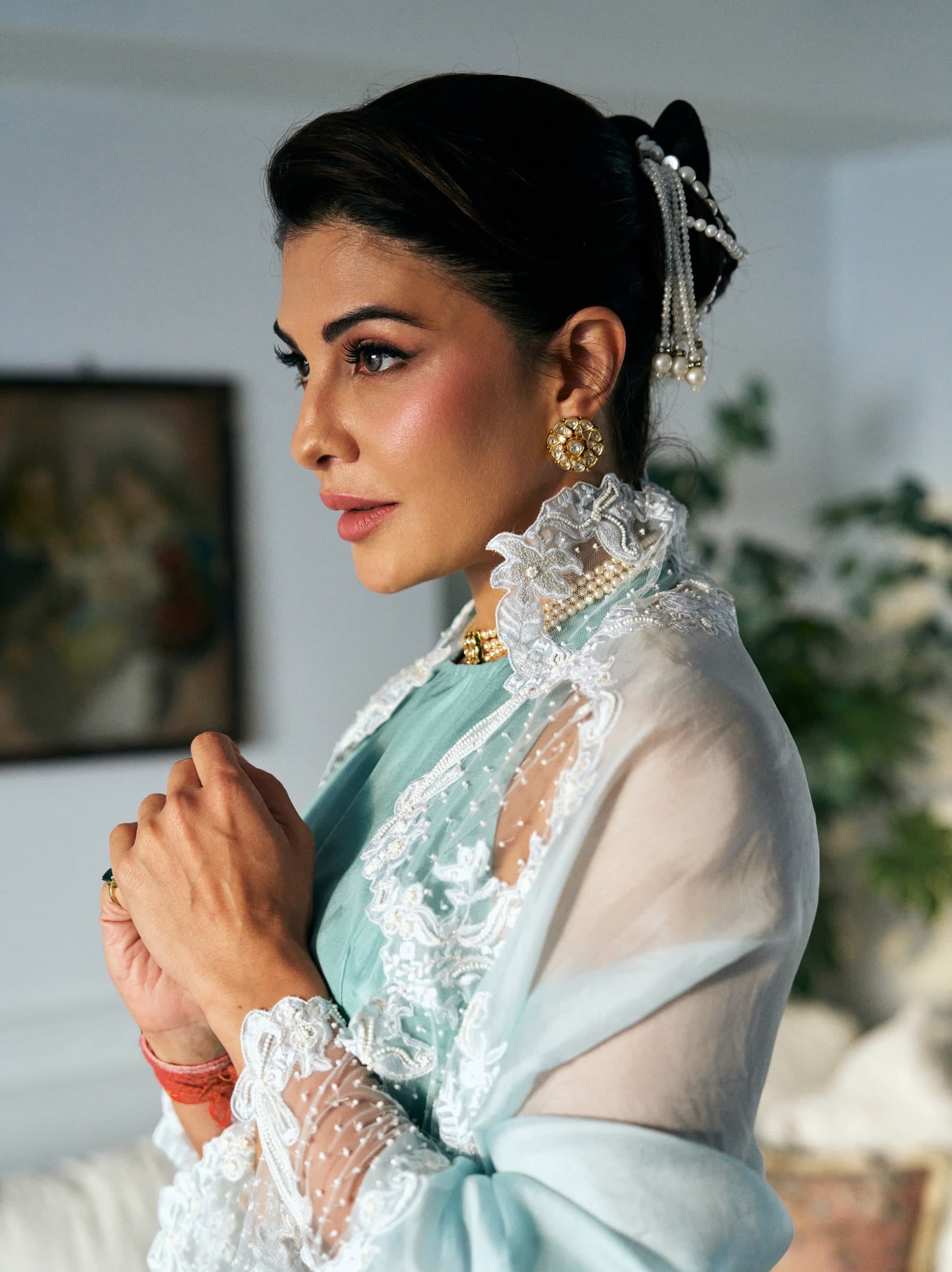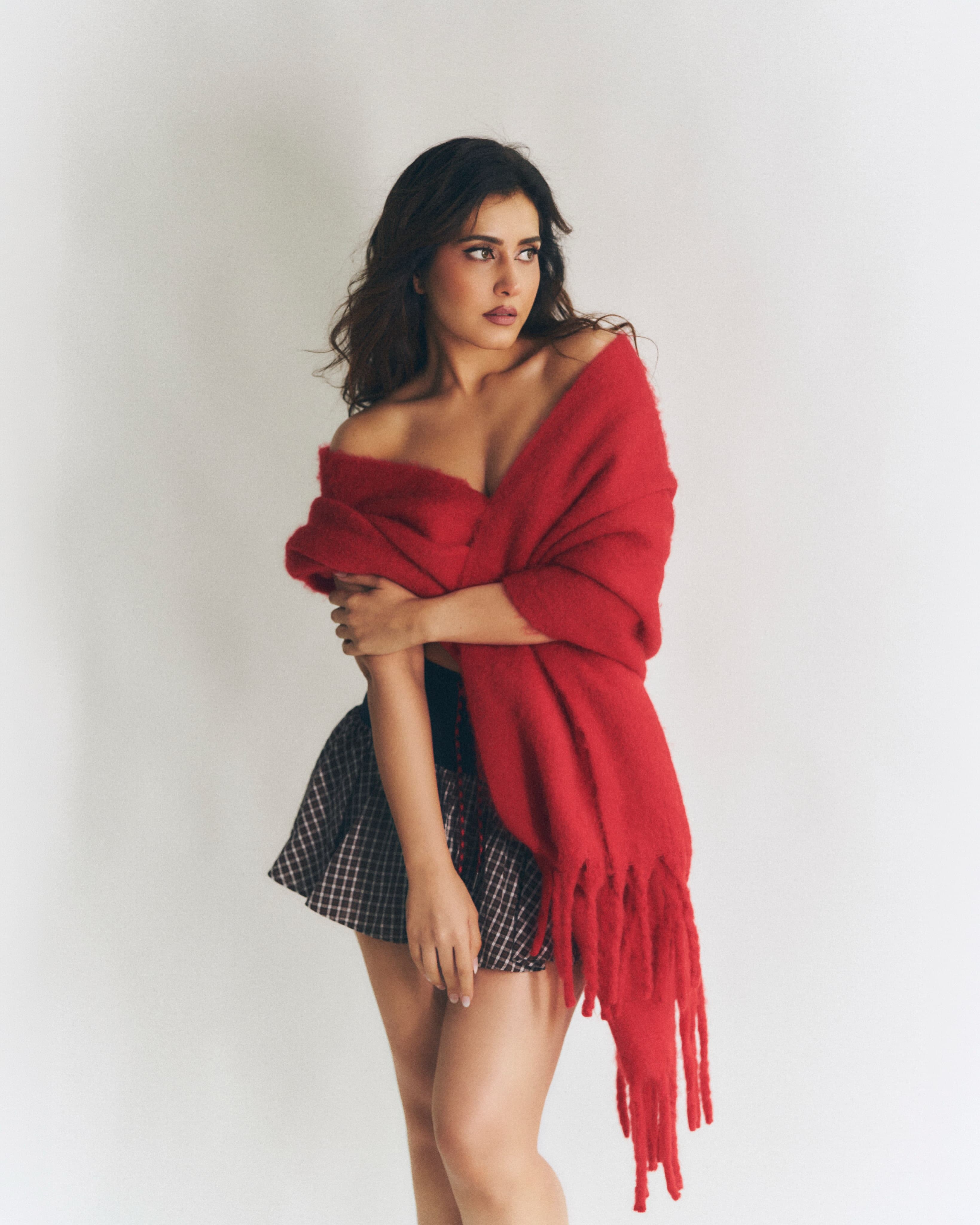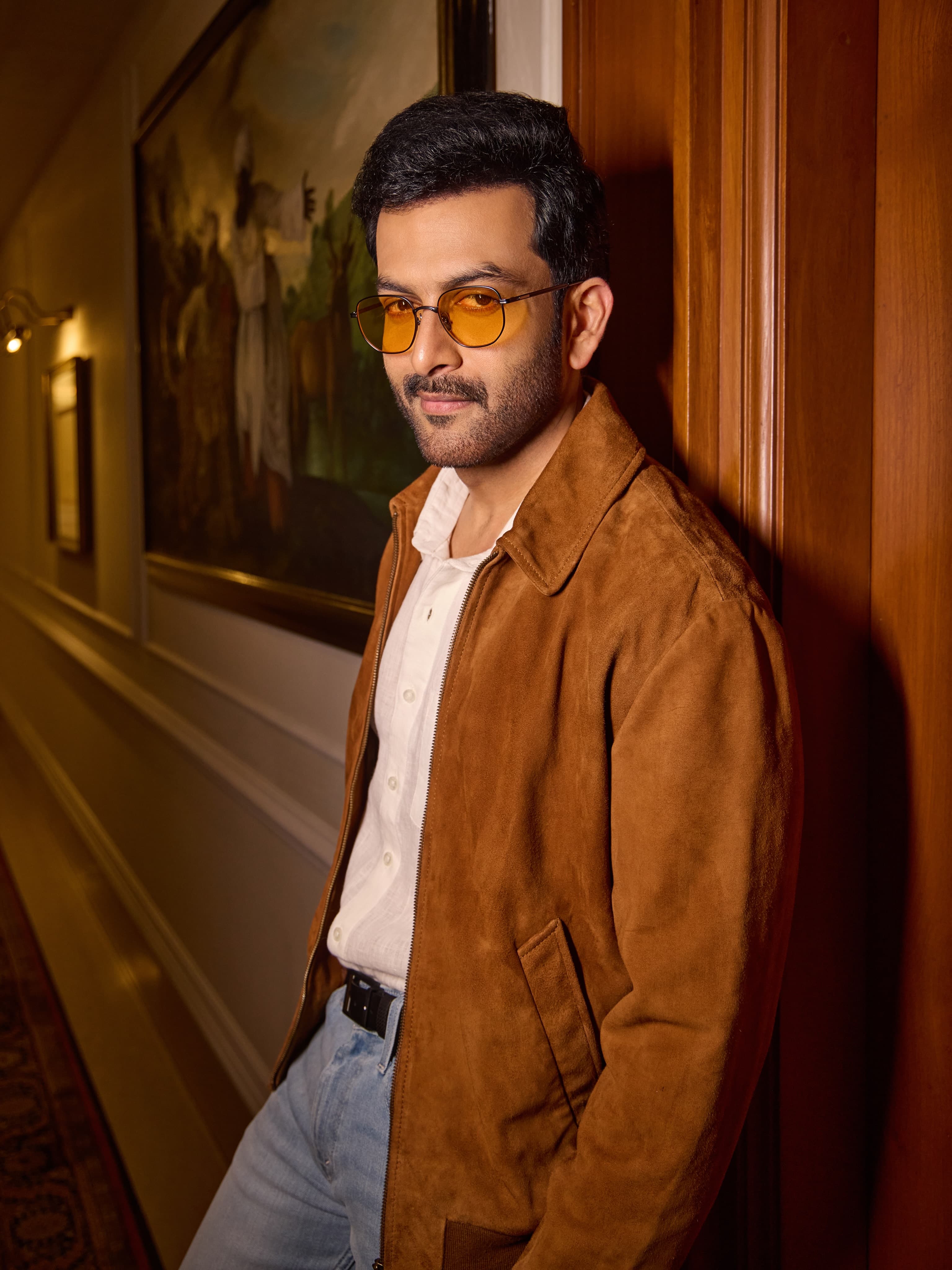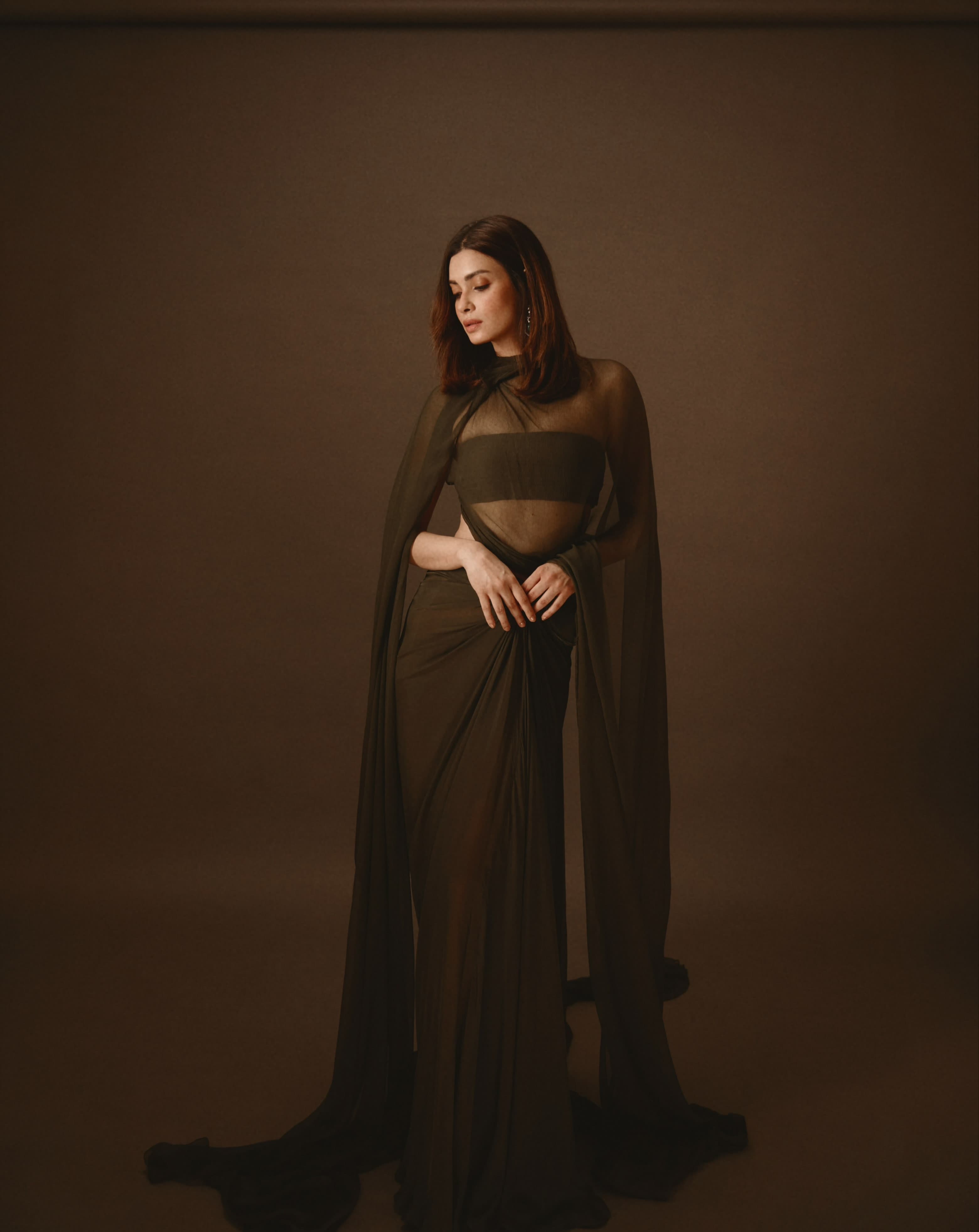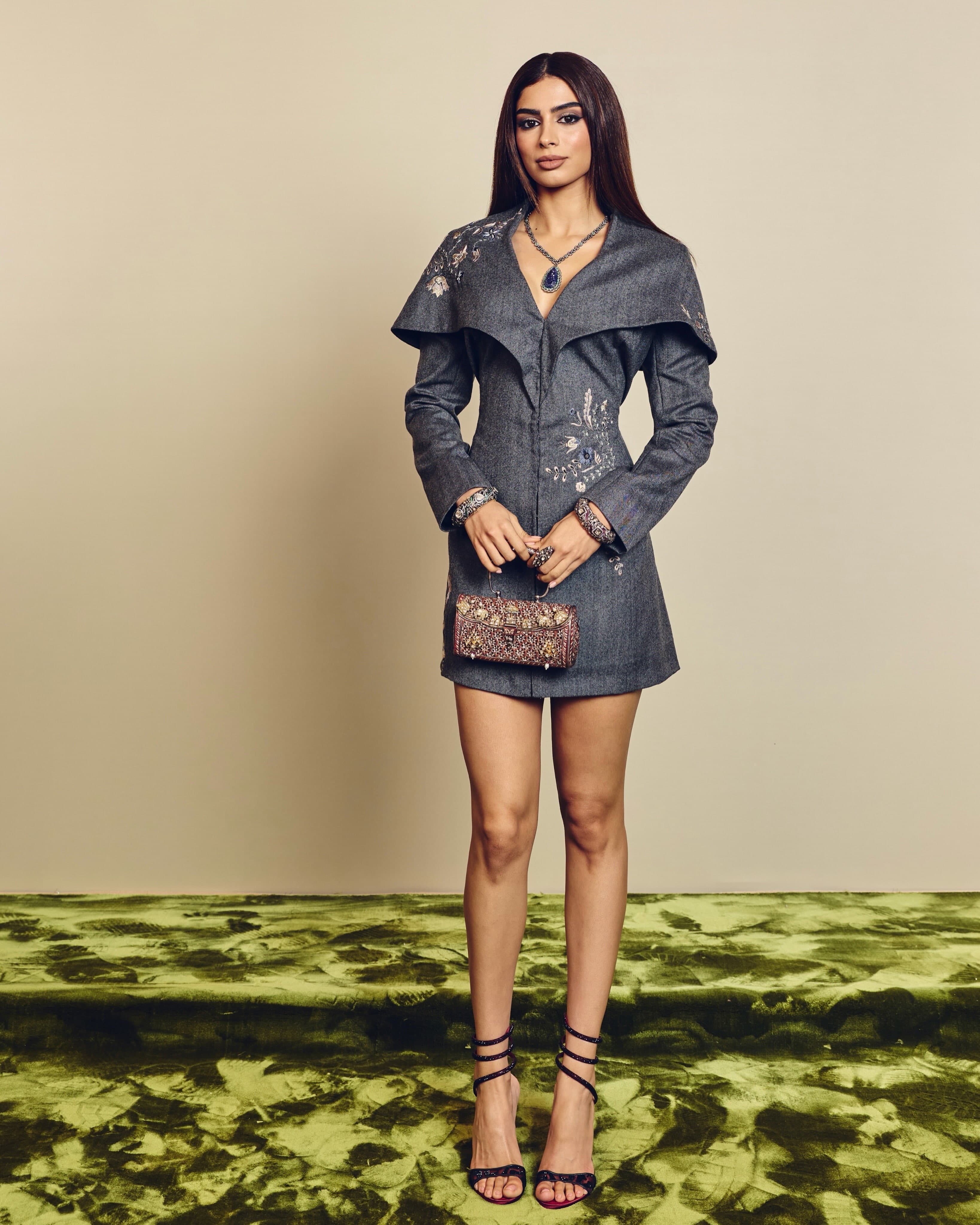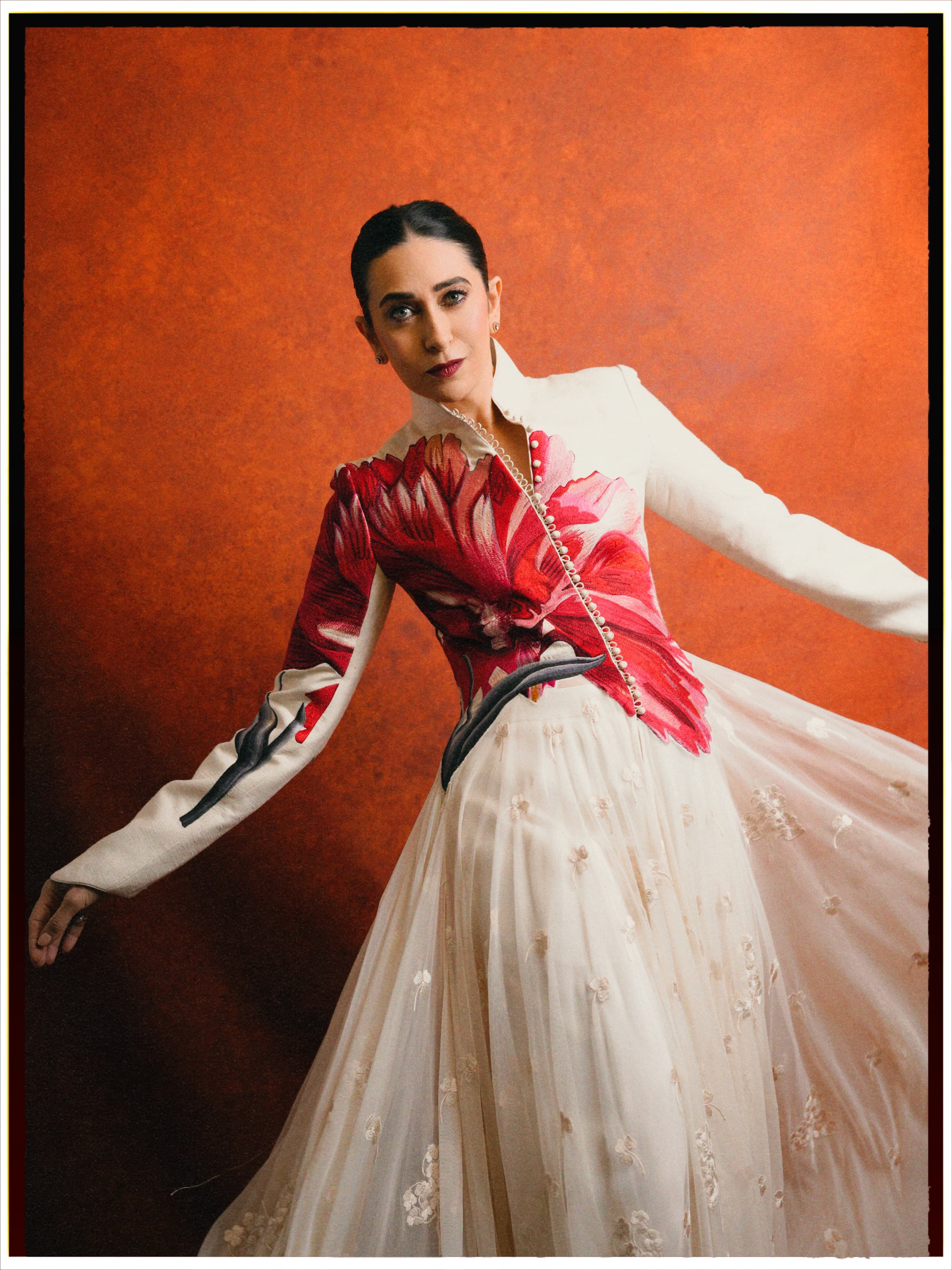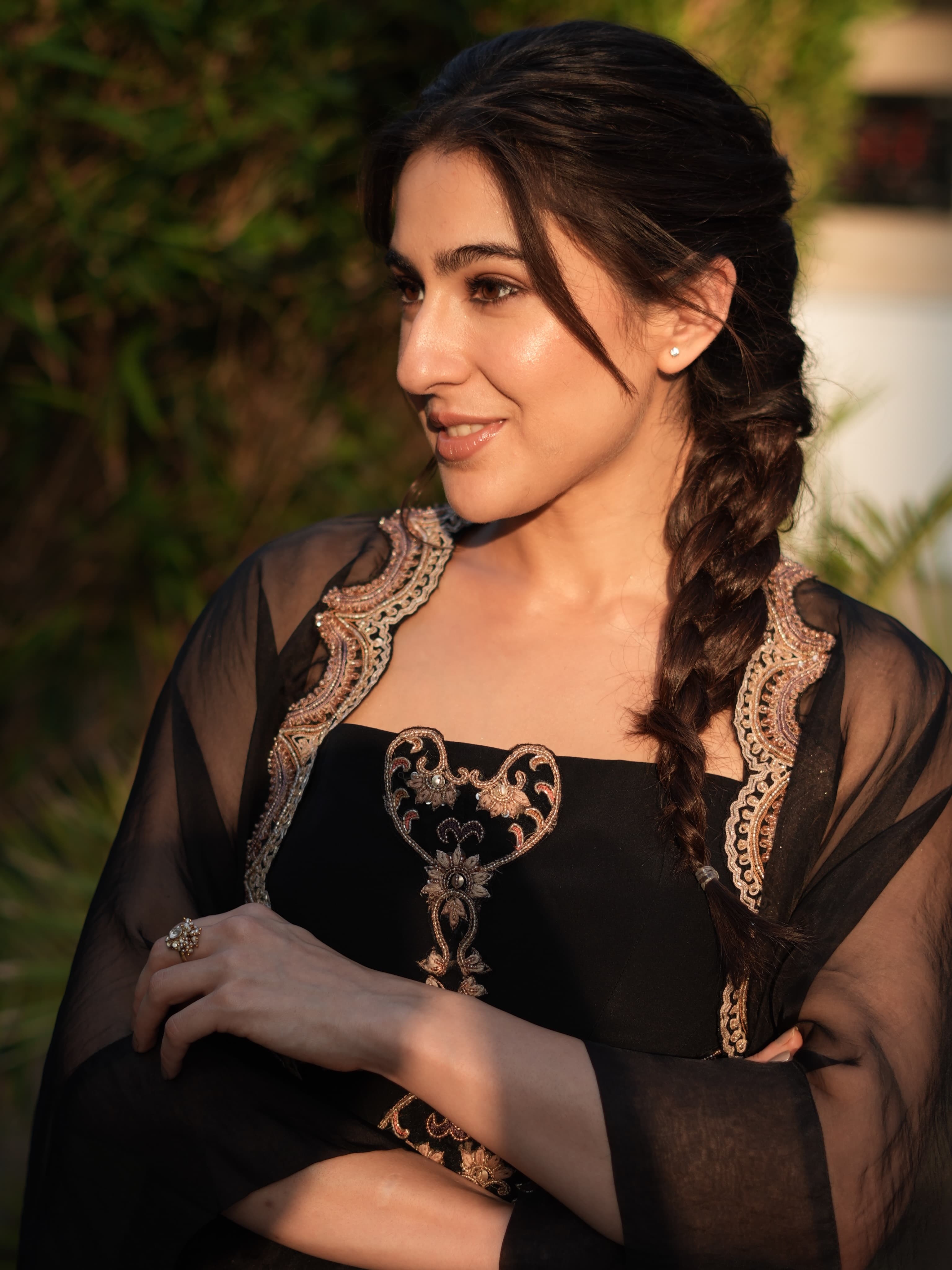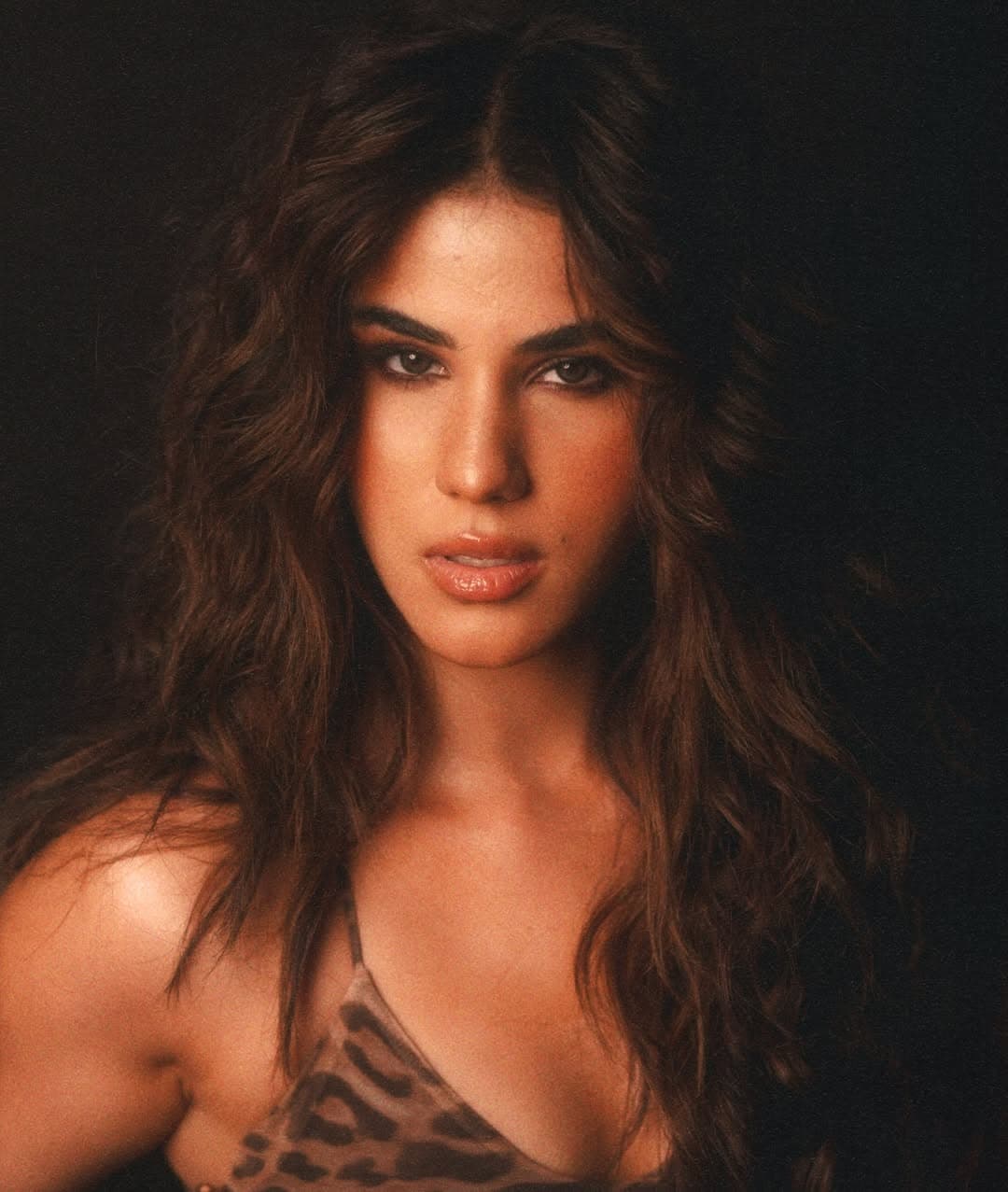
In an era when a “look” can be flattened into a filter, beauty editorial close-up photography still has one unbeatable advantage: it records decision-making. The crop is unforgiving. The hairline, the gradient of base makeup, the logic of an accessory, the angle of a shoulder. In this set of images credited to stylist Aaveera Singh Masson, photographed by @deepikasdeepclicks with hair by @little_hair_poetry and makeup by @makeupby_habiba_, the point is not distance or spectacle. The point is evidence.
Beauty editorial close-up photography, as a craft
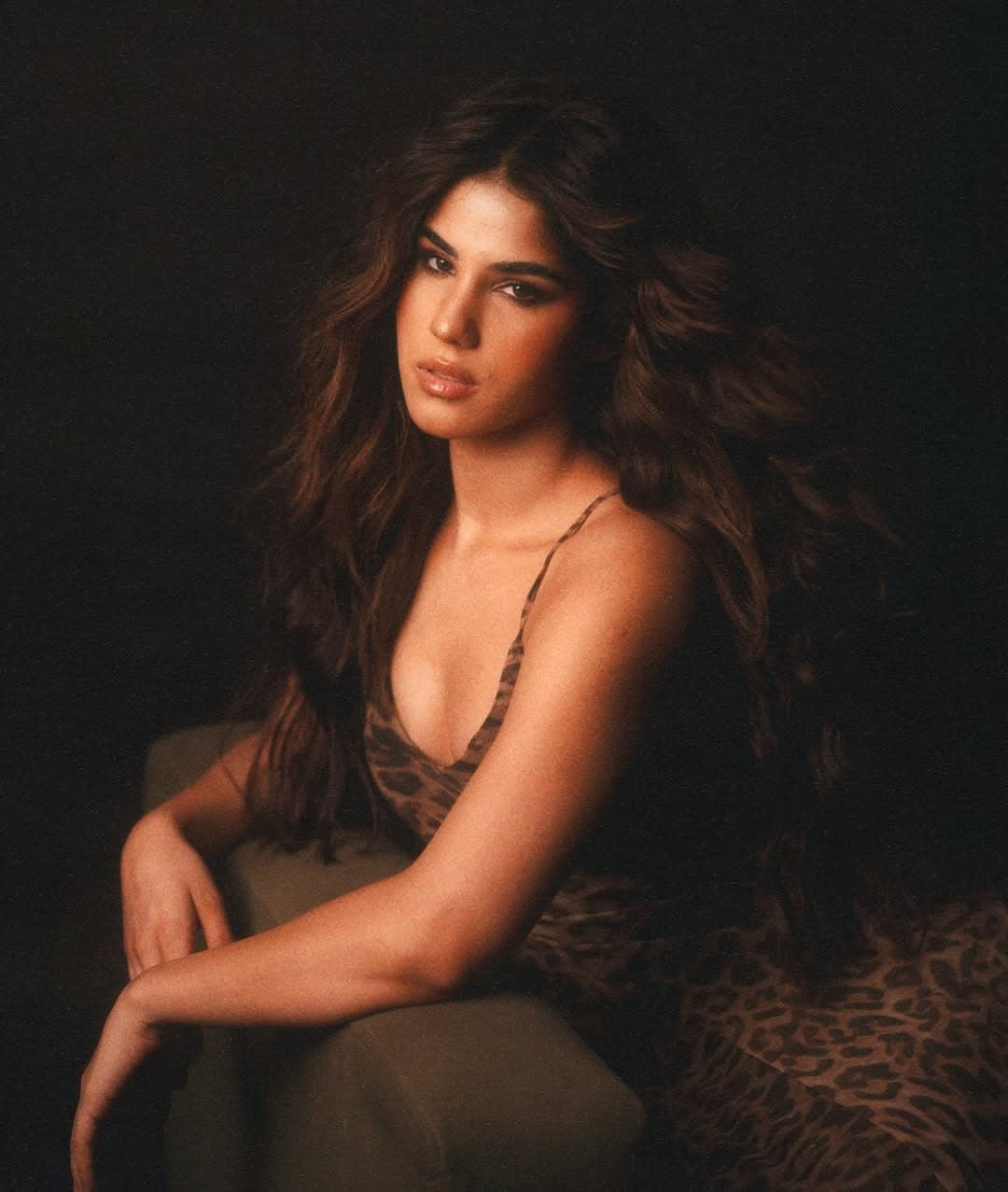
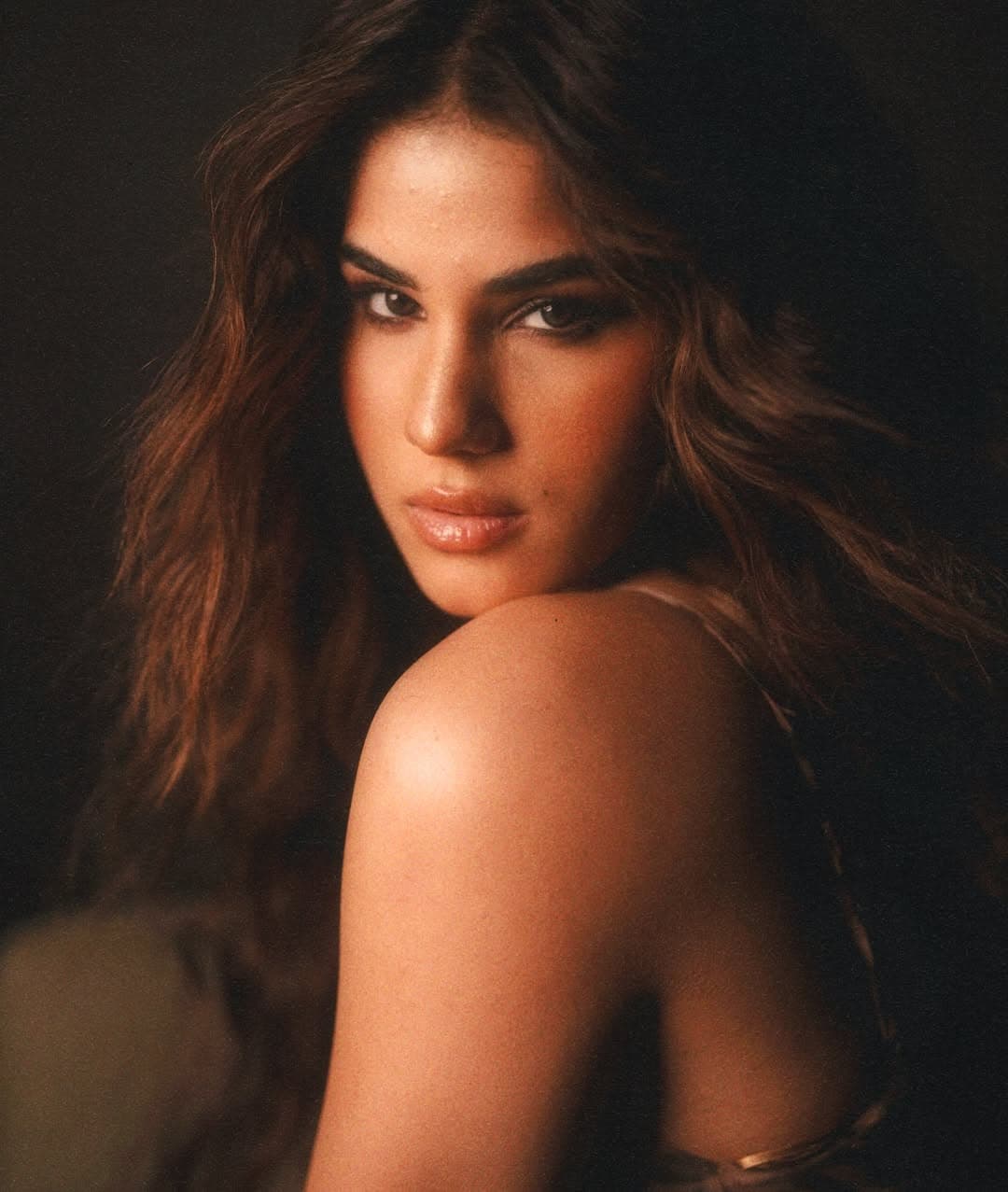
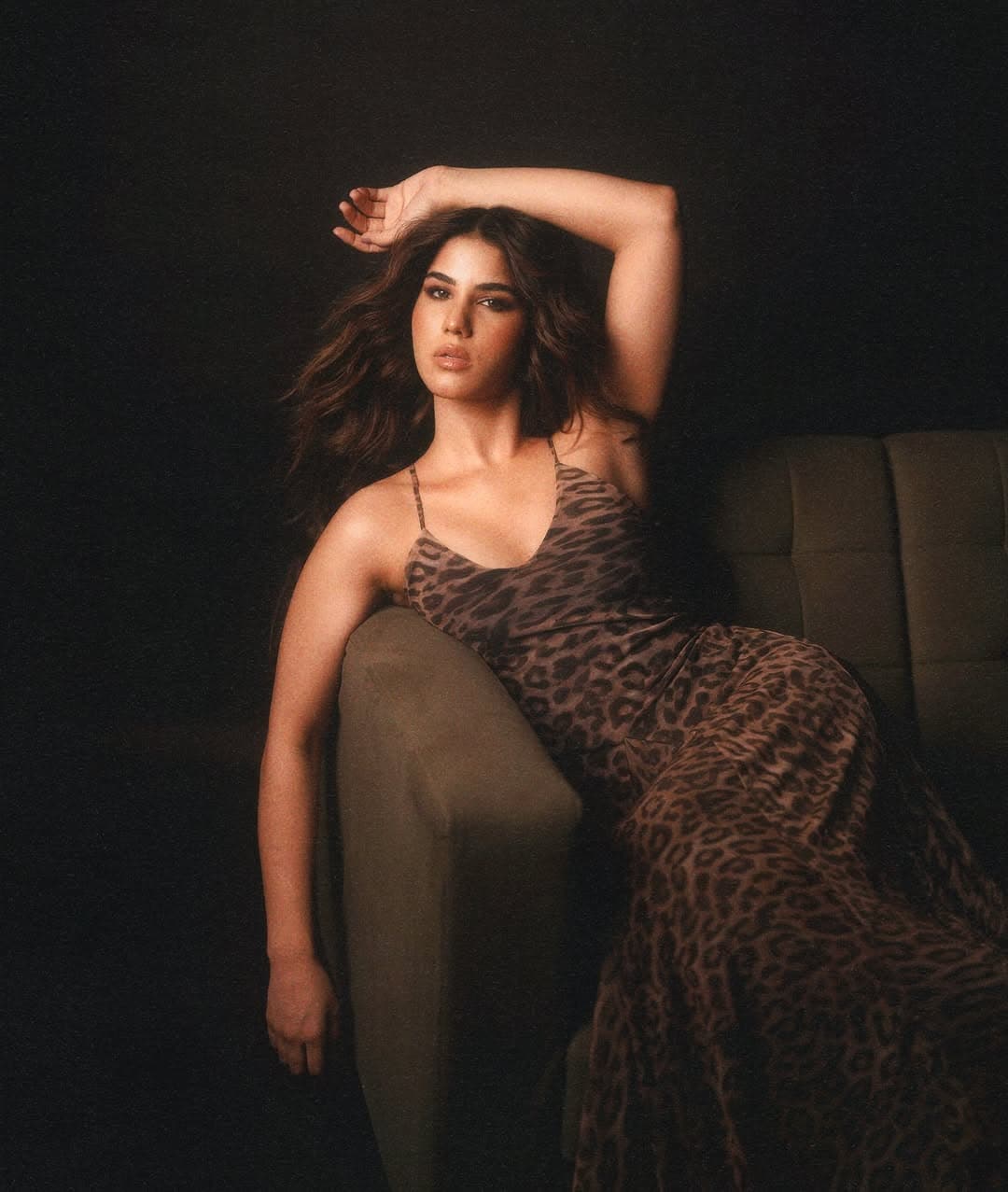
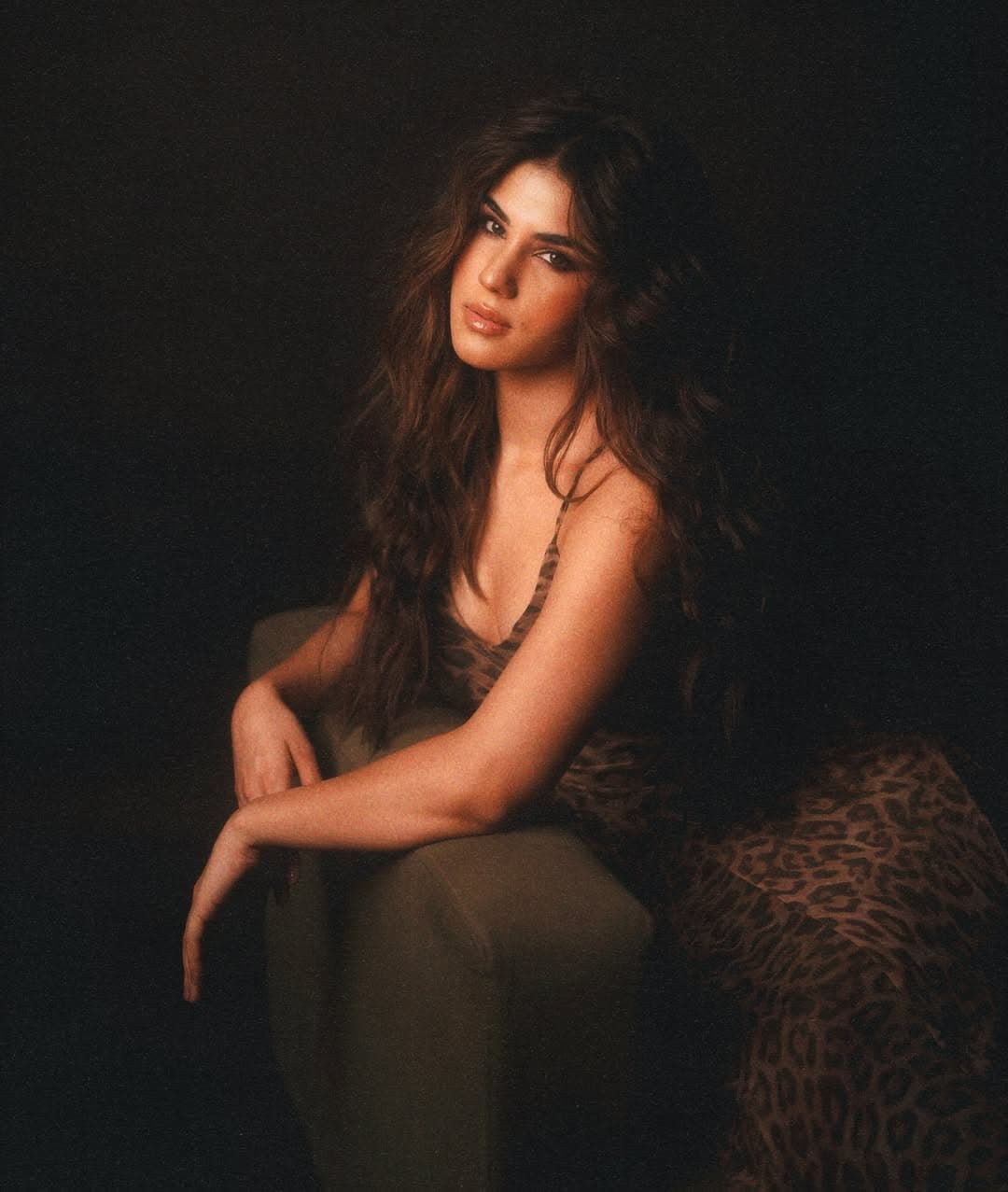
“Up close” is often used as a throwaway caption, but in beauty editorial close-up photography it is a technical brief. The camera moves in and suddenly every department has to negotiate texture, shine, and edges. Hair that looks dramatic from ten feet away can turn messy in macro. Makeup that reads clean in motion can reveal harsh transitions under a direct light.
What makes this team credit list worth pausing on is that it names the full chain of authorship. Styling is not an afterthought stapled onto a feed post. It is the bridge between face, garment, and frame and it becomes even more legible when the photograph refuses to zoom out.
What the credits tell you, even before the outfit does
A photographer’s signature shows up in distance choices
@deepikasdeepclicks is credited for the images, and the central move implied by the caption is proximity. In beauty editorial close-up photography, proximity is an opinion. It says, “Look here, not elsewhere.” It also places pressure on skin finish, lash line, and hair texture because the viewer is invited to linger instead of scrolling past.
Hair and makeup have to agree on texture
Hair by @little_hair_poetry and makeup by @makeupby_habiba_ sit in the same tight frame, which means neither can compete blindly. A polished blowout paired with ultra-matte skin can look clinical. A heavily dewy base with flyaway texture can turn chaotic. The best close-ups are negotiated: a shared strategy for how light should land and where it should stop.
Styling is the silent editor in the room
When Aaveera Singh Masson writes “Styled by me,” it reads as a small line, but in practice it is the decision that keeps the entire image from becoming a face-only study. Styling in close-up often comes down to micro-choices: neckline placement, a collar that frames the jaw, a visible fastening, a piece of fabric that catches highlight and gives the composition somewhere to travel.
Why close-ups are winning right now
The current appetite for detail is partly aesthetic, and partly practical. Close-ups travel well across platforms, they suit portrait-oriented screens, and they reward repeat viewing. They also align with what audiences have learned to look for: blending, finish, hair health, and the small cues that separate “done” from “imagined.” If you are interested in how face work is changing with lighting and lenses, our Beauty section has more on the craft side of editorial, and Fashion tracks how styling choices shift when the crop tightens.
For readers who want to see the credited work in context, the most direct sources are the collaborators’ own profiles: @deepikasdeepclicks for the photography credit, and @makeupby_habiba_ for the makeup credit.
If there is a thesis here, it lives in the framing: beauty editorial close-up photography does not let you hide behind atmosphere. It insists on construction, on edges, on how a look holds up when it is examined rather than admired from afar.
Photo Credits
Cover image and additional images courtesy of their respective owners. Credits per caption: photography by @deepikasdeepclicks, hair by @little_hair_poetry, makeup by @makeupby_habiba_, styling by Aaveera Singh Masson.