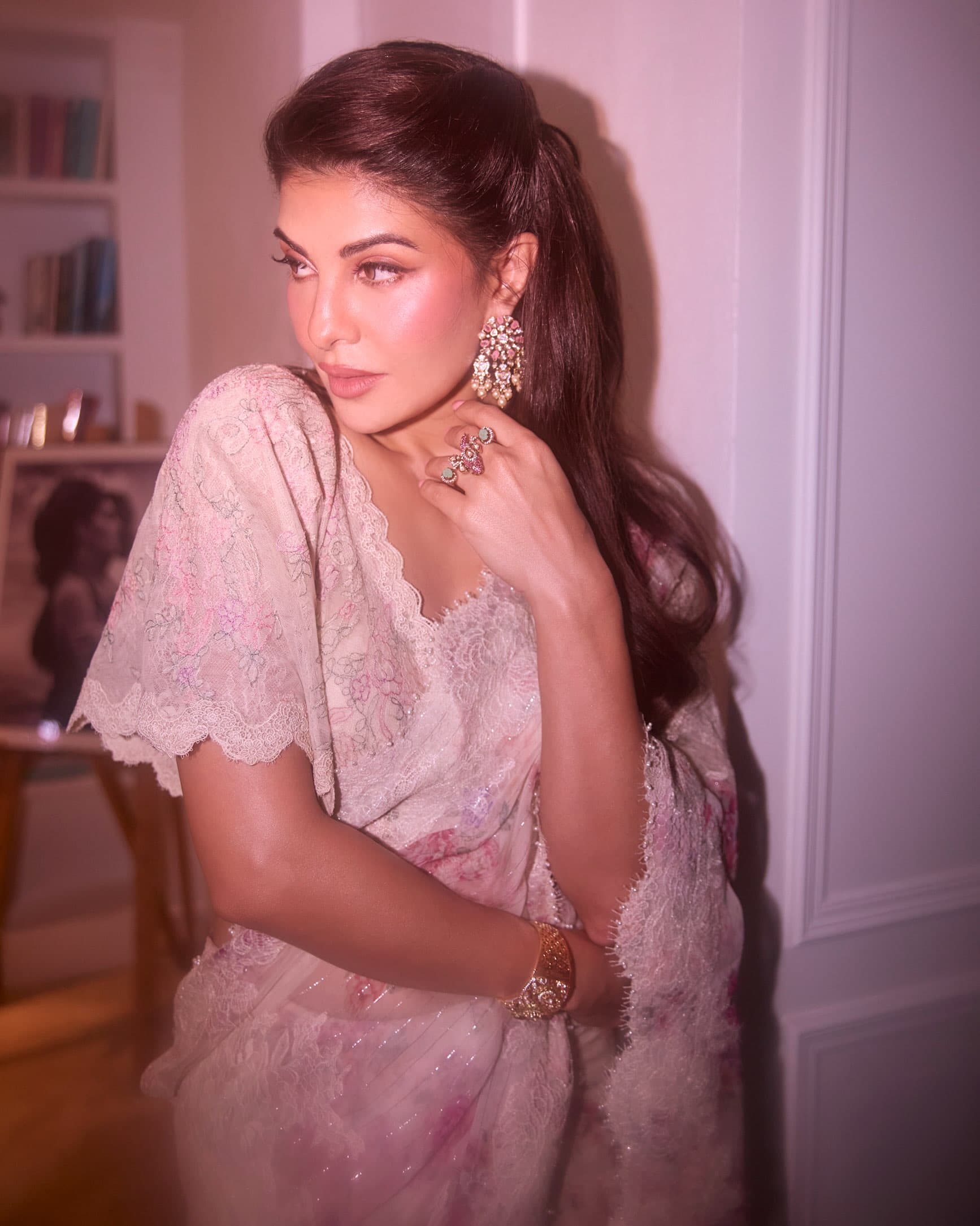
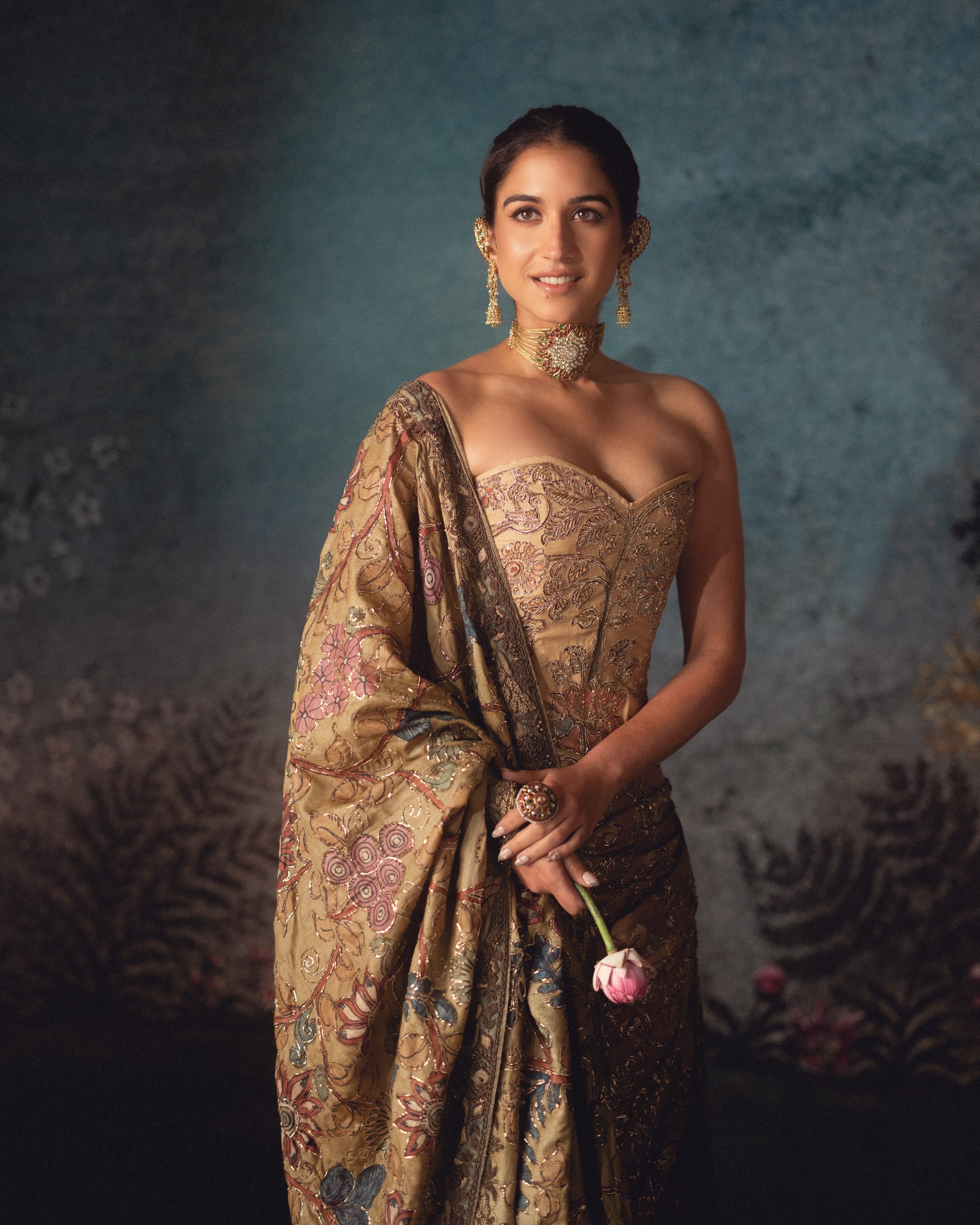
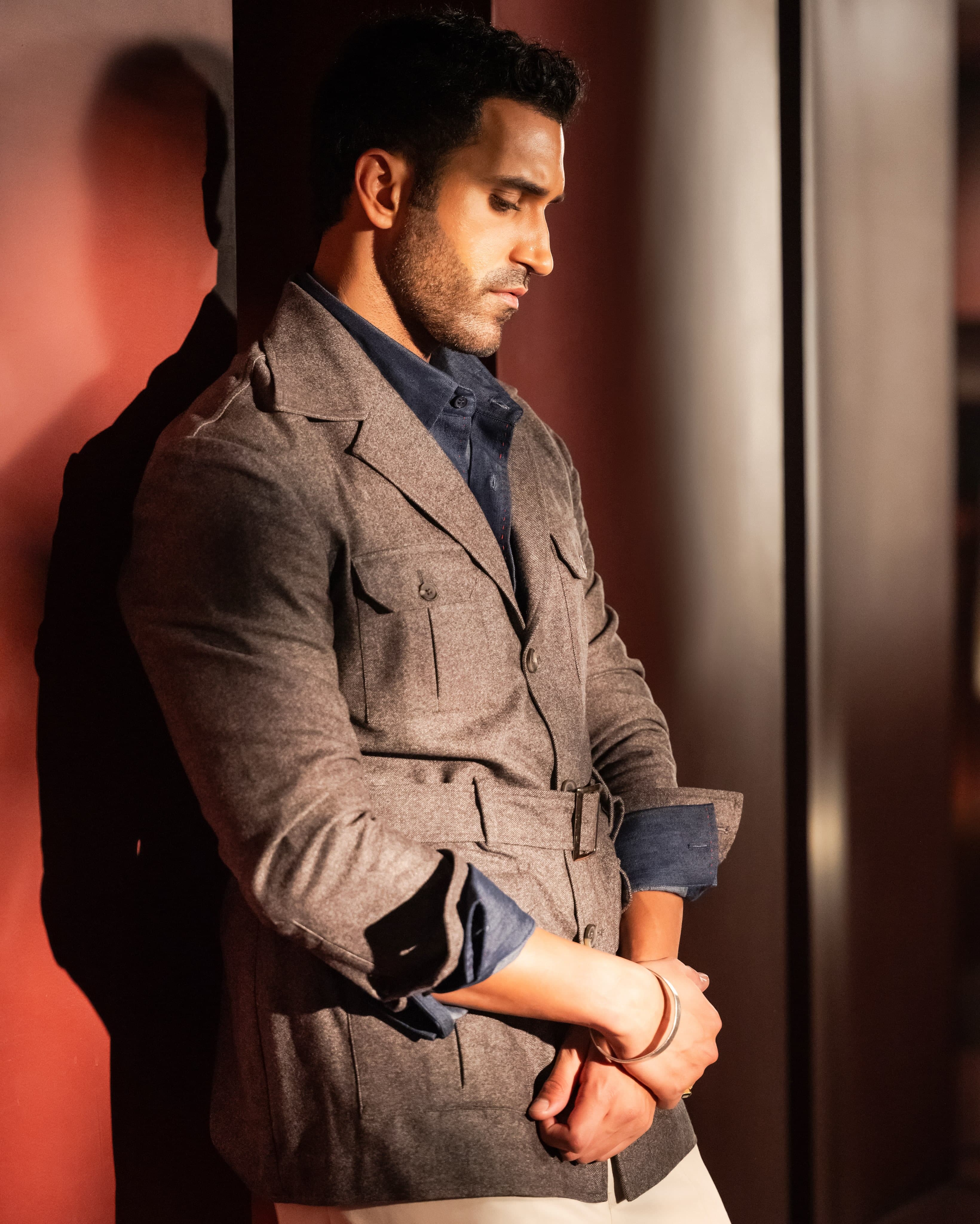
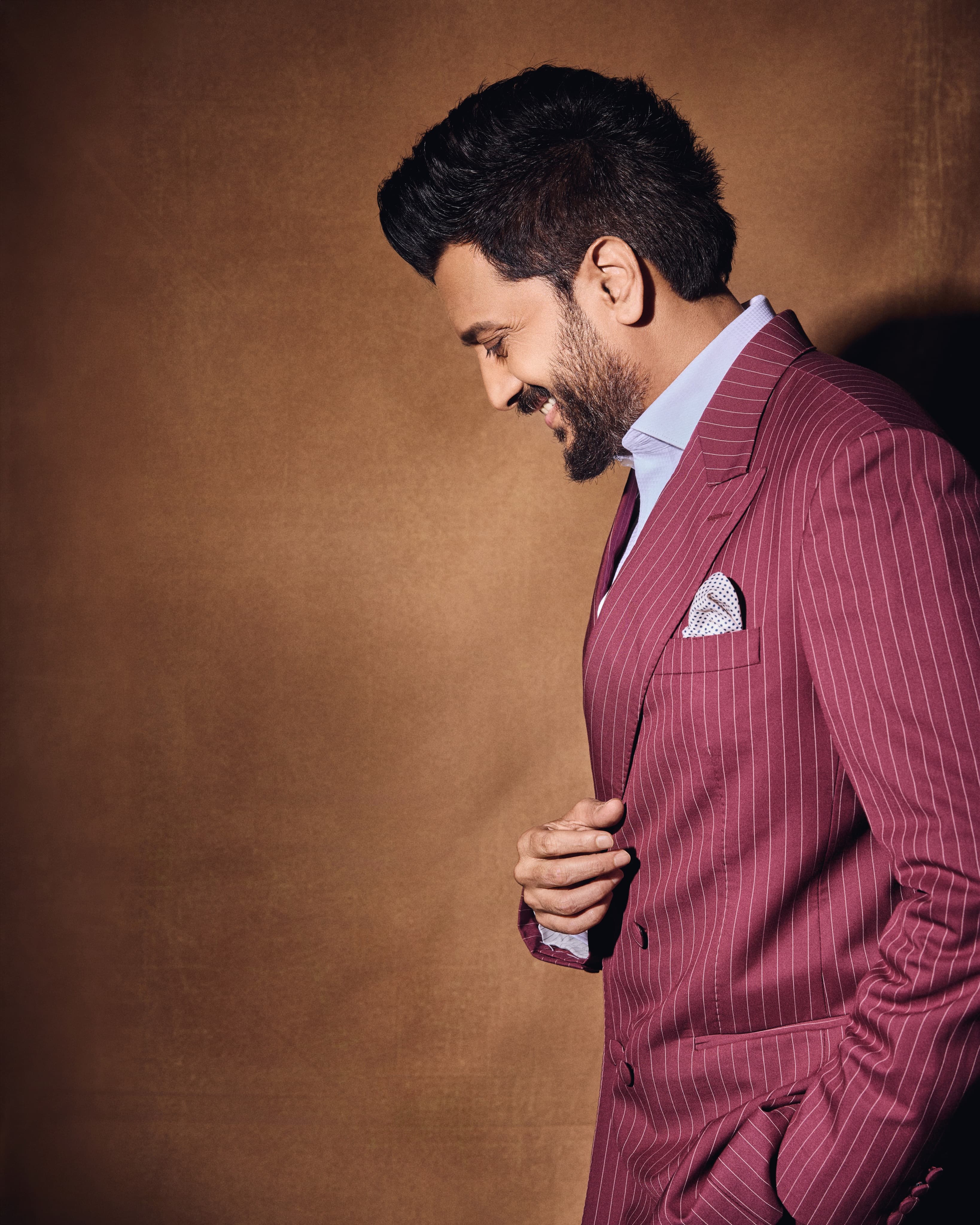
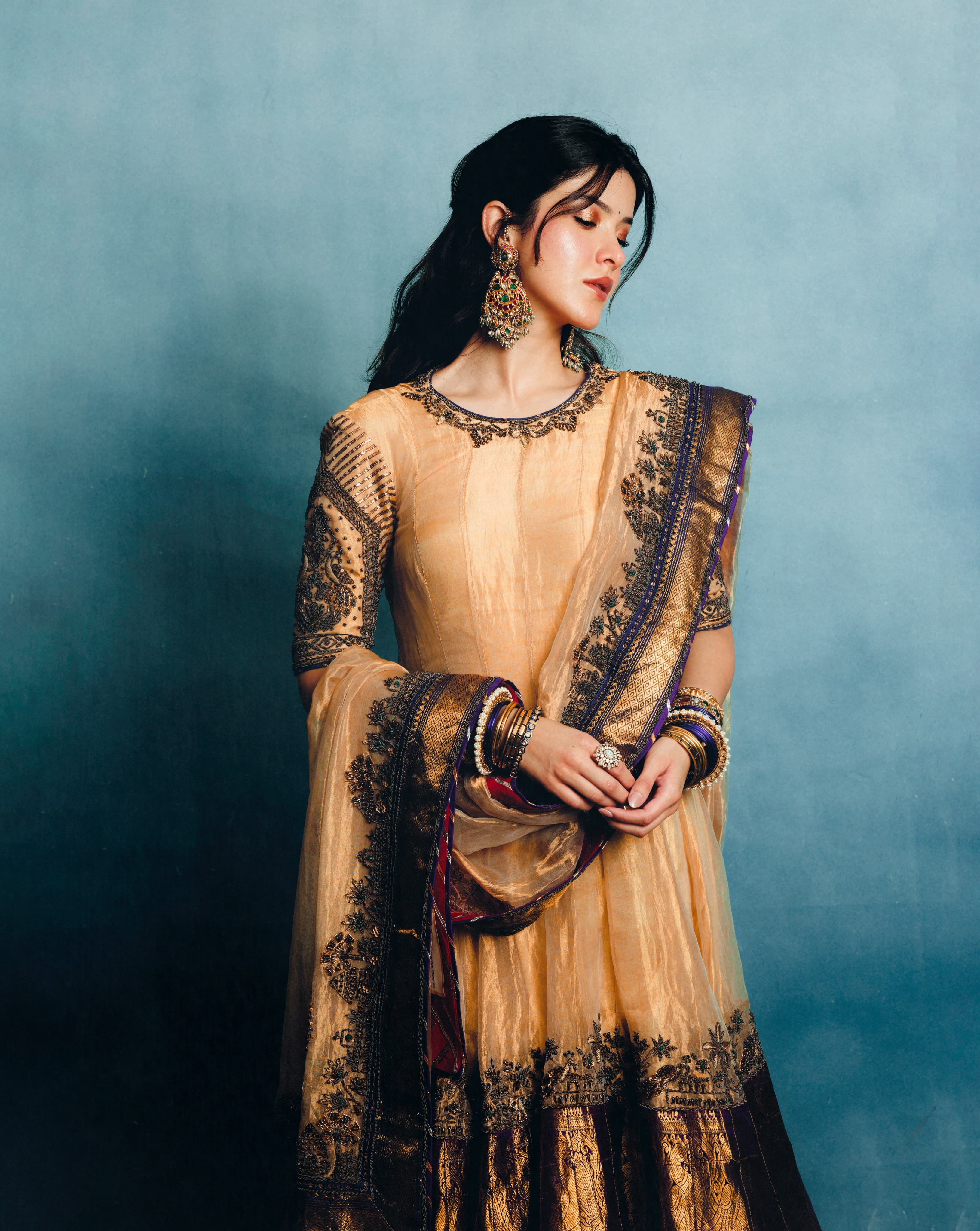
Scroll long enough and you will find it, a tiny bazaar moment captured mid sentence. The caption, “Saje lu t roop ke dukan lagelu,” points to a familiar North Indian compliment, you look like a whole shop of beauty, and then hands the scene to the algorithm with #explore, #viral, and #trending. There is no named boutique, no pinned map, no brand tag that would let us verify a storefront. What we do have are two names attached to the post, Vaibhav Suryavanshi and Manjeet Kumar, and a format that has become its own micro genre: the social media “dukan,” a street level styling setup framed to feel like a discovery.
The “roop ke dukan” aesthetic, now a shareable format

Call it roop ke dukan styling if you need a phrase for it, a quick, camera facing presentation of dress and adornment that borrows from the language of local markets. Whether the setup is a literal stall or a friend’s improvised corner, the appeal is consistent. Clothing is shown close enough to register movement and surface, then pulled back to let posture and expression do the rest. The hashtags do not describe a collection so much as a distribution plan.
In posts like this, roop ke dukan styling is less about selling a specific item and more about turning a look into a clip someone else can forward. The compliment in the caption does the same work as a signboard. It names the feeling, places the subject at the centre, and invites the audience to react in the same vernacular.
What the caption tells us, and what it does not
The most concrete details here are the credited names and the language. “Saje lu” and “roop ke dukan” sit in a Bhojpuri Hindi register that travels easily across reels and short form video, especially when paired with heart and hand emojis. It is a tone that signals affection first, and fashion second.
What it does not give us is the checkable stuff an editor would normally chase: a designer credit, a product name, a city, a shoot location, a shop handle, or even a campaign tag beyond broad discovery hashtags. When that information is missing, the honest read is to treat the post as a marker of a wider behaviour rather than a documented launch.
Why this format keeps winning
There is a practical reason “dukan” language lands. Markets are already a style education. People learn colour, pairing, negotiation, and occasion dressing by watching what moves off a table. When that sensibility migrates onto a phone screen, it becomes a shorthand for abundance and choice. The compliment is not saying you look expensive. It is saying you look full of options.

And for creators, roop ke dukan styling is a flexible container. It can be festive dressing, everyday glamour, or an outfit assembled from whatever is available. The algorithm does not demand provenance. It asks for immediacy, a clear face, a clear silhouette, and a line that viewers repeat.
Names in the caption, visibility in the feed
Vaibhav Suryavanshi and Manjeet Kumar are presented as identifiers in the caption, but without additional context in the post itself, it is not possible to verify roles, whether either is the photographer, stylist, or subject. In the current creator economy, that ambiguity is common. Credits often arrive as tags or name drops because the caption has become a multipurpose field: flirtation, attribution, and distribution strategy all at once.
If you are tracking the trend, the best practice is simple: look for handles, location pins, and repeated series titles across posts. That is where “dukan” content begins to reveal a consistent maker rather than a standalone viral moment.
Original post context is limited to the supplied caption and images, including the tags “#explore,” “#viral,” and “#trending,” along with the names Vaibhav Suryavanshi and Manjeet Kumar. For a broader sense of how discovery hashtags function on the platform, see Instagram’s overview of hashtags at help.instagram.com.
Photo Credits
Images courtesy of their respective owners.