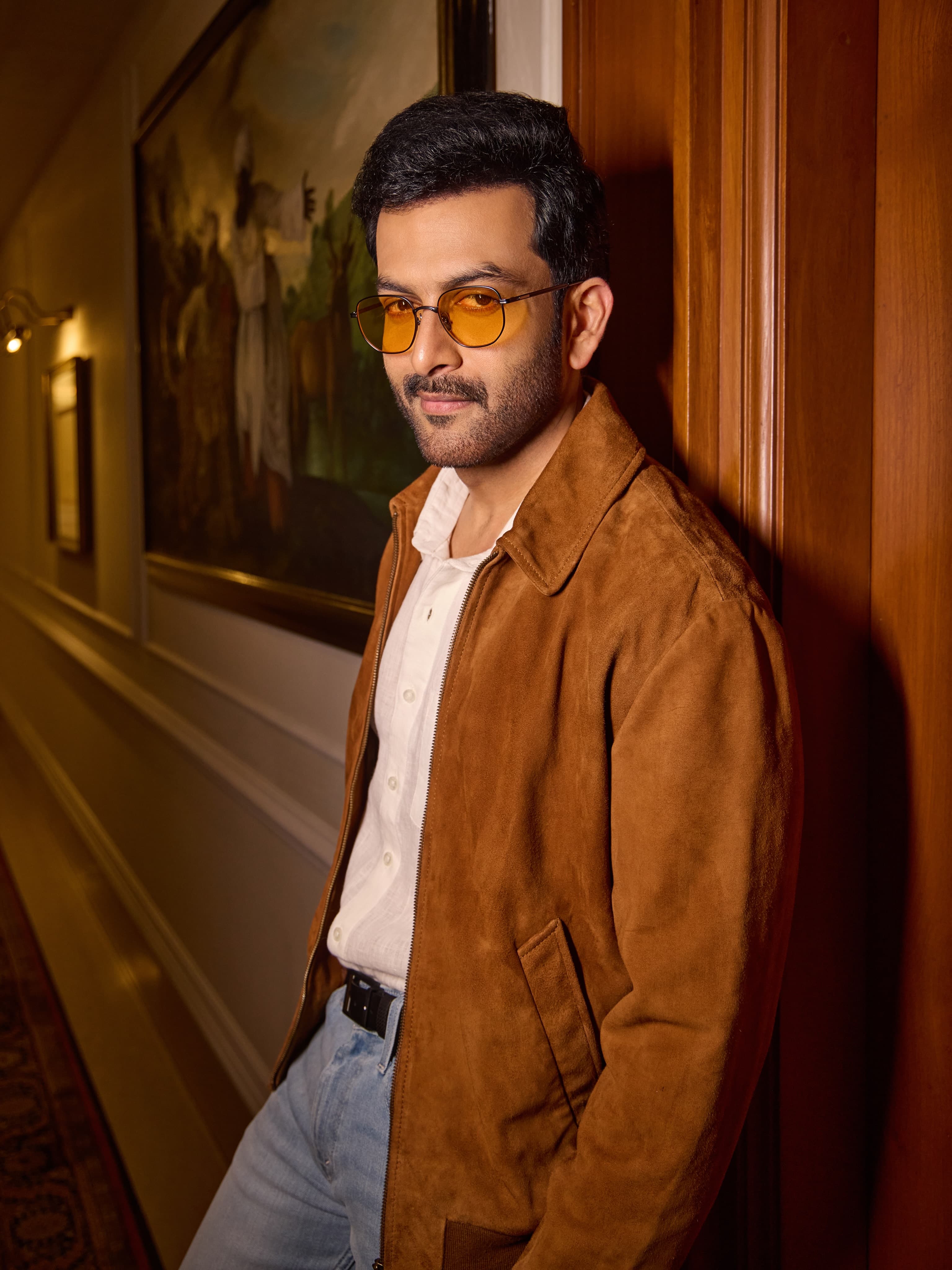
In Indian fashion, it is easy to applaud craft in the abstract, then move on. The Mijwan Welfare Society has spent 15 years insisting on something more concrete: artisanship with wages, visibility, and a stage big enough that celebrities turn up and listen. A recent post marking “15 years of Mijwan” name checks designer Manish Malhotra, artisan advocate Azmi Shabana, and actors Alia Bhatt and Vicky Kaushal, a constellation that tells you exactly how far this initiative has travelled.
What the Mijwan Welfare Society anniversary really signals
The primary keyword here is Mijwan Welfare Society, and the anniversary is more than a round number. The organisation is rooted in Mijwan, a village in Uttar Pradesh, and is closely associated with the late actor and activist Shabana Azmi. Its work is widely linked to women’s empowerment, education, and the long, slow task of turning traditional skills into reliable livelihoods rather than seasonal applause.
Fashion’s most meaningful collaborations do not begin on a moodboard, they begin with infrastructure. When an initiative reaches 15 years, the story stops being about a single show and becomes about continuity: training, community networks, and the patient building of markets for handwork.
Manish Malhotra and the optics of platform
Manish Malhotra’s presence is not incidental. For decades, Malhotra has functioned as a bridge between cinema and couture, with a public-facing ecosystem large enough to turn an artisan story into front-page culture news. The post’s phrasing is pointed, praising Malhotra and Azmi Shabana “for giving these amazing artisans the platform to showcase their talent and art.” Platform is a loaded word in 2026, but fashion still runs on it, who is seen, who is credited, and whose labour becomes legible.
If this moment is part of Malhotra’s broader commitments, his own channels make the case in real time. See Manish Malhotra (@manishmalhotraworld) for official posts and announcements tied to his collaborations and events.
The celebrity factor, used well
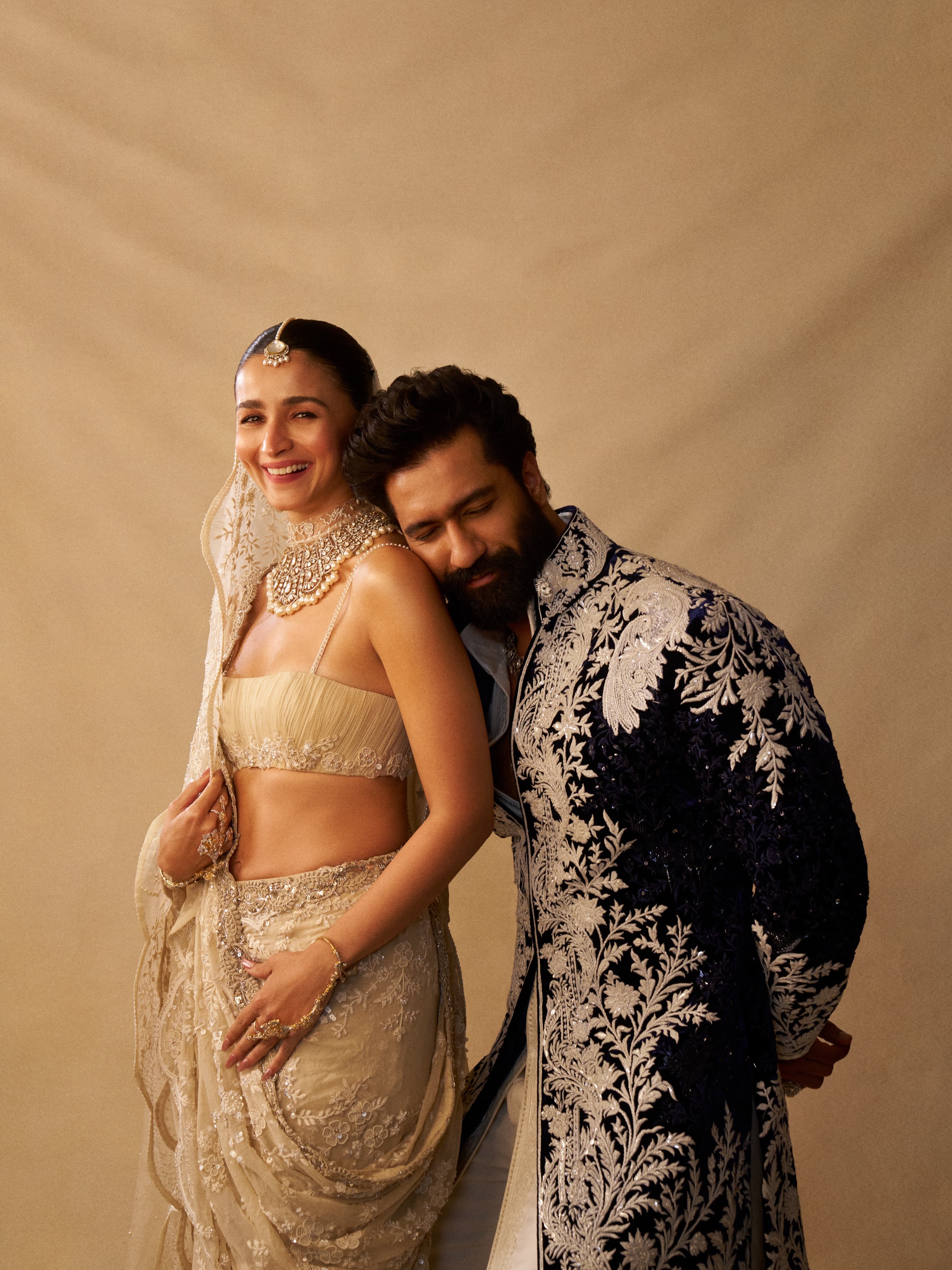
Alia Bhatt’s tag lands like a small signature, and Vicky Kaushal is described with the kind of candid warmth celebrities rarely get in formal press copy: “always fun when you’re around.” That tone matters. It frames the Mijwan Welfare Society anniversary not as a gala where craft is decor, but as a room where people actually know each other. The best advocacy in fashion is relational, it moves through friendships, long-term patrons, and designers who keep returning after the cameras leave.
Why “Mijwan” resonates beyond one night
There is a reason the name Mijwan has stayed in the cultural bloodstream: it ties a specific place to a specific claim. In a global market that loves “heritage” as a texture, Mijwan points to living makers and live consequences. When a craft initiative is sustained for 15 years, it becomes one of the few things in fashion that behaves like a public institution, with memory, systems, and a local centre of gravity.
For readers tracking the Mijwan Welfare Society’s work directly, the organisation’s official presence is the most reliable reference point. Visit Mijwan Welfare Society Youth (@mwsyouth) for updates posted by the initiative and its community.
Fifteen years in, the most interesting detail is not the guest list, it is the endurance: the idea that artisans are not an “inspiration board” but a constituency, one that can gather, celebrate, and keep going.
Photo Credits
Cover image and additional images courtesy of their respective owners.