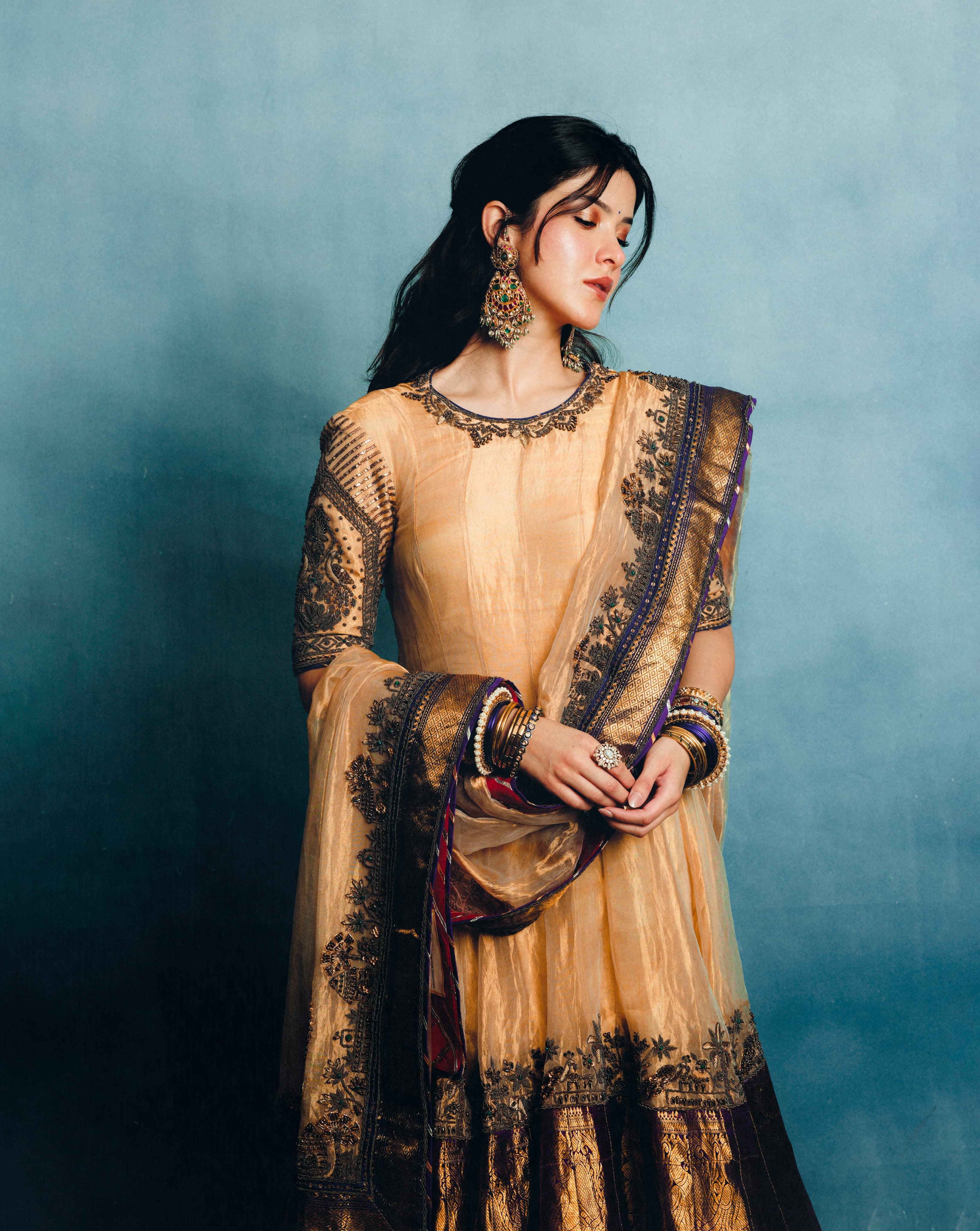
There is a particular electricity to a room that has come together around human hands, not hype. At a recent Swadesh evening, actor Jacqueline Fernandez appeared as the public face of a project that is trying to do something both simple and difficult, to make India’s craft traditions visible to the world without sanding off their depth. The initiative is backed by Nita Ambani and the Reliance Foundation, and it positions Swadesh as a cultural bridge, part showcase, part statement of intent.
Swadesh, and what it is actually building

Swadesh is an initiative associated with Reliance Foundation, the philanthropic arm of Reliance Industries, chaired by Nita Ambani. The ambition is explicit, spotlight India’s heritage and craftsmanship, and connect artisans and craft clusters to wider audiences. That framing matters, because it shifts the conversation away from craft as aesthetic garnish and toward craft as livelihood, knowledge system, and regional identity.
In the captions that travel with nights like these, the language is always big, “soul of India”, “timeless craftsmanship”. The more useful read is to treat Swadesh as a platform, one that can convene visibility, patronage, and contemporary demand in a single room. Whether that translates into sustained, fair conditions for makers is the question that should follow every photo call.
Why Nita Ambani and Reliance Foundation’s patronage changes the stakes
Indian crafts have never lacked romance. They have often lacked infrastructure that is patient enough to match the pace of skilled work, and powerful enough to protect it from being copied into oblivion. When a project is tied to Reliance Foundation, it arrives with scale, access, and a communications engine that can make the words “handcrafted in India” travel further than a niche audience.
That also means accountability becomes part of the story. The best outcomes for a platform like Swadesh look tangible, artisan crediting that is consistent, transparent sourcing, and long term market links rather than one off moments. Even when an evening is designed for glamour, the craft deserves to be named, located, and contextualised.
Jacqueline Fernandez as the messenger
Celebrity participation can easily flatten craft into backdrop. It can also, when handled with care, widen the circle of people who pay attention. Jacqueline Fernandez’s presence places Swadesh in a contemporary, public facing frame, the kind that reaches beyond collectors and into the mainstream fashion conversation.
What works best about this pairing is that it keeps the focus on artisans as protagonists. The point is not to treat craft as costume, but to make the origin story harder to ignore, who made it, where it comes from, and what techniques it carries forward.

Where this sits in the larger luxury conversation
India’s luxury story is often told through international maisons and red carpet dressing. Swadesh invites a different angle, that heritage can be a living supply chain, and that “India made” can signal mastery, not mass replication. If you have been watching the renewed interest in heirloom techniques across fashion and jewellery, projects like this are the connective tissue between museum admiration and modern demand.
For now, the evening functions exactly as it should, a spotlight. The next chapter, the one worth following, is how consistently that spotlight stays trained on the people whose work cannot be rushed, automated, or separated from place.
Reliance Foundation identifies itself as the philanthropic arm of Reliance Industries and is chaired by Nita Ambani.
Reliance Industries Limited lists and describes Reliance Foundation within its group ecosystem.
Photo Credits
Images courtesy of their respective owners.