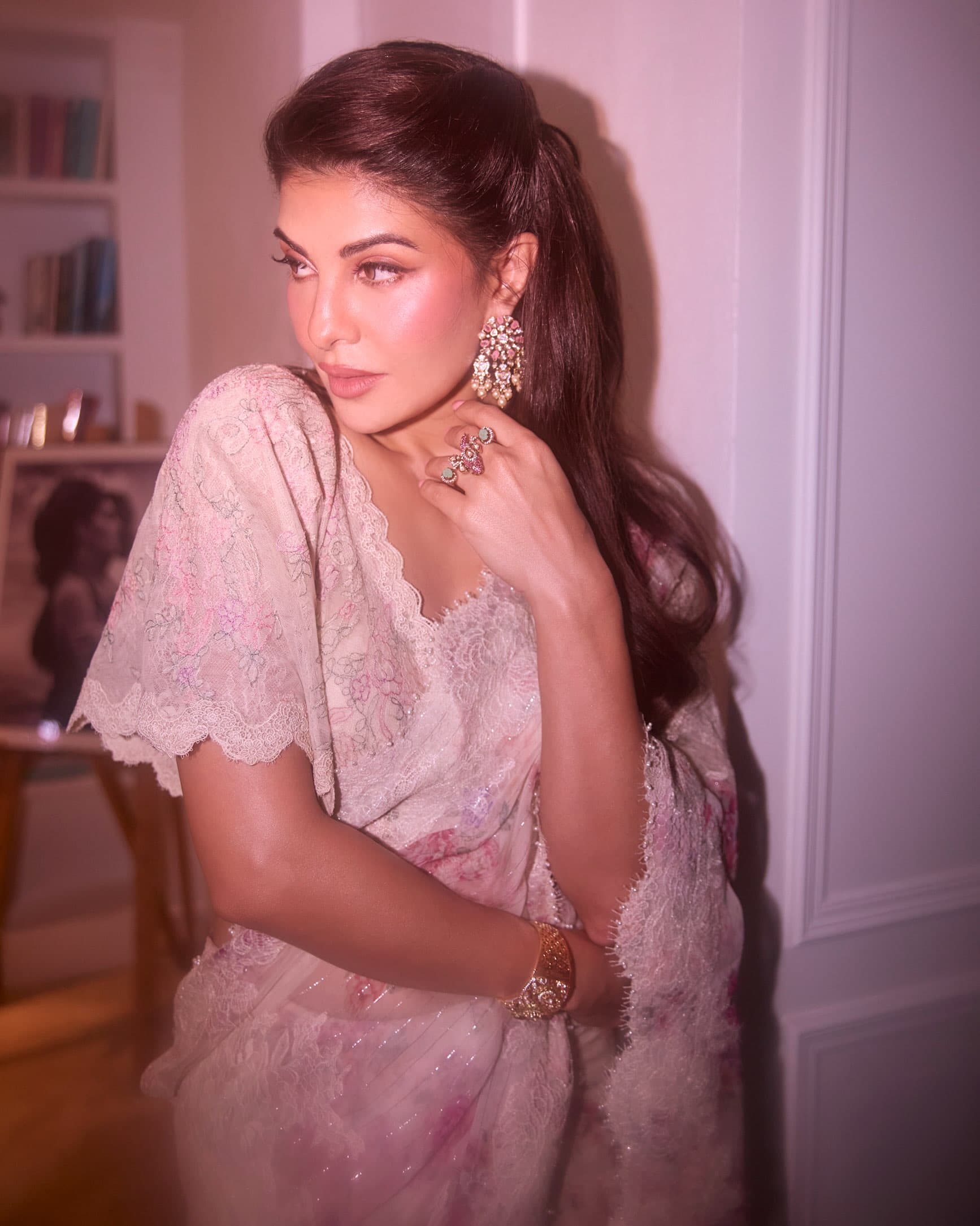
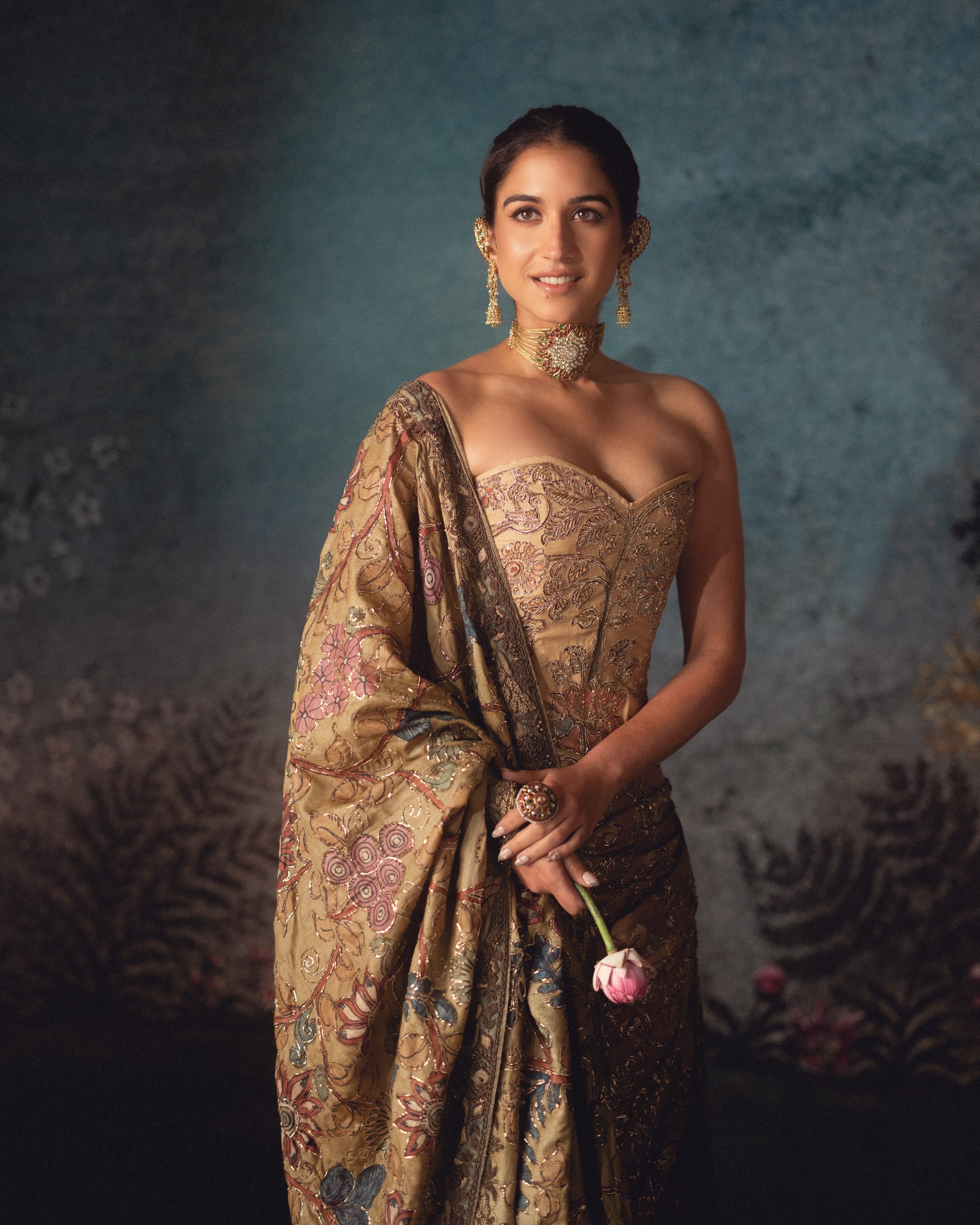
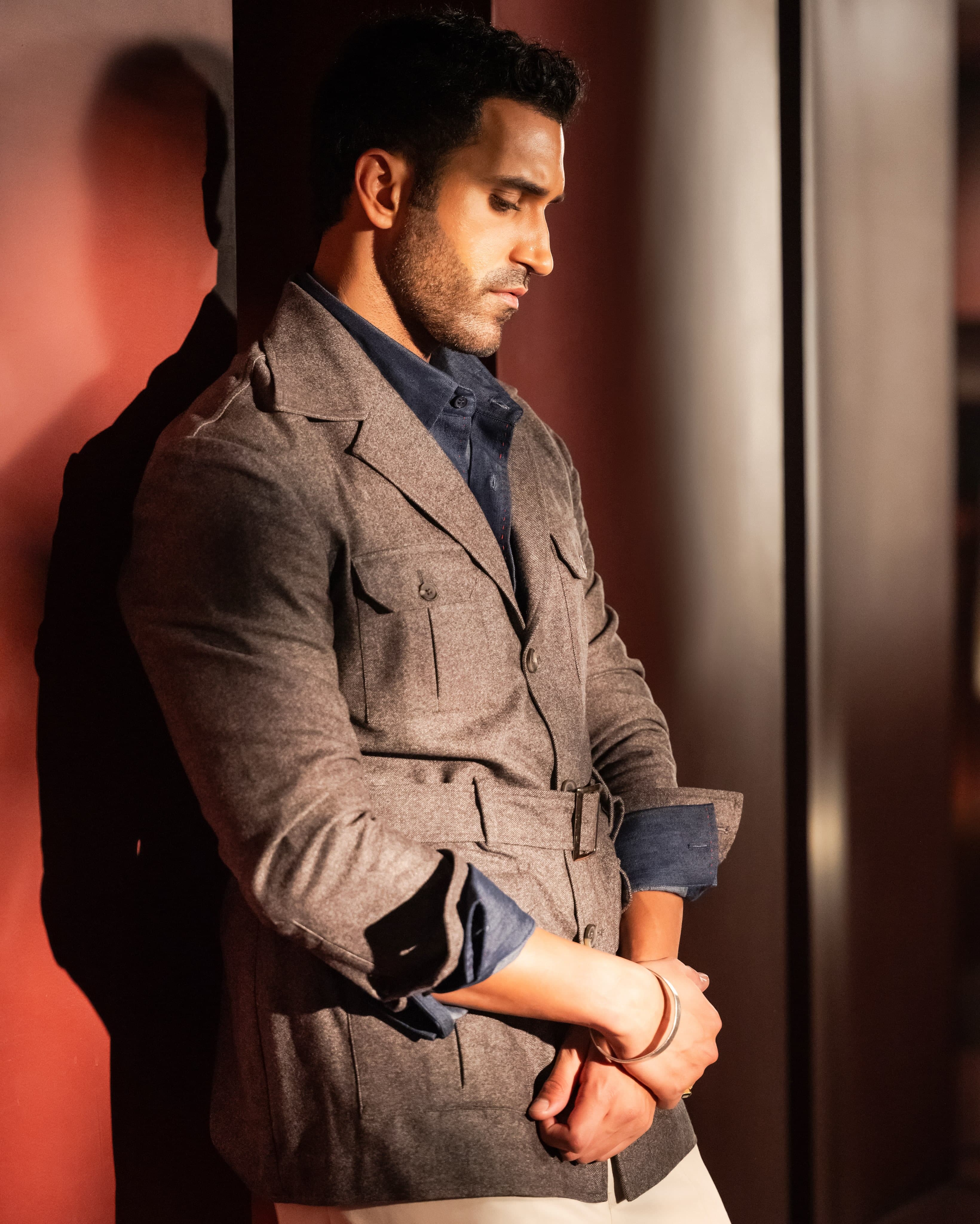
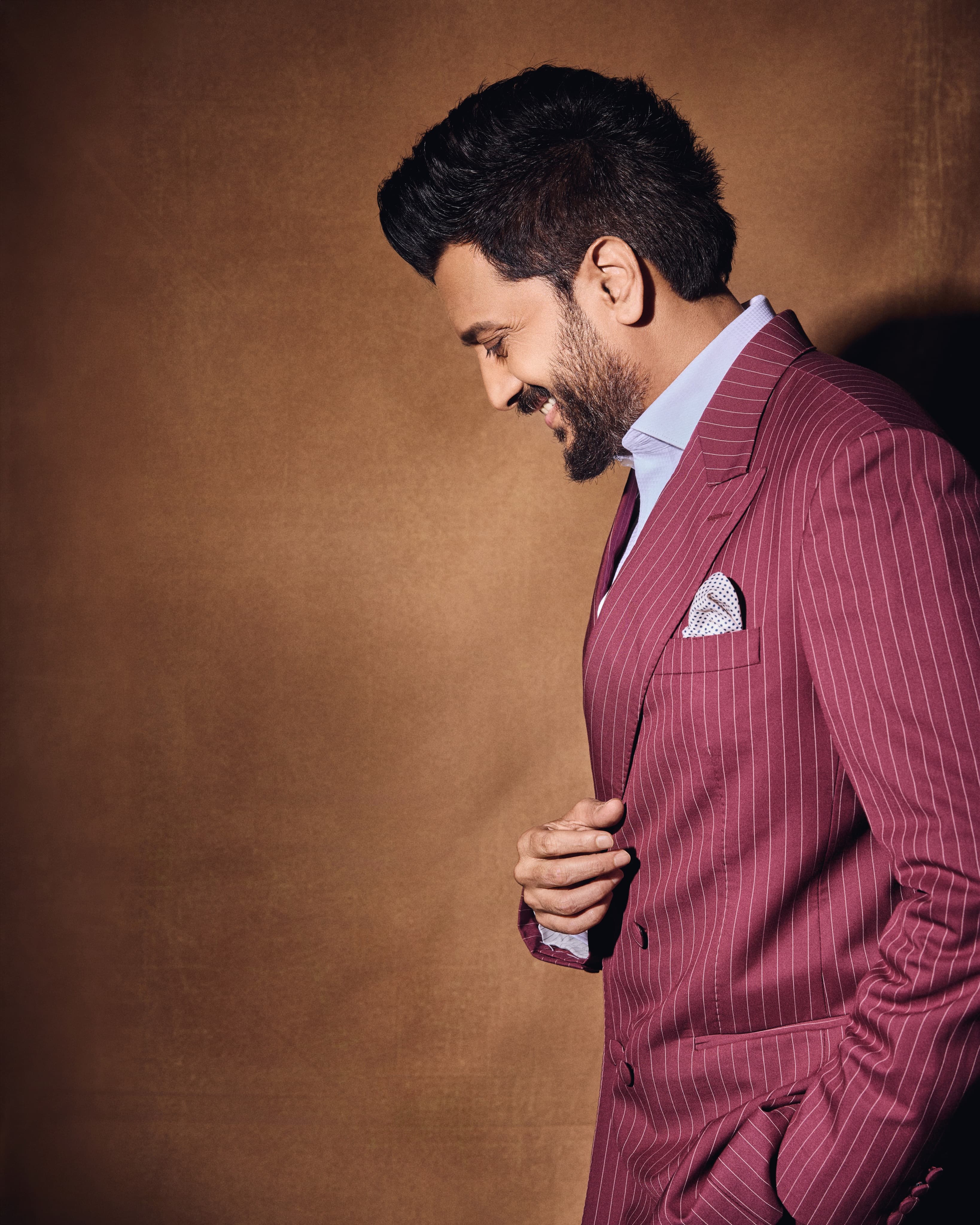
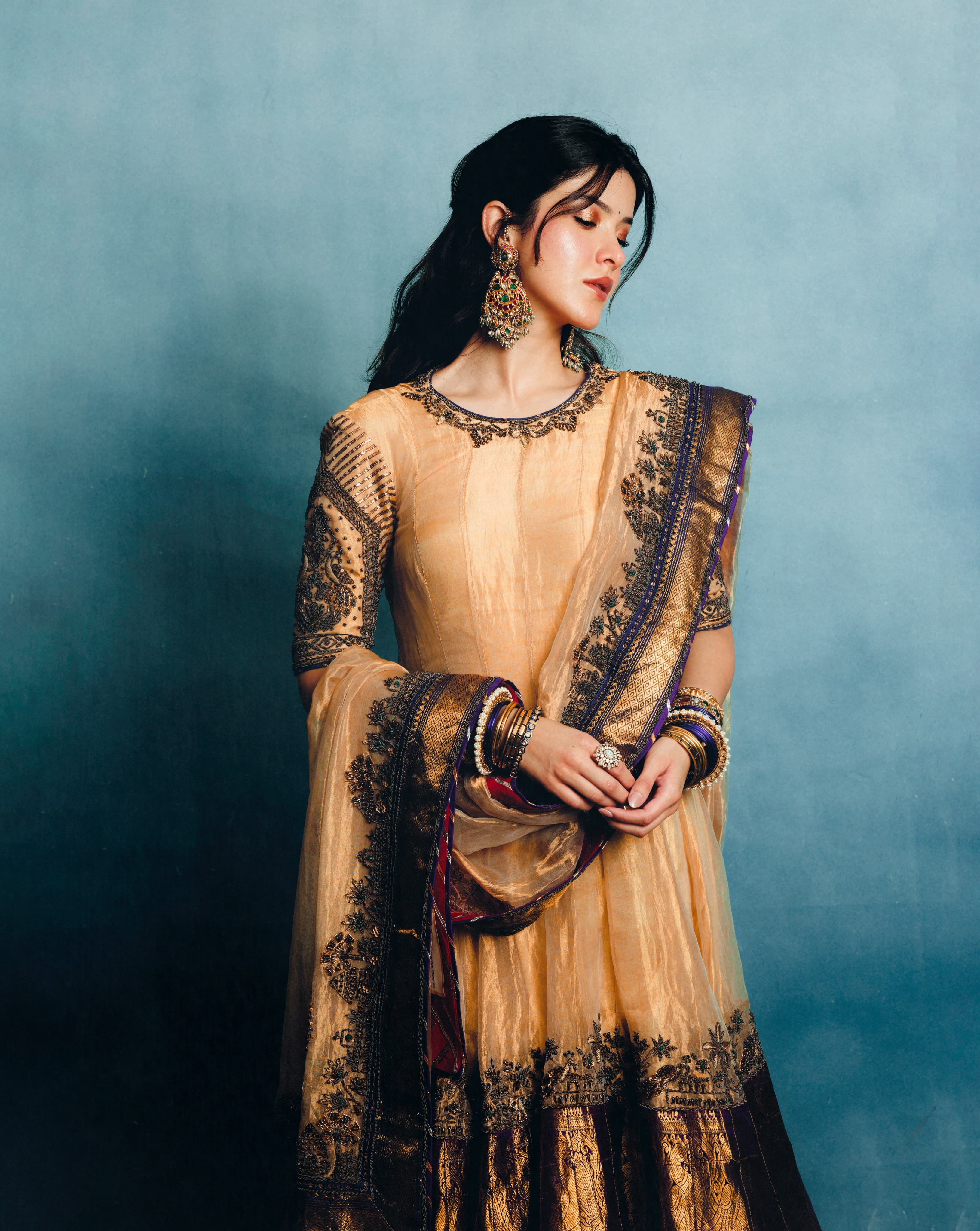
There is a particular pre event stillness to backstage portraits, the moment before a contestant steps into the Miss World Head to Head Challenge and the talking stops being hypothetical. In new images shared by Miss World India Nikita Porwal, that threshold is staged with intent, a clean frame, jewelry that holds the light, and a team list that reads like a small production credit roll rather than a quick outfit post.
What the Miss World Head to Head Challenge actually tests


Within Miss World’s competition structure, the Miss World Head to Head Challenge is designed to foreground voice and point of view, giving contestants time to articulate what they stand for beyond choreography and catwalk. Porwal’s caption is frank about the appeal, “A chance to share what I believe in, listen to incredible women from around the world and let the world know a little more about who I am beyond the sash.” The phrasing matters, it places the challenge in the realm of conversation and listening, not simply performance.
Miss World’s official channels position Head to Head as part of the event program, alongside other fast track components that can shape a contestant’s trajectory through the contest. The mechanics shift year to year, but the premise remains consistent, the mic is the point. For the pageant watching public, it is often where charisma becomes legible without a costume change to do the heavy lifting. Details on the competition format and its challenge segments are outlined by the organization at MissWorld.com.
A look built by credits, not mystery
Fashion posts often bury the labor, or avoid it altogether. Here, Porwal does the opposite and tags everyone, designer Line Tribe, fashion director Lakshmi Rana, fashion stylist Laksha Singh, and jewelry by Amama Jewels. The images themselves prioritize polish over spectacle, with a portrait mentality that suits the premise of Head to Head, the face and posture doing as much work as the outfit.
There is also an unusually explicit acknowledgment of physical coaching, a “posing expert” credit, which signals how pageant presentation has become increasingly technical. It is not only about a signature walk anymore. It is shoulder angle, hand placement, the single second where energy has to read as directness even in a still photo.
Jewelry as punctuation
In these frames, the jewelry is not an afterthought. The pieces from Amama Jewels are styled as punctuation marks, scaled to register on camera and placed to draw the eye back toward expression. That choice aligns with the stated aim of the Miss World Head to Head Challenge, a segment where words are meant to land, and visuals should support rather than compete.
Why this moment matters for Miss World India right now
The Head to Head segment tends to be where national narratives get edited into something personal. “Who I am beyond the sash” is a common aspiration, but it becomes meaningful only when a contestant commits to specificity. Porwal’s post suggests she is thinking about that translation, how to speak to an international audience without sanding down the edges of what she believes.
And in an era when audiences are quick to treat pageants as pure aesthetics, the Miss World Head to Head Challenge offers a different texture, less runway, more interview, less climax, more conversation. If you follow how contestants calibrate image and message across competitions, our Celebrity and Culture sections track the public facing side of that work.
Photo Credits
Cover image and additional images courtesy of their respective owners. Creative team credited by Nikita Porwal: Designer Line Tribe, Fashion Director Lakshmi Rana, Fashion Stylist Laksha Singh, Jewellery Amama Jewels, Photography Jeet Gohil, Hair and Makeup Ankita Chikara, Hair Assistant Faizal Khan, Posing expert Ally.