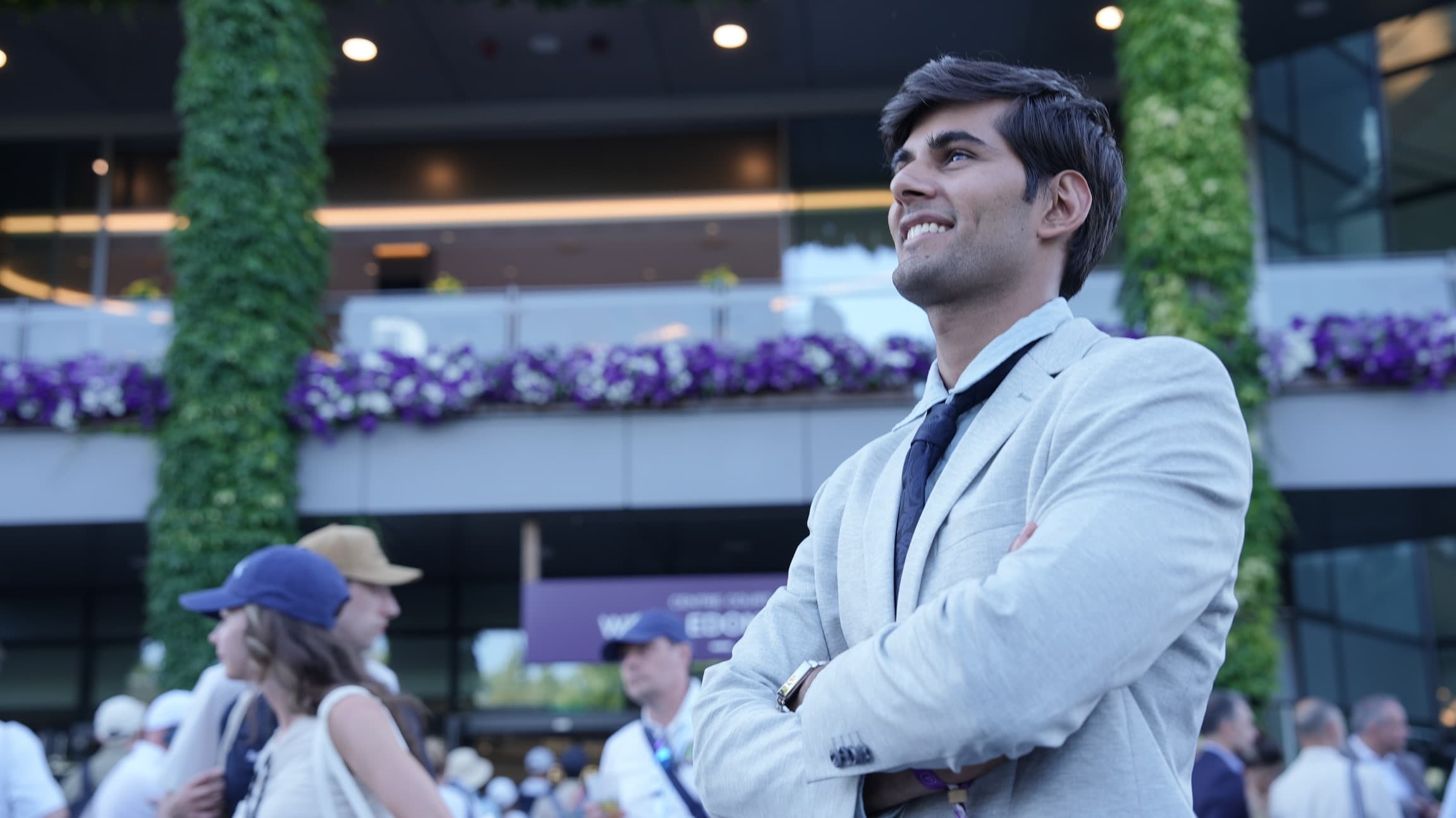
“This is for the ones who kept believing in me.” It is the sort of caption that can feel like a closing line, but at Wimbledon it also plays as an opening move. The tournament has always rewarded the long game, not only in baseline rallies and five set math, but in the private economies around it: practice courts at odd hours, friends who keep showing up, and the small rituals that turn a Wimbledon matchday into something worth remembering.
Wimbledon matchday, in the city that makes you earn it
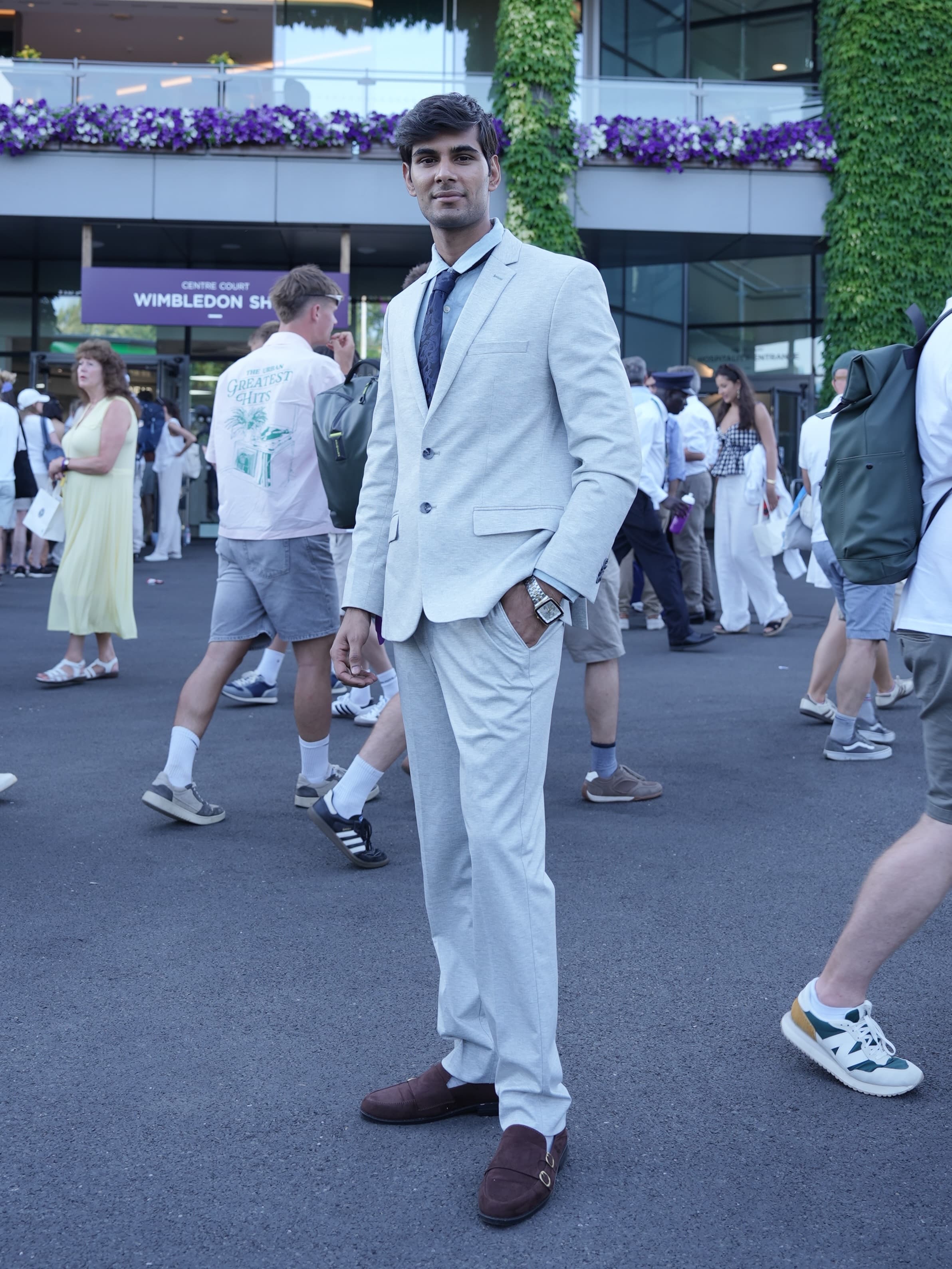
London has a particular talent for compressing a big day into smaller, sharper moments. A morning train platform. A queue that behaves like choreography. A wristband checked twice. Then, suddenly, grass courts so vivid they look engineered rather than grown, and the soundscape shifts from Underground announcements to the soft punctuation of applause.
That is the mood your caption evokes, less a victory lap than a thank you note written in public. “#matchdayVijay Kumar” and “#vijay3guy” suggest a personal campaign, a diary-in-hashtags, and the simple insistence of turning up again. In tennis, faith is rarely cinematic. More often it is logistical, someone saving a seat, someone filming a serve, someone listening to the same story for the tenth time and still answering the phone.
Why Wimbledon still carries cultural weight
For all its tradition, Wimbledon remains a live barometer of what sport looks like when it becomes culture. Its rules and aesthetics are unusually codified, famously including an all white clothing requirement for players. That single constraint has turned kit details into high stakes decisions, with trims, textures, and cuts doing the expressive work that bright colours usually handle. The Championships also keep an outsized influence on summer travel, hospitality, fashion buying, and the social calendar, because a Wimbledon matchday is not only about who wins. It is about how people want to be seen while caring.
If you are posting from London with #wimbledon, you are tapping into that layered meaning, sport as pilgrimage, and a city that turns attendance into a narrative. That may be why your gratitude lands. At Wimbledon, the crowd is never just a crowd. It is a witness.
A quick reality check on the tournament itself
Wimbledon is staged at the All England Lawn Tennis and Croquet Club in Wimbledon, London, and it is played on grass, a surface that keeps points fast and punishes hesitation. Those are not trivia details. They shape the way the day feels in real time. Grass rewards first strikes, confidence, and decisions made early, which makes “kept believing” sound less like poetry and more like training.
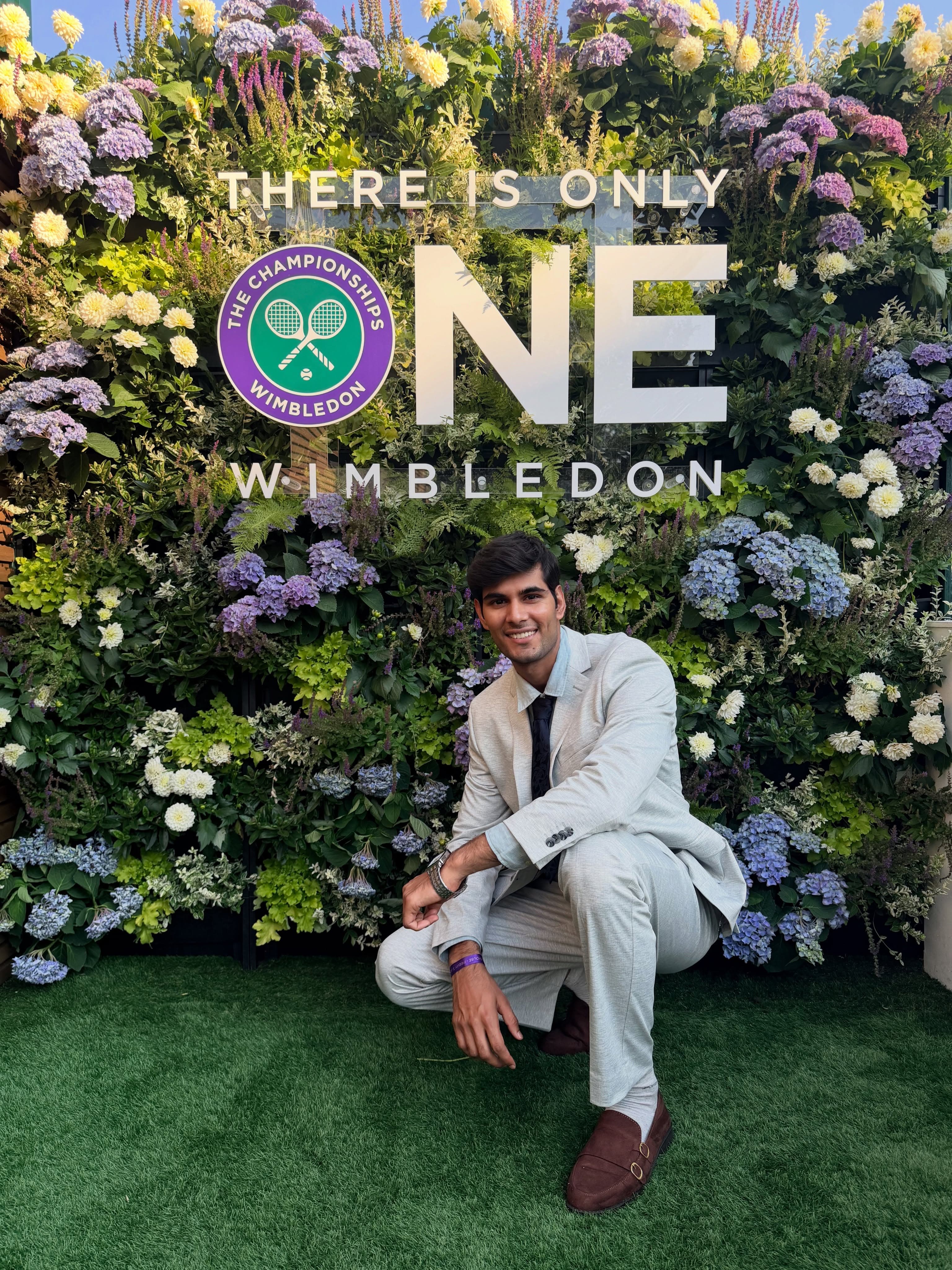
For tournament basics, including how The Championships are presented officially, the All England Club maintains the event site here: wimbledon.com.
How to make the memory last, beyond the post
The best souvenir from a London tennis day is not always a programme or a photo in front of signage. It is the sequence you can replay later: the particular seat angle, the first glimpse of Centre Court, the way a game can swing on one second serve. If your caption is a dedication, give it a second life. Write down the match detail you will forget first, the opponent, the scoreline, the moment you felt your own nerves spike. That is the material your future self will thank you for.
And if you are building a personal archive around the sport, keep it precise. Names, rounds, courts, dates. Tennis devotion becomes compelling when it is documented like a life, not performed like an ad.
For official information on venue access and travel guidance tied to the tournament, London’s transport network publishes its own updates here: Transport for London.
Photo Credits
Images courtesy of their respective owners.