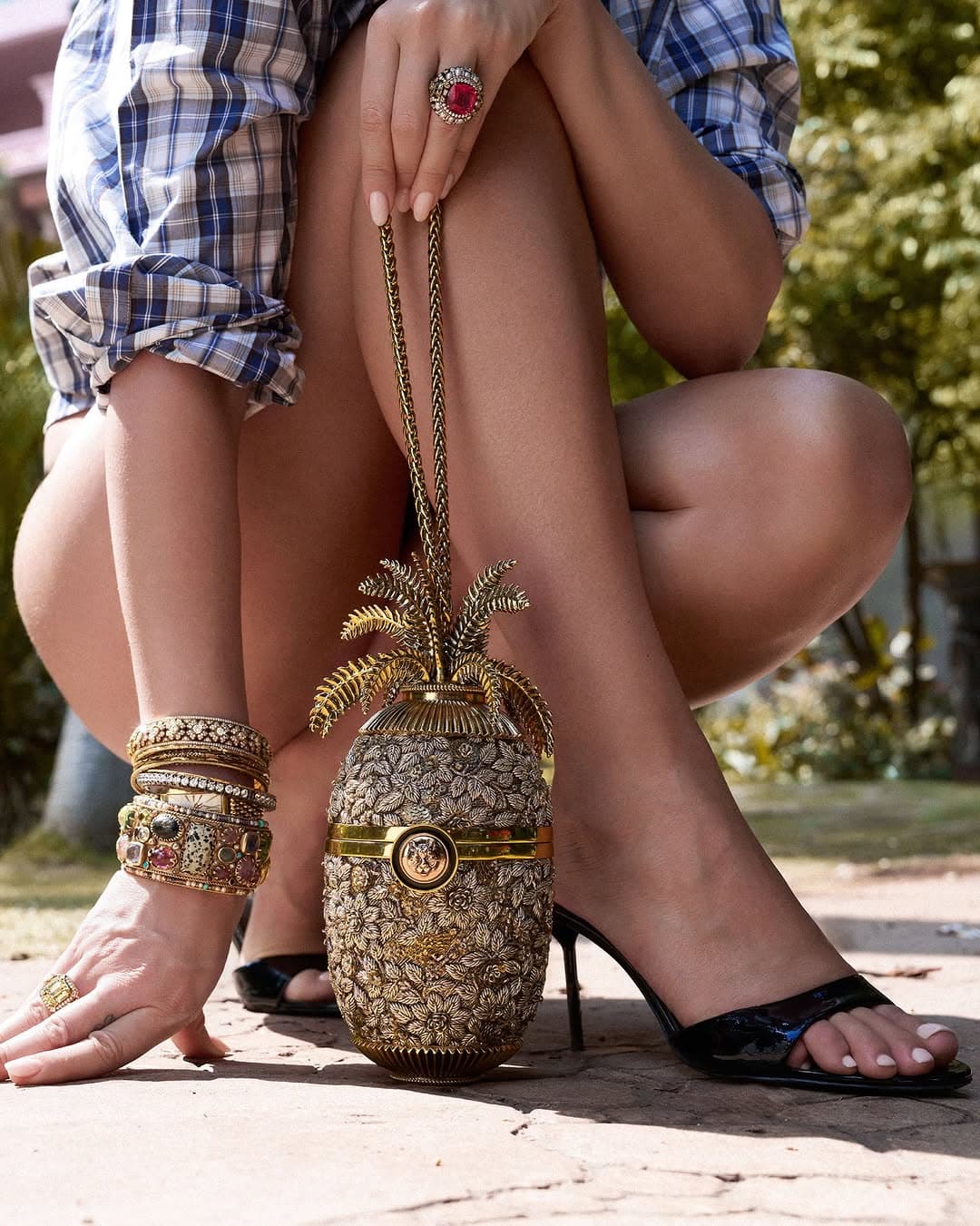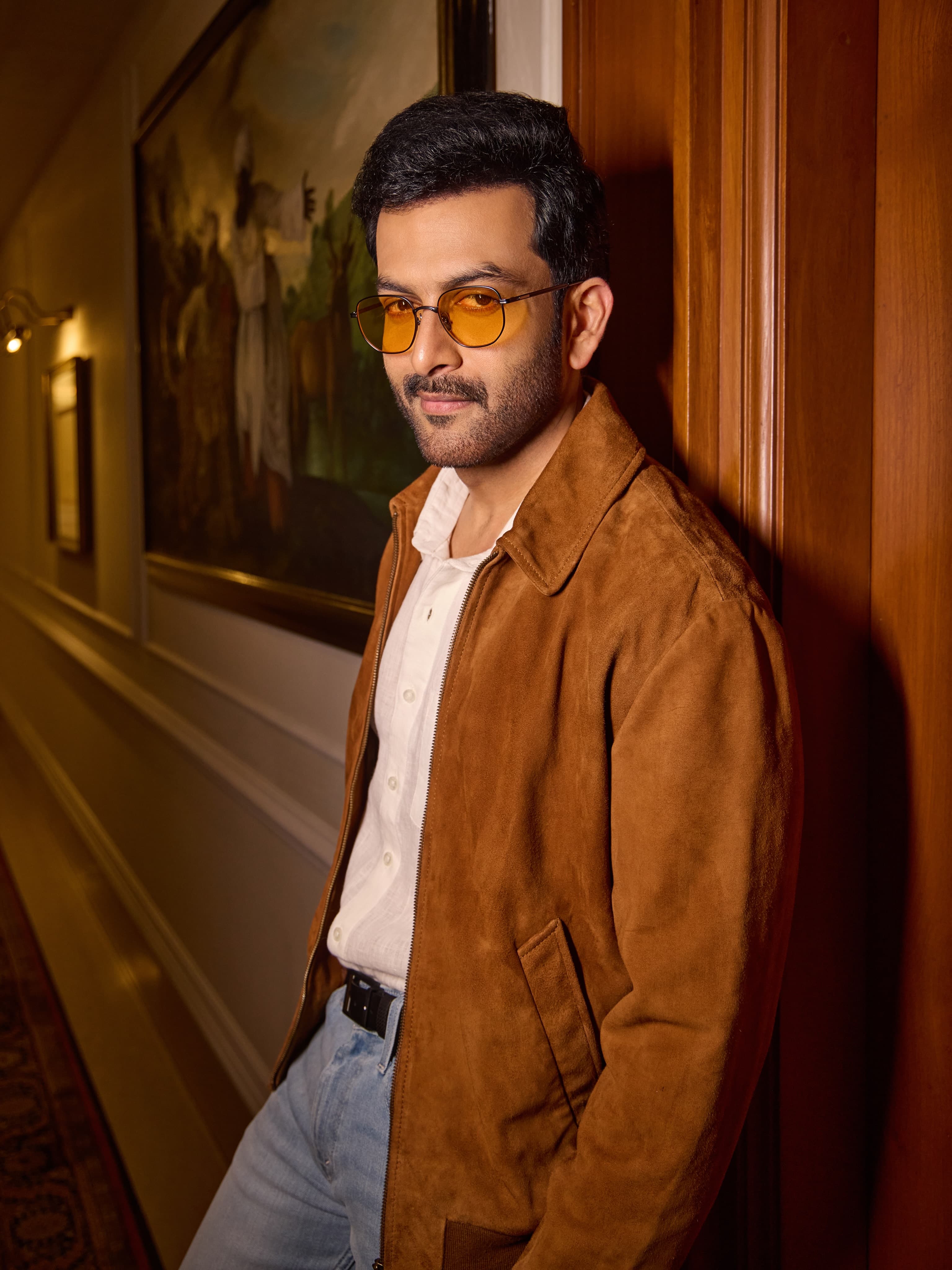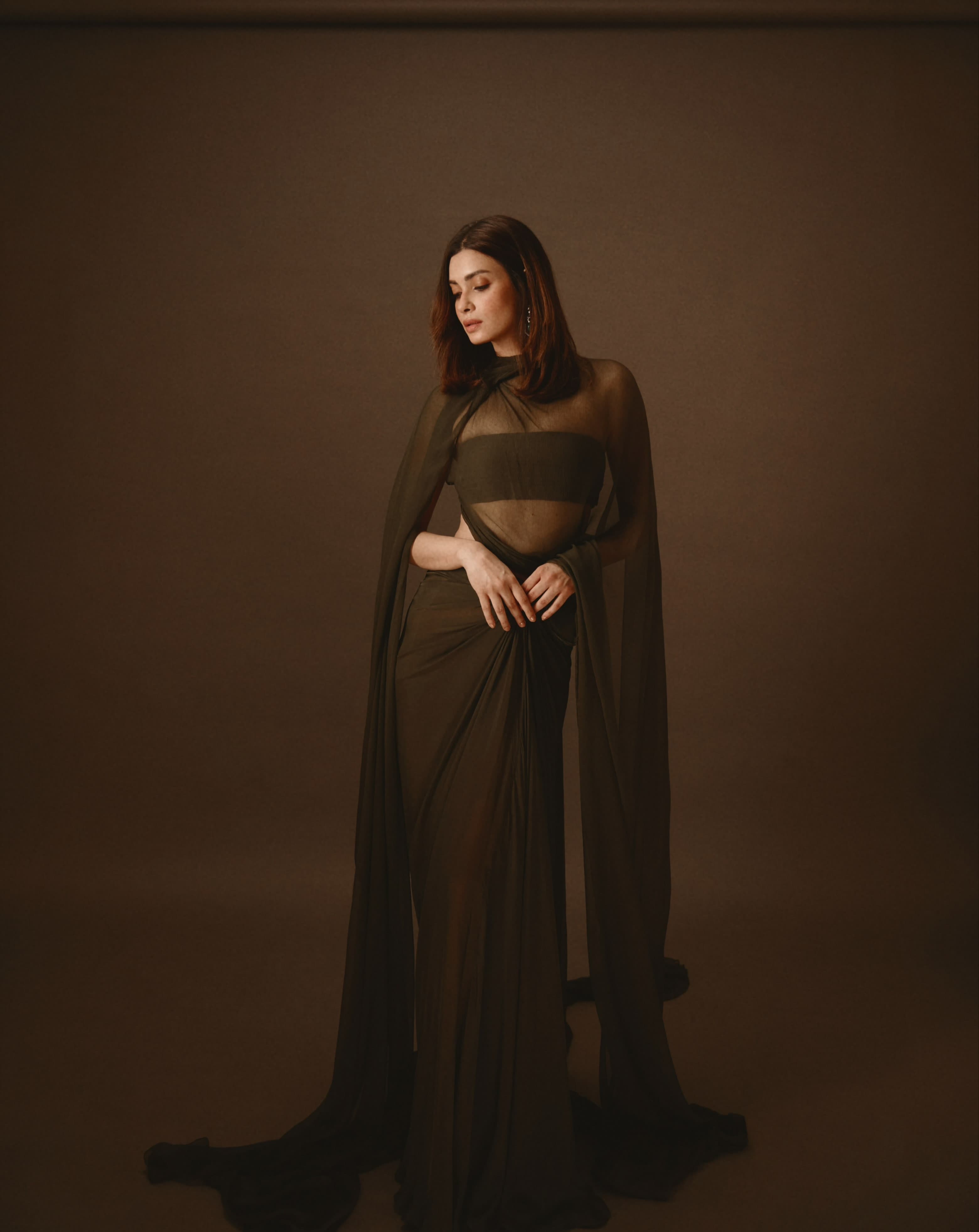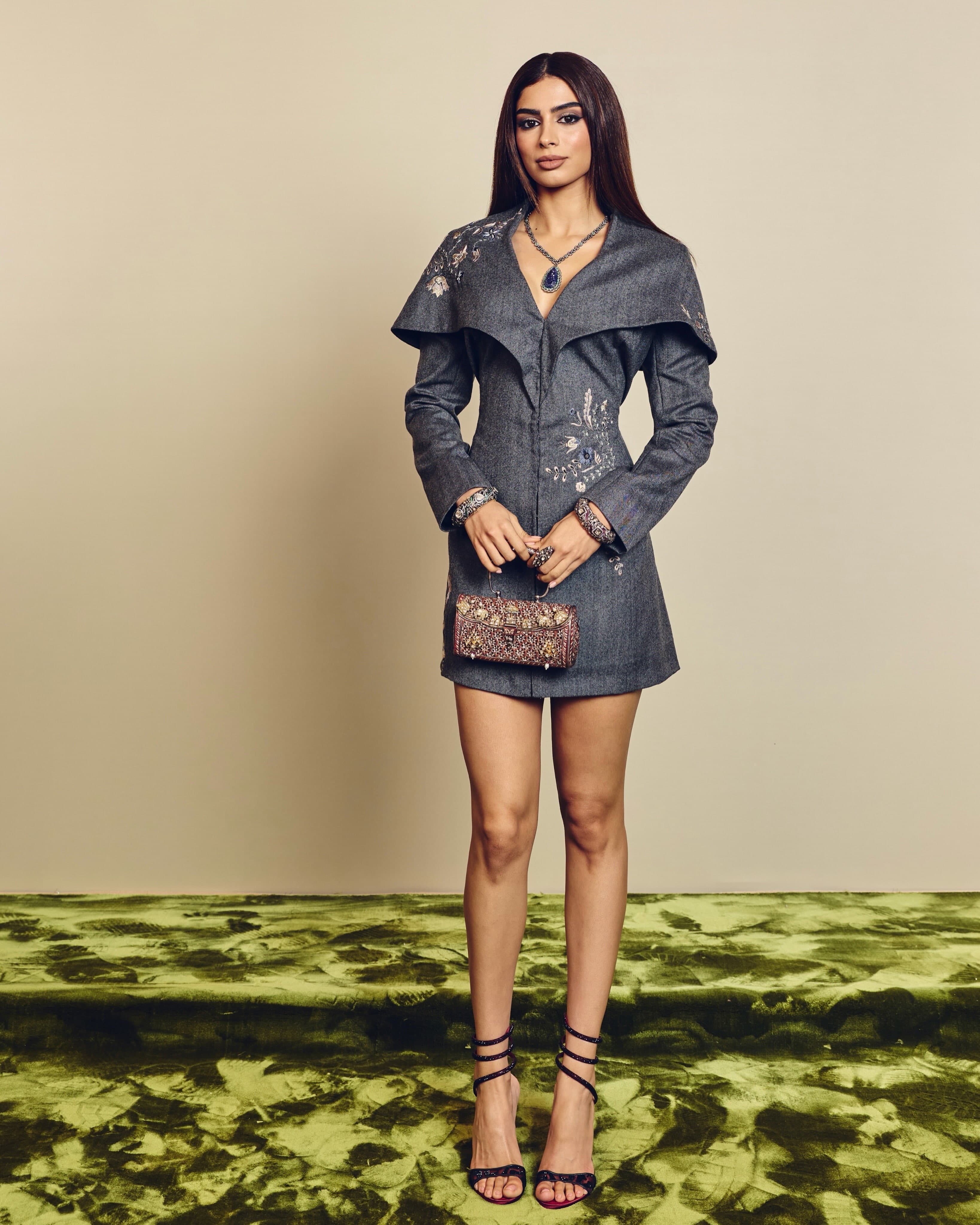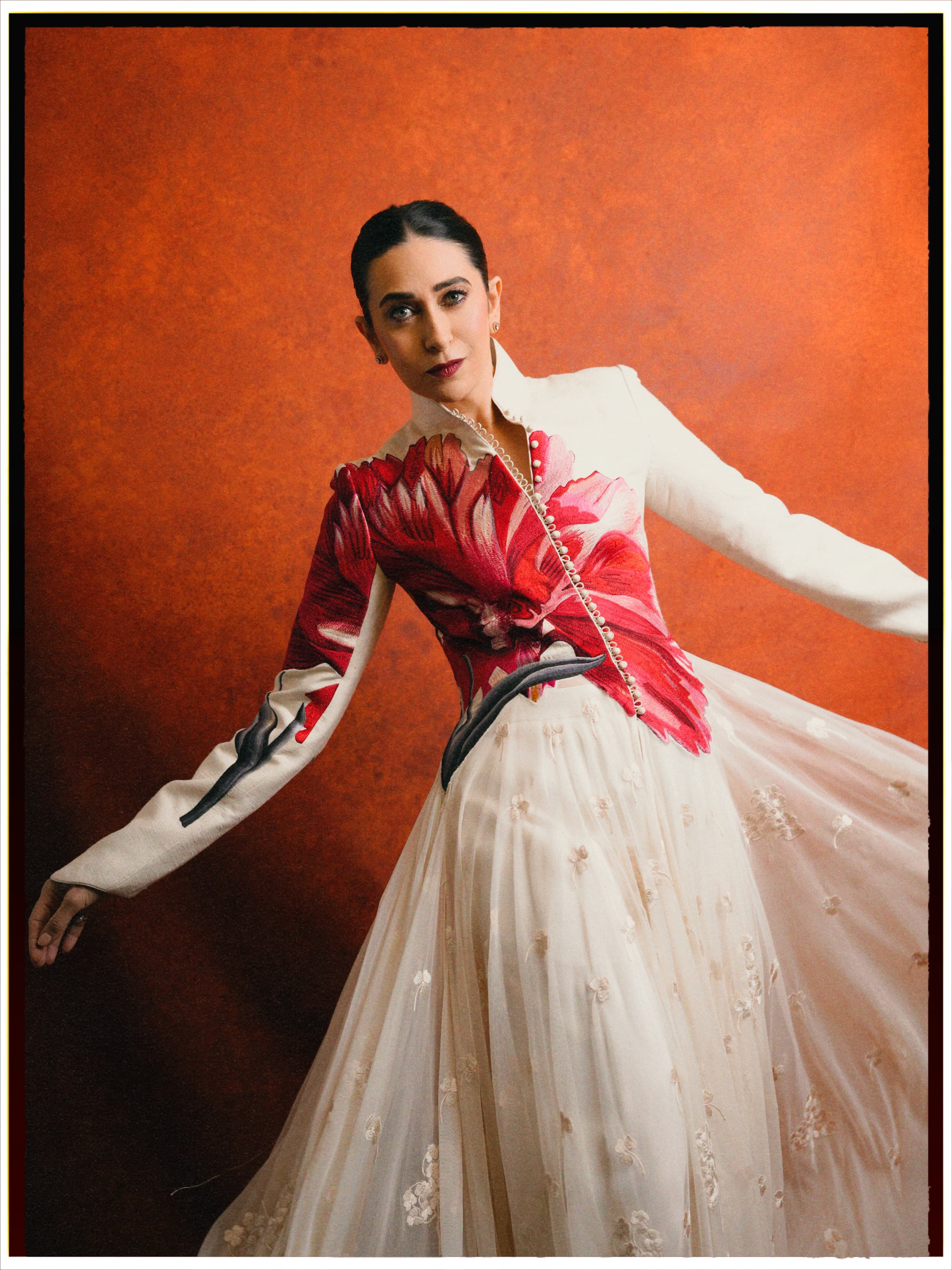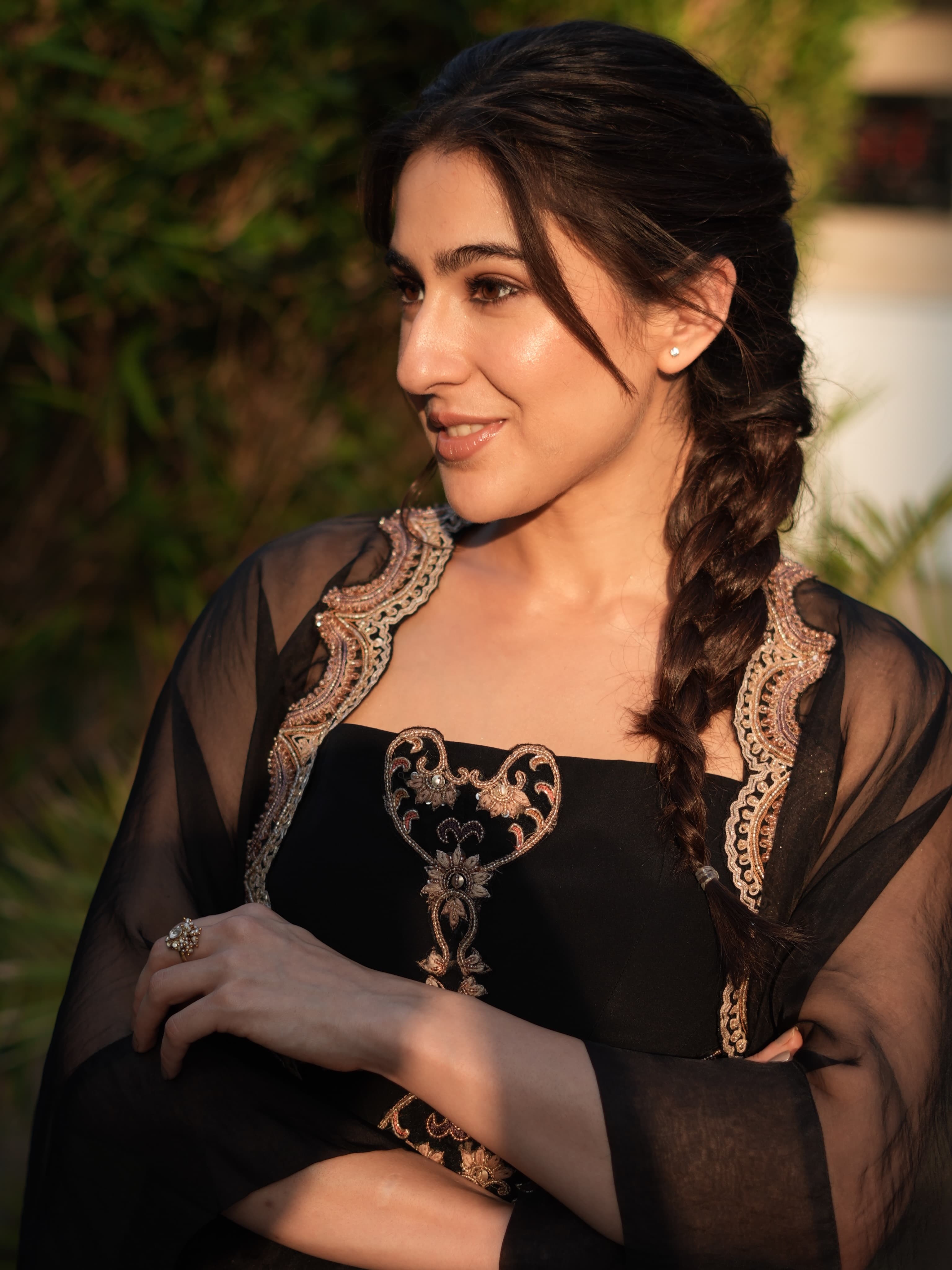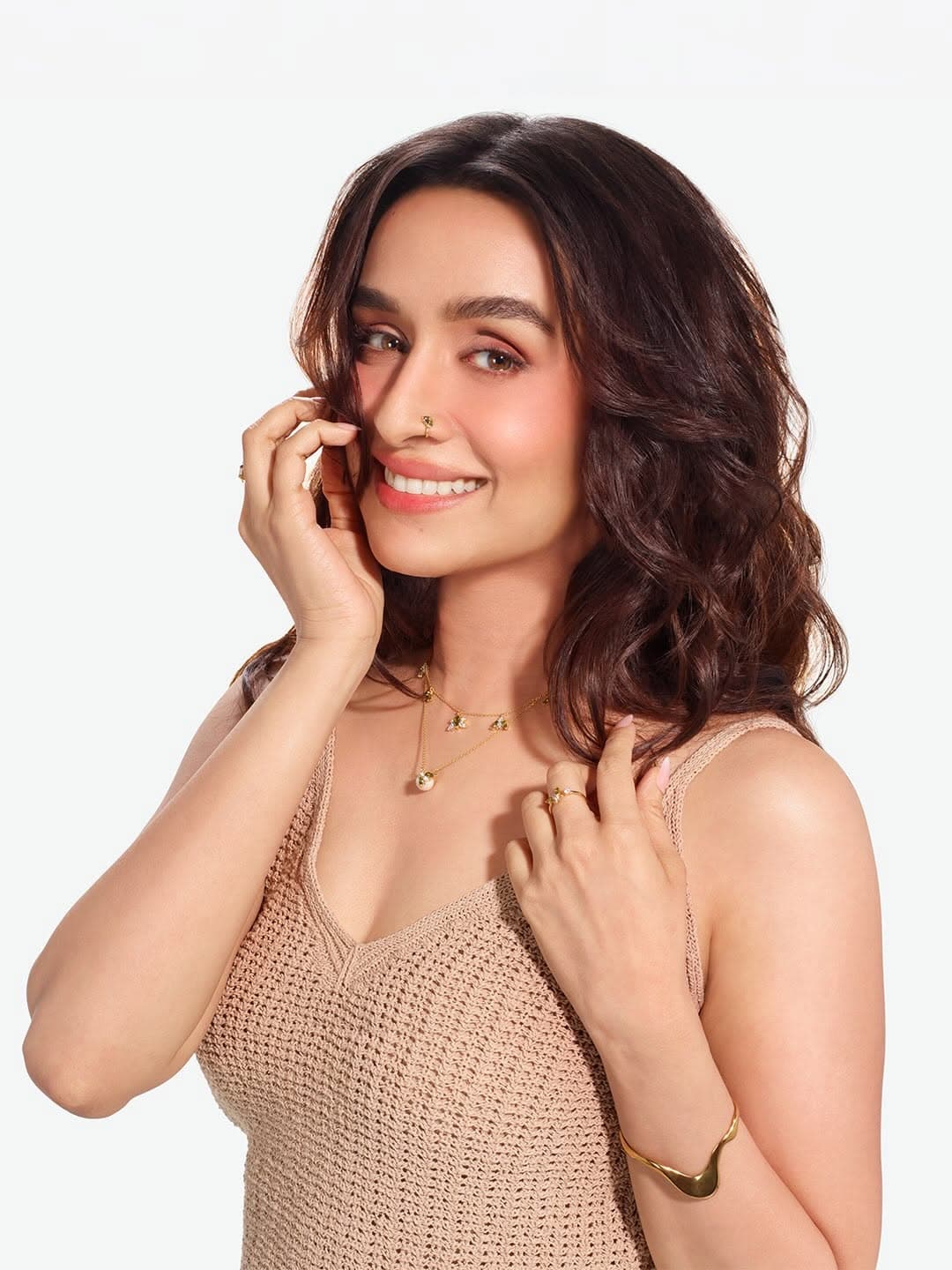
“Pose aisa ho ki saare products dikh jaayein,” as Shraddha ✶ puts it, is the most honest brief in the influencer economy. The product-showing pose is not about looking dreamy, it is about making every item in frame readable, wearable, and, crucially, shoppable. When the caption calls it out this directly, it becomes a small masterclass in how creators negotiate aesthetics with commerce.
The product-showing pose: choreography disguised as candor



A good product-showing pose is built on one unglamorous truth: the camera flattens. If the body turns too far, a bag becomes a dark shape, jewellery collapses into glare, and even a great outfit can lose its logic. What reads as casual in a photo is usually a series of tiny, deliberate choices, angles that keep logos, textures, and silhouettes legible without turning the image into a catalogue page.
In Shraddha ✶’s framing, the ask is explicit, show everything. That changes the priority list. Instead of hiding hands, hands become pointers. Instead of a three quarter turn that favors cheekbones, the torso often squares up to the lens so the outfit reads in one glance. The goal is clarity: what is it, where does it sit on the body, how does it catch light, and what pairs with what.
Where the eye lands first, and why that matters
Scroll behavior is fast, so the best product-showing pose designs a clear entry point. If the “hero” is a bag, it needs space around it, not a busy background and not a hand that blocks the hardware. If the hero is makeup, hair must be moved off the cheekbones and lips, and the chin angle has to avoid shadowing the skin finish. For jewellery, wrists and necklines need to be shown at a distance that still keeps the piece recognizable, then supported with a tighter crop elsewhere in the carousel.
This is also where styling becomes part of posing. A sleeve pushed back a few centimeters can turn a watch from an afterthought into the headline. A strap rotated so it lies flat can make a handbag look structured rather than slouchy. Small fixes, big payoff.
Four posing adjustments that sell without shouting
1. Give each product its own “air”
If multiple items are being featured, separate them visually. Do not stack everything in the same zone of the frame. A belt buckle and bag clasp fighting for attention makes both look cheaper on camera.
2. Build a triangle with your hands
Hands are the secret weapon of the product-showing pose. One hand can anchor a bag near the hip while the other creates a line that leads the eye toward jewellery or a sleeve detail. The triangle keeps the composition stable, even in a casual stance.
3. Turn the fabric, don’t just wear it
For clothing, a slight twist at the waist can reveal drape, seamwork, and how the material moves. The aim is to show construction, not only the front view.
4. Let light describe the texture
Shift a few steps until the surface tells the story. Matte knits, glossy lip finishes, metallic hardware, they each need different light to read. If you cannot see texture, the viewer cannot judge value.
For creators, this is the sweet spot: a pose that feels like a snapshot while behaving like a product page. Or, in the language of the caption, a pose that makes sure “saare products” get their moment.
Instagram remains the primary stage where these posing conventions get refined in public, and where creators continually test what makes an outfit or product instantly legible on a small screen.
Photo Credits
Images courtesy of their respective owners.